Archives
-
Join 348 other subscribers
KSWFoodWorld
Blog Stats
- 459,202 Views
Category Archives: Food Microbiology Blog
Research – Assessing the Risk of Seasonal Effects of Campylobacter Contaminated Broiler Meat Prepared In-Home in the United States
Campylobacter has consistently posed a food safety issue in broiler meat. This study aimed to create a quantitative microbial risk assessment model from retail to consumption, designed to evaluate the seasonal risk of campylobacteriosis associated with broiler meat consumption in the United States. To achieve this, data was gathered to build distributions that would enable us to predict the growth of Campylobacter during various stages such as retail storage, transit, and home storage. The model also included potential fluctuations in concentration during food preparation and potential cross-contamination scenarios. A Monte Carlo simulation with 100,000 iterations was used to estimate the risk of infection per serving and the number of infections in the United States by season. In the summer, chicken meat was estimated to have a median risk of infection per serving of 9.22 × 10⁻⁷ and cause an average of about 27,058,680 infections. During the winter months, the median risk of infection per serving was estimated to be 4.06 × 10⁻⁷ and cause an average of about 12,085,638 infections. The risk assessment model provides information about the risk of broiler meat to public health by season. These results will help understand the most important steps to reduce the food safety risks from contaminated chicken products.
Posted in Campylobacter, campylobacter coli, Campylobacter jejuni, Decontamination Microbial, Food Micro Blog, Food Microbiology, Food Microbiology Blog, Food Microbiology Research, Food Microbiology Testing, microbial contamination, Microbial growth, Microbiological Risk Assessment, Microbiology, Microbiology Investigations, Microbiology Risk
Research – Use of Essential Oil Emulsions to Control Escherichia coli O157:H7 in the Postharvest Washing of Lettuce
Abstract
Essential oils (EOs) have strong antibacterial properties and can be potential sanitizers to reduce pathogen load and prevent cross-contamination during postharvest washing. The objective of this study was to investigate the efficacy of emulsions containing oregano (OR; Origanum vulgare) and winter savory (WS; Satureja montana) EOs at different concentrations (0.94 and 1.88 µL/mL) and storage times (0 h, 24 h, and 7 days), in reducing Escherichia coli O157:H7 on the surface of three types of lettuce (romaine, crisphead, and butterhead). The EO emulsions were compared with one no-rinse treatment and three rinse treatments using water, 200 ppm chlorine, and 80 ppm peroxyacetic acid (PAA), respectively, in a simulated washing system. The results showed that while the EO emulsions significantly reduced E. coli O157:H7 on crisphead lettuce over time, not all treatments were effective for romaine and butterhead lettuce. The mixture of OR and WS at concentrations of 0.94 and 1.88 µL/mL was found to be the most effective in reducing E. coli O157:H7 on inoculated lettuce, resulting in reductions of 3.52 and 3.41 log CFU/g, respectively. Furthermore, the PAA and the mixture of OR and WS at 1.88 µL/mL effectively limited bacterial cross-contamination close to the detection limit for all lettuce types during all storage times. These results suggest that OR and WS EOs could serve as potential alternatives to chemical sanitizers for postharvest lettuce washing.
Posted in Antimicrobials, Decontamination Microbial, E.coli, E.coli O157, E.coli O157:H7, Food Micro Blog, Food Microbiology, Food Microbiology Blog, Food Microbiology Research, Food Microbiology Testing, microbial contamination, Microbial growth, Microbiological Risk Assessment, Microbiology, Microbiology Investigations, Microbiology Risk
USA- CDC – Notes from the Field: Doubling of Cyclosporiasis Cases Partially Attributable to a Salad Kit — Florida, 2021–2022
Cyclosporiasis is a gastrointestinal infection caused by a protozoan parasite, Cyclospora cayetanensis. This species is only known to infect humans and is acquired when oocysts are ingested through food or water contaminated with feces that contain the parasite. The illness was first reported in 1979, and the organism was identified and named in 1994 (1). Historically, infections were typically acquired outside of the United States or from produce that was imported into the United States (1). In recent years, the number of reported U.S. cases has been increasing: cases more than doubled from 537 in 2016 to 1,194 in 2017, and then nearly tripled, to 3,519 cases in 2018; in 2019, 4,703 cyclosporiasis cases were reported.* Recently, the parasite has been found on domestically grown produce (2), and infections have been attributed to these foods (3). Produce washing will decrease but not eliminate the parasite (1).
Posted in Cyclospora, Cyclosporiasis, Decontamination Microbial, food bourne outbreak, Food Illness, Food Micro Blog, Food Microbiology, Food Microbiology Blog, Food Microbiology Research, Food Microbiology Testing, Foodborne Illness, foodborne outbreak, foodbourne outbreak, Illness, microbial contamination, Microbial growth, Microbiological Risk Assessment, Microbiology, Microbiology Investigations, Microbiology Risk, outbreak
USA – Investigations of Foodborne Illness Outbreaks
What’s New
- A new outbreak of Cyclospora cayetanensis (ref #1163) in a not yet identified product has been added to the table. FDA has initiated sample collection and analysis.
- For the outbreak of Cyclospora cayetanensis (ref #1159), the case count has increased from 36 to 37 cases.
| Date Posted |
Ref | Pathogen or Cause of Illness |
Product(s) Linked to Illnesses (if any) |
Total Case Count |
Status |
| 7/6/2023 | 1163 | Cyclospora cayetanensis |
Not Yet Identified |
105 | Active |
| 6/14/2023 | 1157 | Salmonella Paratyphi B var. L(+) tartrate+ |
Not Yet Identified |
34 | Active |
| 6/14/2023 | 1159 | Cyclospora cayetanensis |
Not Yet Identified |
37 | Active |
| 5/24/2023 | 1156 | Salmonella Enteritidis |
Raw Cookie Dough |
See Advisory |
Active |
| 4/26/2023 | 1152 | Not Yet Identified |
Morel Mushroom |
See Advisory |
Active |
| 3/1/2023 | 1143 | Hepatitis A Virus |
Frozen Strawberries |
See Advisory |
Active |
Posted in Cyclospora, Cyclosporiasis, FDA, food bourne outbreak, Food Illness, Food Micro Blog, Food Microbiology, Food Microbiology Blog, Food Microbiology Research, Food Microbiology Testing, Foodborne Illness, foodborne outbreak, foodbourne outbreak, Hepatitis A, Illness, microbial contamination, Microbial growth, Microbiological Risk Assessment, Microbiology, Microbiology Investigations, Microbiology Risk, outbreak, Salmonella
Research – Local Salmonella Enteritidis restaurant outbreak investigation in England provides further evidence for eggs as source in widespread international cluster, March to April 2023
An outbreak of food-borne infection linked to a restaurant was reported to the UK Health Security Agency (UKHSA) East of England Health Protection Team (HPT) in early April 2023. Whole genome sequencing (WGS) results indicated Salmonella Enteritidis infection, with all cases in a 5-single nucleotide polymorphism (SNP) cluster falling into a wider genomically diverse 10-SNP cluster investigated in several countries. We identified additional cases in the 5-SNP cluster with no known links to the restaurant, and historical cases reported since July 2022.
Our investigations aimed to define common exposures for cases in the 5-SNP cluster to determine the likely source of infection and implement control measures.
A confirmed case was defined as a person with laboratory-confirmed S. Enteritidis infection belonging to the 5-SNP cluster 1.2.3.18.180.7268.% [1] in England since 1 March 2023. A probable case was defined as a person with gastroenteritis or confirmed Salmonella spp. infection in England who dined at the restaurant of interest from 1 March to 1 April 2023. Confirmed cases were further categorised as having known, unknown or no exposure to the restaurant.
In early April 2023, UKHSA was notified via Accident and Emergency doctors, general practitioners, and a local authority environmental health (EH) department of multiple cases of gastroenteritis following food consumption at a restaurant, with attendance or take-away dates in late March. We identified S. Enteritidis as the causative organism. Salmonella isolates are routinely sent to the UKHSA Gastrointestinal Bacteria reference unit (GBRU) for sequencing [2]. The outbreak cases were confirmed to be within a 5-SNP cluster defined at UKHSA as 1.2.3.18.180.7268.% matching the Enterobase cgMLST hierarchical cluster HC2_316378 [3], falling into a wider genomically diverse cluster 1.2.3.18.180.%/HC5_2301 that is subject to several national and international investigations.
Cases identified through initial case notifications were interviewed using generic food history questionnaires; for cases notified since 2 May 2023, a bespoke menu-based questionnaire was used. Early cases were re-interviewed with the bespoke questionnaire completed by telephone or online. Additional cases identified through WGS were contacted to establish whether they were linked to the restaurant, and if so, asked to complete the bespoke questionnaire by telephone or online. Cases who did not reveal exposure to the restaurant completed a modified Salmonella trawling questionnaire focussed on poultry products.
Posted in food bourne outbreak, Food Illness, Food Micro Blog, Food Microbiology, Food Microbiology Blog, Food Microbiology Research, Food Microbiology Testing, Foodborne Illness, foodborne outbreak, foodbourne outbreak, Illness, microbial contamination, Microbial growth, Microbiological Risk Assessment, Microbiology, Microbiology Investigations, Microbiology Risk, outbreak, Salmonella, Salmonella in Eggs
Quebec- Notice not to consume the Pam Pi Gou brand 100% Haitian seasoning mix sold by the company Épicerie antillais et casse-croute Ében-Ézer – Clostridium botulinum
QUEBEC CITY , July 6. 2, 2023 /CNW/ – The Ministère de l’Agriculture, des Pêcheries et de l’Alimentation (MAPAQ), in collaboration with Épicerie antillais et casse-croute Ében-Ézer, located at 125, rue Valmont, in Repentigny , advises the population not to consume the product indicated in the table below, because it has not been prepared and packaged in such a way as to ensure its harmlessness. Indeed, this product could promote the proliferation of the bacterium Clostridium botulinum .
|
Product name |
Format |
Affected lot |
|
“100% HAITIAN SEASONING” |
500ml _ |
Units sold until July 5, 2023 |
The product that is the subject of this warning was offered for sale until July 5, 2023, and only at the place designated above. The product was packaged in a Mason type glass jar and sold chilled. The product label includes, in addition to its name, the words “PAM PI GOU”.
The operator is voluntarily recalling the product in question. It has agreed with MAPAQ to issue this warning as a precautionary measure. In addition, people who have this product in their possession are advised not to consume it. They must return it to the establishment where they bought it or throw it away.
Even if the affected product shows no sign of tampering or suspicious odor, it could be contaminated with Clostridium botulinum bacteria . Foods contaminated with the toxin of this bacterium can cause, when ingested, the following symptoms: facial paralysis, non-reactive or fixed pupils, difficulty swallowing, droopy eyelids, vision and speech disorders. In severe cases, the disease can cause death.
It should be noted that no case of illness associated with the consumption of this food has been reported to MAPAQ to date.
Belgium – Poultry hamburger – Salmonella

Recall from Fiers NV
Product: Poultry hamburger
Nature of the problem: presence of Salmonella
In agreement with the FASFC, Fiers NV withdraws the Poultry Hamburger from sale and recalls it from consumers due to the presence of Salmonella.
Fiers NV asks its customers not to consume this product and to return it to the point of sale where it was purchased, where it will be refunded.
Product description
– Product name: Poultry hamburger
– Brand: Fiers
– Use-by dates (BBD) (“Use by”): 04-07-2023 / 05-07-2023 / 06-07-2023
– Batch number: 79393 – 79553 – 79691
– Sales period: from 06/27/2023 to 06/29/2023
– Type of packaging: transparent plastic dish
– Weight: 2 pieces per packaging
| 06/07/2023 Recall from Fiers NV Product: Poultry hamburger Nature of the problem: presence of Salmonella In agreement with the FASFC, Fiers NV withdraws the Poultry Hamburger from sale and recalls it from consumers due to the presence of Salmonella. – Product name: Poultry hamburger The product was distributed by: CARREFOUR EXPRESS NIEUWPOORT Albert I Laan 213, 8620 Nieuwpoort For any additional information , contact Mrs. Vandenheede; kwaliteit@fiers.net or 04778/493117 |
Posted in afsca, food contamination, food handler, Food Hazard, Food Hygiene, Food Inspections, Food Micro Blog, Food Microbiology, Food Microbiology Blog, Food Microbiology Testing, Food Pathogen, Food Quality, food recall, Food Safety, Food Safety Alert, Food Safety Management, Food Testing, Salmonella, Salmonella in Chicken
New in August on Netflix – Poisoned: The Dirty Truth About Your Food

The doc first premiered at the Tribeca Film Festival with multiple screenings taking place between June 9th and June 17th first premiering at the SVA Theatre on June 9th. It also was shown in the author, Jeff Benedict’s, hometown, as well as Bill Marler’s, the main character of the film.
Here’s what you can expect from the documentary based on the book Poisoned by Jeff Benedict (which has an updated cover to reflect the Netflix adaptation).Netflix was first announced to be attached to develop the documentary on the 2011 book back in November 2022. Here is the link and the cover:
Posted in Decontamination Microbial, Food Micro Blog, Food Microbiology, Food Microbiology Blog, Food Microbiology Research, Food Microbiology Testing, Food Poisoning, microbial contamination, Microbial growth, Microbiological Risk Assessment, Microbiology, Microbiology Investigations, Microbiology Risk, Poisoning
France – Pâté and rillettes – Possible Poisoning

Identification information of the recalled product
- Product category Feed
- Product subcategory Meats
- Product brand name Western Whites
- Model names or references Black pudding pâté Black pudding pâté with apples Angevin pâté Country pâté Plain rillettes
- Identification of products
Batch Date All lots Use-by date between 01/12/2021 and 05/07/2023 - Packaging 200g glass jars
- Marketing start/end date From 01/12/2021 to 05/07/2023
- Storage temperature Product to be stored at room temperature
- Further information Transparent jars with a black lid
- Geographic area of sale Departments: MAINE-ET-LOIRE (49)
- Distributors grocery
Practical information regarding the recall
- Reason for recall labeling error and lack of sterilization
- Risks incurred by the consumer Poisoning
Posted in food contamination, food handler, Food Hazard, Food Hygiene, Food Inspections, Food Micro Blog, Food Microbiology, Food Microbiology Blog, Food Microbiology Testing, Food Pathogen, Food Poisoning, Food Quality, food recall, Food Safety, Food Safety Alert, Food Safety Management, Food Safety Regulations, Food Testing, Food Toxin
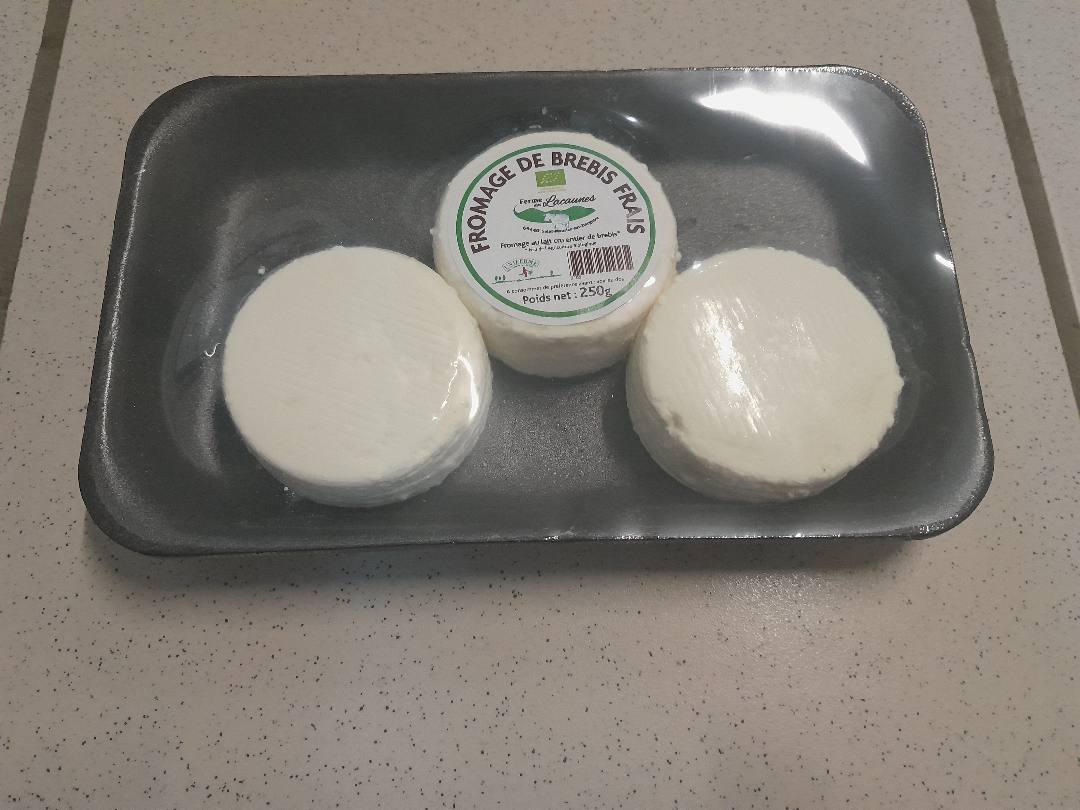
France – FRESH SHEEP CHEESE X3 – Salmonella

Identification information of the recalled product
- Product category Feed
- Product subcategory Milk and dairy products
- Product brand name THE LACAUNES FARM
- Model names or references FRESH SHEEP CHEESE X3
- Identification of products
Batch Date 2606F Use-by date 07/09/2023 - Marketing start/end date From 06/27/2023 to 07/01/2023
- Storage temperature Product to be stored in the refrigerator
- Geographic area of sale Departments: RHONE (69)
- Distributors UNIFARM
Posted in food contamination, food handler, Food Hazard, Food Hygiene, Food Inspections, Food Micro Blog, Food Microbiology, Food Microbiology Blog, Food Microbiology Testing, Food Pathogen, Food Quality, food recall, Food Safety, Food Safety Alert, Food Safety Management, Food Safety Regulations, Food Testing, Salmonella