Category Archives: Food Micro Blog

Luxembourg – SARDINE FILLETS FROM LES NATURELS OCEALLIANCE – Histamine

SAP

Furic Solutions is recalling the following product:

name Sardine fillets
Brand OCEALLIANCE Naturals
Unity 200g
Sales period from 04/29/2022 to 05/03/2022
Use-by date (DLC) 05/03/2022; 04/05/2022
Batch 0622118; 0622119

Danger  : Presence of histamine

Sale in Luxembourg by: Auchan

A sale by other operators cannot be excluded.

Source of information: Auchan recall notification

Communicated by: Government Commission for Quality, Fraud and Food Safety .

Research – France – Cholera

Sante Publique

Food Illness

Digestive poisoning , cholera is a notifiable disease caused by the ingestion of water or food contaminated by Vibrio cholerae bacilli of the toxigenic serogroups O1 and O139.

Cholera: the disease

A rare imported pathology in France

Cholera is an acute digestive poisoning caused by ingestion of water or food contaminated by Vibrio cholerae bacilli of toxigenic serogroups O1 and O139 (cholera vibrios).

Today, collective and individual sanitation and hygiene measures have led to the disappearance of cholera in France (excluding Guyana and Mayotte, where sporadic and limited epidemics were described in the decades 1990-2000 in the two previous decades). In mainland France, cholera, which is subject to mandatory notification , is indeed a rare imported pathology. Symptomatic cases of cholera are mainly linked to the absorption of contaminated drinks or food abroad.

Early reporting of suspected and confirmed cases, and notification of confirmed cases takes place from a single case. They allow the management of imported cholera cases as soon as possible. Between 0 and 2 cases of cholera have been declared each year in France since 2000, they concern travelers returning from endemic areas . This is a small and decreasing number.

Although rare in France, cholera can cause severe digestive symptoms and dehydration. Even if the risks of contamination and epidemic are very limited on French territory, the epidemiological surveillance of Public Health France requires the early notification of cases as soon as this infection is suspected in order to prevent its spread.

Human-to-human and environmental transmission

Man is the main reservoir of cholera. But in some regions, the environment can also play this role, resulting in the circulation of cholera vibrios in an endemic mode . Cholera is linked to the absorption of contaminated water or food. Bacilli , or cholera vibrios, secrete cholera toxin in the intestine, which causes the loss of water and electrolytes (up to 15-20 liters per day). Diarrheal stools released in large quantities spread bacilli in the environment and faecal-oral transmission .

High population concentrations, combined with poor environmental hygiene, favor the appearance and development of cholera epidemics.

Prevention through hygiene and vaccination

When the basic rules of hygiene are respected, the vibrio responsible for cholera is not very transmissible. Appropriate chlorination of water and basic hygiene measures are generally sufficient to prevent contamination.
In the event of a trip to these endemic areas , compliance with hygiene measures (food hygiene with consumption of cooked and hot food, capsulated bottled water, avoidance of ice cubes, and hand washing) remains the best prevention.

There is no active vaccine against Vibrio cholerae serogroup O139. On the other hand, health personnel going to work with patients or in refugee camps during an epidemic can benefit from the anti-cholera vaccine (against different Vibrio cholerae O1 strains and a recombinant cholera toxin B subunit) administered orally (2 doses one week apart for adults and 3 doses one week apart for children 2 to 6 years of age).

Severe intestinal symptoms

The incubation period of cholera is short, from a few hours to five days.

Most people infected with Vibrio cholerae show few or no symptoms, although the bacillus can be found in their stool for one to two weeks. In case of illness, 80 to 90% of episodes are mild or moderately severe and it is then difficult to distinguish them clinically from other types of acute diarrhoea.

Less than 20% of patients develop all the typical symptoms of cholera, with symptoms of moderate to severe dehydration: violent diarrhea profuse with “rice water”, vomiting, without fever.

In the absence of treatment, death occurs in 1 to 3 days, by cardiovascular collapse in 25 to 50% of cases. Mortality is higher in children, the elderly and vulnerable individuals.

The diagnosis of cholera is clinical and biological. It is based on the detection of V. cholerae serogroup O1 or O139 producing cholera toxin in the stools of a patient. In the event of suspected isolation of a strain of cholera vibrio, immediate contact should be made with the National Reference Center for vibrios and cholera for typing and confirmation of the diagnosis: https://www.pasteur.fr/fr/ public-health/cnr/the-cnr/vibrions-cholera

A treatment based on rehydration

The treatment of cholera essentially consists of compensating for the digestive losses of water and electrolytes. Depending on the degree of dehydration, rehydration takes place orally or intravenously. An improvement in the subject’s condition is visible quickly (in a few hours) and healing occurs in a few days. There are no sequels. Antibiotic therapy can be useful in certain severe cases, but multi-resistant strains may appear.

An endemic circulation in South Asia

Cholera is regularly the subject of epidemics in developing countries where it evolves according to the country on an endemic and/or epidemic mode .

The world has been experiencing the seventh cholera pandemic since 1961, caused by Vibrio cholerae serogroup O1 .

Cholera has been endemic in the Indian subcontinent for several centuries. Cholera spread from 1817 to all of Asia, the Middle East and part of Africa, during the first cholera pandemic. Subsequent pandemics also developed from Asia and were facilitated by improved transportation. The seventh pandemic started in Indonesia in 1961, affected Asia in 1962, the Middle East and part of Europe in 1965, Africa in 1970, and South America in 1991.
On the n the island of Hispaniola an epidemic has been ongoing since the emergence of V. cholerae serogroup O1 in 2010 in Haiti.
Today, Africa and Asia are the two areas most affected by cholera. The disease is spreading there. The outbreak declared in Yemen since 2016 is the largest ever documented.

In 1992, a strain of Vibrio cholerae belonging to the new  serogroup O139 appeared in India and Bangladesh. Since then, it has caused epidemics in several Asian countries and could one day be the cause of an eighth pandemic. Cholera is the first disease to have been the subject of international notification (since 1892).

Guatemala: Red tide alert issued, One fatality reported -Saxitoxins – PSP

Outbreak News Today

The National Commission for Surveillance and Control of the Toxic Red Tide in Guatemala, declared a red tide alert because the constant monitoring and analysis that is carried out showed high concentrations of saxitoxins above the appropriate limits.

The presence of toxic red tide was detected on the Pacific Coast, on the coast of Tiquisate, Escuintla, indicated Virginia Herzing de Stwolinsky, head of the Risk Management Unit of the Ministry of Public Health and Social Assistance (MSPAS).

For this reason, bivalve mollusks, such as mussels, clams and shells. The consumption of the aforementioned foods produces severe intoxication and could even cause death.

Saxitoxins are also known as paralytic shellfish poisons (PSPs). Most human saxitoxin toxicoses have been associated with the ingestion of marine shellfish, which accumulate saxitoxins produced by marine dinoflagellates. However, saxitoxins are also found in freshwaters, produced by cyanobacteria in the genera Anabaena, Aphanizomenon, Planktothrix, Cylindrospermopsis, Lyngbya and Scytonema

Scotland – Kinder products linked to Salmonella outbreak still found on Scottish retail shelves

FSS

Food Standards Scotland (FSS) is warning the public to continue to be on the lookout for certain Kinder products after investigations by local authorities found a substantial number of businesses with recalled product still available for sale.  These products should not be purchased or eaten.

The products, which were recalled by Ferrero in early April, have been linked to an ongoing salmonella outbreak. A number of these cases have been young children.

Stuart McAdam, FSS Head of Incidents, urged small business owners to ensure that recalled Kinder products are removed.

“Investigations have found that some products previously recalled remain on retailer shelves. In addition, products intended for the European market only, that have been recalled by Ferrero in Europe, have been subsequently imported into the UK by UK importers not linked to Ferrero.

“While FSS continues to work closely with Local Authorities and Public Health Scotland, I would urge any small business owner to double check their stock to ensure recalled product isn’t available for sale.

“Any members of the public who have bought or spot recalled Kinder products on shelves or online are advised to raise the issue with the retailer and report the matter to their Local Authority so that action can be taken.”

Symptoms of salmonellosis typically resolve themselves within a few days and include diarrhoea, stomach cramps, nausea, vomiting and fever. However, symptoms can be more severe and lead to hospitalisation, especially in the very young and those with weakened immune systems.

Anybody with concerns that they have symptoms of salmonellosis should contact their GP or call NHS 111. Salmonella can be spread from person to person as well as from food, so anyone affected should adhere to good hygiene practices, such as washing hands thoroughly after using the bathroom and avoiding handling food for others where possible, if you have symptoms.

The full list of recalled products, including a selection of European labelled products, include:

  • Kinder Surprise:

– Pack size 20g, all best before dates up to and including 04 January 2023

– Pack size 20g x 3, all best before dates up to and including 04 January 2023

– Pack size 100g, all best before dates up to and including 21 August 2022

  • Kinder Mini Eggs (pack size 75g): All best before dates up to and including 21 August 2022
  • Kinder Egg Hunt Kit (pack size 150g): All best before dates up to and including 21 August 2022.
  • Kinder Schokobons (pack size 70g, 200g, 320): All best before dates up to and including 04 January 2023
  • Kinder Maxi Mix Peluche (pack size 133g): Best before date of 21 August 2022
  • Kinder Niespodzianka Maxi Lei (pack size 100g): Best before date of 21 August 2022
  • Ferrero Kinder Mix Geschenktüte (pack size 193g): Best before date of 21 August 2022
  • Ferrero Kinder Mix Bunte Mischung (pack size 132g): Best before date of 21 August 2022
  • Kinder Niespodzianka Maxi Uni BN (pack size 100g): Best before date of 21 August 2022
  • Kinder Surprise Geant Gar (pack size 100g): Best before date of 20 August 2022
  • Kinder Surprise Fille (pack size 100g): Best before date of 20 April 2022
  • Kinder Schokobons Sachet (pack size 125g and 200g): Best before date of 26 October 2022
  • Kinder Happy Moments (pack size 242g): Best before date of 21 August 2022
  • Kinder Happy Moment Ballotin 1 (all pack sizes): Best before date of 21 August 2022
  • Swieta Kinder Jajko Z Niespodzianka Maxi Uni Wn (pack size, 100g): Best before date of 21 August 2022
  • Swieta Kinder Maxi Mix Peluche Bn (pack size 133g): Best before date of 21 August 2022

Additional details of the products affected can be found in the product recall information notice on the FSS website.

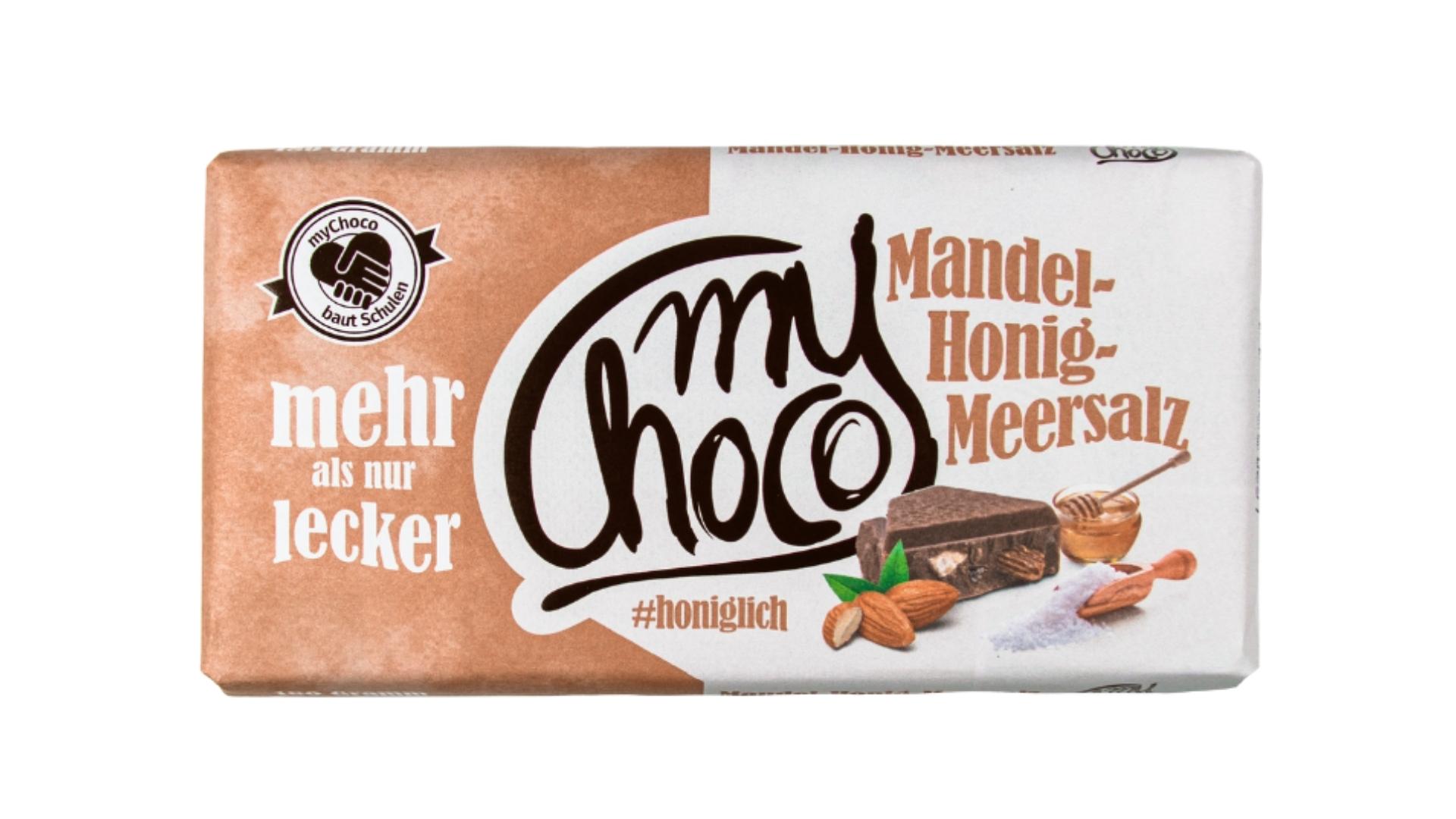
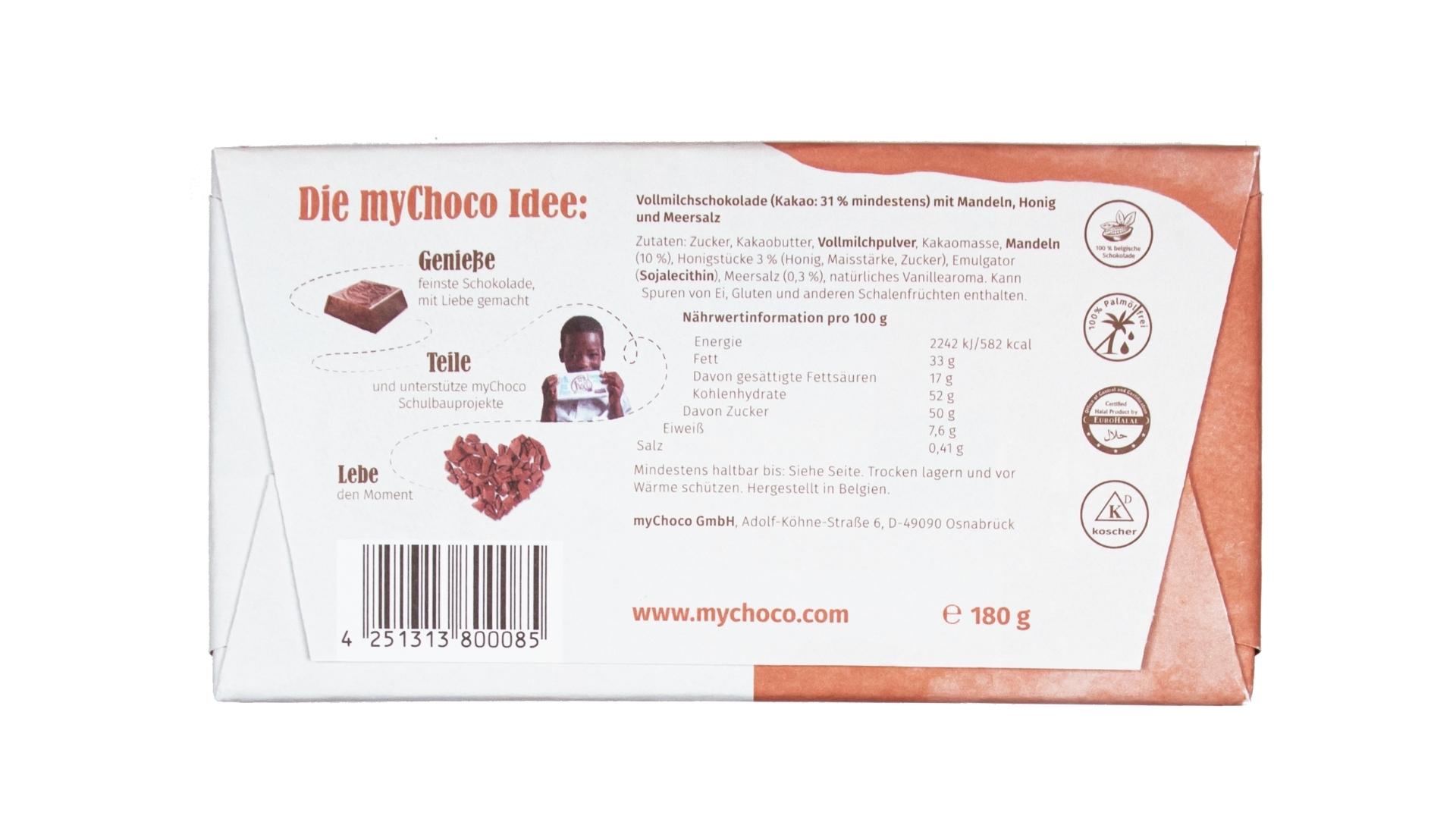
Germany – Whole milk chocolate (cocoa: 31% minimum) with almonds, honey and sea salt – Aflatoxin B1+B2+G1+G2

LMW

Alert type: Food
Date of first publication: 05/10/2022
Product name:

Whole milk chocolate (cocoa: 31% minimum) with almonds, honey and sea salt

Product images:
Honey-almond-sea salt_front.jpg

Honey-almond-sea salt_backside.jpg

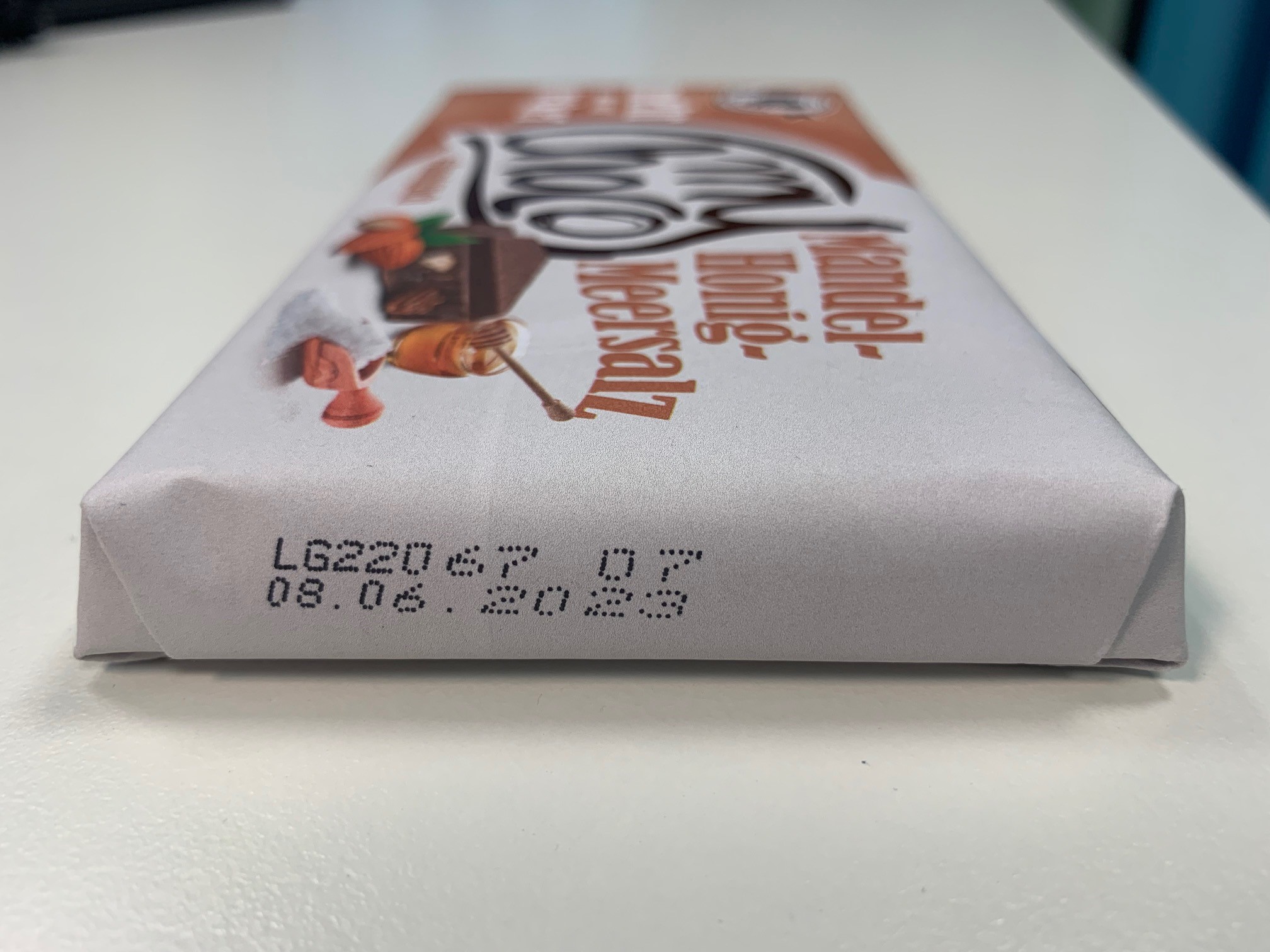
myChoco_Charge and MHD.jpg

Manufacturer (distributor): myChoco GmbH Adolf-Köhne-Strasse 6 49090 Osnabrück
Reason for warning:

The item may contain high levels of Aflatoxin B1 and Total Aflatoxin B1+B2+G1+G2. This increased aflatoxin content is due to the almonds contained in the product.

Packaging Unit:

180g

Durability:

06/08/2023

Production date:

03/08/2022

Lot identification:

22067

Additional Information:

See company press release (attachment)

Manufacturer’s website:

France – MORTADELLA BOLOGNA PGI 100 G – Listeria monocytogenes

Gov france

Identification information of the recalled product

  • Product category Food
  • Product subcategory Meats
  • Product brand name the Tradizioni D’Italia Charcuterie Workshop
  • Model names or references MORTADELLA BOLOGNA PGI 100 G
  • Identification of products
    GTIN Batch Date
    3664335100049 L213097 Use-by date 05/12/2022
  • Packaging Transparent tray 100g
  • Marketing start/end date From 19/04/2022 to 10/05/2022
  • Storage temperature Product to be stored in the refrigerator
  • Health mark IT 1907 L EC
  • Further information Only products bearing the additional code 01 following the barcode are affected by the recall.
  • Geographic area of ​​sale Whole France
  • Distributors E.LECLERC.

Practical information regarding the recall

  • Reason for recall Presence of Listeria monocytogenes
  • Risks incurred by the consumer Listeria monocytogenes (causative agent of listeriosis)

Italy – Food safety, episode of botulism linked to the consumption of a package of pesto and almonds

Salute

kswfoodworld

It is reported that a laboratory confirmed case of botulism occurred in Rome. 

The epidemiological investigation has identified as a suspect food a Sicilian broccoli and almond pesto which , according to the information available to date, appears to have been given as a gift about two months earlier .  

In the food exhibit analyzed by the ISS for the search for toxins and botulinum spores, which was still negative, it was reported  in the label of the glass jar.

“ The biodynamic farm – Sicilian broccoli pesto and almonds.
Product grown strictly following the biodynamic method controlled by BIO -DYNAMIC RESEARCH INSTITUTE and packaged by The biodynamic farm, Strada Freddano, 20 – 01100 Viterbo.
210g and Ingredients: biodynamic Sicilian broccoli, almonds.

Store in the refrigerator after opening, at a temperature of 4 ° C and consume quickly “.

No batch or expiry date was indicated on the label and on the guarantee seal of the jar .

Following the investigations of the local competent authorities at the farm  and  as declared by the current owner , it emerged that   the  pesto was produced for self –  consumption  and that from November 2021  the production of all the preserves   was  suspended  . It was not possible to trace the exact number of jars of Sicilian broccoli pesto and almonds produced, nor how many were possibly given away.

Citizens are therefore invited, as a precaution, not to consume the aforementioned Sicilian broccoli and almond pesto, possibly received as a gift, paying attention to non-compliant labeling due to lack of batch and expiry  or  even absent.

The Istituto Superiore di Sanità  represents that  Clostridium  botulinum  (botulinum) is an environmental spore-forming microorganism that can naturally contaminate raw materials and composite foods. Generally the level of environmental contamination in botulinum spores is very low and can be punctate, therefore in the same production batch, it can occur that only some packages are contaminated. Since the consumption of minimal quantities of food contaminated with botulinum toxins can cause the disease, anyone holding a jar that corresponds to the above characteristics should also avoid tasting it.

Possessors of suspicious packs can safely eliminate them using the following procedure:

  • Completely immerse the package in a pot containing water (bain marie).
  • Bring the water to a boil for at least 30 minutes.
  • Cool the package.
  • Open the package and dispose of its contents following the procedures currently used for the disposal of organic waste.

Research – International outbreak of salmonellosis in young children linked to the consumption of Kinder brand products. Update on May 4, 2022.

Sante Publique

Following the investigations carried out by the Belgian health authorities, together with their English, European and in particular French counterparts, the company Ferrero proceeded on April 5, 2022 to the recall of several Kinder range products manufactured in a factory in Belgium due to suspected contamination by Salmonella Typhimurium . On April 8, 2022, the recall finally affected all Kinder products from this factory, regardless of their expiry date. On April 14, 2022, an update of the recalled products, including the 2021 Christmas Advent Calendars, was released.

Case of salmonellosis in France: update on May 4, 2022

In total, as of 05/04/2022: 81 cases of salmonellosis with a strain belonging to the epidemic have been identified by the National Reference Center (CNR) for salmonella at the Institut Pasteur in France.

The 81 cases are spread over 12 regions (Grand-Est (14 cases), Ile-De-France (13 cases), Provence-Alpes-Côte d’Azur (13 cases), Auvergne-Rhône-Alpes (11 cases), Hauts-de-France (8 cases), Normandy (5 cases), Bourgogne-Franche-Comté (4 cases), New Aquitaine (4 cases), Occitanie (4 cases), Brittany (3 cases), Pays de la Loire (1 case) and Corsica (1 case)), with a median age of 4 years, and concern 42 girls and 39 boys.

Fifty-one cases were interviewed by Public Health France. All the cases, except 1, report, before the onset of their symptoms (which occurred between 20/01 and 04/04/2022), the consumption of chocolates of the brand cited here.

Twenty-two people were hospitalized for their salmonellosis, all since discharged. No deaths were reported.

The foods in question having been identified and the management measures taken, the weekly situation updates are drawn up. Public Health France continues to monitor the reporting of cases by the NR, which are expected due to the different delays inherent in monitoring ( see the infographic dedicated to food alerts ).

The successive withdrawals and recalls of the Kinder brand products concerned, produced by the Belgian factory with its closure by the Belgian authorities, should limit the occurrence in France of new cases of salmonellosis in connection with these chocolates.

The possible identification of new cases with dates of isolation at a distance from the recall withdrawal measures will be the subject of investigations if necessary.

To find out the list of products concerned by the withdrawal-recall: https://rappel.conso.gouv.fr/

People who have consumed the products mentioned above and who present symptoms (gastrointestinal disorders, fever within 72 hours of consumption), are invited to consult their doctor without delay, notifying him of this consumption.

In order to limit person-to-person transmission (especially in households with young children), it is recommended to wash your hands well with soap and water after using the toilet, after changing your child, and before to cook.

International situation

See the previous points

Research – Investigation of grouped cases of haemolytic-uremic syndrome (HUS) and shiga-toxin-producing E. coli (STEC) infections linked to the consumption of Buitoni® brand Fraîch’Up pizzas. Update on May 4, 2022.

Sante Publique

Public Health France and the National Reference Center (CNR) E. coli and its associated laboratory (Institut Pasteur, Paris, and Microbiology Laboratory of the Robert Debré Hospital, Paris), in conjunction with the Directorate General for Food, the Directorate General for Competition, Consumer Affairs and Fraud Prevention, and in coordination with the Directorate General for Health, have been investigating since 02/10/2022 an increase in the number of cases of haemolytic uremic syndrome (HUS) pediatric infections and Shiga toxin-producing Escherichia coli (STEC) infections.

The epidemiological, microbiological and traceability investigations carried out since that date have confirmed a link between the occurrence of these grouped cases and the consumption of frozen pizzas from the Buitoni brand Fraîch’Up range contaminated with STEC bacteria. On 03/18/2022, the company proceeded with the withdrawal-recall of all the pizzas in the Fraîch’Up range, marketed since June 2021 and the authorities asked the people who hold these pizzas not to consume them and to destroy them.

The total number of HUS cases linked to the consumption of these pizzas has stabilized since the withdrawal-recall. Other reports of STEC infection are investigated as part of routine surveillance. To date, these reports are not linked to grouped cases or consumption of Fraîch’Up pizzas.

Case of SHU in France: update on 04/05/22

As of 04/05/2022, 56 confirmed cases have been identified, of which 54 are linked to STEC O26 strains, and 2 to STEC O103 strains.

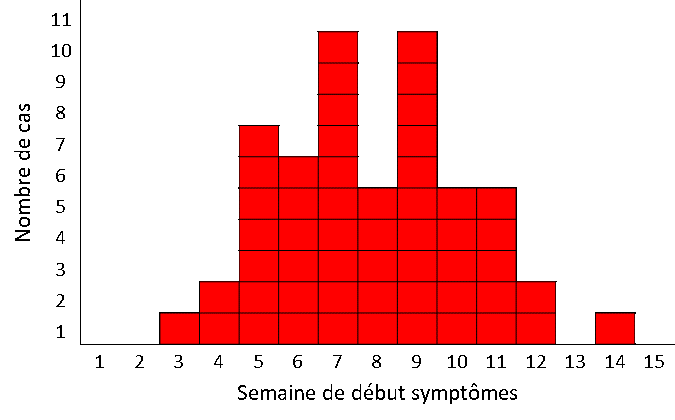
These 56 cases occurred in 55 children and 1 adult, who presented symptoms between 18/01/2022 (week 3) and 05/04/2022 (week 14) (Figure 1). The epidemic peak is in week 7 (14/02 to 20/02) and week 9 (28/02 to 06/03), with 10 cases each of these weeks.

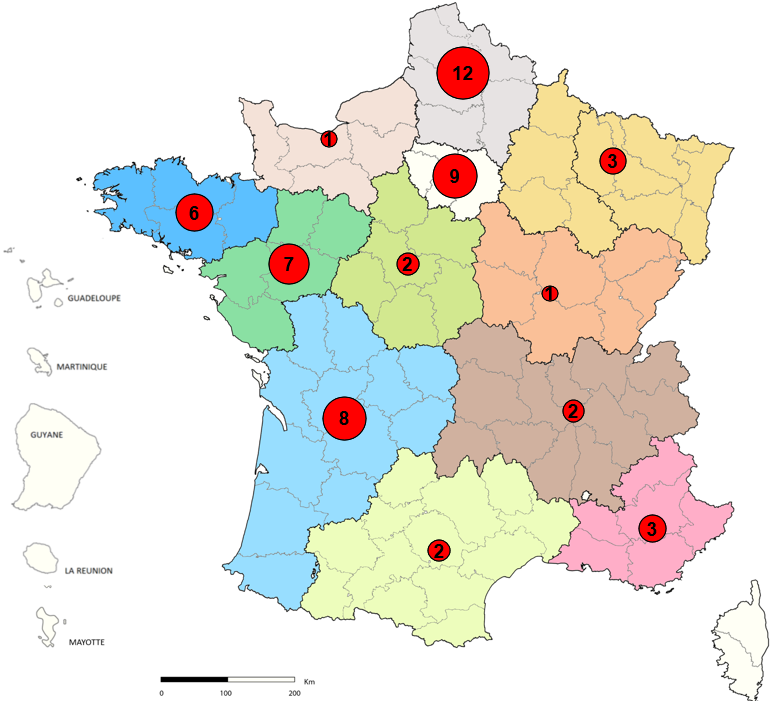
These 56 cases occurred in 12 regions of metropolitan France: Hauts-de-France (12 cases), Ile-de-France (9 cases), New Aquitaine (8 cases), Pays de la Loire (7 cases), Brittany ( 6 cases), Grand Est (3 cases), Provence-Alpes-Côte d’Azur (3 cases), Auvergne-Rhône-Alpes (2 cases), Occitanie (2 cases), Center Val-de-Loire (2 cases) , Bourgogne Franche-Comté (1 case) and Normandy (1 case) (Figure 2).

The 55 sick children are aged from 1 to 17 years old with a median age of 6 years; 25 (45%) are female; 48 (87%) presented with HUS, 7 (13%) with STEC gastroenteritis. Two children died. The adult did not present with HUS.

Figure 1: Epidemic curve: number of confirmed cases of HUS and STEC infections, by week of onset of symptoms – metropolitan France, weeks 3 to 14, 2022 (N=54: week of onset of symptoms not specified for 2 cases )
Figure 1: Epidemic curve: number of confirmed cases of HUS and STEC infections, by week of onset of symptoms - metropolitan France, weeks 3 to 14, 2022 (N=54: week of onset of symptoms not specified for 2 cases )
Figure 2: Geographical distribution of confirmed cases of HUS and STEC infections (N=56) linked to the consumption of Buitoni® brand Fraîch’Up pizzas, by region of residence in metropolitan France, weeks 3 to 14, 2022
Figure 2: Geographical distribution of confirmed cases of HUS and STEC infections (N=56) linked to the consumption of Buitoni® brand Fraîch'Up pizzas, by region of residence in metropolitan France, weeks 3 to 14, 2022

Italy – LATTERIA VALCONTADINO – Listeria monocytogenes

Salute

Brand : CIRESA SRL

Name : LATTERIA VALCONTADINO

Reason for reporting : Recall due to microbiological risk

Publication date : 10 May 2022

Documentation

Documentation