Category Archives: Food Hygiene

RASFF Alert – Salmonella – Polish Chicken Products – Poultry Meat Preparation – Frozen Diced Papaya – Organic Nettle Seeds

RASFF

Salmonella in poultry meat preparation from Brazil in Belgium

RASFF

Salmonella enteritidis in frozen chicken legs from Poland in the Netherlands and Romania

RASFF

Salmonella Typhimurium in fresh chicken breast from Poland in Italy

RASFF

Salmonella Enteritidis in chilled chicken meat from Poland in the UK

RASFF

Salmonella (presence /25g) in frozen papaya dices from India, via Belgium in Finland

RASFF

Salmonella in organic nettle seeds in Germany, Austria and Hungary

RASFF Alerts – Aflatoxin – Groundnuts

RASFF

Aflatoxins in groundnuts in shell from Egypt in Italy

RASFF Alerts – Ochratoxin A – Dried Figs

RASFF

Ochratoxin A (31.0 µg/kg – ppb) in dried figs from Turkey in Finland

RASFF

Ochratoxin A in dried figs from Turkey in Germany

RASFF Alert – Mold/Mould Mildew – Dill in Pickled Tomatoes

RASFF

Powdery mildew on the flavouring ingredient dill and foreign body (insect) in pickled tomatoes from Poland in Germany

RASFF Alert – STEC/VTEC E.coli – Soft Cheese

RASFF

Verotoxin-producing E.coli in soft cheese from France in Germany, Italy and Austria

USA – FDA says E. coli outbreak associated with romaine lettuce is over

Food Safety News

Federal officials are reporting that an outbreak of E. coli O121:H9 infections linked to romaine lettuce has ended.

Four illnesses were confirmed in the outbreak. Little other information was available from the Food and Drug Administration.

“The information collected over the course of this investigation indicated that romaine lettuce was the likely source of this outbreak; however, it appears that this outbreak is over, and there is no actionable advice for consumers,” according to FDA officials.

“FDA has been conducting a traceback investigation and other activities in an effort to learn more about possible sources or routes of contamination.”

The FDA first reported the outbreak two weeks ago but has not shared any information about patient demographics or what states are involved. The agency did not report when the first illness was reported or when the last one was logged by public health officials.

As of Jan. 26, the Centers for Disease Control and Prevention had not posted any information about the outbreak. That is generally standing procedure for the agency if a specific product is not identified.

France – Rilettes with Espelette pepper AOP – Listeria monocytogenes

Gov france

Identification information of the recalled product

  • Product category Food
  • Product subcategory Meats
  • Product brand name Raoul Deshildre
  • Model names or references Espelette pepper rillettes
  • Identification of products
    GTIN Lot Dated
    3514134506873 *0046143 Use-by date between 06/01/2022 and 30/01/2022
    3514134507252 *0046143 Use-by date between 06/01/2022 and 30/01/2022
  • Packaging Vacuum packaging.
  • Marketing start/end date From 06/01/2022 to 26/01/2022
  • Storage temperature Product to be stored in the refrigerator
  • Health mark FR 59 011 001 EC
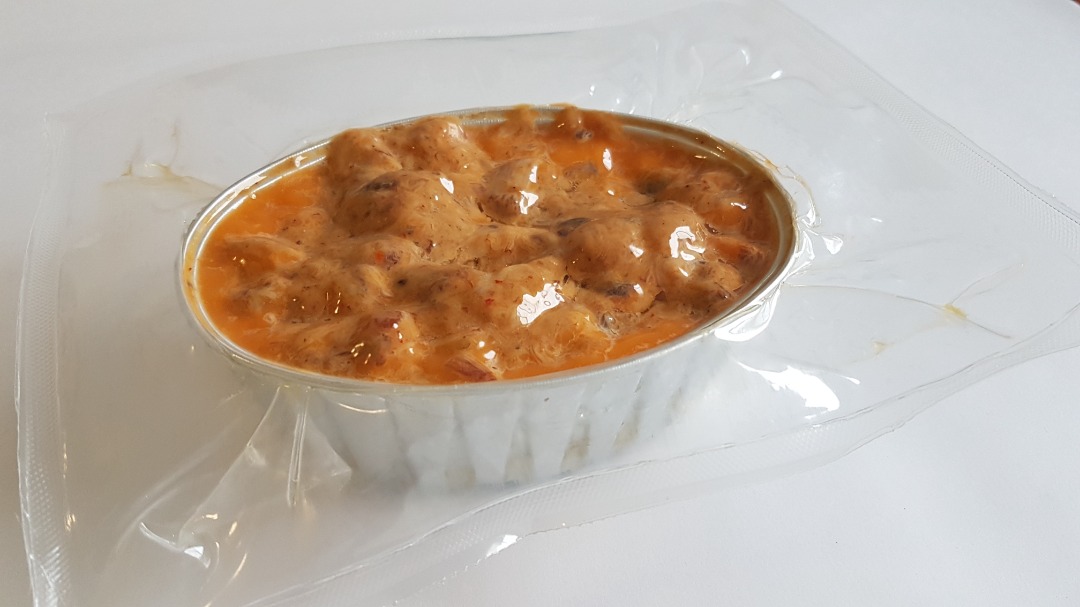
  • Further information The Rillettes are packaged in small aluminum trays, and are vacuum-packed.
  • Geographic area of ​​sale Departments: NORD (59), PAS-DE-CALAIS (62)
  • Distributors Vending machines from Raoul Deschildre Collectivités
  • List of points of saleLIST_OF_AUTOMATIC_DISTRIBUTORS_DE_LA_SOCIÉTÉ_RAOUL_DESCHIDLRE.pdf

Practical information regarding the recall

  • Reason for recall Presence of Listeria Monocytogenes
  • Risks incurred by the consumer Listeria monocytogenes (causative agent of listeriosis)

New Zealand – Public health warning about shellfish in West Coast, South Island – Shellfish Toxins -DSP – Diarrhetic shellfish toxins

MPI

The Ministry for Primary Industries (MPI) today issued a public health warning against collecting shellfish from the South Island West Coast between Greymouth and Charleston. Diarrhetic shellfish toxins have been detected in mussels from 12-Mile Bluff at levels above the safe limit set by MPI.

Anyone eating shellfish from this area is potentially at risk of illness.

Ongoing testing will continue and any changes will be communicated accordingly.

Mussels, oysters, tuatua, pipi, toheroa, cockles, scallops, catseyes, kina (sea urchin) and all other bivalve shellfish should not be eaten.

Note, cooking shellfish does not remove the toxin.

Pāua, crab and crayfish may still be eaten if the gut has been completely removed prior to cooking, as toxins accumulate in the gut. If the gut is not removed its contents could contaminate the meat during the cooking process.

Symptoms typically appear within half an hour of ingestion and last for about 24 hours. Symptoms may include:

  • diarrhoea
  • vomiting
  • nausea
  • abdominal cramps

If anyone becomes ill after eating shellfish from an area where a public health warning has been issued, freephone Healthline for advice on 0800 61 11 16, or seek medical attention immediately. You are also advised to contact your nearest public health unit and keep any leftover shellfish in case it can be tested.

Commercially harvested shellfish – sold in shops and supermarkets, or exported – is subject to strict water and flesh monitoring programmes by MPI to ensure they are safe to eat. There is no commercial harvesting of shellfish in the affected area.

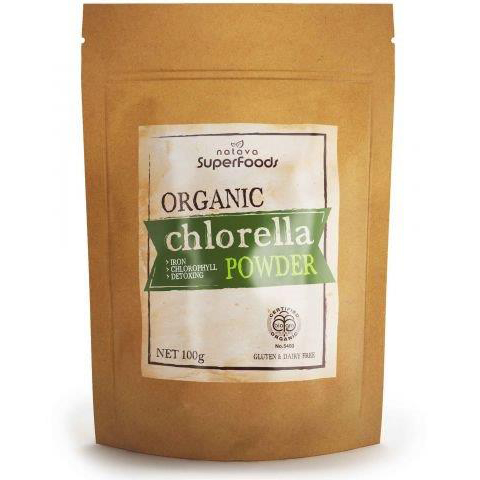
New Zealand – Natava SuperFoods brand Organic Chlorella Powder and Organic Clean Greens Wholefood Powder – Salmonella

MPI

Switzerland – Source of rise in Swiss Hepatitis E cases remains a mystery; pork investigated

Food Safety News

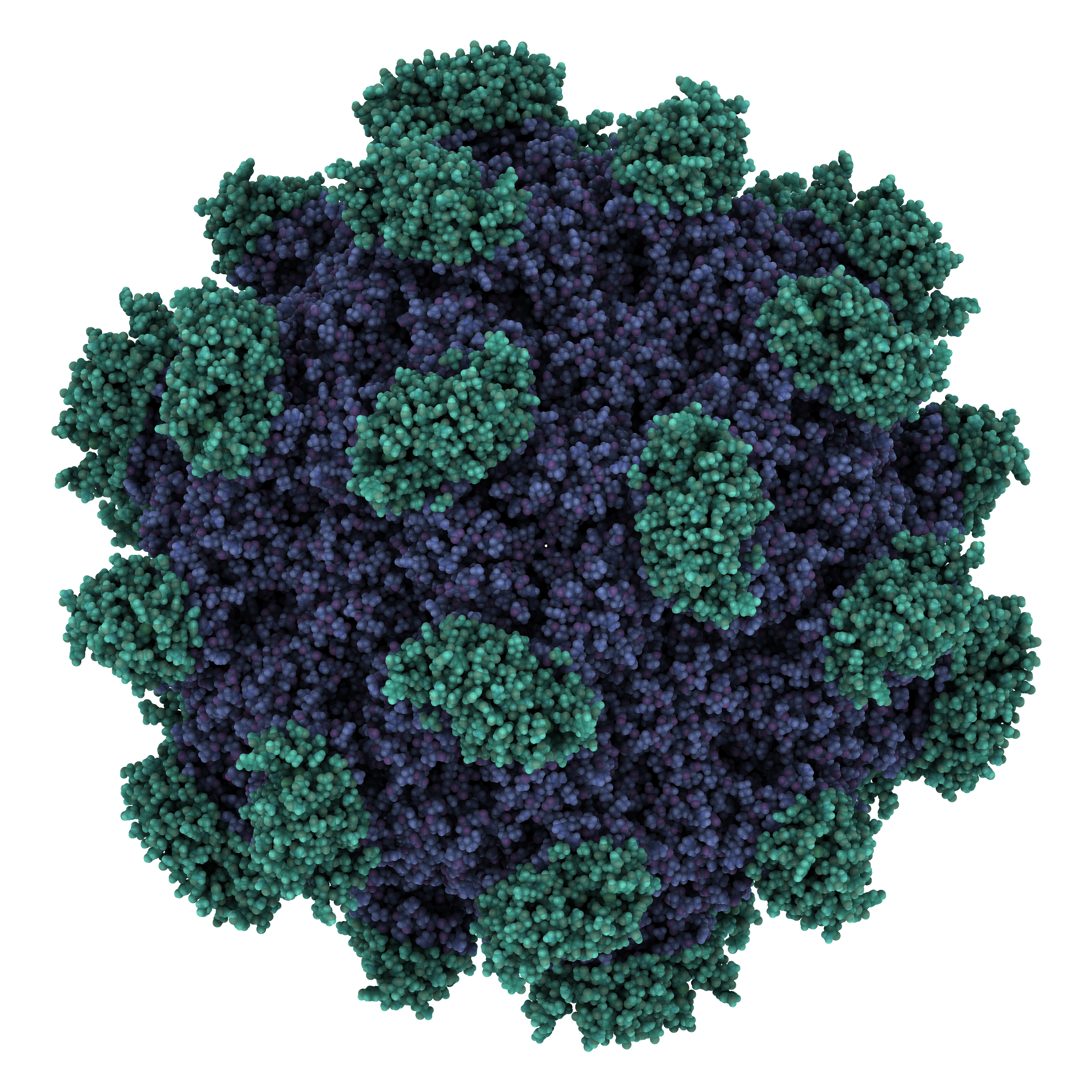
Hepatitis E virus capsid structure. HEV infection causes viral hepatitis. Atomic-level structure.

Officials in Switzerland have been unable to find what was behind an increase in hepatitis E infections that affected more than 100 people in 2021.

The Federal Office of Public Health (FOPH) recorded a rise in cases of hepatitis E virus (HEV) between January and May 2021.

A total of 105 cases were reported across the country, which is almost triple the number compared to the same period in previous years. More men than women were affected and patients ranged in age from 18 to 87 years old. A total of 29 people were hospitalized with or following an HEV infection and two died.