USA – 2 Florida deaths linked to bacterial infection from eating raw oysters – Vibrio vulnificans

Fox Weather

Food Illness

A warning to shellfish lovers: Health officials are investigating the deaths of two people in Florida linked to eating raw oysters.

The deaths are reportedly linked to oysters from Louisiana. The two separate occasions happened a week apart in Escambia and Broward counties, according to the Florida Department of Health.

Eating raw oysters and other undercooked seafood can put people at risk for infections, including vibriosis, which is caused by certain strains of Vibrio bacteria, according to the Centers for Disease Control and Prevention.

So far this year, there have been 26 Vibrio vulnificus infections reported in Florida. Six of those resulted in deaths, data from the Florida Department of Health shows. Nationally, an estimated 80,000 people have fallen ill and 100 deaths are reported every year from the bacterium that usually lives in warm, brackish seawater, the nation’s top public health agency reports.
Nigeria – Seven Family Members Die Of Food Poisoning In Zamfara

Tribune Online

Seven members of a family on Tuesday died of food poisoning in Danbaza village, Maradun Local Government Area of Zamfara State.

Tribune Online gathered that the victims’ lost their lives as a result of eating mixed vegetables with corn.

It was learned that the incident occurred after the family members ate the mixed vegetables with corn popularly, known as Dambu, which was prepared as their dinner.

Finland – The plant-based food preparation product spoils before the date

Epressi

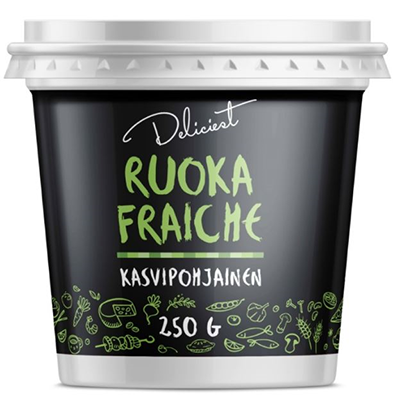
A 250 gram jar of Deliciest Food Fraiche.

Deliciest Oy has announced that it will issue a recall for the product  Deliciest Food Fraiche 250 g, best before date 30.9.2022.

The manufacturer says that a quality defect has been detected in the product batch of that date, which causes the product to spoil before the date expires.

Instructions for consumers who bought the product can be found on the website of Deliciest Oy  .

More information: Product manager Anna-Maria Sneck, Deliciest Oy, tel. 040 514 1042,  palaute@deliciest.fi .

The matter is handled at the Food Agency by Chief Inspector Paula Hietanen, tel. 050 596 9637  firstname.surname@ruokavirasto.fi .

USA – E. coli Outbreak with Unknown Food Source

CDC

A food has not yet been identified as the source of this fast-moving outbreak. So far, illnesses have only been reported from Michigan and Ohio. To prevent getting sick from E. coli, follow these four steps when handling or preparing food: clean, separate, cook, and chill.

Fast Facts
Illnesses: 29
Hospitalizations: 9
Deaths: 0
States: 2
Recall: No
Investigation status: Active
Illustration of E. coli pathogen
What You Should Do
Call your healthcare provider right away if you have any of these severe E. coli symptoms:

Diarrhea and a fever higher than 102°F
Diarrhea for more than 3 days that is not improving
Bloody diarrhea
So much vomiting that you cannot keep liquids down
Signs of dehydration, such as:
Not peeing much
Dry mouth and throat
Feeling dizzy when standing up
If you have symptoms of E. coli, help us solve this outbreak:

Write down what you ate in the week before you got sick.
Report your illness to your local or state health department.
Answer public health officials’ questions about your illness.
Follow these four food safety steps to prevent getting sick from E. coli.

Clean: Wash your hands, utensils, and surfaces often. Rinse fruits and vegetables under running water before eating, cutting, or peeling.
Separate: Keep food that won’t be cooked separate from raw meat, poultry, and seafood.
Cook: Use a food thermometer to make sure you have cooked your food to a temperature high enough to kill germs.
Chill: Refrigerate perishable food (food that goes bad) within 2 hours. If the food is exposed to temperatures above 90°F (like a hot car or picnic), refrigerate within 1 hour. Thaw food in the refrigerator, not on the counter.

USA – FSIS Issues Public Health Alert for Ground Beef Products Due to Possible E. coli O157:H7 Contamination

FSIS USDA

FSIS Announcement

WASHINGTON August 18, 2022 – The U.S. Department of Agriculture’s Food Safety and Inspection Service (FSIS) is issuing a public health alert due to concerns that specific ground beef products may be adulterated with E. coli O157:H7. A recall was not requested because the products are no longer available for purchase.

The “Hawaii Big Island Beef” brand ground beef products were produced on August 8, 2022. The following products are subject to the public health alert [view labels]:

  • 1-lb. vacuum sealed packages containing “Ground Beef (80) Fine 1#/pkg” with “Packed 08/08/22” and “Lot 220808” on the label and case code “134R1”.
  • 1-lb. vacuum sealed packages containing “Ground Beef (Ln) Fine 1#/pkg” with “Packed 08/08/22” and “Lot 220808” on the label and case code “135R1”.
  • 2-lb. vacuum sealed packages containing “Ground Beef (80) Fine 2#/pkg” with “Packed 08/08/22” and “Lot 220808” on the label and case code “134R2”.
  • 10-lb. bags containing “Ground Beef (80) Fine 10# Poly Bag” with “Packed 08/08/22” and “Lot 220808” on the label and case code “0134P10”.
  • 10-lb. vacuum sealed packages containing “Ground Beef (75) Fine 10# Vac Seal” with “Packed 08/08/22” and “Lot 220808” on the label and case code “130R10”.
  • 10-lb. vacuum sealed packages containing “Ground Beef (80) Fine 10# Vac Seal” with “Packed 08/08/22” and “Lot 220808” on the label and case code “134R10”.
  • 40-lb. box containing four 10-lb chubs of “Ground Beef (80) Fine 10#” with “Packed 08/08/22” and “Lot 220808” on the label and case code “0134”.

The products bear establishment number “EST. 1063” inside the USDA mark of inspection. These items were shipped to retail and restaurant locations in Hawaii.

The problem was discovered by FSIS during an assessment of the establishment’s production records associated with a sample that tested positive for E. coli O157:H7.

There have been no confirmed reports of adverse reactions due to consumption of these products.

Anyone concerned about an illness should contact a healthcare provider. E. coli O157:H7 is a potentially deadly bacterium that can cause dehydration, bloody diarrhea and abdominal cramps 2-8 days (3-4 days, on average) after exposure the organism. While most people recover within a week, some develop a type of kidney failure called hemolytic uremic syndrome (HUS). This condition can occur among persons of any age but is most common in children under 5-years old and older adults. It is marked by easy bruising, pallor, and decreased urine output. Persons who experience these symptoms should seek emergency medical care immediately.

FSIS is concerned that some product may be in consumers’ refrigerators or freezers. Consumers who have purchased these products are urged not to consume them. These products should be thrown away or returned to the place of purchase.

FSIS advises all consumers to safely prepare their raw meat products, including fresh and frozen, and only consume ground beef that has been cooked to a temperature of 160 F. The only way to confirm that ground beef is cooked to a temperature high enough to kill harmful bacteria is to use a food thermometer that measures internal temperature, https://www.fsis.usda.gov/safetempchart.

Germany – Turkey Onion Mettwurst SB – Listeria monocytogenes

LMW

Alert type: Food
Date of first publication: 08/18/2022
Product name:

Turkey Onion Mettwurst SB

Product images:

Putzwiebelmett.jpg

Aldag

Manufacturer (distributor):

Heinrich Aldag Altländer Fleisch – und Wurstwaren GmbH & Co. KG, Dollener Straße 18 21720 Guderhandviertel

Reason for warning:

Listeria detection in self-checks

Packaging Unit: 50g, 125g, 250g, 500g and 1000g sticks
Durability: 08/10/2022, 08/20/2022, 08/25/2022, 08/30/2022
Production date: 07/21/2022, 08/04/2022, 08/11/2022
Lot identification: 210722, 040822, 110822
Further information:

Supplementary warning to the report of August 10, 2022.

Listeria disease usually manifests itself within 14 days after infection with diarrhea and fever. Pregnant women, the elderly and people with a weakened immune system in particular can develop more severe illnesses with blood poisoning and meningitis. In pregnant women, even without symptoms, the unborn child can be harmed. Anyone who has eaten this food and develops severe or persistent symptoms should seek medical attention and report possible Listeria infection. Pregnant women who have eaten this food should seek medical treatment and advice even if they have no symptoms. For other people without symptoms, this is not useful.

Click to access R%FCckruf+Fa.+Aldag.pdf

RASFF Alerts – Aflatoxin – Peanuts – Organic Peanuts – Cheese Flavoured Peanuts – Nutmeg Whole Shrivels – Blanched Split Peanuts –

RASFF

Aflatoxins in Argentine peanuts in the Netherlands

RASFF

Too much aflatoxins (aflatoxin B1 and sum of aflatoxins) in cheese flavoured peanuts. from Netherlands in Finland

RASFF

Aflatoxins in Indonesian nutmeg whole shrivels in Netherlands and Germany

RASFF

Aflatoxins in Argentine blanched split peanut kernel in the Netherlands

RASFF

Aflatoxins in Egyptian Organic Peanuts in the Netherlands

RASFF Alert – Mould Growth – Heritage Banku Mix Powder

RASFF

Mold growth in Heritage Afrika Banku Mix Powder from the UK in Netherlands and Denmark

RASFF Alerts – Pathogens – Sausage

RASFF

Risk of pathogens in sausages in Germany and Denmark

RASFF Alert – Food Spoilage – High Total Microbial Count – Mozarella

RASFF

Altered organoleptic properties and high total microbial count in mozarella from Italy in Germany