Research – Prevalence of Antibiotic-Resistant Escherichia coli Isolates from Local and Imported Retail Chicken Carcasses

Journal of Food Protection

ABSTRACT

The spread of antibiotic resistance among bacterial strains has been associated with consumption of food contaminated with both pathogenic and nonpathogenic bacteria. The objective of this study was to determine the prevalence of antibiotic resistant Escherichia coli isolates in local and imported retail raw chicken meat in Qatar. A total of 270 locally produced (chilled) and imported (chilled or frozen) whole chicken carcasses were obtained from three Hypermarket stores in Qatar. The 216 E. coli isolates recovered from the chicken samples were subjected to antibiotic susceptibility testing with the disk diffusion method. Extended-spectrum β-lactamase (ESBL) production was evaluated with the double disk synergy test. Isolates harboring colistin resistance were identified with a multiplex PCR assay and DNA sequencing. Nearly 89% (192) of the 216 isolates were resistant to at least one of the 18 antibiotics tested. Isolates from local and imported chicken carcasses had relatively higher resistance to sulfamethoxazole (62% of isolates), tetracycline (59.7%), ampicillin and trimethoprim (52.3% each), ciprofloxacin (47.7%), cephalothin (45.4%), and colistin (31.9%). Less resistance was found to amoxicillin–clavulanic acid (6%), ceftriaxone (5.1%), nitrofurantoin (4.2%), piperacillin-tazobactam (4.2%), cefepime (2.3%), meropenem (1.4%), ertapenem (0.9%), and amikacin (0.9%). Nine isolates (4.2%) were ESBL producers, and 137 (63.4%) were multidrug resistant. The percentages of multidrug-resistant, ESBL-producing, and colistin resistant isolates were significantly higher among isolates from local chilled than from imported chilled and frozen chicken samples. Our findings indicate the high prevalence of antibiotic-resistant E. coli in chicken meat sold at retail in Qatar.

HIGHLIGHTS
  • A high prevalence of antibiotic resistant E. coli was found in retail chicken in Qatar.
  • Multidrug resistance was observed in 63.4% of the E. coli isolates.
  • Colistin resistance was observed in 31.9% of the E. coli isolates.
  • Contamination of chicken meat with antibiotic-resistant E. coli is a public health concern.
Research – Innovative Antimicrobial Chitosan/ZnO/Ag NPs/Citronella Essential Oil Nanocomposite—Potential Coating for Grapes – Antimicrobial

MDPI

New packaging materials based on biopolymers are gaining increasing attention due to many advantages like biodegradability or existence of renewable sources. Grouping more antimicrobials agents in the same packaging can create a synergic effect, resulting in either a better antimicrobial activity against a wider spectrum of spoilage agents or a lower required quantity of antimicrobials. In the present work, we obtained a biodegradable antimicrobial film that can be used as packaging material for food. Films based on chitosan as biodegradable polymer, with ZnO and Ag nanoparticles as filler/antimicrobial agents were fabricated by a casting method. The nanoparticles were loaded with citronella essential oil (CEO) in order to enhance the antimicrobial activity of the nanocomposite films. The tests made on Gram-positive, Gram-negative, and fungal strains indicated a broad-spectrum antimicrobial activity, with inhibition diameters of over 30 mm for bacterial strains and over 20 mm for fungal strains. The synergic effect was evidenced by comparing the antimicrobial results with chitosan/ZnO/CEO or chitosan/Ag/CEO simple films. According to the literature and our preliminary studies, these formulations are suitable as coating for fruits. The obtained nanocomposite films presented lower water vapor permeability values when compared with the chitosan control film. The samples were characterized by SEM, fluorescence and UV-Vis spectroscopy, FTIR spectroscopy and microscopy, and thermal analysis.

Research – Researchers use compressed carbon dioxide to decontaminate almonds and other nuts

Food Safety News

Researchers at the Fraunhofer Institute for Environment, Safety, and Energy Technology UMSICHT have developed a process to kill germs on almonds and nuts by using compressed carbon dioxide to decontaminate food.

The advantage of this process is that almonds retain their characteristic flavor and quality, according to the research report. Almonds are decontaminated and impregnated with antimicrobial oils using compressed carbon dioxide in a high-pressure autoclave. The oil extract coats the almond, making it difficult for germs to contaminate the fruit again. Some types of processing can affect the quality of food, particularly that of plant-based products that are consumed raw.

Without processing, almonds and other nuts may be contaminated with salmonella and these bacteria can spread to dry foods. Low-moisture foods like flour, baking mixes, dried meats, nuts, fruits and cereals are often used as ingredients in food products with almonds, which means that if one supplier faces a recall, many items that used the ingredient could be affected. However, the risk of E.coli, Salmonella and Listeria in dry foods can never be completely eliminated.

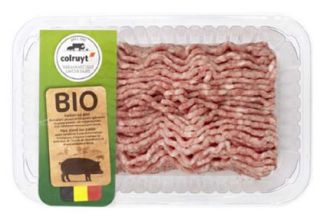
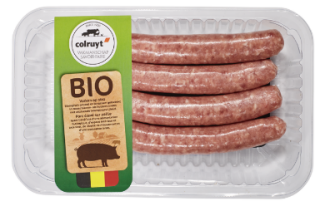
Luxembourg – UPDATE: COLRUYT BRAND ORGANIC CHIPOLATA AND ORGANIC MINCED PORK RECALL – Salmonella

SAP

Colruyt recalls the following products:

Last name Organic Chipolata
Mark Colruyt
Unit 280 g
Article number 17959
Best before date (DLC) 12/18/2020 and 12/20/2020
Sale period from 12/9/2020 to 12/17/2020 included

Colruyt recalls the following products:

Last name Organic minced pork
Mark Colruyt
Unit 400 g
Article number 17968
Best before date (DLC) 12/18/2020
Sale period from 12/9/2020 to 12/15/2020 included

Danger  : Presence of Salmonella

Salmonella can cause symptoms such as nausea, vomiting, abdominal cramps, diarrhea, fever and headache within 6 to 72 hours after consumption. These symptoms may be aggravated in young children, immunocompromised individuals and the elderly. People who have consumed these products and who present these symptoms are advised to consult a doctor, notifying him of this consumption.

RASFF Alerts -Salmonella – Chilled Chicken Meat – Chicken Elements – Cooked Unpeeled Shrimp – Chicken Carcase – Beef Trimming – Boiled Clam Meat – Chicken Minced Meat – Dried Fish Maws -Chicken Wings – Chicken Fillet -Turkey Meat -Eggs

European Food Alerts

RASFF

Salmonella enterica ser. Enteritidis (in 5 out of 5 sample /25g) in chilled chicken meat from Poland in Poland

RASFF

Salmonella (presence /25g) in chilled chicken elements from Poland in Poland

RASFF

Salmonella (presence /25g) in cooked unpeeled shrimps from the Netherlands in the Netherlands

RASFF

Salmonella enterica ser. Enteritidis (presence /25g) in chilled chicken carcass from Poland in Poland

RASFF

Salmonella enterica ser. Enteritidis (in 1 out of 5 samples /25g) in and missing identification code on frozen beef trimmings from the United Kingdom, via Belgium in the Czech Republic

RASFF

Salmonella (in 2 out of 5 samples /25g) in frozen boiled clam meat (Paratapes undulatus) from Vietnam in Portugal

RASFF

Salmonella (presence /25g) in minced chicken meat from the Netherlands in the Netherlands

RASFF

Salmonella enterica ser. Agona (presence /25g), Salmonella enterica ser. Münster (presence /25g), Salmonella enterica ser. Nyborg (presence /25g) and Salmonella enterica ser. Poona (presence /25g) in dried fish maws from the Gambia in the UK

RASFF

Salmonella enterica ser. Infantis (presence /25g) in frozen chicken wings from Poland in Italy

RASFF

Salmonella enterica ser. Infantis (presence /25g) in chilled chicken fillet from Poland in Poland

RASFF

Salmonella (presence /25g) in chilled minced turkey meat from Poland in Poland

RASFF

Salmonella enterica ser. Coeln (presence /25g) in eggs from Ukraine in Latvia

RASFF

Salmonella enterica ser. Typhimurium (presence in 1 out of 5 samples) in chilled chicken meat from France in France

RASFF

Salmonella (presence /25g) in food supplements from India in Germany

Happy Holidays After a Trying Year

christmas_card_w_wordsXMAS1

RASFF Alerts – STEC E.coli – O26 – O103 – Chilled Beef – Cow Carcasses

European Food Alerts

RASFF

shigatoxin-producing Escherichia coli (stx1+, stx2+, eae+, O26) in chilled beef from Belgium in Belgium

RASFF

shigatoxin-producing Escherichia coli (stx+; eae+, O103) in cow carcasses from Belgium in Belgium

RASFF Alert – Norovirus – Frozen Raspberries

European Food Alerts

RASFF

norovirus (GI, in 1 out of 5 samples /100g) in frozen raspberries from the Czech Republic, with raw material from Poland in Czech Republic

RASFF Alerts – Aflatoxin – Dried Figs -Pistchios – Groundnuts- Roasted and Salted Pistachios –

European Food Alerts

RASFF

aflatoxins (B1 = 143.5; Tot. = 152.3 µg/kg – ppb) in pistachios from Turkey in Germany

RASFF

aflatoxins (B1 = 25; Tot. = 26.4 µg/kg – ppb) in pistachios in shell from Turkey in Germany

RASFF

aflatoxins (B1 = 15.3; Tot. = 16.4 µg/kg – ppb) in pistachios from Turkey in Germany

RASFF

aflatoxins (B1 = 38.1; Tot. = 44.9 µg/kg – ppb) in groundnuts from Vietnam in Finland

RASFF

aflatoxins (B1 = 37.5; Tot. = 43.2 µg/kg – ppb) in pistachios in shell from Turkey in Germany

RASFF

aflatoxins (B1 = 10.3; Tot. = 24.4 µg/kg – ppb) in dried figs from Turkey in Germany

RASFF

aflatoxins (B1 = 41.7; Tot. = 50.4 / B1 = 115; Tot. = 169.2 µg/kg – ppb) in roasted and salted pistachios in shell from Turkey in Germany

RASFF

aflatoxins (B1 = 10.3; Tot. = 42.3 µg/kg – ppb) in dried figs from Turkey in Belgium

RASFF

aflatoxins (B1 = 27; Tot. = 28.8 µg/kg – ppb) in pistachios in shell from the United States in Belgium

RASFF

aflatoxins (B1 = 26.55; Tot. = 31.44 µg/kg – ppb) in dried figs from Turkey in Germany

RASFF Alerts – Listeria monocytogenes – Syrian Cheese – Goats Milk Cheese – Raw Milk Goats Cheese – Pesto

European Food Alerts

RASFF

Listeria monocytogenes (present /25g) in Syrian cheese from the Netherlands in the Netherlands

RASFF

Listeria spp in goat’s milk cheese from France in the Netherlands

RASFF

Listeria monocytogenes (<10 CFU/g) in raw milk goat’s cheese from France in France

RASFF

Listeria monocytogenes (present /25g) in pesto from Belgium in the Netherlands