E. coli O103, one of the more rare Shiga-toxin producing E. coli, sickened patients at two Victoria, British Columbia, hospitals last April. The Vancouver Island outbreak is now the subject of a study on food safety for high-risk products prepared for vulnerable populations.
Based on confirmed E. coli O103 cases reported to the Island Health infectious disease unit, whole-genome sequencing was used in the case study. The Canada Communicable Disease Report (CCDR) published the study in its January 2022 edition.
The Victoria outbreak identified six confirmed E.coli O103 cases, with 67 percent being female and a medium age of 61. All were inpatients or outpatients at the two hospitals. All consumed raw minced celery sandwiches prepared by the hospital food services.
Product recall Dr. Oetker Schoko Ausstech Cookies Opinion of the Dr. Oetker GmbH on the test report of the Innsbruck Institute for Food Safety with the order number 2112838
During a sample taken by the Innsbruck Institute for Food Safety, Vero/Shiga toxin-producing Escherichia coli were detected in the above-mentioned test object.
Although according to the Federal Institute for Risk Assessment (BfR) in its statement no. Oetker, which learned of the test results on November 26, 2021, batch L 169 from Dr. Oetker chocolate cookie cutters back. We would like to point out that E.Coli detection would only be possible in raw dough, but baked biscuits can be enjoyed without hesitation.
Item No. 1-01-870700
GTIN EVE 4000521013288 Item
description Chocolate cookie
cutter Best before 02.2023
The goods concerned were placed on the Austrian market from September 2021. He was informed immediately. To avoid health risks, consumers are asked to return the recalled goods to the point of sale where the product was purchased. The purchase price will be refunded. dr Oetker apologizes to its customers for any inconvenience caused.
The Public Health Agency of Canada (PHAC) is collaborating with provincial public health partners, the Canadian Food Inspection Agency (CFIA) and Health Canada to investigate an outbreak of E. coli O157 infections involving 2 provinces: Alberta and Saskatchewan.
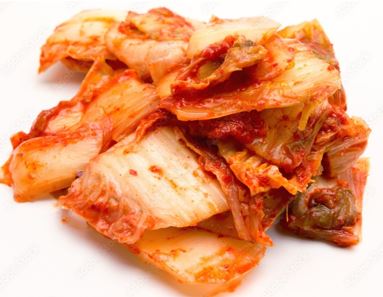
Based on the investigation findings to date, the outbreak is linked to Hankook (Korean characters only) brand Original Kimchi. Many of the individuals who were sick reported having eaten Hankook (Korean characters only) brand Original Kimchi before their illnesses occurred.
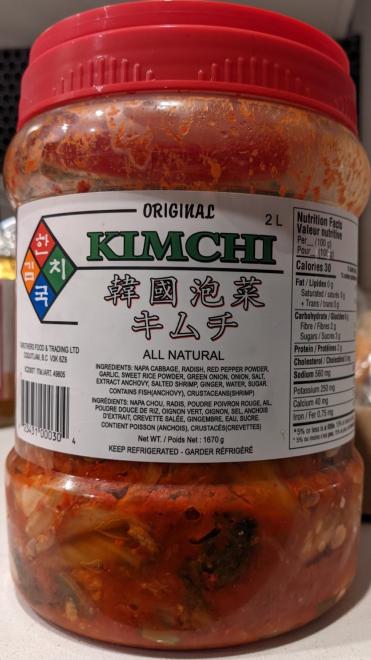
The CFIA issued a food recall warning on January 28, for Hankook (Korean characters only) brand Original Kimchi sold in 2L containers with a net weight of 1670 g, UPC code 6 23431 00030 4, and best before date January 29, 2022. The recalled product was distributed in British Columbia, Alberta, Saskatchewan, and Manitoba.
For more information on the recalled product, please consult CFIA’s website. The CFIA is continuing its food safety investigation, which may lead to the recall of other products. If other products are recalled, the CFIA will notify the public through updated food recall warnings.
Do not eat, use, sell, or serve the recalled kimchi or any products made with the recalled kimchi. This advice applies to individuals, as well as retailers, distributors, manufacturers and food service establishments such as hotels, restaurants, cafeterias, hospitals and long-term care homes, across Canada.
This public health notice will be updated as the investigation evolves.
Investigation summary
As of January 28, there have been 14 laboratory-confirmed cases of E.coli O157 illness linked to this outbreak in the following provinces: Alberta (13) and Saskatchewan (1).
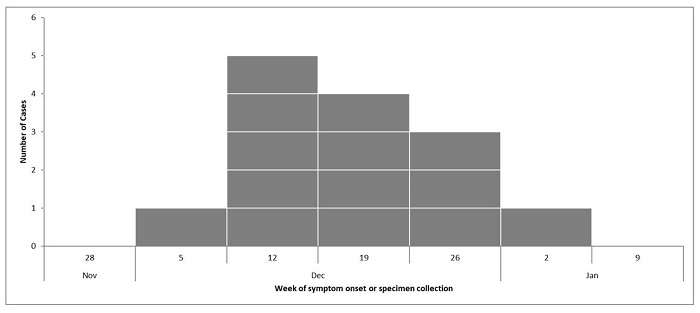
Individuals became sick between early December 2021 and early January 2022. No deaths or hospitalizations have been reported. Individuals who became ill are between 0 and 61 years of age. The majority of cases (64%) are female.
The CFIA issued a food recall warning on January 28 for certain Hankook (Korean characters only) brand Kimchi products. The recalled product wasdistributed in British Columbia, Alberta, Saskatchewan, and Manitoba.
The CFIA is continuing its food safety investigation, which may lead to the recall of other products. If other products are recalled, the CFIA will notify the public through updated food recall warnings.
Who is most at risk
E. coli O157 is more likely to cause severe illness than other strains of E. coli. Pregnant women, those with weakened immune systems, young children and older adults are most at risk for developing serious complications.
Most people who become ill from an E. coli infection will recover completely on their own. However, some people may have a more serious illness that requires hospital care or causes long-lasting health effects. In rare cases, some individuals may develop life-threatening complications, including stroke, kidney failure and seizures, which could result in death. It is possible for some people to be infected with the bacteria and to not get sick or show any symptoms, but to still be able to spread the infection to others.
What you should do to protect your health
The following advice applies to individuals, as well as retailers, distributors, manufacturers and food service establishments such as hotels, restaurants, cafeterias, hospitals and long-term care homes, across Canada:
Do not eat, use, sell or serve the recalled kimchi or any products made with the kimchi. Check to see if you have recalled food products at home. If you do, throw them out and wash your hands.
Clean and sanitize all surfaces and storage areas that recalled kimchi or any products made with the recalled kimchi may have come in contact with, including countertops, containers, utensils, freezers, and refrigerators.
If you have been diagnosed with an E. coli infection or any other gastrointestinal illness, do not cook food for other people.
Symptoms
People infected with E. coli can have a wide range of symptoms. Some do not get sick at all, though they can still spread the infection to others. Others may feel as though they have a bad case of upset stomach. In some cases, individuals become seriously ill and must be hospitalized.
The following symptoms can appear within one to ten days after contact with the bacteria:
nausea
vomiting
headache
mild fever
severe stomach cramps
watery or bloody diarrhea
Most symptoms end within five to ten days. There is no real treatment for E. coli infections, other than monitoring the illness, providing comfort, and preventing dehydration through proper hydration and nutrition. People who develop complications may need further treatment, such as dialysis for kidney failure. You should contact your health care provider if symptoms persist.
What the Government of Canada is doing
The Government of Canada is committed to protecting the health of Canadians from enteric disease outbreaks.
PHAC leads the human health investigation into an outbreak and is in regular contact with its federal, provincial and territorial partners to monitor the situation and to collaborate on steps to address an outbreak.
Health Canada provides food-related health risk assessments to determine whether the presence of a certain substance or microorganism poses a health risk to consumers.
CFIA conducts food safety investigations into the possible food source of an outbreak.
Epidemiological information
Figure 1 is an epidemiological curve for this outbreak, which shows the numbers of new cases by week. Outbreak investigators use this information to show when illnesses begin, when they peak, and when they trail off. It can take several weeks from the time a person becomes ill to when the illness is reported and testing confirms a link to the outbreak. Data are available for 14 cases.
Figure 1. Number of people infected with E. coli O157:H7
T-Brothers Food & Trading Ltd. is recalling Hankook (Korean characters only) brand Original Kimchi from the marketplace due to possible E. coli O157:H7 contamination.
The recalled product has been sold in British Columbia, Alberta, Saskatchewan and Manitoba.
What you should do
If you think you became sick from consuming a recalled product, call your doctor
Check to see if you have the recalled product in your home
Do not consume the recalled product
Recalled products should be thrown out or returned to the location where they were purchased
Food contaminated with E. coli O157:H7 may not look or smell spoiled but can still make you sick. Symptoms can include nausea, vomiting, mild to severe abdominal cramps and watery to bloody diarrhea. In severe cases of illness, some people may have seizures or strokes, need blood transfusions and kidney dialysis or live with permanent kidney damage. In severe cases of illness, people may die.
Edema disease is an often fatal enterotoxemia caused by specific strains of Shiga toxin–producing Escherichia coli (STEC) that affect primarily healthy, rapidly growing nursery pigs. Recently, outbreaks of edema disease have also emerged in France in wild boars. Analysis of STEC strains isolated from wild boars during 2013–2019 showed that they belonged to the serotype O139:H1 and were positive for both Stx2e and F18 fimbriae. However, in contrast to classical STEC O139:H1 strains circulating in pigs, they also possessed enterotoxin genes sta1 and stb, typical of enterotoxigenic E. coli. In addition, the strains contained a unique accessory genome composition and did not harbor antimicrobial-resistance genes, in contrast to domestic pig isolates. These data thus reveal that the emergence of edema disease in wild boars was caused by atypical hybrid of STEC and enterotoxigenic E. coli O139:H1, which so far has been restricted to the wildlife environment.
Summary of the less than thoroughly cooked beef burgers guidance for food businesses and local authorities.
This guidance gives advice to food businesses and local authority (LA) officers on controls and safe systems which can reduce the risks associated with less than thoroughly cooked (LTTC) beef burgers, sometimes referred to as rare, pink or lightly cooked burgers.
his document contains regulatory guidance and best practice. Regulatory guidance specifies how food business operators can comply with legislation. Best practice is not required by law.
Who is this publication for?
This guidance is for:
businesses serving LTTC beef burgers
local authority officers enforcing food hygiene official controls
it may also be of interest to manufacturers and processors of beef, minced beef and beef burgers intended to be less than thoroughly cooked
Federal officials are reporting that an outbreak of E. coli O121:H9 infections linked to romaine lettuce has ended.
Four illnesses were confirmed in the outbreak. Little other information was available from the Food and Drug Administration.
“The information collected over the course of this investigation indicated that romaine lettuce was the likely source of this outbreak; however, it appears that this outbreak is over, and there is no actionable advice for consumers,” according to FDA officials.
“FDA has been conducting a traceback investigation and other activities in an effort to learn more about possible sources or routes of contamination.”
The FDA first reported the outbreak two weeks ago but has not shared any information about patient demographics or what states are involved. The agency did not report when the first illness was reported or when the last one was logged by public health officials.
As of Jan. 26, the Centers for Disease Control and Prevention had not posted any information about the outbreak. That is generally standing procedure for the agency if a specific product is not identified.




 FoodWorld