Category Archives: Research

USA – Reports of Active Salmonella Outbreak Investigations

CDC

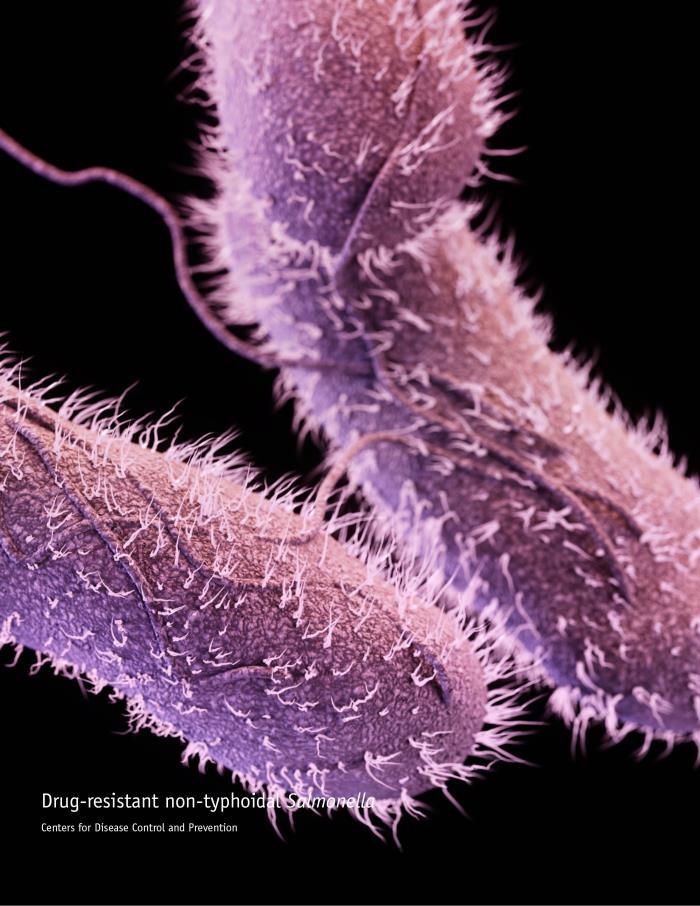
kswfoodworld Salmonella

Outbreak Investigations Linked to Food

Outbreak Investigations Linked to Animals

Other Outbreaks

UK – Report of the Independent Review of NHS Hospital Food

UK Gov

In the summer of 2019, there was an outbreak of listeriosis in which seven patients tragically died after eating hospital sandwiches contaminated with Listeria monocytogenes. Following this, the Health Secretary, Matt Hancock, announced a “root and branch” review of food served and sold in hospitals.
The scope of the review included the safety, nutrition, quality and production methods of food for patients, staff and visitors in NHS hospitals. In 2018 to 2019, the NHS spent £634 million on hospital food, representing approximately 6.7% of the total costs of running the NHS estate [10] or 0.6% of the total £114 billion 2018 to 2019 NHS budget [11]. It is the second biggest provider of meals in the UK public sector, serving 141 million inpatient meals [10] last year alone, to about 125,000 patients a day. This compares to 602 million school lunches [12] and 93 million prison meals [13].
There is a poor public perception of hospital food; and frequent critical press coverage of problems with both food that is on offer in hospitals to patients, staff and visitors, as well as wider concerns regarding food service. However, the evidence suggests that patients in NHS hospitals are satisfied, overall, with the quality of hospital food, with 22% of patients surveyed in 2019 rating the food they received as very good, and 36% rating it as good [14].
This contrasts with 39% of NHS staff, who felt that food and catering facilities offered in their workplaces were poor [15]. There is clearly scope for improvement. With a median spend of £4.56 per patient meal (including labour costs and overheads) [10], exceeding the budget of meals offered by other UK public services, the NHS should be demonstrating best practice in safely delivering nutritious, quality food to patients, and ensuring the least possible impact on our environment with best possible outcomes.
Better hospital food requires both national focus and leadership, but it is hard to deliver from the centre when power is devolved to individual trusts. We also need trusts to lead the change.
This report makes eight recommendations for system-level change. In Chapter 8 we propose that these are taken forward by an expert group with representation from across the sector and government. These apply mainly to government, NHS England and NHS Improvement, and national regulators.

Hospital food review10However, there are also actions that need to be delivered by trusts themselves. We have included a checklist for catering managers and chief executives which contains key principles of providing a good food service. We urge trust executive teams and boards to consider this list and what they can do to take their catering to the next level. We have tried not to be too prescriptive, as trusts are very diverse and what works in one place may not work in another.
However, these core principles are applicable to every type of service and should be carefully considered. Leadership engagement is key – hospital food is something that all boards we’ve engaged with really care about and are committed to. But commitment is not enough on its own – effective change needs two more things: data that gives insight for improvement, and a plan or strategy for getting the improvement done


Research – Healthcare-associated foodborne outbreaks in high-income countries: a literature review and surveillance study, 16 OECD countries, 2001 to 2019

Eurosurveillance

Yearly, 23 million foodborne disease illnesses and 5,000 deaths are estimated in the World Health Organization (WHO) European Region, and 41 foodborne Disability Adjusted Life Years (DALYs) per 100,000 population were estimated for the WHO Sub-Region EUR A in 2010 [1]. In Europe, a total of 5,146 foodborne and waterborne outbreaks, including 48,365 cases of illness and 40 deaths were reported to the European Food Safety Authority (EFSA) in 2018 [2]. Vulnerable populations, including elderly patients, immunocompromised patients, children younger than five years old and pregnant women are more susceptible to foodborne infections and are more prone to develop severe courses of disease compared with healthy people [3]. Therefore, healthcare is a setting where foodborne outbreaks (FBO) can cause considerable morbidity and mortality. In 2020, 20.6% of the European Union (EU) population was aged 65 years and older [4]. As the proportion of elderly people is projected to further increase, the share of the vulnerable population as patients in healthcare facilities (HCF) is likely to increase and thereby the risk associated with healthcare-associated foodborne outbreaks (HA-FBO). Personnel (medical and non-medical staff, food handlers etc) of HCF may also be at risk for HA-FBO and be a source of further spread in healthcare settings and elsewhere. This can cause major disruption of services [5].

So far, literature reviews have covered pathogens responsible for HA-FBO, including  [6],  [79] and norovirus [10,11] and focused on microbiological food safety issues in healthcare settings [5,12]. Between 2014 and 2019, a listeriosis outbreak in Germany affected 13 cases who had an inpatient stay in 12 different HCF during the incubation period [13]. In the United Kingdom (UK) in 2019, nine listeriosis cases of which seven died, had consumed sandwiches in seven HCF during the incubation period [14].

We conducted a literature review to describe the causative agents including bacteria, viruses, parasites and fungi, the incriminated food vehicles and other outbreak characteristics of HA-FBO in 37 countries that are members of the Organisation for Economic Cooperation and Development (OECD) [15]. Furthermore, we analysed German surveillance data and data from the EFSA on HA-FBO. The aim of this article is to describe the current status of HA-FBO in order to improve surveillance and provide public health recommendations for prevention.

Research – SALMONELLA ENTERITIDIS AND TYPHIMURIUM: TWO MAJOR SEROTYPES RESPONSIBLE FOR HUMAN INFECTIONS

Biomerieux

kswfoodworld salmonella

Salmonella enterica is a leading worldwide cause of foodborne human illnesses (WHO, 2015).

Salmonella isolates can be differentiated into serotypes according to the Kauffmann-White classification based on their flagellar (H) and somatic antigens (Grimont P. & Weill FX, 2007) or using genome-based serotyping approaches (Banerji S. et al ., 2020 ).

Among the> 2500 referenced serotypes (Ibrahim GM and Morin PM, 2018), Enteritidis and Typhimurium have proven to be both consistent contaminants along the food chain but more importantly as prominent isolates from diseases in humans (EFSA & ECDC, 2021).

These two serotypes are indeed particularly adapted to hostile environments such as farm animals or food industries’ environments and ultimately, human bodies. Their chromosomal or plasmid-borne virulence and regulatory factors often associated to antimicrobial resistance determinants (Cadel-six S. et al ., 2021) confer upon them striking fitness for survival and spread (Chen RA et al., 2019; Huang X. et al. al ., 2019; Guillén, S. et al ., 2021).

UK – Non-typhoidal Salmonella data 2010 to 2019August 2021National laboratory and outbreak data for residents of England

UK Gov

Food Poisoning Salmonella


The main points of the 2019 report are:

  • the number of reported Salmonella cases in England decreased from 8,838 cases in 2018 to 8,398 cases in 2019, an decrease of 440 cases
  • from 2018 to 2019 there was an decrease in reports of Salmonella Enteritidis from 2,589 to 2,514 and a decrease in reports of Salmonella Typhimurium from 1,913 to 1,568 reported cases
  • the region that reported the highest number of Salmonella laboratory reports was London with 1,667 reports
  • the age group with the largest number of laboratory reports was children below the age of 10
  • October was the peak month for Salmonella reporting in 2019

Food Outbreaks in 2019

Salmonella Typhimurium – Rice

Salmonella Enteritidis – Eggs

Salmonella Mikawasima – Unknown

Salmonella Enteritidis – Mixed food

Salmonella Enterica -Unknown

Salmonella Bredeney- Pork meat

Salmonella Agona – Unknown

Salmonella Enteritidis – Eggs

Salmonella Enteritidis – Unknown

Salmonella Indiana – Chicken

Salmonella Enteritidis – Eggs

Salmonella Agona – Unknown

Salmonella Typhimurium – Lamb

Salmonella Enteritidis – Eggs

Salmonella Enteritidis – Eggs

Research – The Persistence of Bacterial Pathogens in Surface Water and Its Impact on Global Food Safety

MDPI

Water is vital to agriculture. It is essential that the water used for the production of fresh produce commodities be safe. Microbial pathogens are able to survive for extended periods of time in water. It is critical to understand their biology and ecology in this ecosystem in order to develop better mitigation strategies for farmers who grow these food crops. In this review the prevalence, persistence and ecology of four major foodborne pathogens, Shiga toxin-producing Escherichia coli (STEC), SalmonellaCampylobacter and closely related Arcobacter, and Listeria monocytogenes, in water are discussed. These pathogens have been linked to fresh produce outbreaks, some with devastating consequences, where, in a few cases, the contamination event has been traced to water used for crop production or post-harvest activities. In addition, antimicrobial resistance, methods improvements, including the role of genomics in aiding in the understanding of these pathogens, are discussed. Finally, global initiatives to improve our knowledge base of these pathogens around the world are touched upon.

Research – New Trends in Photodynamic Inactivation (PDI) Combating Biofilms in the Food Industry—A Review

MDPI

Biofilms cause problems in the food industry due to their persistence and incompetent hygiene processing technologies. Interest in photodynamic inactivation (PDI) for combating biofilms has increased in recent years. This technique can induce microbial cell death, reduce cell attachment, ruin biofilm biomolecules and eradicate structured biofilms without inducing microbial resistance. This review addresses microbial challenges posed by biofilms in food environments and highlights the advantages of PDI in preventing and eradicating microbial biofilm communities. Current findings of the antibiofilm efficiencies of this technique are summarized. Additionally, emphasis is given to its potential mechanisms and factors capable of influencing biofilm communities, as well as promising hurdle strategies.

Research – Biofilms bring safety challenges to food companies

Food Safety News

In the first installment of this series with Sterilex, Food Safety News explores what biofilms are and their unique resistance to attempts to kill the pathogens they protect.

Food processors and manufacturers know the environments in which they operate are friendly to organisms that can taint their products, potentially leading to foodborne illness outbreaks.

Food safety plans and specific good manufacturing processes outlined in those documents are designed to combat common pathogens — including strains of Listeria, Salmonella and E. coli — that could lead to recalls or outbreaks.

Whether or not food safety plans specifically mention “biofilms,” in many cases they are the root cause of contamination in food facilities. Approximately 60 percent of foodborne illness outbreaks are caused by biofilms, according to food safety research.

Research – An assessment of the microbiological quality and safety of unpasteurised milk cheese for sale in England during 2019 – 2020

Journal of Food Protection

Cheese made with unpasteurised milk has been associated with outbreaks of illness. However, there are limited data on the prevalence of shiga-toxin producing E. coli (STEC) in these products, and a lack of clarity over the significance of E. coli as general indicators of hygiene in raw milk cheeses. The aim of this study was to provide further data to address both of these issues as well as assessing the overall microbiological quality of raw milk cheeses available to consumers in England. A total of 629 samples of cheese were collected from retailers, catering premises and manufacturers throughout England. The majority (80%) were made using cow’s milk with 14% made from sheep’s milk and 5% from goat’s milk. Samples were from 18 different countries of origin, with the majority originating from either the UK (40%) or France (35%). When interpreted against EU microbiological criteria and UK guidance, 82% were considered to be of satisfactory microbiological quality, 5% were borderline and 12% were unsatisfactory. Four samples (0.6%) were potentially injurious to health due to the isolation of STEC from one, >10 4 cfu/g of coagulase positive staphylococci in two and >100 cfu/g of Listeria monocytogenes in the fourth sample. Indicator E. coli and Listeria species were detected more frequently in soft compared to hard cheese. Higher levels of indicator E. coli were significantly associated with a greater likelihood of detecting shiga toxin genes ( stx 1 and/or stx 2).

Research- Estimation of the Impact of Foodborne Salmonellosis on Consumer Well-Being in Hungary

MDPI

In Hungary, salmonellosis is one of the most frequent foodborne illnesses. According to our estimation, based on a representative consumer survey with 1001 respondents, the annual number of salmonellosis cases exceeded 90,000, which was 18 times higher than the officially reported data. Salmonellosis infections impose significant direct and indirect costs to the health care system, to companies (as employers) and to households. This study focused on the cost to households by analysing well-being losses due to Salmonella infections, for which the WTP (willingness-to-pay) method was used. WTP measures the cost that an individual would pay to avoid an undesirable harm or health outcome. For estimating WTP, 456 respondents gave quantifiable answers. The average WTP to avoid salmonellosis was 86.3 EUR. Based on this data, the total consumer well-being loss could be estimated to be about 7.87 million EUR per year in Hungary. These results indicate that consumers’ well-being losses alone would necessitate further interventions for Salmonella reduction.