Category Archives: Food Toxin

Austria – Darbo low-calorie jam strawberry – Mould/Mold

AGES

Food recall

Darbo low-calorie jam strawberry
Recall reason Mold growth
Manufacturer A. Darbo AG
Expiry Date 09/15/2023
Batch number L 258 1

Public product recall of a batch of Darbo low-calorie jam strawberry

A. Darbo AG attaches great importance to the quality and safety of its products. During ongoing internal quality controls, slight mold growth was found on the surface of some jars of the Darbo Calorie Reduced Strawberry Jam 220 g. For reasons of precautionary consumer protection, the product is therefore being recalled and not consumed because it may be harmful to health.

The following product is affected by the recall:

Darbo low-calorie jam strawberry 220 g (article number 9001432035883) with the best before date 15.09.2023 and the batch number / lot number L 258 1.

This batch information is printed on the edge of the lid as follows: Best before September 15, 2023 L 258 1

The product that has now been recalled was manufactured by A. Darbo AG and placed on the market from September 20, 2021 .

The product can also be returned (in all branches) without proof of purchase. The purchase price will be refunded.

Other Darbo products and other production batches of Darbo Reduced Calorie Jam Strawberry are not affected.

A. Darbo AG regrets the incident and apologizes for the inconvenience.
Original broadcast

Belgium – “Sankhal” (millet couscous) from the La Vivière brand – Aflatoxin

AFSCA

AFSCA recall
Product: “Sankhal” (millet couscous) from the La Vivière brand.
Problem: too high aflatoxin content.

Following a notification via the RASFF system (European Food and Feed rapid alert system), the AFSCA is withdrawing from sale the product “Sankhal” (millet couscous) of the La Vivière brand and is recalling it to consumers because too high aflatoxin content.

The AFSCA asks not to consume this product and to bring it back to the point of sale where it was purchased.

Product Description

• Product name: “Sankhal” (millet couscous)
• Brand: La Vivière
• Lot: L21-08067
• Expiry date (DDM): 06/30/2023
• Weight: 400g

This product was sold in Belgium via various general food stores including:

Bilal and Laiba Sprl., Boulevard Paul Janson 10, 6000 CHARLEROI
Fezan Voeding, leemput str. 14, 8000 BRUGGE

For any further information, you can contact the AFSCA contact point for consumers: 0800 / 13.550 or pointdecontact@afsca.be .

New Zealand – Public health warning about shellfish in Banks Peninsula, Canterbury – Biotoxin – DSP

MPI

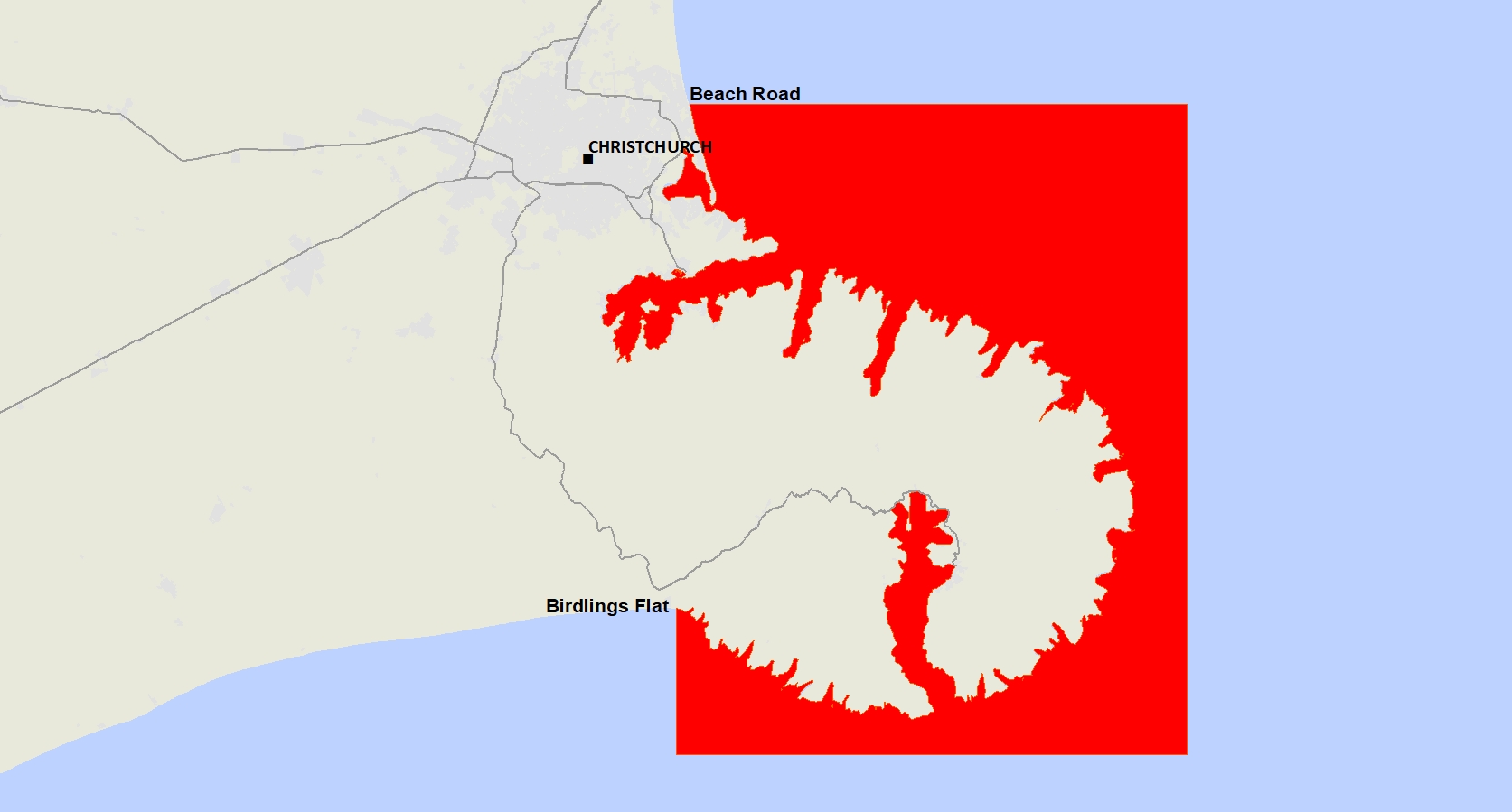
The Ministry for Primary Industries (MPI) today extended a public health warning against collecting shellfish from the entire Banks Peninsula in Canterbury following further test results. Diarrhetic shellfish toxins in shellfish have been found at levels nearly 3 times over the safe limit of 0.16 mg/kg set by MPI. Anyone eating shellfish from this area is potentially at risk of illness.

Another warning remains in place for Grove Arm in the Marlborough Sounds.

Ongoing testing will continue and any changes will be communicated accordingly. Commercial shellfish aquaculture farms in the affected area have already ceased harvesting due to rainfall closures and there are no concerns regarding recently harvested product.

Mussels, oysters, tuatua, pipi, toheroa, cockles, scallops, catseyes, kina (sea urchin) and all other bivalve shellfish should not be eaten.

Note, cooking shellfish does not remove the toxin.

Pāua, crab and crayfish may still be eaten if the gut has been completely removed prior to cooking, as toxins accumulate in the gut. If the gut is not removed its contents could contaminate the meat during the cooking process.

Symptoms typically appear within half an hour of ingestion and last for about 24 hours. Symptoms may include:

  • diarrhoea
  • vomiting
  • nausea
  • abdominal cramps

If anyone becomes ill after eating shellfish from an area where a public health warning has been issued, freephone Healthline for advice on 0800 61 11 16, or seek medical attention immediately. You are also advised to contact your nearest public health unit and keep any leftover shellfish in case it can be tested.

Commercially harvested shellfish – sold in shops and supermarkets, or exported – is subject to strict water and flesh monitoring programmes by MPI to ensure they are safe to eat. There is no commercial harvesting of shellfish in the affected area.

Denmark – Mold/Mould growth in Pågen Vanillas

DVFA

Pågen Denmark is recalling Pågen Vanillas as there is a risk of mold growth in the product.

Recalled Foods , Published: December 16, 2021

Modified December 16, 2021
What foods:
Pågen Vanillas ( see photo )
Least durable: all dates from 15.12-2021 up to and including 17.01.2022
EAN barcode: 7311070006230
Sold in:
Salling Group stores nationwide
Coop stores across the country
Dagrofa stores across the country
REMA 1000 stores nationwide
Aldi stores across the country
Intervare
Company recalling:
Pågen Denmark
Cause:
The company has found that there is a risk of mold growth in the product.
Risk:
mold growth makes the product unsuitable as food.
Advice for consumers:
The Danish Veterinary and Food Administration advises consumers to deliver the product back to the store where it was purchased or to discard it.

RASFF Alert – STEC E.coli – Raw Milk Cheese

RASFF

Shigatoxin-producing Escherichia coli (O26 H11 stx, eae+ /25g) in raw milk cheese from France in Belgium, Austria, France, Germany, Macao, UAE and Hong Kong

RASFF Alerts – Ochratoxin A – Dried Figs – Fruit Oat bar

RASFF

Ochratoxin A in dried figs from Greece in Germany and the Czech Republic

RASFF

Ochratoxin A in children’s fruit-oat bar from UK in Finland

RASFF Alert – Mycotoxins – Fumonsins – Maize Flour

RASFF

Fumonisins in maize flour from Portugal in Luxembourg

RASFF Alerts – Aflatoxins – Basmati Rice – Hazelnuts – Dried Figs – Millet Couscous – Peanuts – Groundnuts – Rice

RASFF

Aflatoxin B1 in basmati rice of unknown origin, via the Netherlands in Germany

RASFF

Aflatoxins in hazelnuts from Azerbaijan, via Slovakia in Germany and Slovakia

RASFF

Aflatoxins in dried figs from Turkey in Sweden

RASFF

Aflatoxin in Millet Couscous from Senegal in Belgium, France , Germany, Netherlands and Spain

RASFF

Aflatoxins in peanuts from Argentina in Poland and Spain

RASFF

Aflatoxins (B1 = 170; Tot. = 240 / B1 = 140; Tot. = 180 µg/kg – ppb) in organic groundnut kernels from Bolivia in the Netherlands and Spain

RASFF

Aflatoxins in rice from Sri Lanka in Switzerland

RASFF

Aflatoxin in hazelnut kernel from Georgia in Bulgaria

RASFF

Alto contenuto di aflatossine in fichi secchi dalla Turchia//High aflatoxin content in dried figs from Turkey in Italy


Information – How to Report Seafood-Related Toxin and Scombrotoxin Fish Poisoning Illnesses

FDA

To help FDA effectively investigate, remove unsafe seafood products from the market, and develop new prevention strategies, the FDA relies on illness reporting from public health officials and healthcare providers. While most foodborne outbreaks are tracked through the FDA’s Coordinated Outbreak Response and Evaluation (CORE) network, seafood-related illnesses caused by natural toxins have a unique reporting mechanism. This web page provides information on commonly occurring seafood-related illnesses and how to report them to the FDA.  To report an illness from raw bivalve molluscan shellfish, email the FDA at shellfishepi@fda.hhs.gov.

The FDA receives reports of illnesses associated with the consumption of specific types of fish. These illnesses may originate from the activity of certain bacteria, toxins produced by marine algae, or hazards inherent in the fish.

Commonly occurring illness:

Illness and reporting information for the commonly occurring illnesses are provided in each section. Contact the FDA with any questions or need for clarification of the illness or reporting.

In addition to the illnesses listed above, reporting of other less frequently occurring illnesses from natural toxins may be accomplished by emailing the FDA at Seafood.Illness@fda.hhs.gov.  Refer to Chapter 6 of the “Fish and Fishery Products Hazards and Controls Guidance” for a comprehensive list of natural toxin illnesses. To report illnesses related to miscellaneous natural toxin illnesses, please email FDA at Seafood.Illness@fda.hhs.gov.

The FDA works with first responders, physicians, and state and local health departments to investigate illnesses and outbreaks, manage them, and learn how to lessen future occurrences.

New Zealand – Shellfish Biotoxin Alert – Diarrhetic Shellfish Poisoning (DSP)

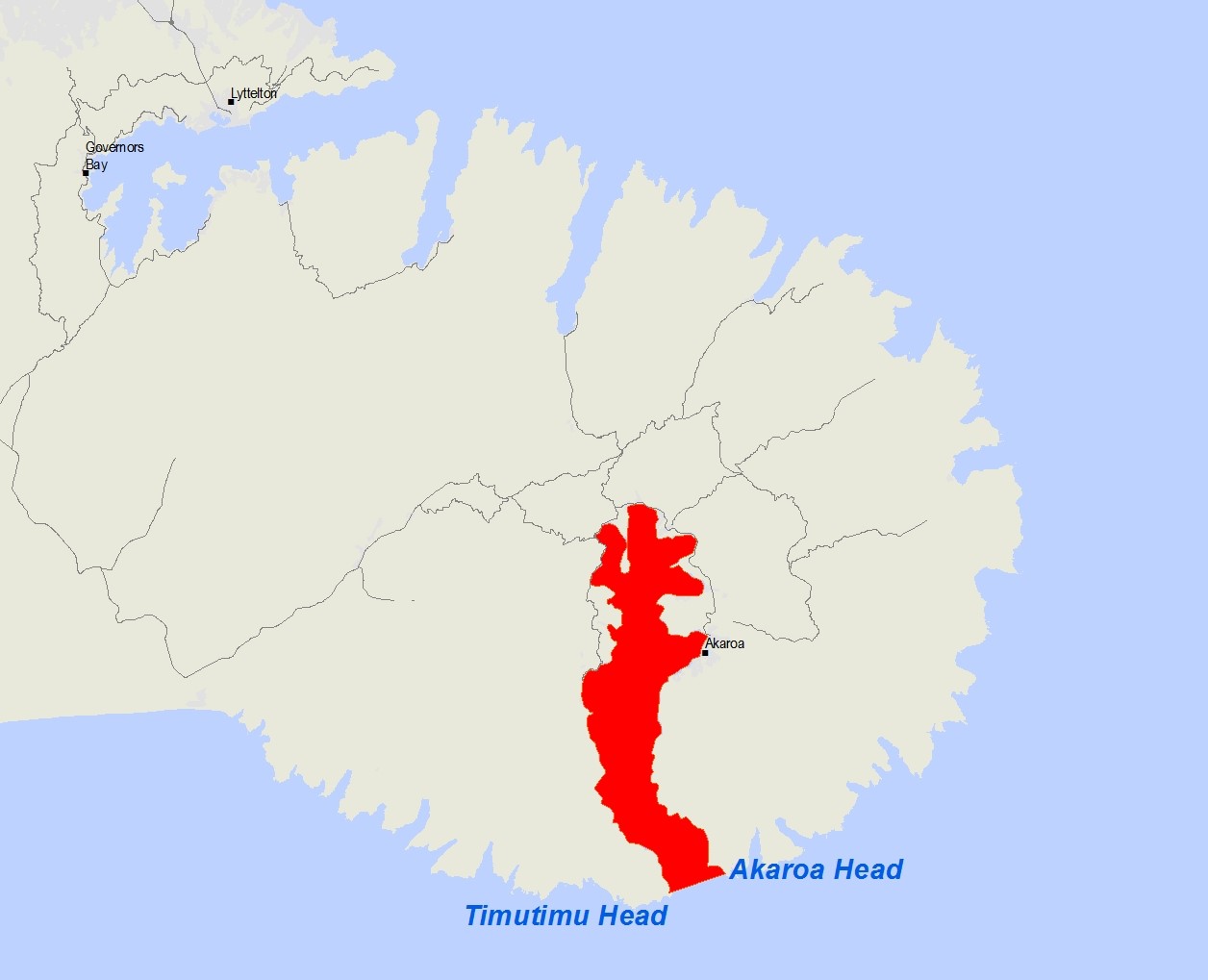
Akaroa, Canterbury

Marlborough Sounds
Reason for alert Diarrhetic Shellfish Poisoning (DSP)

Check the symptoms of DSP

Date warning issued 15 December 2021

Media release: Public health warning about shellfish in Akaroa Harbour, Canterbury

Affected area The entire Akaroa Harbour, extending to the outer heads.
Shellfish affected Mussels, oysters, tuatua, pipi, toheroa, cockles, scallops, catseyes, kina (sea urchin) and all other bivalve shellfish.

Note, cooking shellfish does not remove the toxin.

Pāua, crab, and crayfish may still be eaten if the gut has been completely removed prior to cooking, as toxins accumulate in the gut. If the gut is not removed its contents could contaminate the meat during the cooking process.

Symptoms Symptoms typically appear within half an hour of ingestion and last for about 24 hours and may include:

  • diarrhoea
  • vomiting
  • nausea
  • abdominal cramps
Other information Diarrhetic Shellfish Toxins have been detected in shellfish at levels above the safe limit of 0.16mg/kg set by MPI. Ongoing testing will continue and any changes will be communicated accordingly.

Map of the affected area in Akaroa Harbour in Canterbury.

Public warnings about toxic shellfish

We test shellfish and seawater for toxic algae every week from popular shellfish gathering areas around New Zealand. If the shellfish are not safe to eat, we issue public health warnings and put up signs at affected beaches.