Category Archives: Food Toxin

Norway – Foodtrade AS and Sunrise Food AS recall Brazil nuts from Bolivia – Aflatoxin

Matportalen

Peanuts

Foodtrade AS is recalling Brazil nuts in 1 kg bags of the brand «The nut mixer Brazil nuts», in addition to Brazil nuts sold in bulk at fruit and vegetable stores across the country. The products are sold in the stores of Nøtteblanderen. The reason is that the nuts contain aflatoxin above the permitted limit value. Aflatoxin is a harmful toxin from molds.

About 300 bags of nuts from Foodtrade AS have been sold in Nøtteblanderen’s stores in Oslo, Bergen, Stavanger, Ålesund and Kristiansand in the period April-June 2022.

The nut mixer reports that the remaining products have been withdrawn and are no longer available in their stores.

The nut mixer asks customers who have purchased this product to return it to the store where it was purchased, or throw it in residual waste.

A total of 21 cartons of Brazil nuts from Sunrise AS have been sold in bulk in fruit and vegetable shops across the country. Consumers who have purchased the Brazil nuts after 2 May 2022 are asked to either contact the store where the product was purchased or throw it away.

The mold aflatoxin has been detected in a batch of Brazil nuts from Bolivia. Aflatoxins are carcinogenic and can damage the genetic material (DNA) after high intake over a long period of time. The amount of aflatoxin in these nuts is above the permitted limit value, and the products are therefore considered to be unsafe. 

The withdrawal applies to the following item:

  • Product name: The nut mixer Brazil nuts
  • Name of the company that recalls the goods: FoodTrade AS
  • Shop: The nut mixer (Oslo, Bergen, Stavanger, Ålesund and Kristiansand)
  • Lot no .: FT01L0012204BI
  • Best before date: 04/12/23
  • Net weight: 1 kg
  • Importer: FoodTrade AS
  • Country of origin: Bolivia
  • Product name: «Brazil nuts» – sold in bulk in store, delivered in cartons of 20 kg, marked P641332 / Implot: 220422
  • Name of the company that recalls the goods: Sunrise Food AS
  • Shop: fruit and vegetable shops all over the country
  • Sales period: from and including 3 May 2022 until 15 June 2022
  • Importer: Sunrise Food AS
  • Country of origin: Bolivia

Hong Kong- Food Safety Focus – Histamine in Fish and Fish Products

CFS

 Histamine in Fish and Fish Products

Reported by Mr. Kenneth Yung, Research Officer,
Risk Assessment Section, Centre for Food Safety

Fish is an important part of many types of cuisine that we savour.  However, the consumption of fish and fish products containing high level of histamine may cause scombrotoxin fish poisoning (SFP), also called histamine poisoning.  In Hong Kong, the Centre for Health Protection of the Department of Health recorded a total of 26 local SFP cases, affecting 45 persons from 2009 to 2018.  In this article, we discuss how histamine is formed and the ways to control level of histamine in fish and fish products..
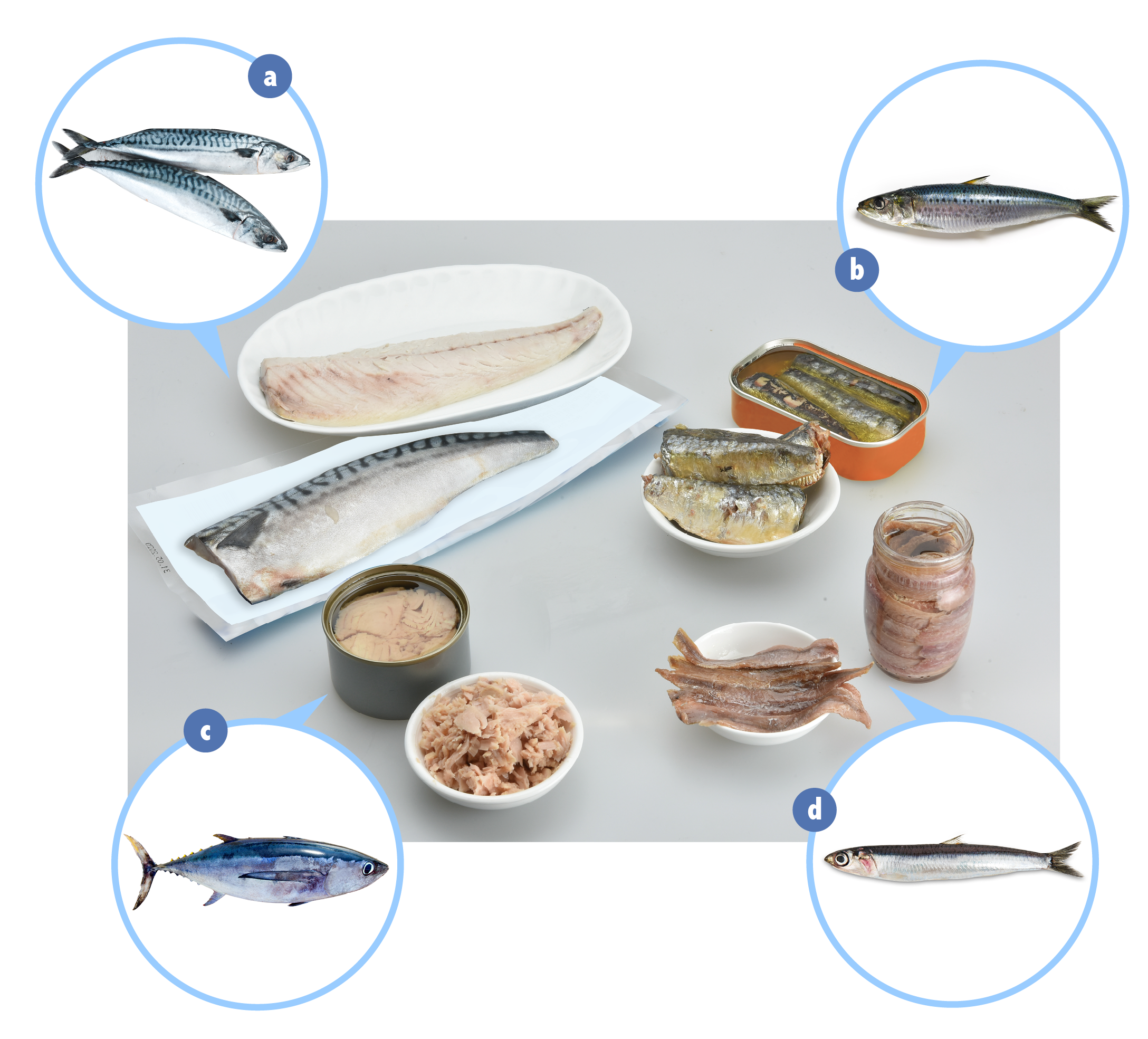
Examples of fish which contain elevated levels of naturally

Examples of fish which contain elevated levels of naturally occurring histidine: (a) mackerel, (b) sardine, (c) tuna and (d) anchovy.  Some of their respective products have also been found to contain high levels of histamine.

Formation of Histamine in Fish and Fish Products

Histamine is a toxic metabolite produced by histamine-producing bacteria during spoilage and fermentation of fish and fish products.  Many histamine-producing bacteria are part of the natural microflora of the skin, gills and gut of freshly caught fish.  Histidine decarboxylase (HDC) enzymes, synthesized by histamine-producing bacteria when they multiply, convert the amino acid histidine that are naturally present in fish into histamine.

The level of histamine in fish and fish products mainly depends on species of fish and time-temperature control. Certain fishes like mackerel, sardine, tuna and anchovy naturally contain high amount of histidine and have been associated with SFP cases in Hong Kong and/or other places.

Time and temperature control is the most effective method for ensuring food safety for fish species prone to histamine production.  In the absence of proper time-temperature control such as refrigeration and freezing, formation of histamine may occur at any point throughout the supply chain.  Previous study conducted jointly by the Food and Environmental Hygiene Department and the Consumer Council revealed that high levels of histamine (up to 2600 mg/kg) that can cause SFP were detected in opened canned fish samples that were left at room temperature for 24 hours.  However, histamine was not detected in samples that were kept at 2°C for up to 168 hours.

Health Effects of Histamine

SFP is caused by the ingestion of food containing high levels of histamine i.e. consuming a serving size of 250g fish or fish product with histamine level exceeding 200 mg/kg may cause symptoms in healthy individuals.  Symptoms of SFP include tingling and burning sensation around the mouth, facial flushing and sweating, nausea, vomiting, headache, palpitations, dizziness and rash.  Exacerbation of asthma and more serious cardiac manifestations were reported in more severe cases.  The onset of symptoms is within a few hours after consumption and these symptoms will normally disappear in 12 hours without long term effect.

Control of Histamine in Fish and Fish Products

High levels of histamine can build up in fish and fish products before any signs of spoilage (e.g. bad smell or taste) develop.  Therefore, measures for control of histamine should be taken along the food chain from harvest to consumption.

Care should be taken that the cold chain is maintained at or below 4°C along the supply chain, including points of transfer such as offloading of fish from the vessel and processing procedures.  Frozen fish and fish products should be kept at or below -18°C.  Transport vehicles or vessels should be adequately equipped to keep fish cold and pre-chilled before loading fish where applicable.  Adequate heat treatment (e.g. cooking, hot smoking) can kill histamine-producing bacteria and inactivate HDC enzymes, but cannot destroy pre-formed histamine.  Recommendations in the Code of Practice for Fish and Fishery Products (CAC/RCP 52-2003), issued by Codex Alimentarius Commission, should be observed to ensure food safety.
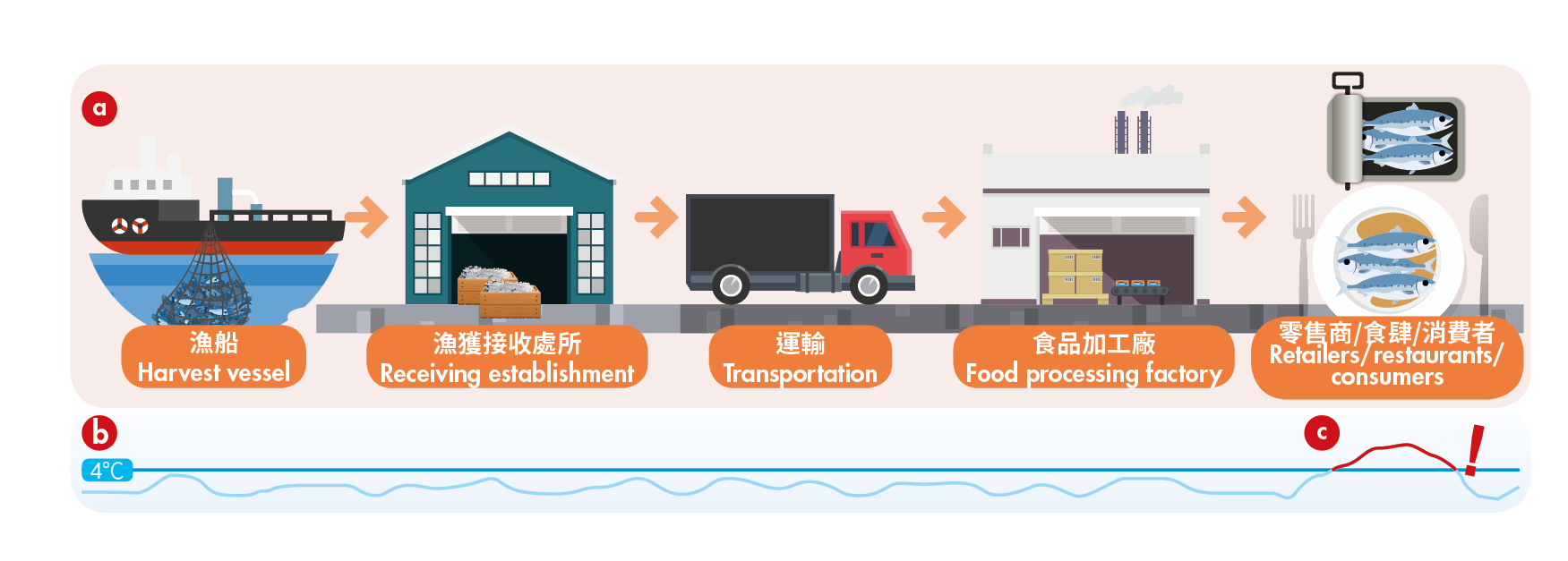
Food chain from harvest to consumption

(a) Cold chain should be maintained throughout the whole supply chain. (b) Refrigerated fish and fish products should be kept at or below 4°C. (c) The time which fish products are kept under ambient temperature should be minimised.

At the consumer level, fish should be chilled rapidly after purchase.  For prepackaged fish and fish products, store according to the instructions of the manufacturer (e.g. keep refrigerated). If cooked fish and ready-to-eat fish products (e.g. tuna fish sandwiches and opened canned fish) are placed at room temperature all day long, they can be re-contaminated and histamine can form.  Therefore, if these foods are not being eaten immediately, they should be kept under refrigeration and be finished as soon as possible.

USA – Built Brands Voluntarily Recalls “Banana Cream Pie Puffs” Protein Bar Because of a Possible Health Risk – E.coli

FDA

“Built Bar Puffs”

Summary

Company Announcement Date:
FDA Publish Date:
Product Type:
Food & Beverages
Reason for Announcement:
Potential Pathogenic E. Coli
Company Name:
Built Brands, LLC
Brand Name:
Built
Product Description:
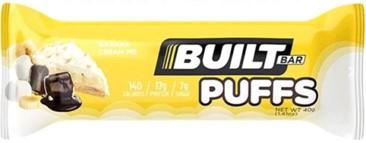
Protein Bar – Banana Cream Pie Puffs

Company Announcement

Built Brands, LLC. of American Fork, UT, is recalling 4,196 individual bars of its “Banana Cream Pie Puffs” protein bar because they have the potential to be contaminated with pathogenic Escherichia coli. Although the exact strain has yet to be determined customers must not eat this product as it may pose a serious health risk. Pathogenic Escherichia coli can cause diarrhea, severe stomach cramps and vomiting. Most people recover within a week, but some illnesses can last longer and can be more severe.

The recalled product was distributed nationwide to 1,049 potential customers through mail orders, and would have been received by customers after June 6, 2022.

The product comes in a 40 gram package marked with lot # D22151011 on the outside of the wrapper.

No illnesses have been reported to date in connection with this recall.

The potential for contamination was noted after routine testing conducted by an accredited third-party laboratory at the request of Built Brands detected the presence of Escherichia coli.

Testing results for additional products made by Built Brands indicate other similar products are not affected and the contamination was an isolated incident, likely resulting from a failure to follow GMP practices.

Consumers who have purchased the product in question are urged to contact the company at questions@built.com for a full refund or replacement. Consumers with questions may also contact the company at questions@built.com or by phone at 1-801- 845-2991 between 8:00 am – 5:00 pm, Monday-Friday, MST.


Company Contact Information

Consumers:
Built Brands, LLC
 1-801-845-2991
 questions@built.com

Namibia – Namibia closes oyster production areas, bans sale and consumption on harmful bacteria – Vibrio parahaemolyticus

China Org

WINDHOEK, June 14 (Xinhua) — Namibia has closed down the Walvis Bay Aquapark 4 production area for oyster harvesting as well as banning the sale and consumption of raw oysters after detecting Vibrio Parahaemolyticus bacteria, a food-borne pathogen that causes diarrhoea, officials said in a statement Tuesday.

According to Deputy Director of Aquaculture, Johannes Hamukwaya, it is potentially unsafe to consume oysters from Aquapark 4 until further notice.

“The symptoms of vibrio poisoning are acute dysentery and abdominal pain, accompanied by diarrhoea, nausea, vomiting, fever, chills and water-like stools. When any of these symptoms appear, seek immediate medical assistance,” he said.

According to information from the fisheries ministry, oysters have been produced commercially in Namibia since the late 1980s when commercial oyster farms were established while much of Namibia’s oysters are exported to Europe, South Africa and Asia, where Hong Kong and China are the most important importers and consumers of Namibian oysters.

Namibian oysters can range in size from 30 grams (cocktail oysters) to 150 grams (full maturity). Enditem

USA – New E. coli O157:H7 Outbreak Added to FDA CORE Investigation Table

Food Poisoning Bulletin

A new E. coli O157:H7 outbreak has been added to the FDA’s CORE Outbreak Investigation Table. At least 10 people are sick. We do not know the states where the ill persons live, their age range, illness onset dates, or if anyone has been hospitalized. Traceback has been initiated, but no recall has been issued, there has been no on-site inspection or sample collection, and no analysis of any product has started. This new E. coli O157:H7 outbreak is probably associated with an FDA-regulated food.

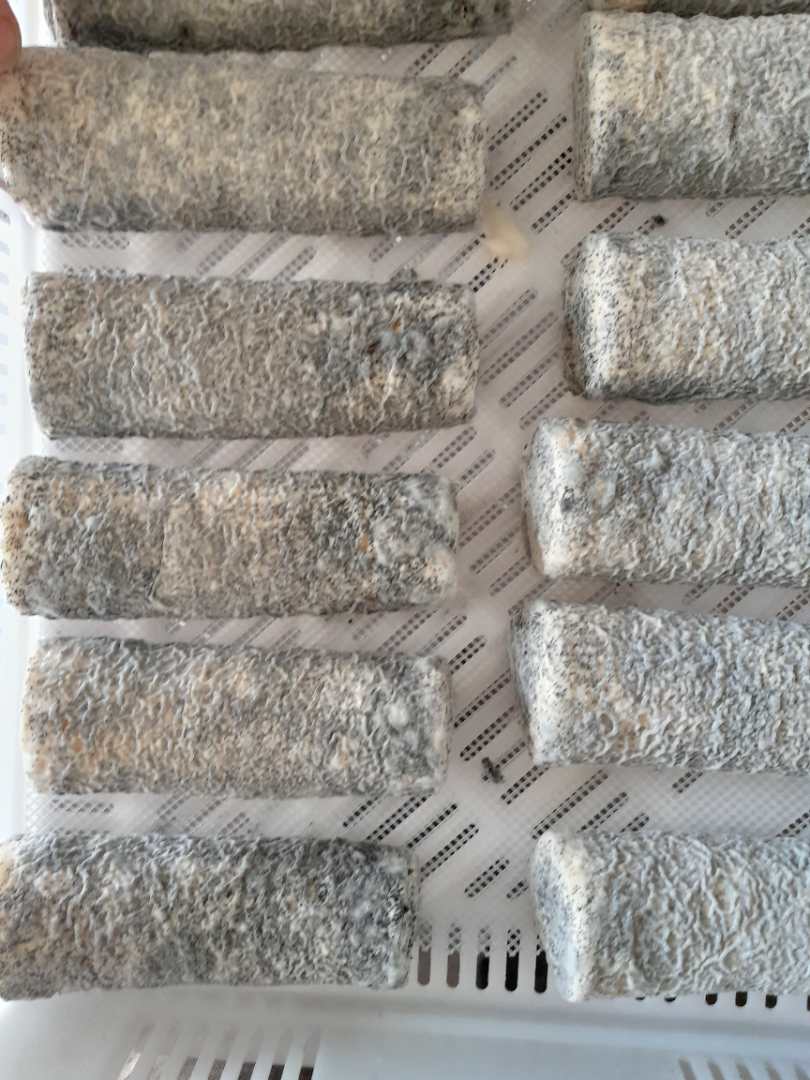
France – Raw milk goat cheese – STEC E.coli O103

Gov france

Identification information of the recalled product

  • Product category Feed
  • Product subcategory Milk and dairy products
  • Product brand name Gaec of the barony
  • Model names or references Round logs
  • Identification of products
    Batch
    Batches produced from 25/05/22 to 8/06/22
  • Marketing start/end date From 25/05/2022 to 08/06/2022
  • Storage temperature Product to be stored at room temperature
  • Geographic area of ​​sale On the farm and in the markets
  • Distributors At the farm and in the markets of Martizay Preuilly Azay le ferron

Practical information regarding the recall

  • Reason for recall Possible presence of e.coli.STEC103
  • Risks incurred by the consumer Toxigenic Shiga Escherichia coli (STEC)

RASFF Alert – Histamine – Tuna in Sunflower Oil

RASFF

Histamine in canned tuna in sunflower oil from Spain in Andorra

RASFF Alerts – Aflatoxin – Pistachios – Shelled Peanuts

RASFF

High content of aflatoxins in shelled pistachios from Iran in Italy

RASFF

Aflatoxins in shelled peanut from Egypt in Italy

Israel – Nahala Spices Brand Ground Nutmeg -Aflatoxin

GovIL

Subhi Nahala & Sons Ltd recalls Nahala Spices Brand Ground Nutmeg (100g; all expiration dates up to and including 13/04/23) due to elevated levels of aflatoxin.

Belgium – Roasted peanuts without skin – Aflatoxin B1

AFSCA

FASFC recall
Product: “Gegrillte Erdnuss ohne Haut” (Roasted peanuts without skin) from the Double Panda brand.
Problem: too high aflatoxin B1 content.


The FASFC is today recalling consumers of the product “Gegrillte Erdnuss ohne Haut” (Roasted peanuts without skin) of the Double Panda brand.

This recall follows a notification via the RASFF system (European Food and Feed Rapid Alert System), concerning an excessively high level of aflatoxin B1.

It has therefore been decided to withdraw this product from sale and to recall it from consumers.

Product Description :

– Product name: Gegrillte Erdnuss ohne Haut
– Brand: Double Panda
– Barcode: 8936147336011
– Expiration date (BDD): 05/20/2023
– Weight: 400g
– Nature of packaging: plastic packaging

This product was sold via:

RaanAsia bvba Oostendse Steenweg 135 8000 Brugge
DU Tu Phuong 6, Rue Auguste Orts 1000 Brussels
THAI STORE Rue de Gembloux(SS) 378 5002 Namur
TINIE’S SPRL 32 Place Eugene 1050 Ixelles

For any additional information, you can contact the contact point of the FASFC for consumers: 0800/13.550 or pointdecontact@afsca.be .