Category Archives: Food Toxin

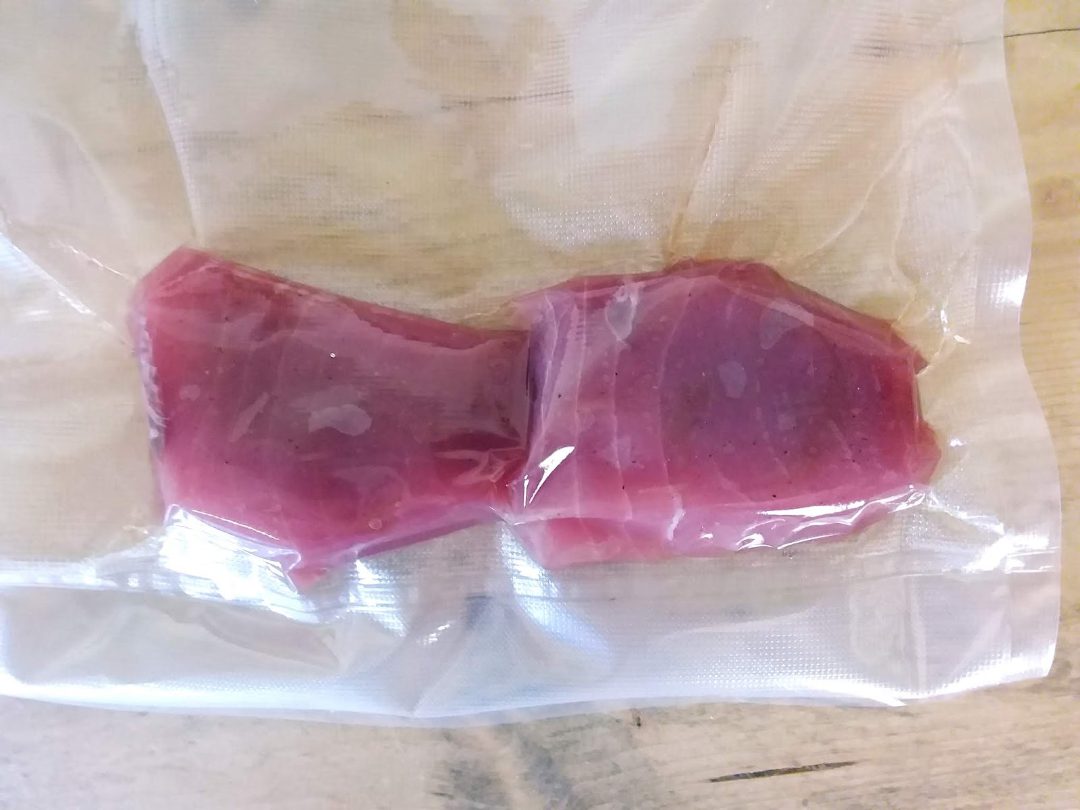
France- Yellowfin Tuna loin 3/5 KGS caught in the Indian Ocean – Histamine

Gov france

Identification information of the recalled product

  • Product category Feed
  • Product subcategory Fishery and aquaculture products
  • Product brand name un branded
  • Model names or references yellowfin tuna loin 3/5 KGS caught in the Indian Ocean
  • Identification of products
    GTIN Batch Date
    2812649000000 949-1 Use-by date 05/13/2022
  • Products List scan0318.pdf Attachment
  • Packaging under a vacuum
  • Marketing start/end date From 03/05/2022 to 13/05/2022
  • Storage temperature Product to be stored in the refrigerator
  • Health mark DFAR/FPE/98/33
  • Further information tuna loin
  • Geographic area of ​​sale Departments: CHARENTE (16)
  • Distributors u teach
  • List of points of salescan0316.pdf

Practical information regarding the recall

  • Reason for recall histamine levels above the norm
  • Risks incurred by the consumer Endogenous toxins: histamine (fish, cheese, alcoholic beverages, meats)

RASFF Alerts – Aflatoxin – Pistachios – Pakistan Rice – Hazelnuts – Groundnuts – Dried Figs

RASFF

Aflatoxin B1 above maximum level in rice from Pakistan. in Spain

RASFF

Aflatoxins in hazelnuts from Azerbaijan in Germany and Slovakia

RASFF

Presence of Aflatoxins beyond the permitted limits in shelled Pistachio from Turkey in Italy

RASFF

Aflatoxins in Organic raw groundnuts from Bolivia in Bulgaria, Croatia, Greece and the Netherlands

RASFF

Presence of Aflatoxins beyond the permitted limits in shelled Pistachios from Turkey in Italy

RASFF

Aflatoxins in rice from Pakistan in Spain

RASFF

Aflatoxins in hazelnuts FROM GEORGIA in Bulgaria

RASFF

Aflatoxin in pistachios nuts from Iran in Poland

RASFF

Aflatoxins in groundnuts from the United States in the Netherlands

RASFF

Aflatoxins in dried figs from Turkey in Slovenia

RASFF

Aflatoxins in roasted dried figs from Turkey in Italy

RASFF

Aflatoxin in Indian groundnuts in the Netherlands and Switzerland

RASFF Alert – Bacillus cereus – Ginger Powder

RASFF

Presumptive Bacillus cereus in ginger powder from India in Switzerland

Research – Emergent marine toxins risk assessment using molecular and chemical approaches

EFSA

Cyanobacteria harmful blooms represent a deviation to the normal equilibrium in planktonic communities involving a rapid and uncontrolled growth. Owing to the capacity to produce toxins as secondary metabolites, cyanobacteria may cause huge economic losses in the fishing and aquaculture industries and poisoning incidents to humans due to their accumulation in the food chain. The conditions which promote toxic blooms have not yet been fully understood, but climate change and anthropogenic intervention are pointed as significant factors. For the detection of toxins in edible marine organisms, the establishment of international regulations and compulsory surveillance has been probed as exceptionally effective. However, not regulation nor monitoring have been settled concerning emergent marine toxins. In the light of this scenario, it becomes essential to apply fast and reliable surveillance methodologies for the early detection of cyanobacterial blooms as well as the occurrence of emergent marine toxins. Shotgun metagenomic sequencing has potential to become a powerful diagnostic tool in the fields of food safety and One Health surveillance. This culture‐independent approach overcomes limitations of traditional microbiological techniques; it allows a quick and accurate assessment of a complex microbial community, including quantitative identification and functional characterisation, in a single experiment. In the framework of the EU‐FORA fellowship, with the final goal of evaluate metagenomics as a promising risk assessment tool, the fellow worked on the development of an innovative workflow through state‐of‐the‐art molecular and chemical analytical procedures. This work programme aims to evaluate the occurrence of emergent marine toxins and the producing organisms in Cabo Verde coastal cyanobacteria blooms. Our results show the outstanding potential of a holistic metagenomic approach for the risk assessment of emergent marine toxins and the producing organisms. Additionally, we have also highlighted its value for the identification and evaluation of secondary metabolites as natural bioactive compounds with biotechnological and industrial interest.

Luxembourg – RECALL: ORGANIC BUCHWEIZEN FROM VERIVAL – Aflatoxin

SAP

The Luxembourg food safety authorities are recalling the following product:

Last name Organic Buchweizen
Mark Verival
Unity 500g
bar code 9004617001130
Date of minimum durability (MDD) 08/23/202
Batch 1022311321

Danger  : Too high aflatoxin content

Aflatoxins are mycotoxins produced by certain species of Aspergillus molds which develop when the degree of temperature and humidity of the food is high. Aflatoxins are considered genotoxic and carcinogenic by the European Food Safety Authority and can be dangerous with high and repeated consumption.

Canada – Cebu’s Dried Fish brand Dried Silver Fish (Bol S Dilis) recalled due to histamine

CFIA

Summary

Product
Dried Silver Fish (Bol S Dilis)
Issue
Food – Chemical
What to do

Do not use, sell, serve or distribute the affected product.

Audience
Retail

Affected products

Issue

Cebu’s Dried Fish brand Dried Silver Fish (Bol S Dilis) recalled due to histamine.

The recalled product has been sold in Alberta and online.

Kenya – Aflatoxins link in Kenya cancer burden

Business Daily Africa

Known as a family of toxins produced by certain fungi, aflatoxins have been established to be highly harmful to human beings.

Of late they have also been linked to the high cases of cancer. The best-known one is Aspergillus flavus, that attacks crops such as maize, pulses and groundnuts while in the field and in storage when they are not dried and stored properly.

Aflatoxins also lower the body’s immunity and cause permanent and irreversible stunting in children. And in cases of acute poisoning, they can lead to instant death. But in cases of long-time exposure, they are known to provoke liver cancer.

A study conducted in February this year by James Kibugu, of the Kenya Agricultural and Livestock Research Organisation (Kalro) and four others shows that these poisonous chemicals are becoming a major burden on Kenya’s health care system.

But Kenya could reduce the cancer burden if food safety standards are strictly enforced.

Kibugu’s paper published in the African Journal of Food, Agriculture, Nutrition and Development notes that common cereals like maize and wheat have total aflatoxin levels higher than Kenyan, USA, and EU standards.

RASFF Alerts – Aflatoxin – Groundnuts – Dried Figs – Paprika Powder – Husked Brown Rice

RASFF

Aflatoxin in Indian groundnuts in the Netherlands and Finland

RASFF

Aflatoxins in dried figs from Turkey via Croatia in Slovenia

RASFF

Aflatoxin in USA groundnuts in the Netherlands

RASFF

Aflatoxins in paprika powder from Morocco in France and Belgium

RASFF

Aflatoxin limit exceedance in dried figs from Turkey in Finland, Portugal, Spain, Ukraine,

RASFF

Aflatoxin in Indian groundnuts from India in the Netherlands and Switzerland

RASFF

Aflatoxins in husked brown rice from Pakistan in the Netherlands

RASFF

Aflatoxin in Argentine groundnuts in the Netherlands

RASFF

Aflatoxin in Argentine groundnuts in the Netherlands

RASFF Alerts – Ochratoxin A – Basmati Rice

RASFF

Ochratoxin A in Basmati Rice from India via UK in Cyprus

RASFF Alert – Histamine – Sardine Fillets

RASFF

Histamine in sardine fillets from France in Belgium, Germany and the Netherlands