
Category Archives: Food Safety Alert

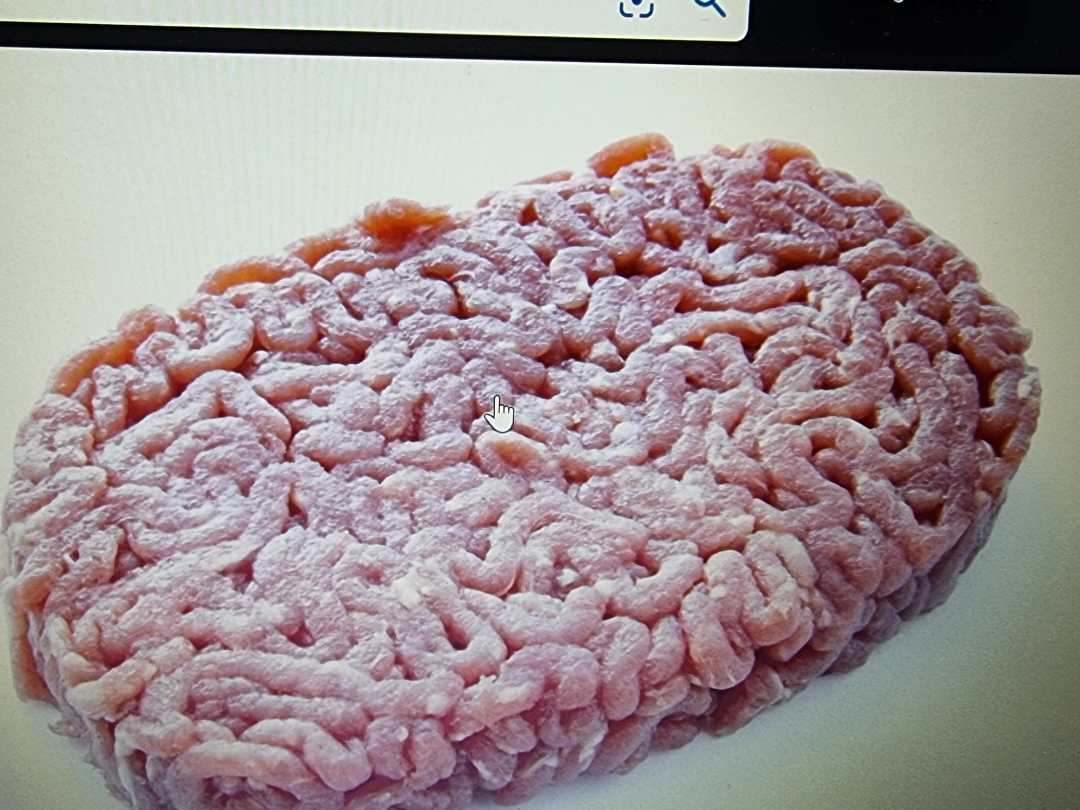
France – STEAK AX BULK – Listeria monocytogenes

Gov france

Identifying information for the recalled product

  • Product category Food
  • Product sub-category Meats
  • Product brand name MEAT
  • Names of models or references STEACK HACHE ON DEMAND
  • Product identification
    GTIN Lot Dated
    02887988000000 STEAK HACHE ON DEMAND 02887988000000 Use-by date 08/01/2022
  • Packaging  BULK RAYON TRADITIONAL BUTCHERY
  • Start date / End of marketing From 01/07/2022 to 01/07/2022
  • Storage temperature Product to be stored in the refrigerator
  • Geographical sales area INTERMARCHE LE MAGNY
  • Distributors INTERMARCHE LA CHATRE

Practical information regarding the recall

  • Reason for recallNon-compliant analyzes on hamburger on demand
  • Risks incurred by the consumerListeria monocytogenes (causative agent of listeriosis)

Canada – Various Food Products recalled due to possible Salmonella contamination from rodent infestation

CFIA

Summary

Product
Various
Issue
Food » Microbial Contamination » Salmonella
What to do

Do not consume, use, sell, serve, or distribute the recalled products.

Bistak Enterprises Inc. and Bistak Groceries Inc. are recalling various products from the marketplace due to possible Salmonella contamination from rodent infestation.

The recalled products have been sold in Alberta, British Columbia, Manitoba, Ontario, Saskatchewan and may have been distributed in other provinces and territories.

Consumers who are unsure if they have purchased the affected products are advised to contact their retailer.

What you should do

  • If you think you became sick from consuming a recalled product, call your doctor
  • Check to see if you have the recalled products in your home or establishment
  • Do not consume the recalled products
  • Do not serve, use, sell, or distribute the recalled products
  • Recalled products should be thrown out or returned to the location where they were purchased

Food contaminated with Salmonella may not look or smell spoiled but can still make you sick. Young children, pregnant women, the elderly and people with weakened immune systems may contract serious and sometimes deadly infections. Healthy people may experience short-term symptoms such as fever, headache, vomiting, nausea, abdominal cramps and diarrhea. Long-term complications may include severe arthritis.

RASFF Alerts – Salmonella – Chicken Products from Poland – Black Pepper – Chillies – Chicken Kebab

RASFF

Salmonella CO in Chicken elements from Poland in the Czech Republic

RASFF

Salmonella spp. in frozen chicken kebab from Poland in Spain and Poland

RASFF

Salmonella (presence /25g) in black pepper from Brazil in the Netherlands

RASFF

Salmonella spp. in chilies from Kenya in Austria and Germany

RASFF

Salmonella Enteritidis in frozen chicken tulip from Poland in France

RASFF

Chicken kebab – Salmonella spp. CO serogroup present in 25 g in 3 out of 5 tested samples in Spain

RASFF

Salmonella enterica ser. Newport (presence /25g) in chilled chicken meat from Poland in the Czech Republic

RASFF

Salmonella (presence /25g) in black pepper from Brazil in the Netherlands

RASFF Alert- Bacillus cereus – Millet Flour

RASFF

Aflatoxins and Bacillus cereus in organic sesame seeds from Togo in Germany, Netherlands and Switzerland

RASFF Alert – STEC E.coli O157 – Chilled Beef

RASFF

Shigatoxin-producing Escherichia coli (O157 stx1+ stx2+ eae+ /25g) in chilled beef from Belgium in the Netherlands

RASFF Alert – Ochratoxin A – Spray Dried Instant Coffee

RASFF

Ochratoxin A in Spray dried instant coffee from Vietnam in Romania

RASFF Alerts – Listeria monocytogenes – Beef – Raw Milk Cheese

RASFF

Listeria monocytogenes in beef from France in the Netherlands

RASFF

Listeria monocytogenes in raw milk cheese from Belgium in France

RASFF Alert – Aflatoxin – Dried Figs – Pistachio Kernels – Assorted Spice Mix – Sesame Seeds – Groundnuts – Millet Flour – Ground Ginger

RASFF

Aflatoxins (B1 = 12.6; Tot. = 13.1 µg/kg – ppb) in pistachio kernels from the United Kingdom in Ireland

RASFF

Aflatoxins (B1 = 59.2; Tot. = 136.8 µg/kg – ppb) in dried figs from Turkey in Belgium

RASFF

Aflatoxins (B1 = 168; Tot. = 275.7 µg/kg – ppb) in dried figs from Turkey in Belgium

RASFF

Aflatoxins in pistachio kernels from turkey in Germany

RASFF

Aflatoxins (B1 = 29.5; Tot. = 31.2 µg/kg – ppb) in pistachios from Iran in Germany

RASFF

Aflatoxines B1 in assorted spices mix from Pakistan in France and Belgium

RASFF

Aflatoxins and Bacillus cereus in organic sesame seeds from Togo in Germany, Netherlands and Switzerland

RASFF

Aflatoxins in millet flour from Senegal in the Netherlands

RASFF

Aflatoxins (B1 = 18.4; Tot. = 20.3 / B1 = 26.9; Tot. = 29.3 µg/kg – ppb) in groundnuts in shell from Egypt in Italy

RASFF

Aflatoxins in dried figs from Turkey in Germany

RASFF

Aflatoxin in Ground Ginger from India, distribution from UK in Ireland

Denmark – Outbreak of diarrhea-causing E. coli O157

SSI

The Statens Serum Institut is currently investigating an outbreak with a diarrhea-causing and toxin-producing E. coli bacterium. It began in December and currently includes 13 people with possible common source of infection.

Since December 3, 13 patients related to an outbreak with the diarrhea-causing and shiga toxin-producing E. coli bacterium (STEC) with the serotype O157: H7 have been identified. Of these, identical bacteria have been found in nine patients by whole genome sequencing at the Statens Serum Institut (SSI).

Three children with acute renal failure

Among the patients are three children who have developed haemolytic uraemic syndrome / acute renal failure (HUS), which may be a serious consequence of infection with STEC.

The sick are four men and nine women between the ages of 2 and 90. They come from all regions in the country, except Region North Jutland. The sick have not been traveling and have not participated in joint events in the time leading up to their illness.

Nine patients have been hospitalized in connection with the infection.

A serious outbreak

“It is a serious outbreak, as this type of toxin-producing E. coli can in some cases cause acute renal failure. We are paying particular attention when three children with acute renal failure were reported here in December. Patients with severe diarrhea, especially bloody diarrhea, should seek medical attention to get a correct diagnosis “, says Epidemiologist Luise Müller from SSI. She continues:

“As we do not yet know the source of this outbreak, the best advice we can give is to remember to fry minced meat and rinse fruit and vegetables thoroughly before eating it. It is also important to separate raw meat from ready-to-eat food, such as salad, which is not heat-treated before eating. ”

Looking for the source of infection

To find out what may have made the patients ill, interviews are conducted with patients or parents of patients to obtain information on food intake, institutional contact, animal contact and other relevant exposures.

The outbreak is being investigated by SSI in collaboration with the Danish Veterinary and Food Administration and the DTU Food Institute.

Read more

Read more about the outbreak on this outbreak site.

Read more about E. coli infection, among others STEC / VTEC.

Read more about Hemolytic uremic syndrome .

Read more about how to avoid STEC in your food on the Danish Veterinary and Food Administration’s website.

USA – Core Outbreak Table Updates

FDA

This week’s updates are:

  • A new outbreak of E. coli O121: H19 with an unidentified vehicle has been added. This outbreak does not appear to be ongoing, as the last illness onset occurred in November 2021. FDA has initiated traceback and other investigational activities in an effort to learn more about possible sources or routes of contamination.
  • The outbreak of Salmonella Javiana linked to 65 illnesses has ended. The information collected over the course of this investigation indicated cut cantaloupe was the likely source of this outbreak, however it appears that the products linked to outbreak illnesses are past shelf life and are no longer available for sale. The most recent illness occurred in November 2021. FDA’s outbreak investigation did not identify a specific product until after the product had expired and was no longer on the market, and there were no actionable steps for consumers to take to protect themselves.
  • For the outbreak of E. coli O157:H7 linked to spinach, the outbreak has ended and the FDA investigation has closed. This incident was archived in the 2021 Investigation Table.
1/10/2022 1050 E. coli
O121:H19
Not Yet
Identified
4
12/29/2021 1052 E. coli
O157:H7
Packaged Salad See Outbreak
Advisory
12/20/2021 1039 Listeria
monocytogenes
Packaged Salad See Outbreak
Advisory
12/15/2021 1048 Listeria
monocytogenes
Packaged Salad See Outbreak
Advisory
11/24/2021 1044 Salmonella
Javiana
Cut Cantaloupe 65
9/15/2021 1031 Salmonella
Oranienburg
Red, Yellow,
and White Onions
See Outbreak
Advisory