Ochratoxin A content above the limit in Nutmeg from Indonesia in Hungary and Serbia
Ochratoxin A in date syrup from Sweden in Germany

Ochratoxin A content above the limit in Nutmeg from Indonesia in Hungary and Serbia
Ochratoxin A in date syrup from Sweden in Germany
Posted in food contamination, Food Hazard, Food Hygiene, Food Inspections, Food Micro Blog, Food Microbiology, Food Microbiology Blog, Food Microbiology Testing, Food Poisoning, food recall, Food Safety, Food Safety Alert, Food Temperature Abuse, Food Testing, Food Toxin, Mold Toxin, Mould Toxin, Mycotoxin, Ochratoxin, RASFF
Aflatoxin B1 and Aflatoxin total in Organic Black Mulberries from Turkey in Germany, Netherlands and Norway
Elevated levels of aflatoxins in curry powder from Turkey in Germany
Aflatoxins over the limits in Pistachios from United States in Italy
Aflatoxin B1 in Organic Egyptian Peanut kernels Blanched after further treatment in the Netherlands
Aflatoxin in Pakistan Rice in the Netherlands
Aflatoxins in Pakistani Super Basmati Brown Rice(Husked Rice) Crop 2020-2021 in the Netherlands
Aflatoxins in organic groundnuts in shell from Egypt in Italy
Aflatoxin B1 (sample A: 3,37 +/- 0,51, sample B: 3,32 +/- 0,50 µg/kg) in organic groundnuts from Egypt in Poland
Aflatoxins in hazelnut kernels from Azerbaijan in Italy
Aflatoxin in Indian groundnuts in Netherlands and Switzerland
Aflatoxins above legal limits in shelled pistachios from Turkey, origin Iran in Turkey and Italy
Aflatoxins (B1 72.1±9.0 – Sum 80.1±9.0) above the maximum limits allowed in shelled Pistachios from USA in Italy
Aflatoxins in melon seeds from China, via Netherland in Germany
Aflatoxins in Pistachio kernels from the United States in Turkey and Germany
Aflatoxins in dried figs from Turkey in Germany
Posted in Aflatoxin, food contamination, food handler, Food Hazard, Food Hygiene, Food Inspections, Food Micro Blog, Food Microbiology, Food Microbiology Blog, Food Microbiology Testing, Food Poisoning, food recall, Food Safety, Food Safety Alert, Food Temperature Abuse, Food Toxin, Mold Toxin, Mould Toxin, Mycotoxin, RASFF, Toxin
The Luxembourg food safety authorities are recalling the following product:
| name | Cashew Apricot |
| Mark | Nuts & Berries |
| Unity | 30g |
| Lot | L21301 |
Danger : Too high aflatoxin B1 content
Aflatoxins are mycotoxins produced by certain species of Aspergillus molds which develop when the degree of temperature and humidity of the food is high. Aflatoxins are considered genotoxic and carcinogenic by the European Food Safety Authority and can be dangerous with high and repeated consumption.
Sale in Luxembourg by: Alavita
Posted in Aflatoxin, Aflatoxin B1, food contamination, Food Hazard, Food Hygiene, Food Inspections, Food Micro Blog, Food Microbiology, Food Microbiology Blog, Food Microbiology Testing, Food Poisoning, food recall, Food Safety, Food Safety Alert, Food Testing, Food Toxin, Mold Toxin, Mould Toxin, Mycotoxin
Shiga-toxin-producing Escherichia coli O157:H7 is a well-known water- and food-borne zoonotic pathogen that can cause gastroenteritis in humans. It threatens the health of millions of people each year; several outbreaks of E. coli O157:H7 infections have been linked to the consumption of contaminated plant foods (e.g., lettuce, spinach, tomato, and fresh fruits) and beef-based products. To control E. coli O157:H7 in foods, several physical (e.g., irradiation, pasteurization, pulsed electric field, and high-pressure processing) and chemical (e.g., using peroxyacetic acid; chlorine dioxide; sodium hypochlorite; and organic acids, such as acetic, lactic, and citric) methods have been widely used. Although the methods are quite effective, they are not applicable to all foods and carry intrinsic disadvantages (alteration of sensory properties, toxicity, etc.). Therefore, the development of safe and effective alternative methods has gained increased attention recently. Biocontrol agents, including bacteriophages, probiotics, antagonistic bacteria, plant-derived natural compounds, bacteriocins, endolysins, and enzymes, are rapidly emerging as effective, selective, relatively safe for human consumption, and environmentally friendly alternatives. This paper summarizes advances in the application of biocontrol agents for E. coli O157:H7 control in foods. View Full-Text
Posted in E.coli O157, E.coli O157:H7, food contamination, food handler, Food Hazard, Food Hygiene, Food Inspections, Food Micro Blog, Food Microbiology, Food Microbiology Blog, Food Microbiology Testing, Food Pathogen, Food Poisoning, food recall, Food Safety, Food Safety Alert, Food Testing, Food Toxin, STEC, STEC E.coli
Director of Al-Mafraq Governmental Hospital Moqbel Al-Sharafat told Roya Saturday that three people were diagnosed with food poisoning after eating leftovers.
Roya’s correspondent in Mafraq said that the three initially came to the hospital after feeling unwell. They thought they were feeling unwell due to inhaling gases from a heating device. However, later, it was found that they were food poisoned as a result of eating leftover food.
02.28.2022 EXPANDED: Abbott is voluntarily recalling one lot of Similac PM 60/40 (Lot # 27032K80 (can) / Lot # 27032K800 (case)) manufactured in Sturgis, Michigan. This is in addition to lots of Similac®, Alimentum® and EleCare® powder formula that were voluntarily recalled on Feb. 17. The action comes after learning of the death of an infant who tested positive for Cronobacter sakazakii and who we were informed had consumed Similac PM 60/40 from this lot. This case is under investigation, and at this time the cause of the infant’s Cronobacter sakazakii infection has not been determined. We want to extend our heartfelt sympathies to the family.
Importantly, no distributed product has tested positive for the presence of Cronobacter sakazakii. Additionally, recently tested retained product samples of Similac PM 60/40 Lot # 27032K80 (can) / Lot #27032K800 (case) were negative for Cronobacter.
02.17.2022 Abbott initiated a proactive, voluntary recall of powder formulas, including Similac, Alimentum and EleCare, manufactured in Sturgis, Michigan, one of the company’s manufacturing facilities. The recall does not include any metabolic deficiency nutrition formulas.
Abbott is voluntarily recalling these products after four consumer complaints related to Cronobacter sakazakii or Salmonella Newport in infants who had consumed powder infant formula manufactured in this facility.
Additionally, as part of Abbott’s quality processes, we conduct routine testing for Cronobacter sakazakii and other pathogens in our manufacturing facilities. During testing in our Sturgis, Michigan, facility, we found evidence of Cronobacter sakazakii in the plant in non-product contact areas. We found no evidence of Salmonella Newport. This investigation is ongoing.
Importantly, no distributed product has tested positive for the presence of either of these bacteria, and we continue to test. Abbott conducts extensive quality checks on each completed batch of infant formula, including microbiological analysis prior to release. All finished infant formula powder products are tested for Cronobacter, Salmonella, and other pathogens, and they must test negative before the product is released. Additionally, retained samples related to the three complaints for Cronobacter sakazakii tested negative for Cronobacter. And the retained sample related to the complaint for Salmonella Newport tested negative for Salmonella.
While Abbott’s testing of distributed product detected no pathogens, we are taking action by recalling the powder formula manufactured in this facility with an expiration of April 1, 2022, or later. No Abbott liquid formulas are included in the recall, nor are powder formulas or nutrition products from other facilities.
If your infant is experiencing symptoms related to Cronobacter or Salmonella infection, such as poor feeding, irritability, temperature changes, jaundice, grunting breaths, abnormal movements, lethargy, rash, or blood in the urine or stool; contact your health care provider to report their symptoms and receive immediate care.
To find out if the product you have is included in this recall, click on the button below to check your lot number.
Link to Initial Press Release
Posted in Cronobacter sakazakii, cross contamination, food bourne outbreak, food contamination, food death, food handler, Food Hazard, Food Hygiene, Food Illness, Food Micro Blog, Food Microbiology, Food Microbiology Blog, Food Microbiology Testing, Food Pathogen, Food Poisoning, food recall, Food Safety, Food Safety Alert, Food Testing, foodborne outbreak, foodbourne outbreak, outbreak, Salmonella
Brand : Giuncatina Primosale
Name : Giuncatina Santa Caterina Primosale Santa Caterina
Reason for reporting : Recall due to microbiological risk
Publication date : 7 March 2022
Click to access C_17_PubblicazioneRichiami_1668_azione_itemAzione0_files_itemFiles0_fileAzione.pdf
Posted in Bacteria, bacterial contamination, food contamination, food handler, Food Hazard, Food Hygiene, Food Inspections, Food Micro Blog, Food Microbiology, Food Microbiology Blog, Food Microbiology Testing, Food Pathogen, Food Poisoning, food recall, Food Safety, Food Safety Alert, Food Spoilage, Food Testing, Food Toxin
| Lot | ||
|---|---|---|
| Lot sold between 02/21/22 and 02/22/22 | ||
03/03/2022
Euras International recall
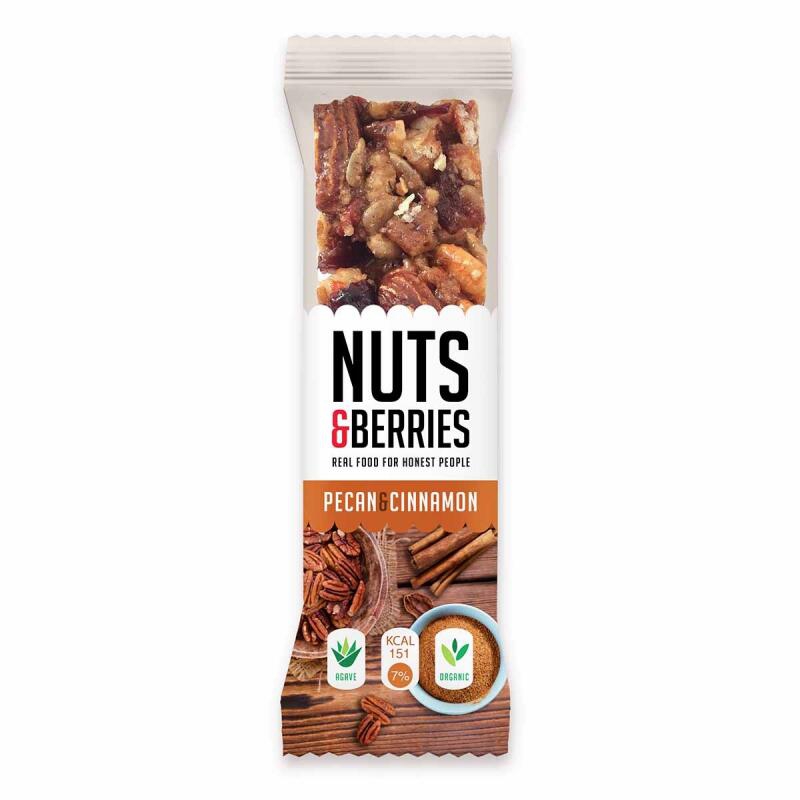
Product: Different Nuts & Berries brand bars.
Problem: Aflatoxin B1 content too high.
Euras International has decided, in agreement with the FASFC, to withdraw various bars of the Nuts & Berries brand from sale and to recall them from consumers due to an excessively high content of aflatoxin B1 in the Brazil nuts supplied by a supplier.
Euras International asks its customers not to consume these products and to bring them back to the point of sale.
Description of products
 NUTS&BERRIES CASHEW APRICOT REPEN
LOT 21301 & DDM 28/12/2022
 NUTS&BERRIES PECAN CINNAMON REPEN
LOT 21302 & DDM 29/12/2022
 NUTS&BERRIES PROTEIN STRAWBERRY REPEN
LOT 21319 & DDM 15/01/2023

NUTS&BERRIES PROTEIN COCOA REPEN
LOT 21319 & DDM 15/01/2023

NUTS&BERRIES GINGER LIME
LOT 21300 & DDM 27/12/2022
LOT 21306 & DDM 02/01/2023
The products were distributed in Belgium via various points of sale.
For any further information contact:
Mustafa Kemal Akpinar
0032479280231
Posted in Aflatoxin, Aflatoxin B1, food contamination, food handler, Food Hazard, Food Hygiene, Food Inspections, Food Micro Blog, Food Microbiology, Food Microbiology Blog, Food Microbiology Testing, Food Poisoning, food recall, Food Safety, Food Safety Alert, Food Testing, Food Toxin, Mold Toxin, Mould Toxin, Mycotoxin, Toxin