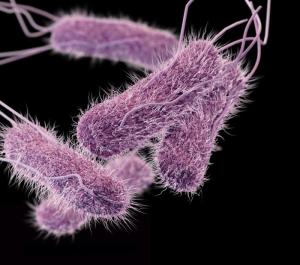
Salmonella is indeed a significant cause of foodborne illness worldwide and can be deadly, especially in certain vulnerable populations. Here are some key points regarding its severity: Read more in the link above

Salmonella is indeed a significant cause of foodborne illness worldwide and can be deadly, especially in certain vulnerable populations. Here are some key points regarding its severity: Read more in the link above
Posted in Animal Feed Salmonella, Food Microbiology Research, Pet Food Salmonella, Polish Chicken Salmonella, Research, Salmonella, Salmonella Betel Leaves, Salmonella Brazil, Salmonella Cantaloupes, Salmonella Dog Food, Salmonella in Black Pepper, Salmonella in Brazil Nuts, Salmonella in Chicken, Salmonella in Chocolate, Salmonella in Eggs, Salmonella in Nuts, Salmonella in Onions, Salmonella in Sprouts, Salmonella Peanut Butter, Salmonella Poland, Salmonella Sesame Seeds, Salmonella Tahini, Salmonella Oranienburg, salmonellosis

Campylobacter is one of the most common causes of bacterial foodborne illness worldwide. Here’s what you need to know about it: Read more at the link above.
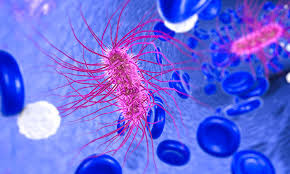
Escherichia coli O157:H7 (commonly referred to as E. coli O157) is a particularly dangerous strain of *E. coli* bacteria that can cause severe and life-threatening symptoms in humans. Here is why E. coli O157 can be deadly: Read more at the link above.
With warmer weather on the way, Kiwis all over the motu will be heading to the beach to enjoy the sea’s bounty. But before you go gathering shellfish, New Zealand Food Safety deputy director-general Vincent Arbuckle has some fast facts to share about toxic shellfish poisoning and how to keep yourself, your whanau and friends safe.
Toxic shellfish poisoning can cause serious illness and can even be fatal. Fortunately, we haven’t had an outbreak of toxic shellfish poisoning since 2014, when 13 people fell ill.
New Zealand Food Safety works hard to keep it that way by monitoring key recreational shellfish harvesting areas around the country for biotoxins.
New Zealand Food Safety has more than 40 monitoring sites, with water tested weekly for toxic algae and shellfish tested fortnightly for biotoxins. The commercial shellfish industry also provides their own biotoxin monitoring data from more than 30 sites, giving us even greater coverage.
If shellfish are found to contain biotoxins at unsafe levels, we issue public health warnings and post signs at affected beaches. In 2023 we issued 17 biotoxin alerts.
It’s important to know that cooking will not make toxic shellfish safe to eat, because cooking doesn’t destroy biotoxins.
If anyone becomes ill after eating shellfish from an area where a public health warning has been issued, phone healthline for advice on 0800 61 11 16, or seek medical attention immediately. We advise that you also contact your nearest public health unit and keep any leftover shellfish for testing.
Shellfish with 2 shells (bivalve shellfish) can each filter more than 200 litres of water a day. They do this to filter out microscopic algae (called phytoplankton) and other particles as a food source. If these algae are toxic, the biotoxins can build up in the shellfish, making them poisonous. Generally, the more toxic algae there are in the water, the more toxic the shellfish get.
Shellfish affected by biotoxins usually include bivalves like mussels, oysters, tuatua, pipi, toheroa, cockles and scallops. But pūpū (cat’s eyes) and Cook’s turban and can also have elevated levels of some biotoxins.
Generally, you can still eat pāua, crab and crayfish, but only if you remove the gut before cooking, as biotoxins accumulate in the gut. Finfish are not affected by biotoxins from algal blooms, but we advise discarding the liver before cooking.
Phytoplankton are photosynthetic microscopic algae, meaning that, just like plants, they use the sunshine to grow. And, like plants, they also need nutrients (which they get from the water) to grow.
If conditions are right, phytoplankton can multiply to high numbers and form algal blooms. Most species of phytoplankton are harmless, but some can naturally produce highly toxic chemicals we call marine biotoxins.
Algal blooms usually occur naturally when wind and water currents are favourable for their growth. Causes can include slow water circulation or unusually high water temperatures. Some blooms have happened after extreme weather events like cyclones, floods, or drought.
New Zealand Food Safety does extra monitoring during a toxic algal bloom to track its spread and see how it is affecting different kinds of shellfish.
Paralytic shellfish poisoning (PSP) is potentially the most serious of the 4 main types of toxic shellfish poisoning found in NZ.
PSP symptoms usually appear within 10 minutes to 3 hours of eating and may include:
If you suspect someone has PSP poisoning after eating shellfish from an area where we have issued a public health warning, seek medical attention immediately.

The deadliest foodborne pathogen in terms of fatality rates is often considered to be *Listeria monocytogenes*. While infections from Listeria are less common compared to other pathogens like Salmonella or E. coli, the consequences can be much more severe, especially for certain high-risk populations. Read more at the link above.
Posted in Food Microbiology Research, Listeria, Listeria Deli Meats, Listeria Enoki Mushrooms, Listeria France, Listeria Ice Cream, Listeria in Cheese, Listeria innocua, Listeria invanovi, Listeria monocytogenes, Listeria Smoked Fish, Listeria valentina, Listeria welshimeri, Listeriolysin, listeriosis, Pet Food Listeria monocytogenes, Research
A recently published report has detailed the largest multi-provincial Salmonella outbreak in Canada in more than two decades, linking 515 confirmed cases to contaminated red onions imported from the United States.
The outbreak, which occurred between June and August 2020, affected residents across seven provinces, with 19 percent of those infected requiring hospitalization. The findings, outlined in a report from the Public Health Agency of Canada (PHAC) and other health agencies, underscore the complexity of foodborne illness investigations and the challenges posed by fresh produce contamination.
A separate report from the U.S. Food and Drug Administration in 2020, found that a sheep farm was likely a contributing factor in the contamination of the onions.
Posted in food bourne outbreak, food contamination, food handler, Food Hazard, Food Hygiene, Food Illness, Food Inspections, Food Micro Blog, Food Microbiology, Food Microbiology Blog, Food Microbiology Research, Food Microbiology Testing, Food Pathogen, Food Virus Illness, Foodborne Illness, foodborne outbreak, foodbourne outbreak, Illness, outbreak, Research, Salmonella
Shigella is a type of bacteria that causes an infectious disease called shigellosis, which is most known for causing diarrhea and other gastrointestinal symptoms. As a parent, it’s important to be informed about shigella to protect your family, especially young children, who are more susceptible. Here’s what you need to know: Read more at the link above.
Salmonella poses a heightened risk for individuals over 65 years of age due to several key factors: Read more at the link above.
As people age, their immune systems naturally weaken, making them more vulnerable to infections, including those caused by Salmonella. The body’s ability to fight off harmful bacteria diminishes, increasing the chances of severe infection.
Scientists have provided more detail on some of those sickened in a botulism outbreak in Saudi Arabia earlier this year.
The study covered the clinical and epidemiological characteristics of 19 people who were suspected and eight cases that met the case definition for botulism as part of the outbreak that affected a total of 75 people in Riyadh. Foodborne botulism has not been previously reported in Saudi Arabia.
All patients referred to Riyadh First Health Cluster Hospitals between April 22 to 25, with gastrointestinal symptoms, respiratory distress, or descending paralysis after consuming mayonnaise from the popular Hamburgini burger restaurant chain were admitted for assessment and care.
Sprouts are popular due to their high nutritional content, including vitamins, minerals, antioxidants, and enzymes. However, the conditions favorable for sprouting, such as warm and humid environments, are also ideal for the growth of bacteria, including food-borne pathogens. Here, we analyzed the growth and developed predictive models of locally isolated and commercial strains of Salmonella enterica and Listeria monocytogenes in alfalfa sprouts under various constant temperatures, ranging from 5°C to 25°C. Our findings indicated that these pathogens could grow at 5°C in sprouts, albeit with a low growth rate. A rapid increase in concentration occurred at temperatures of 10°C and above. The fitted models demonstrated high performance, with R2 values ranging from 0.964 to 0.997 and RMSE values ranging from 0.15 to 0.51, respectively. Based on the fitted values, bias factor (Af) values varied between 1.01 and 1.06, with all accuracy factor (Bf) values at 1.00. Acceptable prediction zone (APZ) values ranged from 81.8% to 100%. Validation of the models under dynamic temperature conditions for specific strains showed acceptable performance. This study enhances our understanding of S. enterica and L. monocytogenes growth in alfalfa sprouts. The findings of this study could be used to improve the risk assessment of these pathogens in alfalfa sprouts.

 FoodWorld