Category Archives: Food Microbiology Research

USA – Over 100 Cases Reported so Far in the Wendy’s E coli Outbreak

Food Poisoning News

In the latest update posted by the CDC on August 19th, 37 cases of E. coli O157:H7 infections were reported in the states of Ohio (19), Michigan (15), Indiana (1), and Pennsylvania (2). However, experts believe the actual number of infections to be much higher than 100, with estimates of at least 200 cases. Most notably, despite the CDC reporting 15 of the 37 cases occurring in Michigan, the Michigan Department of Health and Human Services (MDHHS) has reported 43 confirmed E. coli O157 infections. In total, the MDHHS received 98 reports of E. coli infections in August from Michigan residents. For reference, Michigan officials only received 20 reports of E. coli infections during the same time period in 2021. The 43 Michigan E. coli O157 infections have been confirmed to match the same strain of E. coli as the Wendy’s outbreak strain and all cases match the illness onset date of late July through early August. Michigan health officials are currently testing at least 55 additional E. coli infections to determine if they are also connected to the Wendy’s outbreak.

In Ohio, officials in Wood Country are testing samples from 22 residents with E. coli infections and have so far confirmed 9 of the cases to have stemmed from the same strain of E. coli bacteria. Experts believe that the true number of cases involved in the Wendy’s outbreak is much higher than reported and expect to see an increase of reported cases in the days to come.

Ireland- Recall of Additional Best Before Dates of Ardo Frozen Fruitberry Mix due to the Presence of Hepatitis A

FSAI

Thursday, 25 August 2022

Summary
Category 1: For Action
Alert Notification: 2022.53 (Update 1)
Product: Ardo Frozen Fruitberry Mix; pack size: 2500g
Batch Code: Lot:58622131; Best before date: All dates in May 2024
Country Of Origin: Poland

Message:

Further to FSAI Food Alert 2022.53, all May 2024 best before dates with the above batch code of Ardo Frozen Fruitberry Mix are being recalled due to the presence of hepatitis A. Point-of-sale recall notices will be displayed in stores supplied with the implicated stock.

Nature Of Danger:

Hepatitis A infection is an acute disease of the liver caused by the hepatitis A virus. Symptoms include fever, loss of appetite, nausea, abdominal pain, and jaundice. Some people experience a fairly mild illness and recover within a couple of weeks. Other people develop more severe symptoms and may take months to fully recover. Older people are more likely to have more severe symptoms and some infected children do not have any symptoms at all. The incubation period (time between initial infection and first symptoms appearing) is on average 28 days but can range from 15 to 50 day.

Action Required:

Inspectors:

A distribution list will be emailed to PEHOs in due course. Please notify the FSAI (foodincidents@fsai.ie) of any concerns.

Manufacturers, wholesalers, distributors, caterers & retailers:

Businesses are requested to remove the implicated batches from sale and to display a point-of-sale recall notice in stores where the affected batches were sold.

Caterers should not use the implicated batches.

Consumers:

Consumers are advised not to eat the implicated batches.

Ardo Frozen Fruitberry Mix

Research – Juglone Inhibits Listeria monocytogenes ATCC 19115 by Targeting Cell Membrane and Protein

MDPI

Foodborne disease caused by Listeria monocytogenes is a major global food safety problem. A potential solution is the antimicrobial development of the highly bioactive natural product juglone, yet few studies exist on its antibacterial mechanism against L. monocytogenes. Thus, we aimed to elucidate the antibacterial mechanism of action of juglone against L. monocytogenes by determining the resultant cell morphology, membrane permeability, membrane integrity, and proteome changes. The minimum inhibitory concentration of juglone against L. monocytogenes was 50 μg/mL, and L. monocytogenes treated with juglone had longer lag phases compared to controls. Juglone induced L. monocytogenes cell dysfunction, leakage of potassium ions, and membrane potential hyperpolarization. Confocal laser scanning microscopy and field-emission-gun scanning electron microscope assays revealed clear membrane damage due to juglone treatment. Fourier transform infrared analyses showed that L. monocytogenes responded to juglone by some conformational and compositional changes in the molecular makeup of the cell membrane. Sodium dodecyl sulfate-polyacrylamide gel electrophoresis analysis showed that juglone either destroyed proteins or inhibited proteins synthesis in L. monocytogenes. Therefore, our findings established juglone as a natural antibacterial agent with potential to control foodborne L. monocytogenes infections. View Full-Text

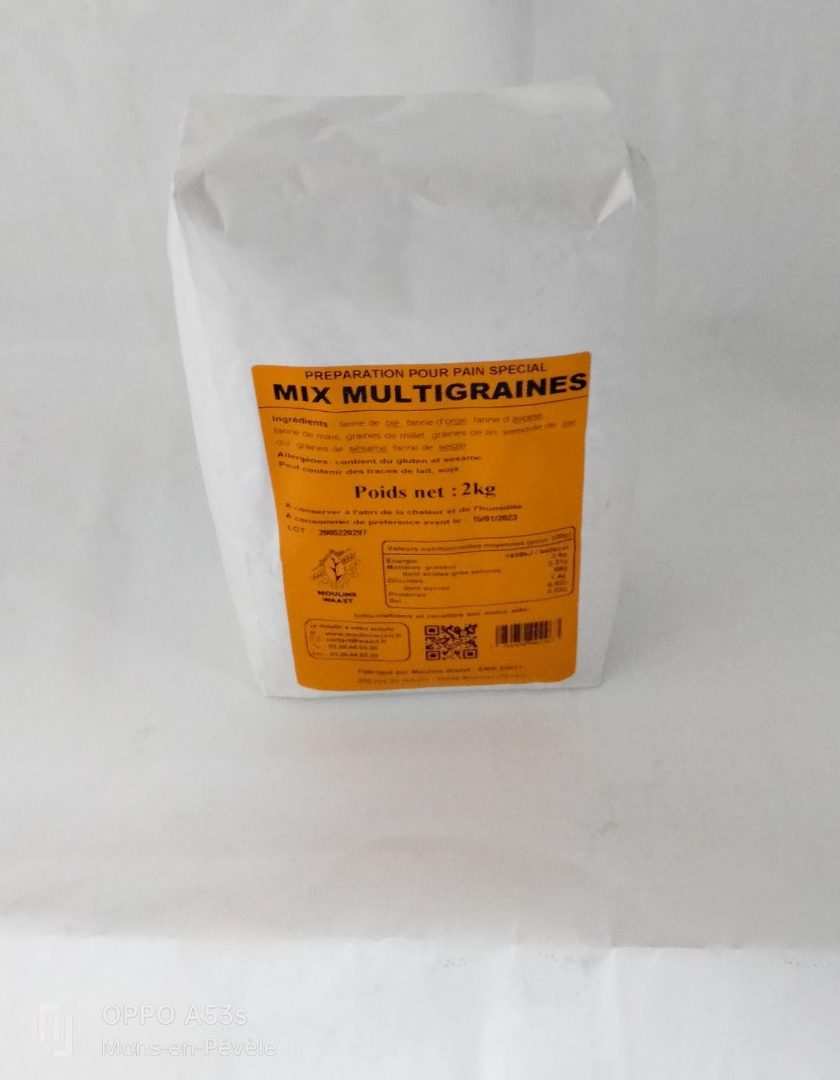
France – MULTISEEDS MIX – Mycotoxin – Ergot Alkaloids

Gov france

Identification information of the recalled product
Product category
Feed
Product subcategory
Cereals and baked goods
Product brand name
WAAST MILLS
Model names or references
MULTIGRAINE MIX IN 2 KG
Identification of products
GTIN Batch Date
3286450002963 0903220169 Best before date 04/11/2022
Packaging
2KG
Marketing start/end date
Since 09/03/2022
Storage temperature
Product to be stored at room temperature
Geographic area of ​​sale
NORTH OF FRANCE
Distributors
CLAYE INSTITUTE OF GENECH MOULINS WAAST
Practical information regarding the recall
Reason for recall
risk of presence of ergot alkaloids at a concentration above the regulatory limit

Research – Listeria monocytogenes Illness and Deaths Associated With Ongoing Contamination of a Multi-Regional Brand of Ice Cream Products, United States, 2010–2015 

Academia Edu

Abstract

Background

Frozen foods have rarely been linked to Listeria monocytogenes illness. We describe an outbreak investigation prompted both by hospital clustering of illnesses and product testing.

Methods

We identified outbreak-associated listeriosis cases using whole-genome sequencing (WGS), product testing results, and epidemiologic linkage to cases in the same Kansas hospital. We reviewed hospital medical and dietary records, product invoices, and molecular subtyping results. Federal and state officials tested product and environmental samples for L. monocytogenes.

Results

Kansas officials were investigating five cases of listeriosis at a single hospital when, simultaneously, unrelated sampling for a study in South Carolina identified L. monocytogenes in Company A ice cream products made in Texas. Isolates from four patients and Company A products were closely related by WGS, and the four patients with known exposures had consumed milkshakes made with Company A ice cream while hospitalized. Further testing identified L. monocytogenes in ice cream produced in a second Company A production facility in Oklahoma; these isolates were closely related by WGS to those from five patients in three other states. These ten illnesses, involving three deaths, occurred from 2010 through 2015. Company A ultimately recalled all products.

Conclusion

In this U.S. outbreak of listeriosis linked to a widely distributed brand of ice cream, WGS and product sampling helped link cases spanning five years to two production facilities, indicating longstanding contamination. Comprehensive sanitation controls and environmental and product testing for L. monocytogenes, with regulatory over

Research – New FSIS Webpage: Reducing Salmonella in Poultry

Food Safety Magazine

The U.S. Department of Agriculture (USDA) Food Safety and Inspection Service (FSIS) recently introduced a new webpage to help reduce Salmonella in poultry. The webpage was created as part of an effort by FSIS to reduce Salmonella illnesses by 25 percent nationwide.

FSIS is continuously gathering the data and information necessary to support future action. The new webpage will offer updated news, information, and resources on Salmonella in poultry as it is collected. Along with the webpage, FSIS opened a dedicated email address for all inquiries related to Salmonella in poultry: salmonella@usda.gov.

Research – A Critical Look at Reducing the Risk of Salmonella from Poultry—Part 1

Food Safety Magazine

Salmonella Campylobacter

Poultry meat consumption has significantly increased over the past three decades in the U.S., and it is currently the most consumed meat protein compared to beef and pork. This increase has occurred gradually due to significant scientific research and advances in genetics, nutrition, and bird management and husbandry, resulting in reduced processing costs and, eventually, decreased meat costs for the consumer. This increase in consumption has come at a cost to the consumer, as well—the risk of salmonellosis related to higher consumption. The U.S. Centers for Disease Control and Prevention has reported that the incidence of salmonellosis has not declined, despite a reduction in Salmonella prevalence in poultry and poultry products. This may be related to several other foods being sources of Salmonella—for example, produce.

Research -Strategies to Reduce Clostridium botulinum Risk in Fresh-Cut Produce

Food Safety Magazine

kswfoodworld

The risks associated with Clostridium botulinum and low-acid canned foods, meats, seafood, and temperature-abused foods are generally well-established. However, there has been increasing consideration toward C. botulinum and its potential as a pathogen of concern for fresh-cut vegetables, fruits, and mushrooms.

For an industry segment beleaguered by recent outbreaks of Shiga toxin-producing Escherichia coliSalmonella enterica, and Listeria monocytogenes, consideration of a bacterial pathogen with vastly different growth characteristics—one that is less traditionally associated with fresh produce—may seem burdensome. However, recent incidences of C. botulinum in packaged mushrooms,1 increased characterization of the growth conditions required by nonproteolytic C. botulinum, widespread industry adoption of modified atmosphere packaging (MAP), and even increasing fuel costs may necessitate a second look at this pathogen’s association with fresh produce.

Research – Control Measurements of Escherichia coli Biofilm: A Review

MDPI

Escherichia coli (E. coli) is a common pathogen that causes diarrhea in humans and animals. In particular, E. coli can easily form biofilm on the surface of living or non-living carriers, which can lead to the cross-contamination of food. This review mainly summarizes the formation process of E. coli biofilm, the prevalence of biofilm in the food industry, and inhibition methods of E. coli biofilm, including chemical and physical methods, and inhibition by bioactive extracts from plants and animals. This review aims to provide a basis for the prevention and control of E. coli biofilm in the food industry. View Full-Text

Research – Most Grain Food in Northern Uganda is Dangerous-Mycotoxins

Uganda Online

Associate Professor Richard Echodu who led the research told URN on Friday that most of the food eaten in the region is not safe for consumption due to the high level of mycotoxins contamination. 98% of the people in Norther Uganda are already affected.