Category Archives: Food Microbiology Blog

Research – Bacteriophage cocktail shows promise against Vibrio outbreaks in shrimp farms

The Fish Site

Food Illness

Researchers from the Biological Research Center of the Northwest, the Autonomous University of Nuevo León, the Food and Development Research Center AC and the University of Girona evaluated the protective effects of a cocktail of bacteriophages in L. vannamei post larvae against Vibrio bacteria. The scientists found that treating the PLs with bacteriophages kept Vibrio infections at bay and reduced their concentrations in culture water – without harming the surrounding bacterial communities.

Vibrio populations and bacteriophages

Vibrio bacteria are widely disseminated in ocean environments and several Vibrio species are responsible for disease outbreaks in marine animals – especially penaeid shrimp, different fish species and molluscs. Some strains of V. harveyi and V. campbellii have been implicated in disease outbreaks in shrimp hatcheries and grow-out facilities around the world. They’ve also been associated with coral infections.

“We used culture-dependent and culture-independent approaches to explore their effects on bacterial communities associated with shrimp post larvae,” the researchers said. According to the results of the study, administering the phage cocktail drastically reduced Vibrio counts in both in vitro and in vivo environments.

Research – Antifungal action of quaternary ammonium compounds against environmental molds isolated from food industries

Wiley Online

CDC Mould

Abstract

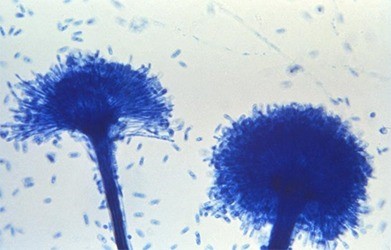
Molds are ubiquitously found microorganisms that are usually present as contaminants in food industrial environments. It has been shown that Cladosporium and Aspergillus genera are two of the most abundant and widely distributed in these locations because they are highly resistant species to sanitizing treatments. Hence, the search of antimicrobial compounds that are effective to these types of fungal contamination becomes relevant. The aim of this report was to evaluate the antifungal capacity of two commercial preparations made both with benzalkonium chloride (a first generation QAC) alone and with the addition of glutaraldehyde at different concentrations and contact times. A suspension-neutralization test was performed employing spores of five strains of both Aspergillus section Nigri and Cladosporium cladosporioides, all isolated from food industries environments. Results have shown that benzalkonium chloride preparation was successful in destroying Cladosporium spores at 5% (v/v) concentration (average 4D value of 9.1 min) but failed in neutralizing Aspergillus propagules at the same conditions. On the other hand, the commercial mixture made of benzalkonium chloride and glutaraldehyde was effective in the inactivation of all food spoilage fungi spores at 1% (v/v) concentration (average 4D value of 1.8 and 8.8 min for Cladosporium and Aspergillus strains, respectively).

Research – Lactic Acid Bacteria and Bacteriocins: Novel Biotechnological Approach for Biopreservation of Meat and Meat Products

MDPI

Meat and meat products are perishable in nature, and easily susceptible to microbial contamination and chemical deterioration. This not only results in an increased risk to health of consumers, but also causes economic loss to the meat industry. Some microorganisms of the lactic acid bacteria (LAB) group and their ribosomal-synthesized antimicrobial peptides—especially bacteriocins—can be used as a natural preservative, and an alternative to chemical preservatives in meat industry. Purified or partially purified bacteriocins can be used as a food additive or incorporated in active packaging, while bacteriocin-producing cells could be added as starter or protective cultures for fermented meats. Large-scale applications of bacteriocins are limited, however, mainly due to the narrow antimicrobial spectrum and varying stability in different food matrixes. To overcome these limitations, bioengineering and biotechnological techniques are being employed to combine two or more classes of bacteriocins and develop novel bacteriocins with high efficacy. These approaches, in combination with hurdle concepts (active packaging), provide adequate safety by reducing the pathogenicity of spoilage microorganisms, improving sensory characteristics (e.g., desirable flavor, texture, aroma) and enhancing the shelf life of meat-based products. In this review, the biosynthesis of different classes of LAB bacteriocins, their mechanism of action and their role in the preservation of meats and meat products are reviewed.

Mycotoxins – New EU maximum limits for Ochratoxin A in certain foodstuffs

Affidia Journal

On August 8th was published the Commission Regulation (EU) 2022/1370 of 5 August 2022 amending Regulation (EC) No 1881/2006 as regards maximum levels of Ochratoxin A in certain foodstuffs.

Ochratoxin A (OTA) is a naturally occurring foodborne mycotoxin produced by various fungi of the genus Aspergillus and Penicillium, and it can be found in a wide variety of agricultural commodities, such as grains, seeds and beans, dried fruits, spices, and roots.

OTA is formed during sun drying and storage of crops, and, due to its stability under moderate heating, it can persist along the food production chain. However, losses ranging up to 90% have been observed at temperatures above 180°C.

Several toxic effects associated with OTA have been reported over the years.

The International Agency for Research on Cancer has included OTA in its Group 2 carcinogens, due to its kidney carcinogenicity, even if the mechanisms of genotoxicity are still unclear.

In 2006 the European Food Safety Authority performed a first risk assessment for OTA. In agreement with this assessment, the European Commission established in Regulation (EC) 1881/2006 maximum admissible levels of OTA for human consumption in many foodstuffs, such as cereals, coffee, grapes, grapefruit, dried vine fruits, wine, spices, and liquorice.

In recent years, further findings of high levels of Ochratoxin A were observed in food products for which no maximum levels were set at EU level, this raised questions regarding the necessity of setting new maximum levels for OTA in these foods.

In May 2020, EFSA published a revision of the OTA risk assessment, taking into account the new scientific evidence.

Based on this new risk assessment, the EU Commission established the Regulation (EU) 2022/1370, which revised the maximum levels for OTA present in Regulation (EC) 1881/2006 as follows:
• setting a maximum level for foods not yet included that contribute to human exposure to OTA;
• setting a level for non-alcoholic malt beverages and date syrup, pending the determination of a link with the OTA content of malt and dates;
• reducing the levels already set in certain foods (e.g. bakery products, dried vine fruit, roasted coffee and soluble coffee);
• the existing provisions for ochratoxin A in certain spices has been broadened to all spices.
For cheese and ham, it has been established that additional monitoring on the presence of ochratoxin A is appropriate before the setting of maximum levels.

The new Regulation will enter into force on the 28th of August 2022 and it shall apply from 1 January 2023.

Research – Salmonella Typhimurium outbreak associated with frozen tomato cubes at a restaurant in western Finland, January to February 2021

Eurosurveillance

On 2 February 2021, a local environmental health authority in western Finland notified the National Registry for Food and Waterborne Outbreaks about six cases of  infection suspected to be related to a local lunch restaurant in a region where there had been between one and three salmonellosis cases per month. More cases were soon discovered that were linked to food eaten at the same restaurant on the days 27–29 January 2021, and the Finnish Institute for Health and Welfare (THL) was informed of 44 outbreak-related cases. The estimated number of potentially exposed persons was 400. THL and the Finnish Food Authority joined the local outbreak investigation team to support and coordinate the epidemiological and microbiological investigations.

We report here a food-borne outbreak caused by a non-monophasic multidrug-resistant  Typhimurium strain that was not detected in Finland before.

Research – Impregnation of the French population by mycotoxins. National Biomonitoring Program, Esteban 2014-2016

Sante Publique

Mycotoxins are substances secreted by certain toxigenic strains of several species of molds (microscopic fungi) such as Aspergillus, Penicillium, Fusarium, Byssochlamys, Alternaria etc. which in particular contaminate cereals and plants before and or after harvest. 

The toxicity of mycotoxins depends on the species and the nature of the toxin. They are generally thermostable, resistant to transformation processes and can be found in many foodstuffs and be responsible for acute or chronic poisoning in humans or animals. 

Of the 300 to 400 known mycotoxins, about ten of them can cause animal or human pathologies: aflatoxins (AF), ochratoxin A (OTA), fumonisins deoxynivalenol (DON), T-2 and HT-2 toxins, trichotecenes (TC), zearalenone (ZEN) and patulins which contaminate fruits, especially apples. In 1993, the IARC (International Agency for Research on Cancer) classified aflatoxins in group 1, carcinogenic to humans; AFB1, considered one of the most potent natural genotoxic carcinogens, is classified in group 1 (IARC, 2002). 

The target organ is the liver. As for OTA, it is considered possibly carcinogenic for humans and classified in group 2B (1993); in humans as in animals, the kidney is the main target organ. OTA would also have immunotoxic and neurotoxic effects. Due to their harmful effects, exposure to mycotoxins must remain as low as possible to protect the population. L’ WHO encourages the monitoring of mycotoxin levels in food because they represent a risk for human and animal health. 

In France, data on the impregnation of the French population by mycotoxins are almost non-existent, with the exception of a study carried out in three French regions [1, 2]. The Esteban cross-sectional study (Health study on the environment, biomonitoring, physical activity and nutrition) made it possible to measure the levels of impregnation by aflatoxins and OTA of the population in mainland France aged 6 at 74 years old between April 2014 and March 2016.

The purpose of this note is to present the results of impregnation by AFs and OTA, and to analyze the determinants of exposure to OTA in adults . Aflatoxins B1, B2, G1, G2, M1 were not quantified, neither in children nor in adults. For OTA, the percentage of quantification was equal to 45.5% in children and 47.8% in adults. The geometric means of the levels of impregnation by the OTA were lower than the LOQ or not provided considering the important rate of censorship. 

The search for the determinants of exposure by OTA, essentially dietary, in adults showed an increase in impregnation with the consumption of processed meats. Not all associations could likely be identified due to small sample size. A future biomonitoring study could make it possible to deepen the search for determinants of the impregnations observed and to broaden the knowledge of the

Author: Oleko Amivi, Hoang Phan, Fillol Clémence, Gane Jessica, Saoudi Abdessattar, Zeghnoun Abdelkrim
Year of publication: 2022
Pages: 35 p.
Collection: Studies and Surveys

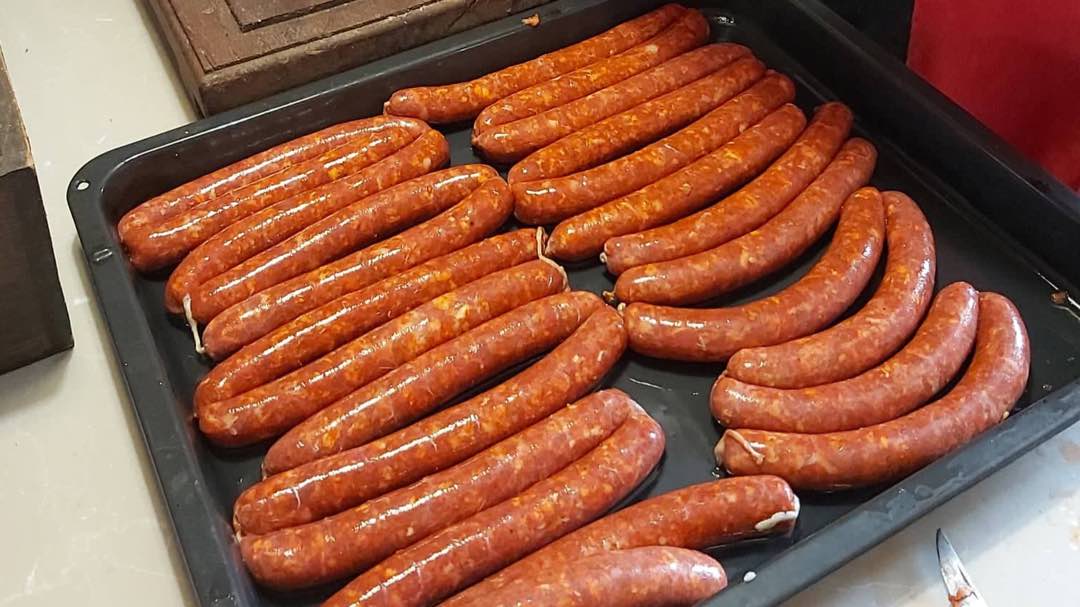
France – Merguez Sausage – Salmonella

Gov france

Identification information of the recalled product

  • Product category Feed
  • Product subcategory Meats
  • Product brand name home-made
  • Model names or references merguez manufacturing store
  • Identification of products
    Batch
    manufacture of 08/10/2022 expiry date: 13/10/2022
  • Products Listscan_-_copy.pdfAttachment
  • Packaging bulk kg
  • Marketing start/end date From 08/10/2022 to 13/10/2022
  • Storage temperature Product to be stored in the refrigerator
  • Further information bulk merguez
  • Geographic area of ​​sale Intermarché Montaigu de Quercy
  • Distributors Intermarché Montaigu de Quercy

Practical information regarding the recall

  • Reason for recallpresence of salmonella in one of the bacteriological controls.
  • Risks incurred by the consumer Salmonella spp (causative agent of salmonellosis)

France – ANCIENT HERRING FILLET sold at the traditional fish counter – Listeria monocytogenes

Gov france

Identification information of the recalled product

  • Product category Feed
  • Product subcategory Fishery and aquaculture products
  • Product brand name unbranded (sold in the seafood department with service)
  • Model names or references ANCIENT HERRING FILLET
  • Identification of products
    Lot
    lot sold between 12/10/2022 and 14/10/2022
  • Marketing start/end date From 12/10/2022 to 14/10/2022
  • Storage temperature Product to be stored in the refrigerator
  • Further information product sold at the seafood department with service
  • Geographic area of ​​sale cora Forbach
  • Distributors cora Forbach

Practical information regarding the recall

  • Reason for recall Presence of listeria
  • Risks incurred by the consumer Listeria monocytogenes (causative agent of listeriosis)

France – SMOKED MATCHES WITHOUT NITRITE ORGANIC* – Salmonella

Gov france

Identification information of the recalled product

  • Product category Feed
  • Product subcategory Meats
  • Product brand name Thierry Schweitzer
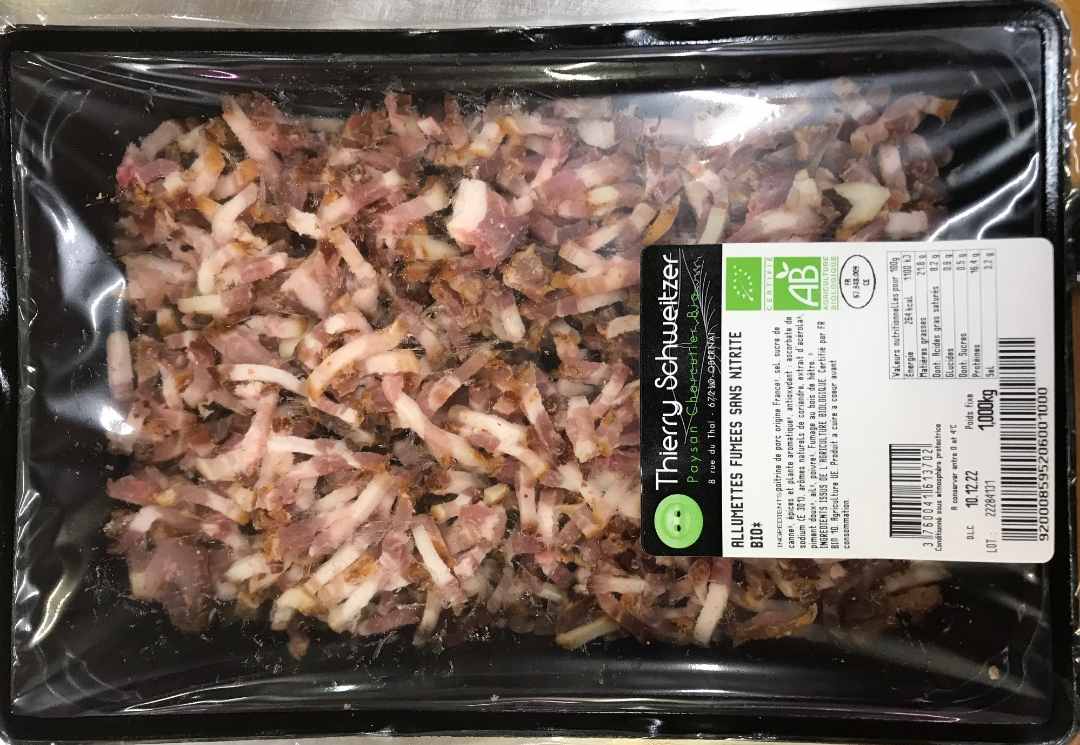
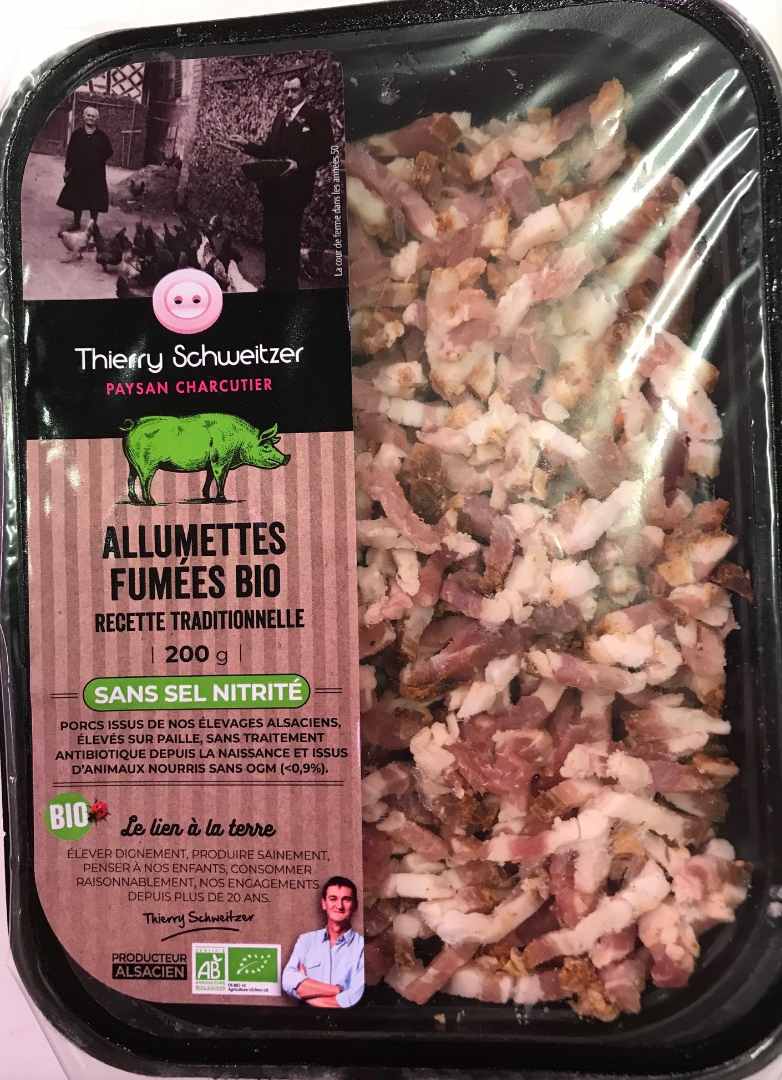
  • Model names or references SMOKED MATCHES WITHOUT NITRITE ORGANIC* 200g SMOKE MATCHES WITHOUT NITRITE ORGANIC* 1kg
  • Identification of products
    GTIN Batch Date
    3760041613702 22284-131 Use-by date 10/12/2022
    3760041613696 22284-131 Use-by date 10/12/2022
  • Packaging Tray under protective atmosphere 200g and Tray under protective atmosphere 1kg
  • Marketing start/end date From 13/10/2022 to 19/10/2022
  • Storage temperature Product to be stored in the refrigerator
  • Health markFR67348009CE
  • Geographic area of ​​sale Departments: BAS-RHIN (67), HAUT-RHIN (68)
  • Distributors Stands Thierry Schweitzer, Groupe Auchan, Cora, La source(Barr), Groupe U, Vivre bio(vendenheim), Le fruitier(Haguenau), Cote nature, Carrefour, La ferme du chateau (Pfastatt), Biocoop(Neudorf), Api ( Epfig)

Practical information regarding the recall

  • Reason for recall Presence of Salmonella
  • Risks incurred by the consumer Salmonella spp (causative agent of salmonellosis)

France – Goat cheese with raw milk 12% fat 4 X 100 g EP – STEC E.coli O103

Gov france

Identification information of the recalled product

  • Product category Feed
  • Product subcategory Milk and dairy products
  • Product brand name The goatherd of Crays
  • Model names or references Goat cheese with raw milk
  • Identification of products
    GTIN Batch Date
    3503961310043 255 Use-by date 11/10/2022
  • Products ListPA.2022.446_-__poster_Rappel_Faisselle_de_chèvre_lait_raw_-_221020.pdfAttachment
  • Packaging4 x 100g
  • Storage temperature Product to be stored in the refrigerator
  • Health mark EN 71.235.001 EC
  • Geographic area of ​​sale Regions: Grand-Est
  • Distributors U Teaches

Practical information regarding the recall

  • Reason for recall Presence of Escherichia coli O103:H2
  • Risks incurred by the consumer Toxigenic Shiga Escherichia coli (STEC)