Archives
-
Join 347 other subscribers
KSWFoodWorld
Blog Stats
- 485,901 Views
Category Archives: Food Microbiology Blog
Research – Combined Pulsed Electric Field with Antimicrobial Caps for Extending Shelf Life of Orange Juice
The purpose of this study was to investigate the effectiveness of combined pulsed electric fields (PEF) and antimicrobial packaging treatment in maintaining the quality and stability of orange juice stored at 10 °C. Orange juice was treated by PEF and stored in glass jars with antimicrobial caps coated with 10 µL of carvacrol essential oil (AP). Microbial reductions and physiochemical properties of juice samples were determined after treatments and during storage at 10 °C. Orange juice samples subjected to the combined treatment (PEF+AP) had the lowest yeast and mold populations after 14 day-storage at 10 °C. There were no significant differences in pH, acidity, color, total soluble solid contents, total phenol compounds, and Vitamin C among all samples after treatments. Storage studies showed that PEF, AP, and PEF+AP treatments maintained the quality and stability of orange juice stored at 10 °C for 5 weeks but lost Vitamin C. This study provides valuable information to juice processors for consideration and design of nonthermal pasteurization with antimicrobial packaging of juice products. View Full-Text
Posted in Decontamination Microbial, Food Micro Blog, Food Microbiology, Food Microbiology Blog, Food Microbiology Research, Food Microbiology Testing, Food Safety, Food Safety Management, food safety training, Food Technology, microbial contamination, Microbial growth, Microbiological Risk Assessment, Microbiology, Microbiology Investigations, Microbiology Risk
Research – Occurrence and Characteristics of Escherichia albertii in Wild Birds and Poultry Flocks in Switzerland
Abstract
Escherichia albertii, a zoonotic pathogen, has sporadically been associated with infectious diarrhea in humans. Poultry and wild birds are considered potential reservoirs. We assessed the occurrence of E. albertii in 280 fecal samples from wild birds (n = 130) and pooled fecal samples collected at slaughterhouse level from poultry flocks (n = 150) in Switzerland. Using an E. albertii-specific PCR targeting the Eacdt gene, 23.8% (31/130) of the samples from wild birds, but not from the pooled poultry fecal samples, tested positive for Eacdt. The positive samples originated from 11 bird species belonging to eight families. Strain isolation was attempted on the PCR-positive samples by subculturing the broth cultures onto xylose–MacConkey plates. Isolation was possible on 12 of the 31 Eacdt-PCR-positive samples. Whole-genome sequencing revealed that the strains belonged to nine distinct sequence types, with ST13420 and ST5967 being represented by two and three isolates, respectively. All strains harbored the eae gene, while two strains were also positive for stx2f. Our study thus shows that E. albertii is present in the Swiss wild bird population, which can potentially act as a source of this pathogen to humans, other animals, and the environment. View Full-Text
Research – Mathematical modeling of Bacillus cereus in Saengsik, a powdered ready-to-eat food and its application in quantitative microbial risk assessment
Abstract
In this study, we developed a mathematical model to describe the fate of Bacillus cereus in Saengsik, a powdered ready-to-eat food with reduced moisture content, and to estimate the probability of B. cereus infection from Saengsik consumption, using quantitative microbial risk assessment (QMRA). The isothermal kinetic behavior of B. cereus was analyzed as a function of temperature (5–40°C). Bacterial cell counts were fitted to the Weibull model using GinaFit, and the obtained delta values (required time for the first decimal reduction) for each temperature were 128.3–17,124.1 hr and concave (ρ < 1) were observed under all experimental conditions. The obtained delta values were analyzed using the Davey model as a function of temperature, and the performance of the developed model of survival of B. cereus was appropriate based on the validation parameters (Bf, Af, and RMSE) within the acceptable range. QMRA model was developed using data on the prevalence and concentration of B. cereus along with time and temperature along the retail-to-consumer steps. Using a baseline model with the currently available data, the probability of B. cereus infection was zero. These results provide useful information for the risk assessment and management of microbial risk in foods, especially those with very low-moisture content.
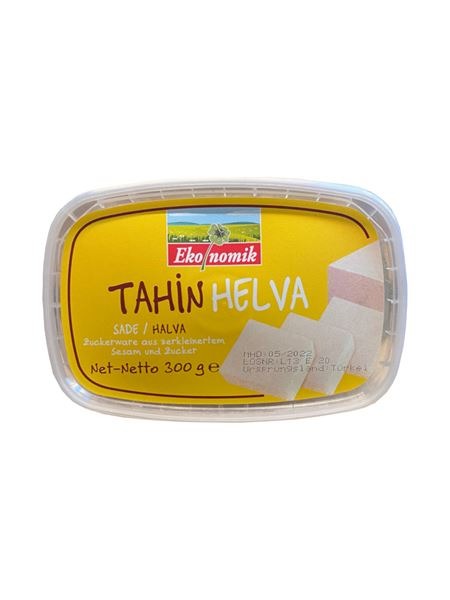
France – Natural Helva 300g – Salmonella

Identification information of the recalled product
- Product category Feed
- Product subcategory Sweet products
- Product brand name EKONOMIK
- Model names or references Helva tahini Nature
- Identification of products
GTIN Batch Date 4260065870994 L09 E22 Use-by date 05/31/2024 - Packaging plastic box
- Marketing start/end date From 01/09/2021 to 07/11/2022
- Storage temperature Product to be stored at room temperature
- Geographic area of sale Departments: RHONE (69)
- Distributors Rize Market
- List of points of saleAddresses_Rize_Market.pdf
Practical information regarding the recall
- Reason for recall Possible presence of serogroup C salmonella
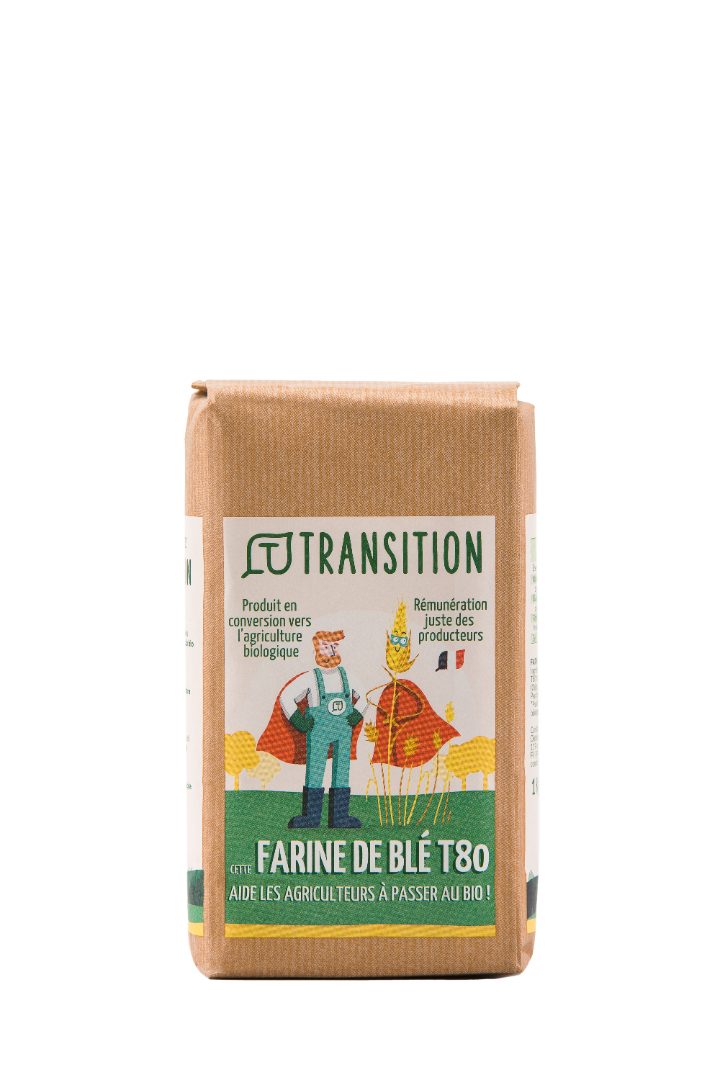
France – Wheat flour T80 – Mycotoxin – Ochratoxin A

Identification information of the recalled product
- Product categoryFeed
- Product subcategoryCereals and baked goods
- Product brand nameTRANSITION
- Model names or referencesWheat flour T80 1kg Transition – in organic conversion
- Identification of products
GTIN Batch Date 3770014111470 191121 Date of minimum durability 19/11/2022 - Marketing start/end dateFrom 02/12/2021 to 11/03/2022
- Storage temperatureProduct to be stored at room temperature
- Geographic area of saleWhole France
- DistributorsAuchan, Match, Franprix, Carrefour, Cora, Intermarché, Leclerc, super U
Practical information regarding the recall
- Reason for recallOchratoxin A level above the authorized regulatory limit
Posted in food contamination, food handler, Food Hazard, Food Hygiene, Food Micro Blog, Food Microbiology, Food Microbiology Blog, Food Microbiology Testing, Food Poisoning, food recall, Food Safety, Food Safety Alert, Food Safety Management, Food Testing, Food Toxin, Mold Toxin, Mould Toxin, Mycotoxin, Ochratoxin, Ochratoxin A
USA – CDC Investigation Notice – Listeria Outbreak Linked to Enoki Mushrooms
Listeria is especially harmful if you are pregnant, aged 65 or older, or have a weakened immune system. If you are in any of these groups, do not eat raw enoki mushrooms. Cook enoki mushrooms thoroughly to kill any foodborne germs.
Investigators are working to identify specific brands of enoki mushrooms that may be contaminated with the outbreak strain of Listeria. However, many brands of enoki mushrooms have been recalled since the 2020 Listeria outbreak linked to enoki mushrooms.
Fast Facts
- Illnesses: 2
- Hospitalizations: 2
- Deaths: 0
- States: 2
- Recall: No
- Investigation status: Active

Listeria in Enoki Mushrooms
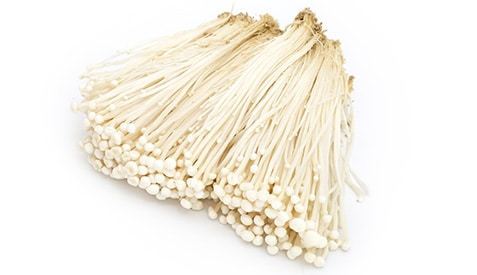
Enoki mushrooms are white and have long, thin stems. They are often sold in a bunch with roots in sealed plastic packaging. They are popular in Japanese, Chinese, and Korean food, and they are almost always eaten cooked in soups, hot pots, and stir-fried dishes.
In 2020, CDC investigated the first known Listeria outbreak in the United States linked to enoki mushrooms. This outbreak resulted in three recalls of enoki mushrooms that were imported from Korea. Since then, the U.S. Food and Drug Administration (FDA) and public health officials from several states have been collecting samples of enoki mushrooms and found Listeria in many samples, resulting in more than 20 recalls of enoki mushrooms.
Source of the Outbreak
Information collected so far shows that enoki mushrooms are the likely source of these illnesses.
Both sick people reported eating enoki mushrooms or eating at restaurants with menu items containing enoki mushrooms. The outbreak strain was previously found in one sample of enoki mushrooms that FDA collected at import. However, to date, the firm associated with this sample has not been identified as a potential source of enoki mushrooms in this outbreak.
Investigators are working to identify specific brands of enoki mushrooms linked to these illnesses.
Posted in CDC, food bourne outbreak, food contamination, food handler, Food Hazard, Food Hygiene, Food Illness, Food Inspections, Food Micro Blog, Food Microbiology, Food Microbiology Blog, Food Microbiology Testing, Food Pathogen, food recall, Food Safety, Food Safety Alert, Food Safety Management, Foodborne Illness, foodborne outbreak, foodbourne outbreak, Illness, Listeria, Listeria monocytogenes, outbreak
Research – Guidance for Controlling Listeria monocytogenes (Lm) in Retail Delicatessens – Best Practice Tips for Deli Operators
This guidance document provides specific recommendations for actions that retailers can take in the delicatessen (deli) area to control Listeria monocytogenes (Lm) contamination of ready-to-eat (RTE) meat and poultry products. This document is also available in PDF format. These materials highlight recommendations that are based on an evaluation of retail conditions and practices in the Interagency Risk Assessment–Listeria monocytogenes in Retail Delicatessens (Interagency Retail Lm Risk Assessment). In addition, FSIS has included information from the Food and Drug Administration (FDA) Food Code, scientific literature, other guidance documents, and lessons learned from Food Safety and Inspection Service (FSIS) verification sampling and review of sanitation programs for Lm in meat and poultry processing establishments.
This version of the guidance document replaces the previous version of the document which was issued and announced in the Federal Register (79 FR 22082; April 21, 2014). FSIS updated this guidance based on comments received during the public comment period, which closed on June 20, 2014. FSIS made the following changes in response to comments:
- Clarified that food processing equipment should be disassembled during cleaning and sanitizing.
- Added a recommendation that retailers scrub surfaces during cleaning to prevent biofilm formation.
- Clarified that retailers should rotate (change) sanitizers to help prevent Lm from establishing niches in the environment and forming biofilms.
Posted in food contamination, food handler, Food Hazard, Food Hygiene, Food Inspections, Food Micro Blog, Food Microbiology, Food Microbiology Blog, Food Microbiology Research, Food Microbiology Testing, Food Safety, Food Safety Management, food safety training, Listeria, Listeria monocytogenes, Research
LISTERIA – Action Plan for Retailers
LISTERIA Action Plan for Retailers
Listeria control is an ongoing challenge for retailers in the deli and any department where fresh foods are stored and foods are prepared. FMI and our members are committed to finding ways to control the growth and if possible, eliminate the presence of Listeria at retail to reduce the risk in the retail environment. Retail delis provide an ideal environment for Listeria growth due to the type of food (ready to eat [RTE] meats, cheeses, and salads), the moist environment, and temperatures that support the growth of Listeria. As retailers increase the RTE and prepared foods they offer to customers, Listeria control plans need to be in place to offer the appropriate food safety controls. For the purposes of this document, the organism we are concerned about is Listeria monocytogenes which we will abbreviate as Listeria. It is commonly found in the environment and when ingested, it can cause serious disease in humans and has been associated with a significantly higher hospitalization and fatality rate than other foodborne pathogens. FMI Food Protection Committee have expanded upon the advice and recommendations of the Listeria Action Plan for Retail Delis to include additional recommendations in order to assist retailers in developing food safety plans to help control the growth of Listeria beyond the deli.
Greece – Two Clostridium botulinum Cases
The EODY rang the bell for two serious cases of botulism in Greece.
As he states in his announcement, on November 15, 2022, a confluence of 2 suspected botulism cases linked to each other by a family relationship (couple) was declared through the EODY’s Mandatory Disease Notification System.
The botulism antitoxin distribution mechanism was immediately mobilized through the EODY, in collaboration with the treating doctors, to administer the antitoxin to the two patients.
With the assistance of the World Health Organization, it was possible to administer the special antitoxin within the first twenty-four hours from the declaration of the 2 cases to EODY. The two patients, one of whom is intubated, are hospitalized in a stable clinical condition in health units in Attica.
According to the EODY, from the reported food consumption history, it emerged that the couple, of foreign nationality, who were in Greece on vacation, consumed, a few days before the onset of symptoms, asparagus prepared by them through the canning process.
It is noted that in the period 2004-2021, three laboratory-confirmed cases of botulism in infants and one suspected case in an adult were reported to EODY.
Sweden – At least 100 ill in Swedish Cryptosporidium salad outbreak
A rise in Cryptosporidium infections in Sweden has been attributed to contaminated salad by public health officials.
The Public Health Agency of Sweden (Folkhälsomyndigheten) said 101 cases of a certain type of Cryptosporidium parvum had been confirmed in 13 regions of the country.
Patients fell ill from Sept. 25 to Oct. 15 this year and women were more affected than men. Cases range from 4 to 86 years old with an average age of 42.
Link to salad
The agency added there are another 99 potential cases being investigated. The type of Cryptosporidium parvum involved is common so there could be several possible sources.
Local infection control units, the Swedish Food Agency (Livsmedelsverket) and Folkhälsomyndigheten investigated the increase in infections to find a source.
Analysis of information from patients on what they had eaten before becoming ill shows they ate mixed or bagged salad more often than a control group.
Salad has a short shelf life so health officials don’t think it is still available for sale but no products have been sampled.
Livsmedelsverket has looked into possible producers and growers but has been unable to find the likely source of infection.
As reported cases of Cryptosporidium have decreased and are at similar levels to previous years, officials believe the outbreak is over.
Posted in Contaminated water, Cryptosporidiosis, Cryptosporidium, food bourne outbreak, Food Illness, Food Micro Blog, Food Microbiology, Food Microbiology Blog, Food Microbiology Testing, Foodborne Illness, foodborne outbreak, foodbourne outbreak, Illness, microbial contamination, Microbial growth, Microbiological Risk Assessment, Microbiology, Microbiology Investigations, Microbiology Risk, outbreak, Water, water microbiology, Water Safety