Brand : SALUMIFICIO SCARLINO SRL
Name : CHICKEN AND TURKEY COCKS
Reason for reporting : Remind for microbiological risk
Date of publication : 18 November 2022


Brand : SALUMIFICIO SCARLINO SRL
Name : CHICKEN AND TURKEY COCKS
Reason for reporting : Remind for microbiological risk
Date of publication : 18 November 2022
Posted in food contamination, food handler, Food Hazard, Food Hygiene, Food Inspections, Food Micro Blog, Food Microbiology, Food Microbiology Blog, Food Microbiology Testing, Food Pathogen, food recall, Food Safety, Food Safety Alert, Food Safety Management, Food Testing, Salmonella, Salmonella in Chicken
The Centre for Food Safety has drafted a set of trade guidelines on oysters intended for raw consumption. This set of guidelines aims to assist the food businesses in understanding the risks associated with raw oysters and implementing appropriate and practical food safety measures in their operations to reduce the occurrence of foodborne illnesses while also allowing susceptible groups of consumers to make informed choices. We are inviting members of the trade to provide comments on the draft guidelines. Your valuable comments will help us improve this set of guides. Please return your comments by 30 November 2022. Thank you.
Draft Oysters Intended for Raw Consumption – Food Safety Guidelines for Food Businesses
The manufacturer Textbot Ltd. calls for the return of the product “Cooked Smoked Shoulder Roast Beef”
In an inspection conducted by the Food Service of the Tel Aviv Health Bureau for the product “Cooked Smoked Shoulder Roast Beef” the bacterium Listeria monocytogenes was found in the product.
Posted in food contamination, food handler, Food Hazard, Food Hygiene, Food Inspections, Food Micro Blog, Food Microbiology, Food Microbiology Blog, Food Microbiology Testing, Food Pathogen, food recall, Food Safety, Food Safety Alert, Food Safety Management, Food Testing, Listeria, Listeria monocytogenes
The manufacturer Eitan Nissim Ltd. calls for the return of the “chopped liver salad” product
An inspection conducted by the food service of the Tel Aviv Health Bureau for the product “chopped liver salad” found the bacterium Listeria monocytogenes in the product.
Posted in food contamination, food handler, Food Hazard, Food Hygiene, Food Inspections, Food Micro Blog, Food Microbiology, Food Microbiology Blog, Food Microbiology Testing, Food Pathogen, food recall, Food Safety, Food Safety Alert, Food Safety Management, Food Testing, Listeria, Listeria monocytogenes
Posted in E.coli O157, E.coli O157:H7, FDA, food bourne outbreak, Food Micro Blog, Food Microbiology, Food Microbiology Blog, Food Microbiology Research, Food Microbiology Testing, Food Poisoning, foodborne outbreak, foodbourne outbreak, microbial contamination, Microbial growth, Microbiological Risk Assessment, Microbiology, Microbiology Investigations, Microbiology Risk, outbreak, Salmonella
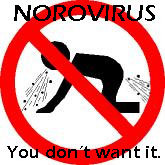
Norovirus, commonly known as the winter vomiting bug, is a stomach bug that causes sickness and diarrhoea. Following lower levels than normal throughout the COVID-19 pandemic, we have started to see an increase in norovirus activity as we head into the winter period.
Norovirus is able to spread easily through communities and so outbreaks are common in settings where individuals have close contact such as hospitals, care homes, schools and nurseries.
For most people this is an unpleasant, short-lived illness and they make a full recovery within 2-3 days without needing any medicine. However, some groups, including young children, the elderly or those with weakened immunity, are at risk of suffering more serious and prolonged illness which may require medical treatment.
Norovirus is easily transmitted through contact with people with the infection and any surfaces or objects which have been contaminated with the virus. Symptoms include sudden onset of nausea, projectile vomiting and diarrhoea but can also include a high temperature, abdominal pain and aching limbs.
The incubation period of norovirus is 12-48 hours, which is the time between catching the virus and developing symptoms. Individuals are most infectious when symptomatic, but it is possible to pass on norovirus or shed the virus, thereby contaminating surfaces, objects or even food, both before developing symptoms and after symptoms have stopped.
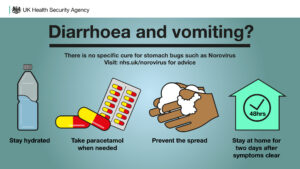
Good hand hygiene is important to stop norovirus spreading. To avoid catching norovirus or passing it on to others wash your hands frequently and thoroughly with soap and warm water. This is most important following an episode of illness, after using the toilet, before eating or preparing food as well as cleaning up vomit or diarrhoea. Alcohol-based hand sanitisers are not effective against norovirus.
Fischfrikadelle, offered in the fresh food counter Offers in the market from 01.08.2022 up to and including 15.11.2022
Distributor: Jeka Fish A/S, Denmark Sales through several retail chains throughout Germany.
The reason for the precautionary recall is a contamination with listeria found at the production site during an inspection.
Reference is made to the company’s attached customer information.
Click to access MSC+Fisch+Frikadelle_00898051_1511_%F6RR_Kundeninformation_NEU.pdf
Posted in food contamination, food handler, Food Hazard, Food Hygiene, Food Inspections, Food Micro Blog, Food Microbiology, Food Microbiology Blog, Food Microbiology Testing, Food Pathogen, food recall, Food Safety, Food Safety Alert, Food Safety Management, Food Testing, Listeria, Listeria monocytogenes
Green Day Produce, Inc. of Vernon, CA is recalling its 200g/ 7.05oz packages of ENOKI MUSHROOM (Product of Korea) sold from September 2022 – October 2022 because it has the potential to be contaminated with Listeria monocytogenes, an organism which can cause serious and sometimes fatal infections in young children, frail or elderly people, and others with weakened immune systems. Although healthy individuals may suffer only short-term symptoms such as high fever, severe headache, stiffness, nausea, abdominal pain and diarrhea, Listeria infection can cause miscarriages and stillbirths among pregnant women.
The recalled Enoki Mushroom was distributed nationwide to distributors and retail stores.
The Enoki Mushroom comes in a 200g/7.05oz clear plastic package with the following description “Enoki Mushroom” in the front and Green Day Produce, Inc. in the back. The UPC is 16430-69080 is located on the back side of the package. There is no lot code or dates on the package.
No illnesses have been reported to date in connection with this problem. The distribution of the product has been suspended.
The potential for contamination was discovered after a retail sample was collected and analyzed by Michigan Department of Agriculture and Rural Development (MDARD) and revealed the presence of Listeria monocytogenes in 200g/7.05 oz. package of Enoki mushroom.
This recall is being made with the knowledge of the U.S. Food and Drug Administration and CDPH.
Consumers who have purchased 200g/7.05 oz. packages of Enoki are urged to return them to the place of purchase for a full refund. Consumers with questions may contact the company at (323) 587-4688 or william@greendayinc.com
Posted in FDA, food contamination, food handler, Food Hazard, Food Hygiene, Food Inspections, Food Micro Blog, Food Microbiology, Food Microbiology Blog, Food Microbiology Testing, Food Pathogen, food recall, Food Safety, Food Safety Alert, Food Safety Management, Food Testing, Listeria, Listeria monocytogenes, listeriosis
Brand : AURORA SRL
Name : COPAV
Reason for reporting : Remind for microbiological risk
Date of publication : 16 November 2022
Posted in food contamination, food handler, Food Hazard, Food Hygiene, Food Inspections, Food Micro Blog, Food Microbiology, Food Microbiology Blog, Food Microbiology Testing, Food Pathogen, food recall, Food Safety, Food Safety Alert, Food Safety Management, Food Testing, Salmonella, Salmonella in Eggs
Brand : Azienda Avicola Ovotri Srl
Name : Azienda Avicola Ovotri Srl
Reason for reporting : Remind for microbiological risk
Date of publication : 16 November 2022
Posted in food contamination, food handler, Food Hazard, Food Hygiene, Food Inspections, Food Micro Blog, Food Microbiology, Food Microbiology Blog, Food Microbiology Testing, Food Pathogen, food recall, Food Safety, Food Safety Alert, Food Safety Management, Food Testing, Salmonella, Salmonella in Eggs


