Category Archives: Food Micro Blog

Denmark – Marzipan – Mold/Mould

DVFA

Pure Raw Marzipan

Coop Danmark A / S is recalling a batch of Coop pure raw marzipan due to the discovery of mold in the product.

Recalled Foods , Published: March 25, 2022

Which food:
Coop pure raw marzipan
Net weight: 200g
Best before date: 08.09.2022
EAN barcode number: 7340191111134

Sold in:
Kvickly, SuperBrugsen, Fakta, Coop 365 and Dagli’Brugsen throughout the country and at Coop.dk/mad

Virksomhed , which recalls:
Coop Danmark A / S, Roskildevej 65, 2620 Albertslund

Cause:
The company has established that there is a risk of mold in the product.

Risk:
Mold formation makes the product unsuitable as food.

Advice for consumers:
The Danish Veterinary and Food Administration advises consumers to deliver the product back to the store where it was purchased or to discard it.

USA – Public Health Alerts Residents of Possible Exposure to Hepatitis A at Sunlife Organics Juice Bar in West Hollywood California

Food Poison Journal

The Los Angeles County Department of Public Health (Public Health) is working with Sunlife Organics Juice Bar in West Hollywood to alert consumers of a possible hepatitis A exposure. 
The Los Angeles County Department of Public Health identified hepatitis A virus infection in a food handler who worked at this location.

No additional cases have been identified at this time.

Public Health recommends hepatitis A vaccination for patrons who consumed food or beverages from Sunlife Organics in West Hollywood between March 14–17, 2022. Vaccination is not necessary for people who previously completed the hepatitis A vaccine series or are known to have a past infection. To prevent infection or reduce illness, hepatitis A vaccine should be administered within 14 days after a known exposure.

Hepatitis A vaccinations might be available through local pharmacies or physicians’ offices. In addition, Public Health will be offering free hepatitis A vaccinations to exposed persons at:

Hollywood Wilshire Health Center 
5205 Melrose Ave. 
Los Angeles, CA 90038

· Sunday, March 27, 2022 from 10am-1pm

· Monday, March 28, 2022 from 10am – 1pm

· Tuesday, March 29, 2022 from 8am – 4pm

Most people will have protective levels of antibody after one dose of the Hepatitis A vaccine but can choose to visit their primary care provider to complete the series with a second dose 6 months after receiving their first dose.

Hepatitis A is a liver infection caused by the hepatitis A virus. Hepatitis A causes acute liver disease, which may be severe. Hepatitis A is highly contagious and can be spread from person-to-person through the fecal-oral route (when contaminated feces from an infected person are somehow ingested by another person during close personal contact) or by eating or drinking contaminated food or water). Most adults with acute hepatitis A will have symptoms that may include fever, fatigue, nausea, vomiting, abdominal pain, dark colored urine and jaundice (yellowing of the skin or eyes). There is no specific antiviral treatment.

Vaccination is the best way to prevent disease. In addition, infection can be prevented by vaccination within 14 days after a known exposure to a person with infectious hepatitis A. Older adults and people with weakened immune systems might benefit from receiving immune globulin (IG) in addition to hepatitis A vaccination for prevention after an exposure. For any questions about hepatitis A or the need for immune globulin, Public Health recommends that you speak to your primary care provider. If you do not have a regular provider, call 2-1-1 for assistance.

Public Health will continue monitoring all known individuals who may have been exposed to individuals ill with hepatitis A

Germany – “Alburj – Halva with extra pistachios” 800 g Production date 07.02.2021 – Salmonella

LMW

Alert type: Food
Date of first publication: 03/25/2022
Product name:

“Alburj – Halva with extra pistachios” 800 g Production date 07.02.2021

Manufacturer (distributor): Distributor: Kosebate GmbH
Reason for warning:

Salmonella was detected in a sample.

Packaging Unit: 800g
Production date: 07.02.2021
Further information:

Reference is made to the company’s attached customer information.

Click to access Aushang+R%FCckruf+Halva+mit+extra+Pistazien+800g.pdf

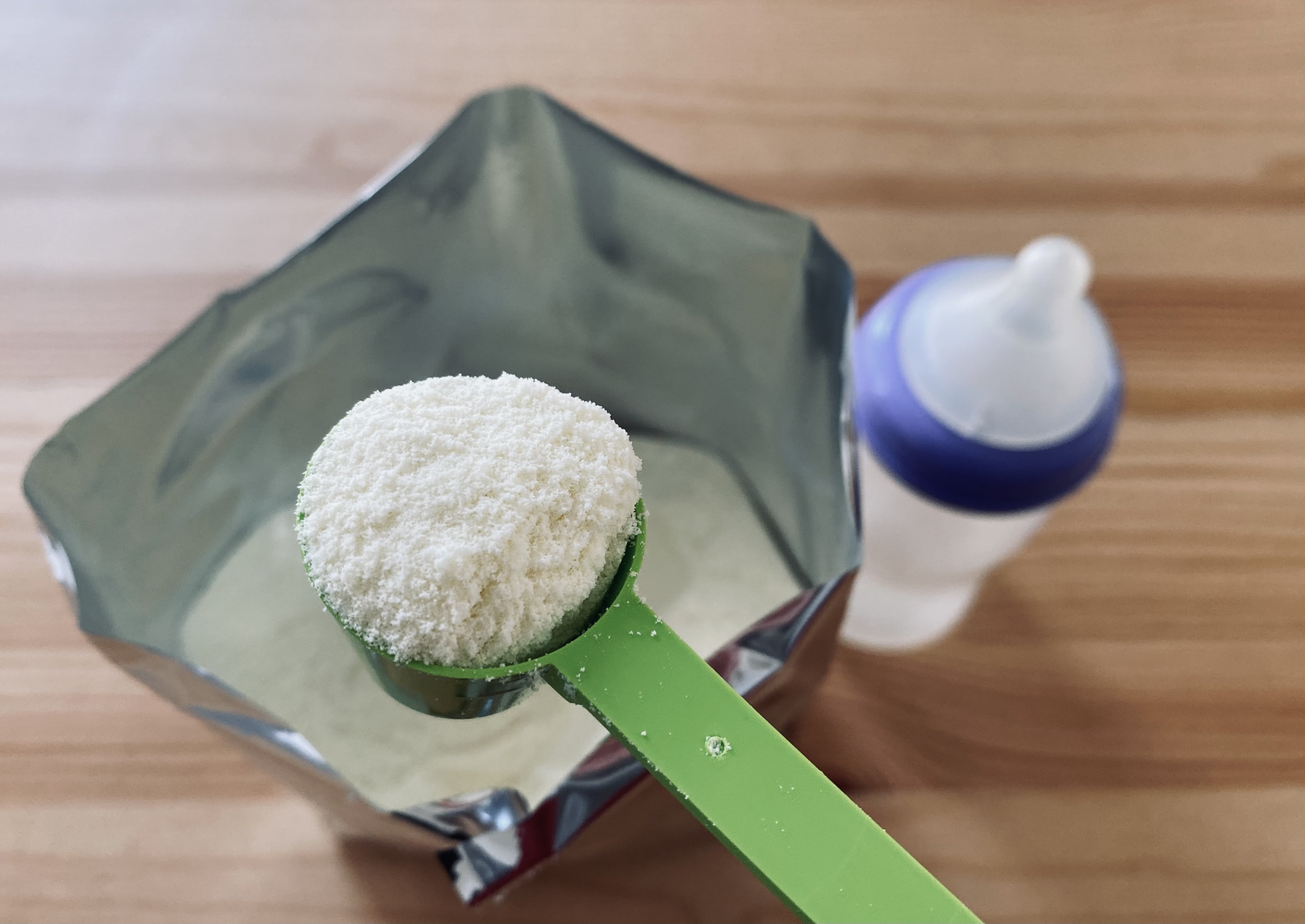
Germany – * Baby food * Similac, Alimentum and EleCare from the ABBOTT brand

LMW

Alert type: Food
Date of first publication: 03/25/2022
Product name:

* Baby food * Similac, Alimentum and EleCare from the ABBOTT brand

Product images:

image.jpg

BVL

Manufacturer (distributor): Abbott Nutrition in Sturgis, Michigan Country of origin: United States of America
Reason for warning:

Possible contamination with Salmonella Newport and Cronobacter sakazakii

Packaging Unit: 400 grams
Durability: from April 01, 2022
Lot identification: The first two digits of the lot number start with 22 to 37 AND the lot numbers contain the details K8, SH or Z2.
Further information:

Reference to a public warning from the US Food and Drug Administration:

Possible contamination of US infant formula with Cronobacter sakazakii and Salmonella Newport

Status 03/24/2022

The US Food and Drug Administration (FDA) warns against the use of certain powdered infant formulas manufactured by Abbott Nutrition in Sturgis, Michigan.

On February 17, 2022, Abbott announced that it had initiated a voluntary recall of certain lots of potentially affected products. The products in question are Similac, Alimentum and EleCare powdered food, which are manufactured at the plant in Sturgis, Michigan.

The recall is related to consumer complaints about Cronobacter sakazakii and Salmonella Newport infections in the United States. In all of these cases, infant formula from the manufacturer Abbott Nutrition is said to have been consumed. All five cases related to these ailments required hospitalization. In two cases, the infection may have contributed to the deaths of the patients.

The FDA is warning against the purchase and consumption of certain infant formulas manufactured at Abbott Nutrition’s Sturgis, Michigan facility.

The products were shipped within the USA and in member states of the EU (Italy, Ireland, Croatia, Netherlands, Slovenia, Spain) and other third countries (e.g. Great Britain, India, Islamic Republic of Iran, Northern Ireland, Russian Federation, Turkey, Ukraine, United States of America ) expelled. According to current knowledge, the products mentioned were not sold in Germany.

There is a possibility that consumers could have purchased the products online via marketplaces or through short-term stays in the Member States or third countries.

The FDA advises consumers not to use Similac, Alimentum, or EleCare powdered infant formula if:

  • the first two digits of the batch number begin with 22 to 37 and
  • the details K8, SH or Z2 are included and
  • a best-before date of April 1, 2022 is specified

The manufacturer offers the possibility to check the batch number of purchased products on the following page:  https://www.similacrecall.com/us/en/product-lookup.html

For more information on the FDA’s warning, please visit the following link: https://www.fda.gov/news-events/press-announcements/fda-warns-consumers-not-use-certain-powdered-infant-formula-produced- Abbott Nutrition Facility

The manufacturer’s recall can be found at the following link: https://www.fda.gov/safety/recalls-market-withdrawals-safety-alerts/abbott-voluntarily-recalls-powder-formulas-manufactured-one-plant

For the warning in Turkish language, please refer to the following link: https://www.titck.gov.tr/duyuru/ilac-geri-cekme-24022022101035

Information on Salmonella and Cronobacter sakazakii

Salmonella  and  Cronobacter sakazakii  can cause illness in infants when present in powdered infant formula. Although Cronobacter sakazakii and Salmonella cannot grow in powdered infant formula, they can survive for a long period of time and therefore pose a potential risk after liquid addition if the product is not heated sufficiently during preparation. Contamination of infant formula powder with Cronobacter sakazakiiand salmonella can cause serious illnesses in infants, such as diarrhea (sometimes bloody), fever, sepsis or meningitis, which can cause serious neurological and developmental problems and, in rare cases, can be fatal. Sepsis and meningitis can present with poor feeding, irritability, temperature changes, jaundice (yellow skin and whites of the eyes), and abnormal breathing and movements. Among infants, newborns (<28 days), especially preterm, low birth weight, or immunocompromised infants are most at risk of becoming infected.

(Unofficial translation of the information at: https://www.fsai.ie/news_centre/food_alerts/Similac.html )

Further information on salmonella, also in other languages, can be found here: http://www.infectionsschutz.de/erregersteckbriefe/salmonellen

Germany – Kerem – mini figs – 250g – Ochratoxin A

LMW

Photo Figs.JPG

Alert type: Food
Date of first publication: 03/25/2022
Product name:

Kerem – mini figs – 250g

Product images:

Manufacturer (distributor): Fresh Nuts GmbH, Pinkertweg 10, 22113 Hamburg
Reason for warning:

Exceeding the limit value of the active substance ochratoxin A

Packaging Unit: 250 g
Durability: at least April 30, 2022
Lot identification: 21002960 / 21003123 / 21003122 / 22000191
Manufacturer’s website:

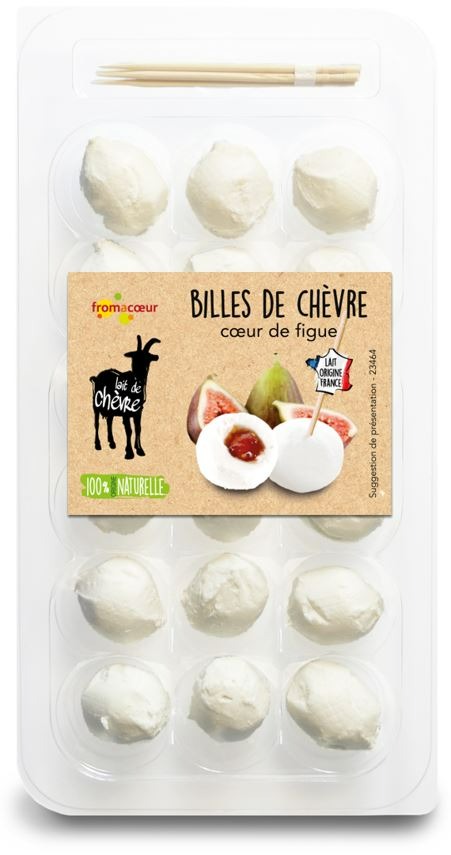
France – Fig heart goat cheese balls 90g – Listeria monocytogenes

Gov france

Identification information of the recalled product

  • Product category Food
  • Product subcategory Milk and dairy products
  • Product brand name FROMAOCEUR
  • Model names or references Fig heart goat cheese balls 90g
  • Identification of products
    GTIN Lot Dated
    3760064261461 22-042 Use-by date 03/22/2022
    3760064261461 D22-042 Use-by date 03/23/2022
    3760064261461 S22-063 Use-by date 04/12/2022
    3760064261461 S22-080 Use-by date 04/29/2022
  • Marketing start/end date From 02/17/2022 to 03/25/2022
  • Storage temperature Product to be stored in the refrigerator
  • Health markFR-16.292.066-CE
  • Geographic area of ​​sale Whole France
  • Distributors CASINO, VIVAL, SPAR and Casino CARREFOUR AUCHAN distribution networks

Practical information regarding the recall

  • Reason for recall Potential presence of listeria monocytogenes
  • Risks incurred by the consumer Listeria monocytogenes (causative agent of listeriosis)

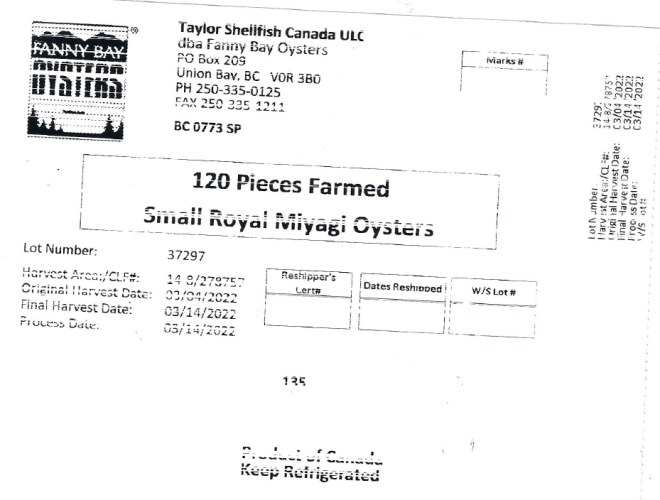
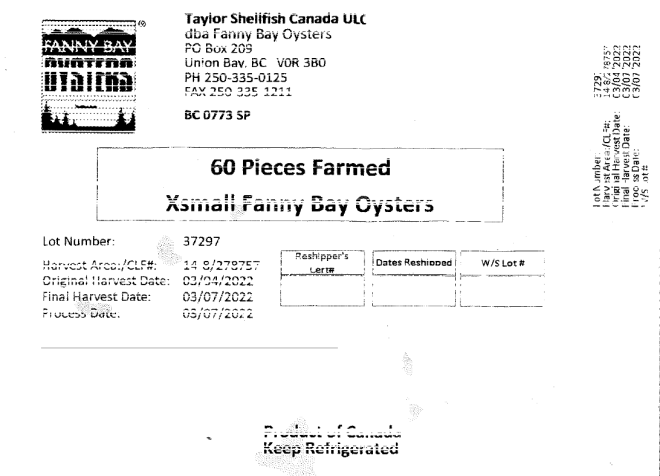
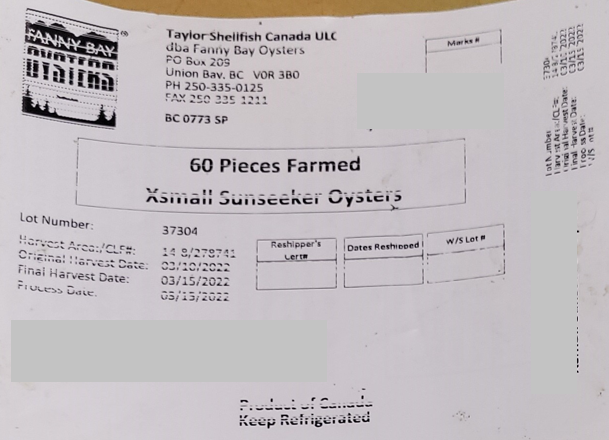
Canada – Certain Taylor Shellfish Canada ULC brand Oysters recalled due to Norovirus

CFIA

Summary

Product
Certain oysters
Issue
Food – Microbial Contamination – Norovirus
What to do

Do not consume, use, sell, serve, or distribute the recalled products

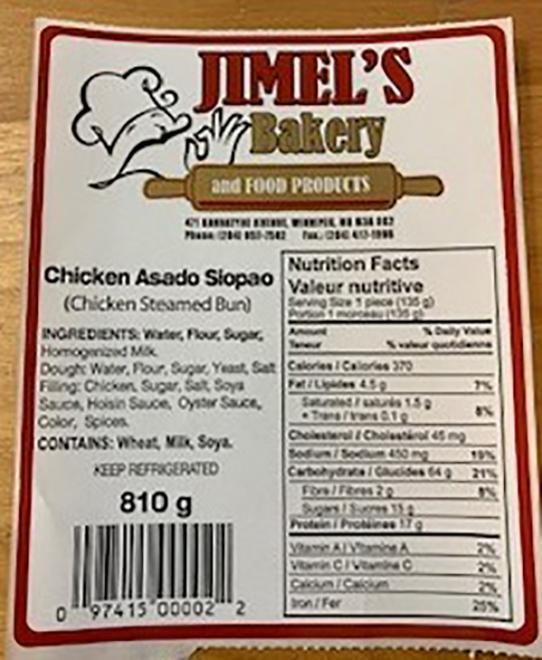
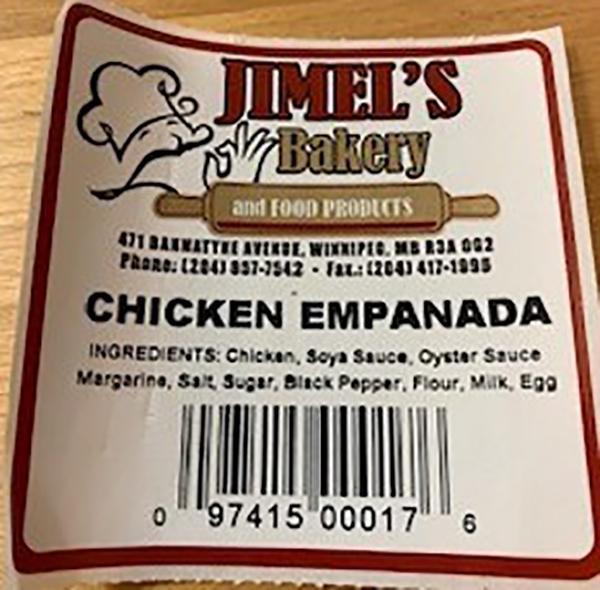
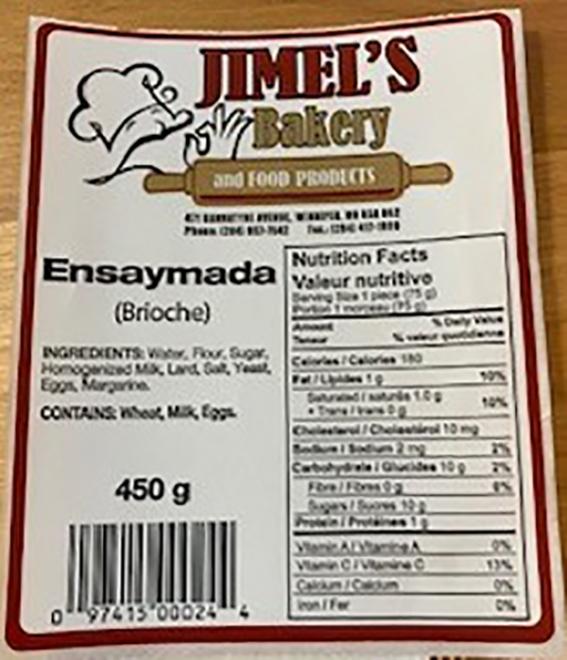
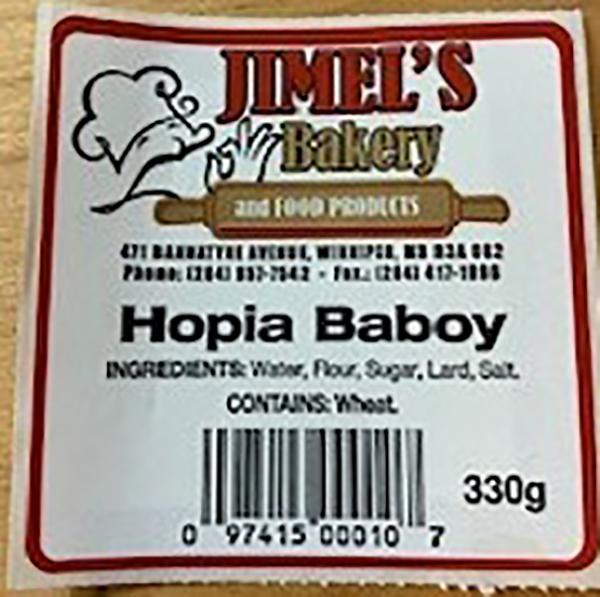
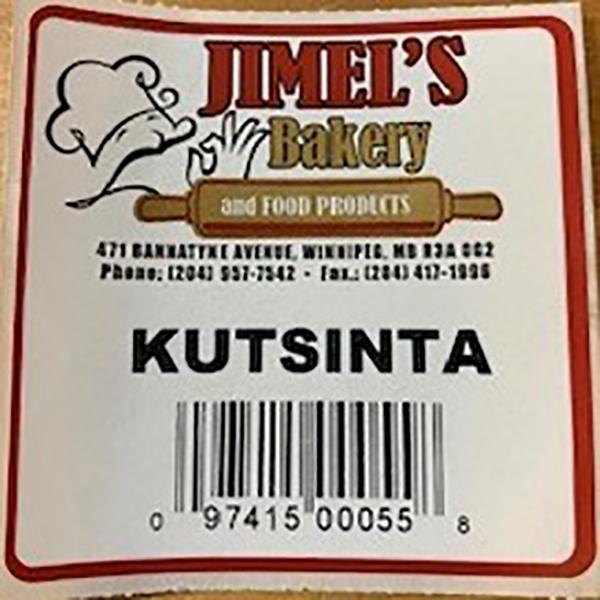
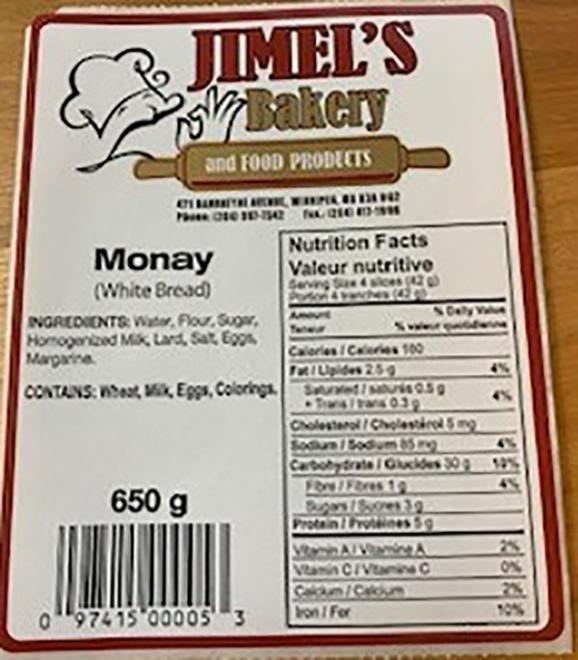
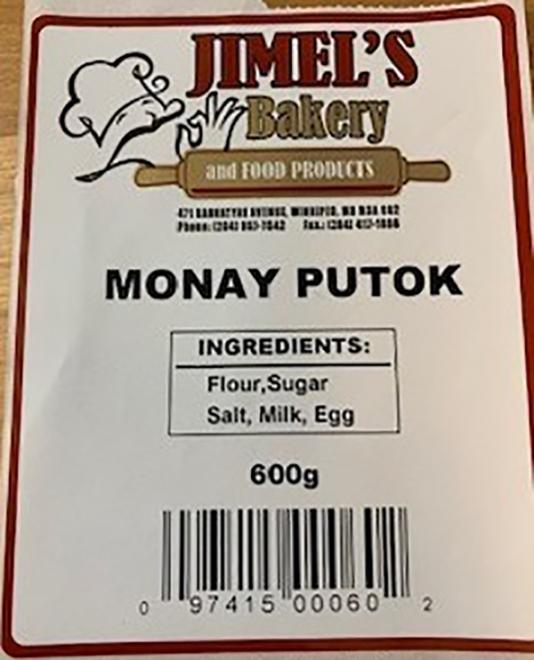
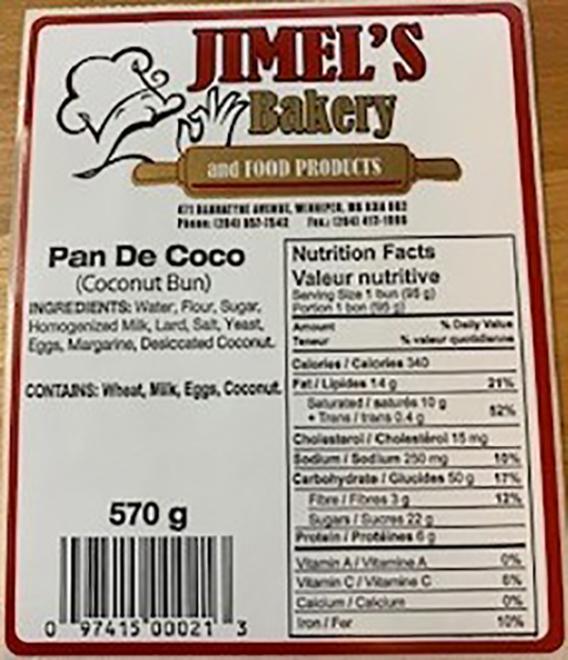
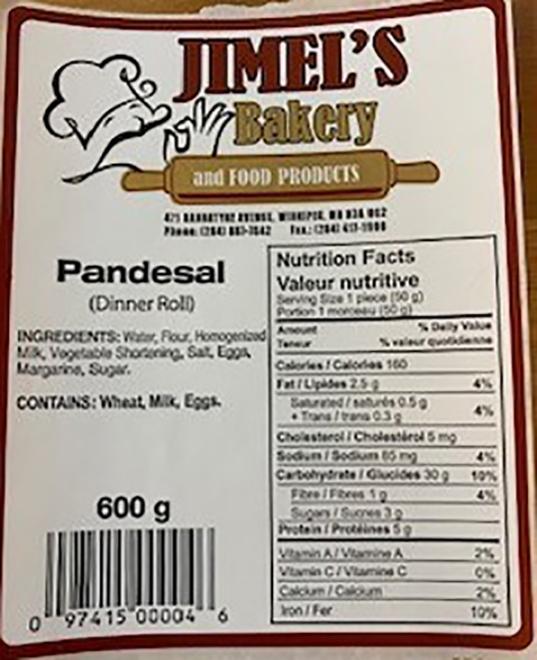
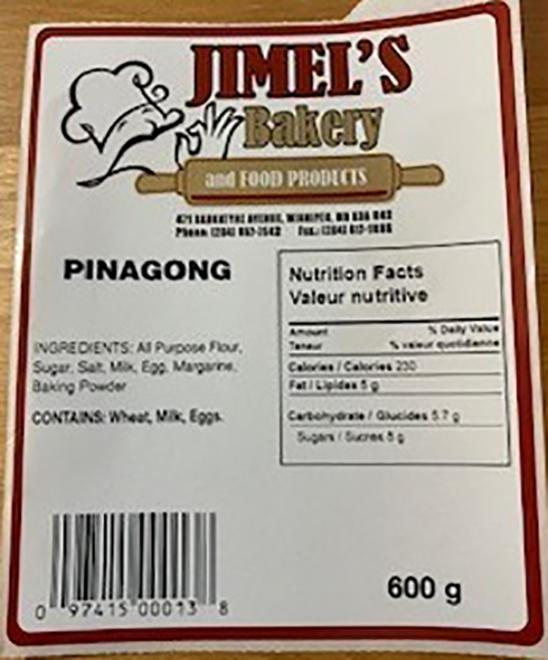
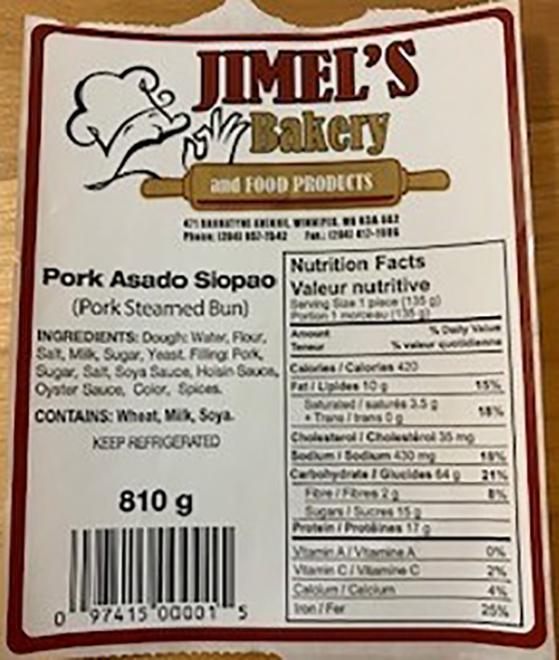
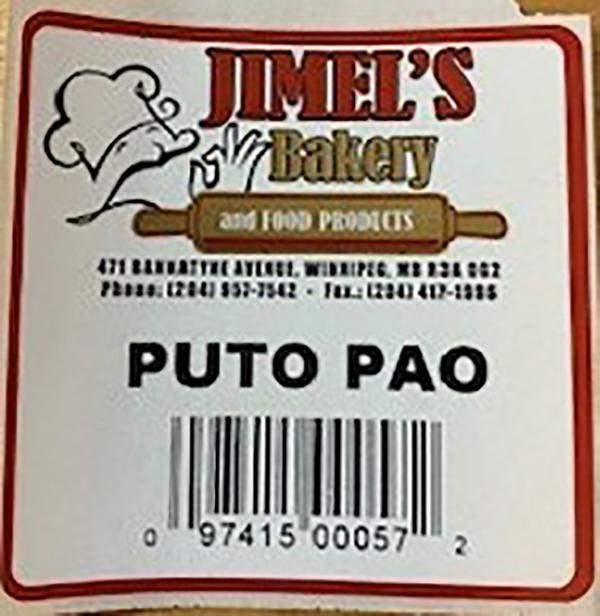
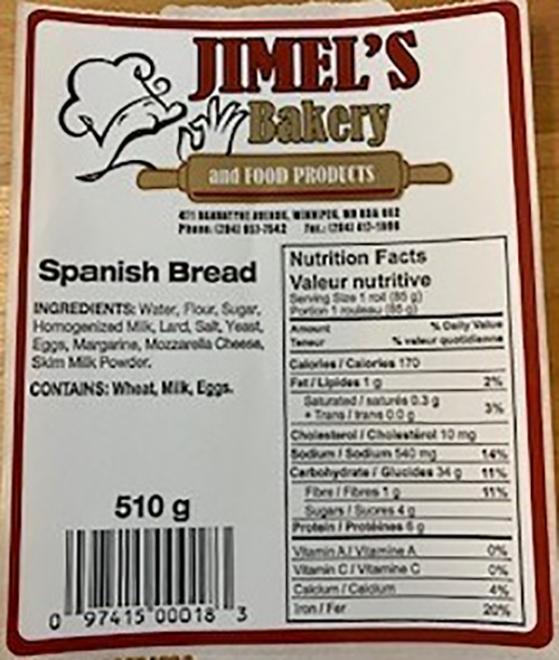
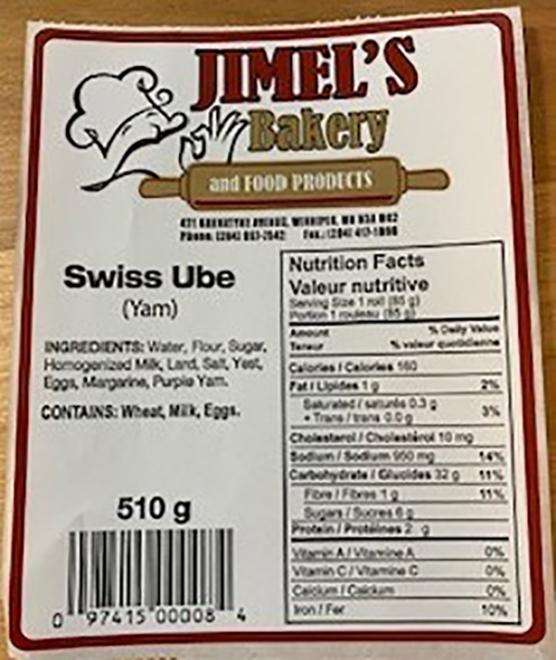
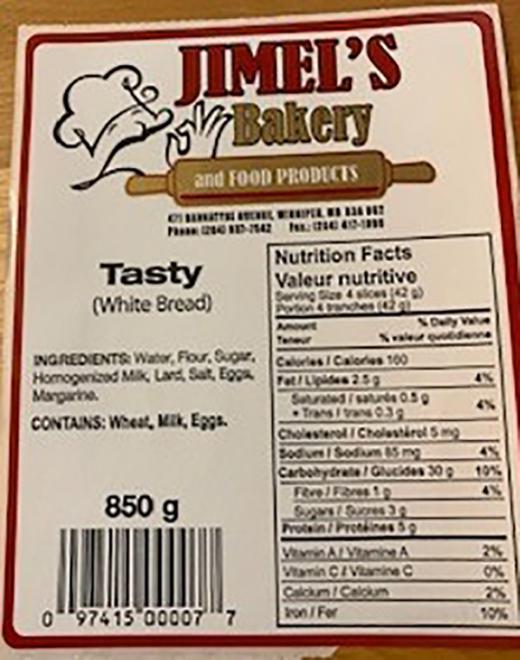
Canada – Jimel’s Bakery brand baked goods recalled due to possible Salmonella contamination from rodent infestation

CFIA

Summary

Product
Various baked goods
Issue
Food – Microbial Contamination – Salmonella
What to do

Do not consume the recalled products

Affected products

Issue

Jimel’s Bakery and Food Products is recalling Jimel’s Bakery brand baked goods from the marketplace due to possible Salmonella contamination from rodent infestation.

The recalled products have been sold in Manitoba.

What you should do

  • If you think you became sick from consuming a recalled product, call your doctor
  • Check to see if you have the recalled products in your home
  • Do not consume the recalled products
  • Recalled products should be thrown out or returned to the location where they were purchased

Food contaminated with Salmonella may not look or smell spoiled but can still make you sick. Young children, pregnant women, the elderly and people with weakened immune systems may contract serious and sometimes deadly infections. Healthy people may experience short-term symptoms such as fever, headache, vomiting, nausea, abdominal cramps and diarrhea. Long-term complications may include severe arthritis.

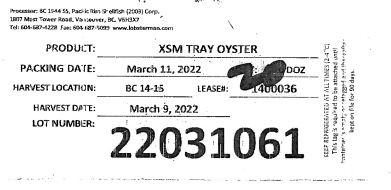
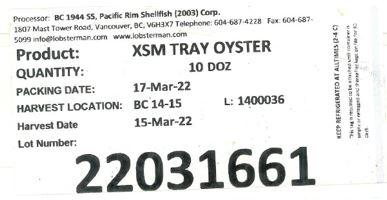
Canada – Pacific Rim Shellfish (2003) Corp brand Oysters recalled due to Norovirus

CFIA

ummary

Product
Oysters
Issue
Food – Microbial Contamination – Norovirus
What to do

Do not consume, use, sell, serve, or distribute the recalled products

USA – CDC – Lettuce, Other Leafy Greens, and Food Safety

CDC

Leafy greens arranged on a white background

Vegetables are an important part of a healthy diet. Leafy vegetables (called leafy greens on this page), such as lettuce, spinach, cabbage, kale, and bok choy, provide nutrients that help protect you from heart disease, stroke, and some cancers.

But leafy greens, like other vegetables and fruits, are sometimes contaminated with harmful germs. Washing leafy greens does not remove all germs. That’s because germs can stick to the surface of leaves and even get inside them. If you eat contaminated leafy greens without cooking them first, such as in a salad or on a sandwich, you might get sick.

Although anyone can get a foodborne illness, sometimes called food poisoning, some groups of people are more likely to get one and to have a serious illness. These groups include:

  • Adults aged 65 and older
  • Children younger than 5 years
  • People who have health problems or take medicines that lower the body’s ability to fight germs and sickness (a weakened immune system)external icon
  • Pregnant people

Eating Leafy Greens

Are leafy greens safe to eat?

Millions of servings of leafy greens are eaten safely every day in the United States. But leafy greens are occasionally contaminated enough to make people sick. To reduce your chance of getting sick, always follow the steps for safely handling and preparing leafy greens before eating or serving them.

Are leafy greens safe for my pet to eat?

Some animals can get sick from some germs that also make people sick. Always follow the steps for safely handling and preparing leafy greens before feeding them to pets and other animals. Never feed recalled food to pets or other animals.

Safely Handling and Preparing Leafy Greens

Do I need to wash all leafy greens?

Prewashed greens don’t need to be washed again. If the label on a leafy greens package says any of the following, you don’t need to wash the greens:

  • Ready-to-eat
  • Triple washed
  • No washing necessary

Prewashed greens sometimes cause illness. But the commercial washing process removes most of the contamination that can be removed by washing.

All other leafy greens should be thoroughly washed before eating, cutting, or cooking.

What is the best way to wash leafy greens?

The best way to wash leafy greens is by rinsing them under running water. Studies show that this step removes some of the germs and dirt on leafy greens and other vegetables and fruits. But no washing method can remove all germs.

Follow these steps to wash leafy greens that you plan to eat raw:

  • Wash your hands for 20 seconds with soap and water before and after preparing leafy greens.
  • Get rid of any torn or bruised leaves. Also, get rid of the outer leaves of cabbages and lettuce heads.
  • Rinse the remaining leaves under running water. Use your hands to gently rub them to help get rid of germs and dirt.
  • Dry leafy greens with a clean cloth or paper towel.

Should I soak leafy greens before washing them?

No. Do not soak leafy greens. If you soak them in a sink, germs in the sink can contaminate the greens. If you soak them in a bowl, germs on one leaf can spread to the other leaves. Rinsing leafy greens under running water is the best way to wash them.

Should I wash leafy greens with vinegar, lemon juice, soap, detergent, or produce wash?

Use plain running water to wash leafy greens and other produce. Kitchen vinegar and lemon juice may be used, but CDC is not aware of studies that show vinegar or lemon juice are any better than plain running water.

Do not wash leafy greens or other produce with soap, detergent, or produce wash. Do not use a bleach solution or other disinfectant to wash produce.

What other food safety steps should I keep in mind when I select, store, and prepare leafy greens and other produce?

  • Select leafy greens and other vegetables and fruits that aren’t bruised or damaged.
  • Make sure pre-cut produce, such as bagged salad or cut fruits and vegetables, is refrigerated or on ice at the store.
  • Separate produce from raw meat, poultry, seafood, and eggs in your shopping cart, grocery bags, and refrigerator.
  • Store leafy greens, salads, and all pre-cut and packaged produce in a clean refrigerator with the temperature set to 40°F or colder.
  • Use separate cutting boards and utensils for produce and for raw meat, poultry, seafood, and eggs. If that isn’t an option, prepare produce before working with raw meat.
  • Wash utensils, cutting boards, and kitchen surfaces with hot, soapy water after each use.
  • Cook thoroughly or throw away any produce that touches raw meat, poultry, seafood or their juices.
  • Refrigerate cooked or cut produce, including salads, within 2 hours (1 hour if the food is exposed to temperatures above 90°F, like a hot car or picnic).

Germs, Outbreaks, and Recalls

How do leafy greens get contaminated with germs?

Germs that make people sick can be found in many places, including in the soil, in the feces or poop of animals, in refrigerators, and on kitchen surfaces.

Germs can contaminate leafy greens at many points before they reach your plate. For example, germs from animal poop can get in irrigation water or fields where theexternal icon vegetables grow. Germs can also get on leafy greens in packing and processing facilities, in trucks used for shipping, from the unwashed hands of food handlers, and in the kitchen. To prevent contamination, leafy greens should be grown and handled safely at all points from farm to fork.

Read a study by CDC and partners on what we have learned from 10 years of investigating E. coli outbreaks linked to leafy greens.

How common are outbreaks linked to leafy greens?

In 2014–2018, a total of 51 foodborne disease outbreaks linked to leafy greens (mainly lettuce) were reported to CDC. Five of the 51 were multistate outbreaks that led CDC to warn the public. Among those five outbreaks, two were linked to packaged salads, two were linked to romaine lettuce, and one could not be linked to a specific type of leafy greens.

Most recently, in 2019–2021, CDC investigated and warned the public about nine multistate outbreaks linked to leafy greens. Among those outbreaks, six were linked to packaged salads, one was linked to romaine lettuce, one was linked to baby spinach, and one could not be linked to a specific type of leafy greens. Learn about these outbreaks.

Most foodborne illnesses are not part of a recognized outbreak. The nearly 2,000 illnesses reported in 2014–2020 outbreaks linked to leafy greens represent only a small part of illnesses caused by contaminated leafy greens during those years.

Does CDC warn the public about every foodborne disease outbreak?

No. CDC does not warn the public about every foodborne outbreak—including ones linked to leafy greens. Some reasons for this include:

  • Most sources of foodborne outbreaks are never identified.
  • By the time a source is identified, it might no longer be in stores, restaurants, or homes. This can happen with foods that are perishable (foods that spoil or go bad quickly), such as leafy greens.
  • Most outbreaks affect people in only one state, so local or state health departments lead the work to identify, investigate, and communicate about those outbreaks. CDC typically communicates only about outbreaks that affect people in more than one state.

Investigating outbreaks linked to leafy greensexternal icon can be especially challenging. These outbreaks often go unidentified or unsolved.

What should I do with leafy greens that are part of a recall?

  • Never eat, serve, or sell food that has been recalled, even if some of it was eaten and no one got sick.
  • Return the recalled food to the store or throw it away at home.
    • Throw out the recalled food and any other foods stored with it or that touched it.
    • Put it in a sealed bag in an outside garbage can with a tight lid (so animals cannot get to it).
    • If the recalled food was stored in a reusable container, wash the container in the dishwasher or with hot, soapy water.
  • Follow CDC’s instructions for cleaning your refrigerator after a food recall.

Organic, Hydroponic, and Home-Grown Leafy Greens

Are organic leafy greens less likely to be contaminated than non-organic ones?

All kinds of produce, including organic leafy greens, can be contaminated with harmful germs at any point from farm to fork. CDC is not aware of any evidence that organic greens are safer.

Learn about some outbreaks linked to organic foodsexternal icon.

Are hydroponic or greenhouse-grown leafy greens less likely to be contaminated?

Leafy greens grown using these methods also can be contaminated with harmful germs at any point from farm to fork.

Learn about an outbreak linked to greenhouse-grown leafy greens.

How do I keep leafy greens in my garden safe to eat?

Home gardens can be an excellent source of fruits and vegetables. Follow these tips to help prevent food poisoning:

  • Plant your garden away from animal pens, compost bins, and manure piles.
  • Water your garden with clean, drinkable water.
  • Keep dirty water, including storm runoff, away from the parts of plants you will eat.

Learn about raised bed gardening pdf icon[PDF – 1 page].

Looking to the Future

What steps are industry and the government taking to make leafy greens safer?

CDC is collaborating with FDA, academia, and industry to investigate the factors that contribute to leafy greens contamination.

The leafy greens industry, FDA, and state regulatory authorities have been implementing provisions of the Produce Safety Ruleexternal icon as part of the FDA Food Safety Modernization Act (FSMA).external icon They are considering what further measures can be taken. FDA’s 2020 Leafy Greens STEC Action Planexternal icon describes the agency’s plans to work with partners to make leafy greens safer.