Presence of E.coli in mussels (Mytilus Galloprovincialis) from Italy with raw material from Spain in Italy
Presence of E.coli above legal limits in mussels from Italy with raw material from Spain in Italy

Presence of E.coli in mussels (Mytilus Galloprovincialis) from Italy with raw material from Spain in Italy
Presence of E.coli above legal limits in mussels from Italy with raw material from Spain in Italy
Detection of Listeria monocytogenes and elevated levels of Bacillus cereus in ready-to-eat salad from the Netherlands from the Netherlands in Germany
Posted in Bacillus, Bacillus cereus, Bacteria, bacterial contamination, food contamination, food handler, Food Hazard, Food Hygiene, Food Inspections, Food Micro Blog, Food Microbiology, Food Microbiology Blog, Food Microbiology Testing, Food Pathogen, Food Poisoning, food recall, Food Safety, Food Safety Alert, Food Safety Management, Food Testing, Food Toxin, RASFF
Listeria in fresh yeast from Germany in France
Listeria monocytogenes in slices smoked marlin from Spain in Italy
Detection of Listeria monocytogenes and elevated levels of Bacillus cereus in ready-to-eat salad from the Netherlands from the Netherlands in Germany
Posted in food contamination, food handler, Food Hazard, Food Hygiene, Food Inspections, Food Micro Blog, Food Microbiology, Food Microbiology Blog, Food Microbiology Testing, Food Pathogen, food recall, Food Safety, Food Safety Alert, Food Safety Management, Food Testing, Listeria, Listeria monocytogenes, RASFF
Salmonella spp in pet food from Belgium in Italy
Posted in Animal Feed, Animal Feed Salmonella, Animal Feed Testing, Decontamination Microbial, Food Micro Blog, Food Microbiology, Food Microbiology Blog, Food Microbiology Research, Food Microbiology Testing, microbial contamination, Microbial growth, Microbiological Risk Assessment, Microbiology, Microbiology Investigations, Microbiology Risk, Pet Food Salmonella, Salmonella, salmonellosis
In 2018, 30 European Union/European Economic Area (EU/EEA) countries reported 15 815 cases of hepatitis A, of which 15 677 (99.1%) were confirmed.
Key facts
•In 2018, 30 European Union/European Economic Area (EU/EEA)countries reported 15 815 cases of hepatitis A, of which 15 677 (99.1%) were confirmed.
•Romania and Spain accounted for 43.5% of all confirmed cases
•The EU/EEA notification rate was 3.0 cases per 100 000 population. Ten EU/EEA countries had a notificationrateofless than one confirmed case per 100 000 population. The countries with the highest notification rates were Bulgaria (19.1 cases per 100 000 population) and Romania (23.2 cases per 100000 population).
•In 2018, a considerable reduction in the number of reported cases and notification rates was observed compared with2017. This is because 2017 was characterised by an unprecedented large and prolongedmulti-countryoutbreak disproportionally affecting men who have sex with men, which mainlysubsided during 2018.
•Similar to previous years (excluding 2017), children between the ages of fiveand 14 years accounted for a large proportion of cases (29%) and the highest notification rate (8.2 cases per 100 000 population).
Posted in Decontamination Microbial, Food Micro Blog, Food Microbiology, Food Microbiology Blog, Food Microbiology Research, Food Microbiology Testing, Food Virus, Hepatitis A, microbial contamination, Microbial growth, Microbiological Risk Assessment, Microbiology, Microbiology Investigations, Microbiology Risk, Virus

In 2019, 18 004 confirmed giardiasis cases were reported in the EU/EEA. The EU/EEA notification rate was 5.2 cases per 100 000 population. The highest notification rates were reported in Belgium and Bulgaria. The EU/EEA notification rate was stable in the period 2015–2018, with a drop in 2019, the reasons for which have yet to be determined. The highest notification rate per 100 000 population was observed in the age group 0–4 years (16.5 for males and 15.0 for females).
Giardiasis is a common parasitic infection worldwide, caused by the protozoan Giardia lamblia (syn. G. duodenalis, G. intestinalis). The disease may be asymptomatic and self-limiting, or characterised by fatigue, bloating, acute diarrhoea and other chronic gastrointestinal symptoms. Infection occurs frequently via ingestion of cysts found in contaminated water (water-themed recreational activities, swimming pools or drinking water) or food, but person-to-person transmission may also occur, e.g. through sexual transmission.
Click to access giardiasis-%20annual-epidemiological-report-2019_0.pdf
Posted in Contaminated water, Decontamination Microbial, Food Micro Blog, Food Microbiology, Food Microbiology Blog, Food Microbiology Research, Food Microbiology Testing, Giardia, microbial contamination, Microbial growth, Microbiological Risk Assessment, Microbiology, Microbiology Investigations, Microbiology Risk, Water, water microbiology, Water Safety
Mycotoxins are routinely found in grass silage samples and can cause a range of problems within dairy herds, read more at the link above
Posted in Animal Feed, Animal Feed Mould Toxin, Animal Feed Testing, Decontamination Microbial, Food Micro Blog, Food Microbiology Blog, Food Microbiology Testing, microbial contamination, Microbial growth, Microbiological Risk Assessment, Microbiology, Microbiology Investigations, Microbiology Risk, mold, Mold Toxin, Mycotoxin
Posted in E.coli, E.coli O121, FDA, food bourne outbreak, Food Micro Blog, Food Microbiology, Food Microbiology Blog, Food Microbiology Research, Food Microbiology Testing, foodborne outbreak, foodbourne outbreak, microbial contamination, Microbial growth, Microbiological Risk Assessment, Microbiology, Microbiology Investigations, Microbiology Risk, outbreak

Parties, family dinners, and other gatherings where food is served are all part of the holiday cheer. But the merriment can change to misery if food makes you or others ill.
Typical symptoms of foodborne illness are vomiting, diarrhea, and flu-like symptoms, which can start anywhere from hours to days after contaminated food or drinks are consumed.
The symptoms usually are not long-lasting in healthy people — a few hours or a few days — and usually go away without medical treatment. But foodborne illness can be severe and even life-threatening to anyone, especially those most at risk:
Combating bacteria, viruses, parasites, and other contaminants in our food supply is a high priority for the U.S. Food and Drug Administration. But consumers have a role to play, too, especially when it comes to safe food-handling practices in the home. And the good news is that practicing four basic food safety measures can help prevent foodborne illness.
1. Clean:
The first rule of safe food preparation in the home is to keep everything clean.
Don’t give bacteria the opportunity to spread from one food to another (cross-contamination).
Food is safely cooked when it reaches a high enough internal temperature to kill harmful bacteria.
Refrigerate foods quickly because harmful bacteria grow rapidly at room temperature.
Posted in Decontamination Microbial, Food Micro Blog, Food Microbiology, Food Microbiology Blog, Food Microbiology Research, Food Microbiology Testing, Food Safety, Food Safety Management, food safety training, microbial contamination, Microbial growth, Microbiological Risk Assessment, Microbiology, Microbiology Investigations, Microbiology Risk
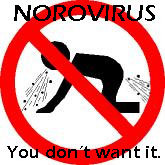
P&O passengers claim they suffered from diarrhea and vomiting and had to self-isolate in unsanitary conditions after being exposed to norovirus on a number of Australian cruises.
A class action filed in federal court on Tuesday seeks compensation and damages from Carnival, trading as P&O Cruises, for outbreaks of the highly contagious gastrointestinal virus on eight separate voyages from December 2016 to February 2017.
Posted in Food Micro Blog, Food Microbiology, Food Microbiology Blog, Food Microbiology Research, Food Microbiology Testing, Food Virus, microbial contamination, Microbial growth, Microbiological Risk Assessment, Microbiology, Microbiology Investigations, Microbiology Risk, Norovirus, Uncategorized, Virus


