Brand : MAREBLU
Denomination : CLASSICI¿ Anchovy fillets in olive oil
Reason for reporting : Recall for physical risk
Date of publication : 7 December 2022


Brand : MAREBLU
Denomination : CLASSICI¿ Anchovy fillets in olive oil
Reason for reporting : Recall for physical risk
Date of publication : 7 December 2022

| GTIN | Batch | Date |
|---|---|---|
| 3439496421988 | 29222 | Date of minimum durability 06/05/2023 |
Posted in food contamination, food handler, Food Hazard, Food Hygiene, Food Inspections, Food Micro Blog, Food Microbiology, Food Microbiology Blog, Food Microbiology Testing, Food Pathogen, Food Poisoning, food recall, Food Safety, Food Safety Alert, Food Safety Management, Food Testing, Food Toxin, Staphylococcal Toxin, Staphylococcus aureus
Brand : ” REGIONE CHE VAI “
Denomination : SALAME FELINO IGP 500 mg
Reason for reporting : Reminder for microbiological risk
Date of publication : 7 December 2022

The Ministry of Health, through the Directorate for the Regulation of Products of Sanitary Interest, alerts the general population about the presence of the Listeria monocytogenes bacterium in certain batches of fresh cheese from various national brands, as detailed in the link above.
According to the results of microbiological analyzes of the National Reference Center for Microbiological Food Safety of the Costa Rican Institute for Research and Teaching in Nutrition and Health (CRIMA-INCIENSA), the batches of the aforementioned products, of the brands TIQUESO, QUESOS DEL NORTE LAS CUATRO A, LAS DELICIAS DE MI TIERRA and LITE HOUSE presented positive isolates for the Listeria monocytogenes bacterium, therefore they do not comply with the parameter established in the Central American Technical Regulation of Microbiological Criteria for Food Safety RTCA 67.04.50:17 , for Subgroup 1.9.
Posted in food contamination, food handler, Food Hazard, Food Hygiene, Food Inspections, Food Micro Blog, Food Microbiology, Food Microbiology Blog, Food Microbiology Testing, Food Pathogen, food recall, Food Safety, Food Safety Alert, Food Safety Management, Food Testing, Listeria, Listeria monocytogenes
NSW Health and the NSW Food Authority are continuing to investigate a significant foodborne outbreak following a conference on the Central Coast last week.
At least 69 people from across NSW, the Northern Territory and Queensland are known to have become unwell with symptoms of food poisoning, of which 27 people have confirmed Salmonella infections to date.
Dr Jeremy McAnulty, NSW Health Executive Director of Public Health, said public health officials from across NSW have been working to speak to all those who have become unwell after attending or working at the conference.
“Close to 230 people attended or worked at the two-day conference, and so far at least 31 of them are known to have attended Emergency Departments,” Dr McAnulty said.
“NSW Health is working closely with the NSW Food Authority to investigate the cause of the outbreak.
“Our public health experts continue to contact people associated with the event, including attendees from the Aboriginal Languages Trust and we thank all of those who have assisted us so far.
Posted in Decontamination Microbial, food bourne outbreak, Food Illness, Food Micro Blog, Food Microbiology, Food Microbiology Blog, Food Microbiology Research, Food Microbiology Testing, Foodborne Illness, Foodborne Illness Death, foodborne outbreak, foodbourne outbreak, Illness, microbial contamination, Microbial growth, Microbiological Risk Assessment, Microbiology, Microbiology Investigations, Microbiology Risk, outbreak, Salmonella
Posted in Decontamination Microbial, food bourne outbreak, food handler, Food Illness, Food Micro Blog, Food Microbiology, Food Microbiology Blog, Food Microbiology Research, Food Microbiology Testing, Foodborne Illness, Foodborne Illness Death, foodborne outbreak, foodbourne outbreak, Hand Washing, Illness, microbial contamination, Microbial growth, Microbiological Risk Assessment, Microbiology, Microbiology Investigations, Microbiology Risk, Norovirus, outbreak

More than 250 people are sick in an E. coli O157 outbreak in the United Kingdom that may have been caused by salad.
There have been 259 confirmed cases in the UK with sample dates ranging from late August to the end of October, although most people fell ill in August and early September.
Shiga toxin-producing E. coli (STEC) O157 has affected people in England, Scotland, Northern Ireland, and Wales. The majority of those sick are adults.
Food Standards Scotland (FSS), the UK Health Security Agency (UKHSA) and Food Standards Agency (FSA) are investigating the outbreak.
It is the largest E. coli outbreak since Whole Genome Sequencing (WGS) started to be used in 2014, according to UKHSA.
Posted in Decontamination Microbial, E.coli O157, E.coli O157:H7, food bourne outbreak, Food Illness, Food Micro Blog, Food Microbiology, Food Microbiology Blog, Food Microbiology Research, Food Microbiology Testing, Foodborne Illness, foodborne outbreak, foodbourne outbreak, Illness, microbial contamination, Microbial growth, Microbiological Risk Assessment, Microbiology, Microbiology Investigations, Microbiology Risk, outbreak

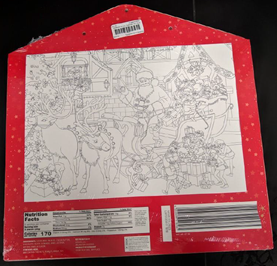
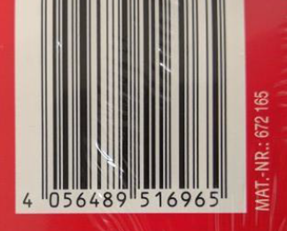
ARLINGTON, VA –Lidl US has announced a voluntary recall for the 8.4 oz Favorina branded Advent Calendar (Premium Chocolate with a Creamy Filling) due to potential Salmonella contamination.
This voluntary recall was issued because some items may be contaminated with Salmonella.
Units affected by this recall:
This issue was found during routine testing, which Lidl performs on an ongoing basis to help ensure safe and quality products for our customers. Lidl US has received no reports or complaints of illness related to this product to date.
Posted in FDA, food contamination, food handler, Food Hazard, Food Hygiene, Food Inspections, Food Micro Blog, Food Microbiology, Food Microbiology Blog, Food Microbiology Testing, Food Pathogen, food recall, Food Safety, Food Safety Alert, Food Safety Management, Food Testing, Salmonella, Salmonella in Chocolate, Uncategorized
Abstracts
Page 71 – An Easter Surprise: Salmonella Typhimurium outbreak linked to chocolate products in the United Kingdom, 2022; a case control study
Page 72 – International outbreak of Salmonella Typhimurium linked to a chocolate factory in 2022: Belgian findings
Page 73 – Whole Genome Sequencing identified a prolonged Salmonella Poona nursery outbreak (2016-2021) in North West England, UK
Page 74 – Climate Warming and increasing Vibrio vulnificus infections in North America
Page 106 – Timely and reliable outbreak investigation using a non-probabilistic online panel as a source of controls – two parallel case-control studies investigating a Salmonella Braenderup outbreak in Germany
Page 107 – An outbreak of Escherichia coli-associated haemolytic uremic syndrome linked to consumption of an unexpected food vehicle, France 2022
Page 108 – Outbreak investigation of cholera in a peri-urban village of Panchkula district, Haryana, India, 2021
Page 109 – Cholera Outbreak Investigation, Ballo Adda Mohalla, Lucknow District, Uttar Pradesh 2021
Page 110 – Norovirus GII.3[P12] outbreak associated with the drinking-water supply in a rural area in Galicia, Spain, 2021
Page 111 – Impact of COVID-19 restrictions on the epidemiology of Cryptosporidium spp. in England and Wales
Page 149 – Monophasic Salmonella Typhimurium outbreak linked to chocolate products, Ireland, 2022
Page 151 – Successful containment of a Listeria monocytogenes outbreak caused by shredded vegetables, Hesse/Germany, 2021-2022
Page 152 – Outbreak of monophasic Salmonella Typhimurium linked to fresh small tomatoes, Sweden, 2021
Page 194 – Cholera Outbreak Investigation, Kamarhati-Municipality, North-24-Parganas District, West Bengal, India 2021
Page 195 – Botulism outbreak and response in Dangara District Tajikistan, October 2020
Page 196 – Outbreak of suspected Clostridium perfringens associated with consumption of roast beef in a restaurant, January 2022 South West England
Page 198 – Doughnuts for weight loss? A norovirus outbreak in the Australian Capital Territory, November 2021
Page 212 – Outbreak of Legionnaires’ disease linked to unregistered cooling towers, West Midlands, England, July-September 2020
Posted in Decontamination Microbial, food bourne outbreak, Food Illness, Food Micro Blog, Food Microbiology, Food Microbiology Blog, Food Microbiology Research, Food Microbiology Testing, Foodborne Illness, Foodborne Illness Death, foodborne outbreak, foodbourne outbreak, HUS, Illness, Legionella, Legionnaires’ disease, Listeria, Listeria monocytogenes, microbial contamination, Microbial growth, Microbiological Risk Assessment, Microbiology, Microbiology Investigations, Microbiology Risk, Norovirus, outbreak, Salmonella, Vibrio, Vibrio cholera, vibrio cholerae, Vibrio vulnificans, Vibrio vulnificus, Whole Genomic Sequencing
Posted in Decontamination Microbial, Food Illness, Food Micro Blog, Food Microbiology, Food Microbiology Blog, Food Microbiology Research, Food Microbiology Testing, Food Poisoning, Foodborne Illness, Illness, microbial contamination, Microbial growth, Microbiological Risk Assessment, Microbiology, Microbiology Investigations, Microbiology Risk, Poisoning


