Shigatoxin-producing Escherichia coli (STEC) in frozen veal meat from the Netherlands in Germany
E.Coli producing shigatoxin : O91 ( stx2) in beef meat from Argentina in Italy

Shigatoxin-producing Escherichia coli (STEC) in frozen veal meat from the Netherlands in Germany
E.Coli producing shigatoxin : O91 ( stx2) in beef meat from Argentina in Italy
Posted in food contamination, food handler, Food Hazard, Food Hygiene, Food Inspections, Food Micro Blog, Food Microbiology, Food Microbiology Blog, Food Microbiology Testing, Food Pathogen, Food Poisoning, Food Quality, food recall, Food Safety, Food Safety Alert, Food Safety Management, Food Safety Regulations, Food Testing, Food Toxin, O91, RASFF, STEC, STEC E.coli
Salmonella in mint from Morocco in France and Germany
Salmonella Infantis (in 2 out of 5 units) in fresh chicken thighs from Poland in Latvia
Salmonella Heidelberg in frozen chicken breast fillets from Brazil in the Czech Republic, Denmark and Netherlands
Salmonella Infantis in whole frozen chicken from Ukraine, via Slovakia in the Czech Republic
Salmonella in salad with ham from Belgium in France and the Netherlands
Salmonella spp. in tiger nut flour with raw material from Burkina Faso in Germany
Salmonella in chilled smoky barbecue pork loin chops from Ireland in Northern Ireland
Salmonella spp. in 25 g in 1 of 5 samples of dried marjoram from Egypt in Poland
Salmonella Enteritidis in frozen chicken thigh meat from Lithuania in France
Salmonella Enteritidis in frozen chicken thigh meat Soute from Lithuania in France
Salmonella in snackbar with sesame from Türkiye in Austria
Posted in food contamination, food handler, Food Hazard, Food Hygiene, Food Inspections, Food Micro Blog, Food Microbiology, Food Microbiology Blog, Food Microbiology Testing, Food Pathogen, Food Quality, food recall, Food Safety, Food Safety Alert, Food Safety Management, Food Safety Regulations, Food Testing, Polish Chicken Salmonella, RASFF, Salmonella, Salmonella in Chicken, Salmonella Poland, Salmonella Sesame Seeds
Salmonella Give in rapeseed expeller from Belarus in Lithuania
Salmonella spp. in compound feed (bovine lung) from Poland in Germany
Mould in feed – corn from UA in Belgium. Poland and Ukraine
Posted in Animal Feed, Animal Feed Mould Toxin, Animal Feed Testing, Food Micro Blog, Food Microbiology Blog, Food Microbiology Testing, microbial contamination, Microbial growth, Microbiological Risk Assessment, Microbiology, Microbiology Investigations, Microbiology Risk, Mould/Mold, Moulds, RASFF
Bayonne, NJ. (May 3, 2023) – Rushdi Food Industries, an Israeli based manufacturer, is voluntarily recalling their Mighty Sesame 10.9 Oz Organic Tahini (Squeezable) with the specific expiration date of 9/25/23 due t0 potential Salmonella contamination. Salmonella is an organism which can cause serious and sometimes fatal infections in young children, frail or elderly people, and others with weakened immune systems. Healthy persons infected with Salmonella often experience fever, diarrhea (which may be bloody), nausea, vomiting and abdominal pain. In rare circumstances, infection with Salmonella can result in the organism getting into the bloodstream and producing more severs illnesses such as arterial infections (i.e., infected aneurysms), endocarditis and arthritis.
This recall was initiated when the company received a notification by the FDA and the Ohio Department of Health of the potential presence of Salmonella in this specific lot. The company has received no reports of illness or injury to date. We immediately informed all Stores who had purchased this product within this lot code about this Recall and instructed them to remove any product which might be on their shelves.
Only packages bearing the following Lot Code/Best by date are being recalled at this time. All products other than the ones with the affected Best by Date mentioned in the table are ok to consume.
|
UPC Code |
Description |
Expiration Date |
|---|---|---|
| 858313006208 | Mighty Sesame 10.9 Oz Organic Tahini (Squeezable) | 9/25/23 |
The recalled product was distributed to stores predominately located in the New York, New Jersey and Connecticut regions as well as some stores nationwide during the weeks of February 23rd, 2023 through March 5th, 2023. Based off of sales velocity, there is an extremely low chance that any of the affected product would still be available for retail. All products other than the ones with the affected Best by Date mentioned in the table are ok to consume.
Consumers who may have purchased this product are advised to discontinue use immediately and discard or return the product for credit or refund. If a consumer experiences the symptoms listed above and believes they may have been exposed to Salmonella, they are urged to report to a medical provider.
Consumers who have questions may contact us at Customercare@kayco.com or by phone at 718-369-4600 Monday through Friday 9 AM to 5PM Eastern Time.
This recall is being made with the knowledge of the Food and Drug Administration.

Posted in FDA, food contamination, food handler, Food Hazard, Food Hygiene, Food Inspections, Food Micro Blog, Food Microbiology, Food Microbiology Blog, Food Microbiology Testing, Food Pathogen, Food Quality, food recall, Food Safety, Food Safety Alert, Food Safety Management, Food Safety Regulations, Food Testing, Salmonella, Salmonella Sesame Seeds, Salmonella Tahini
| Date Posted |
Ref | Pathogen or Cause of Illness |
Product(s) Linked to Illnesses (if any) |
Total Case Count |
Status |
| 4/26/2023 | 1152 | Not Yet Identified | Morel Mushroom (suspect) |
30 | Active |
| 3/29/2023 | 1141 | Salmonella Infantis | Raw Flour | See Outbreak Advisory |
Active |
| 3/1/2023 | 1143 | Hepatitis A Virus | Frozen Organic Strawberries |
See Outbreak Advisory |
Active |
| 2/15/2023 | 1123 | Listeria monocytogenes |
Not Yet Identified |
See CDC Investigation Notice |
Active |
Posted in FDA, food bourne outbreak, Food Illness, Food Micro Blog, Food Microbiology, Food Microbiology Blog, Food Microbiology Research, Food Microbiology Testing, Foodborne Illness, foodborne outbreak, foodbourne outbreak, Hepatitis A, Illness, Listeria, Listeria monocytogenes, microbial contamination, Microbial growth, Microbiological Risk Assessment, Microbiology, Microbiology Investigations, Microbiology Risk, outbreak, Salmonella
Raw Farm raw milk is being recalled in California for possible Campylobacter contamination. The milk is produced and packaged by Raw Farm, LLC of Fresno County, California. No illnesses have been reported to date in connection with the consumption of this unpasteurized milk. The farm is located at 7221 South Jameson Avenue in Fresno.
The recall and quarantine order was announced by California State Veterinarian Dr. Annette Jones after Campylobacter was found in the farm’s packaged whole raw milk. The milk was sampled and tested by the California Department of Food and Agriculture. Routine sampling conducted at the farm found the pathogen.
The recalled product is Raw Farm Whole Raw Milk that is packaged in half gallon (64 ounce) and gallon (128 ounce) plastic jugs. The code date that is marked on the container is BEST BY 05/05/2023.
Posted in Campylobacter, campylobacter coli, Campylobacter jejuni, food contamination, food handler, Food Hazard, Food Hygiene, Food Inspections, Food Micro Blog, Food Microbiology, Food Microbiology Blog, Food Microbiology Testing, Food Pathogen, Food Quality, food recall, Food Safety, Food Safety Alert, Food Safety Management, Food Safety Regulations, Food Testing, Raw Milk
Bozeman, Montana – The Gallatin City-County Health Department, the Department of Public Health and Human Services (DPHHS), and federal agencies are continuing their investigation into the foodborne illness outbreak at Dave’s Sushi, which has been linked to two recent deaths in the area. The outbreak appears to be isolated to customers who dined at Dave’s Sushi between March 31 and April 17, 2023. The restaurant remains closed, with no further risk to the public.
According to the DPHHS, at least 30 individuals have been identified as being associated with the outbreak, having eaten at the restaurant within the specified time frame. Of these, three individuals experienced severe outcomes, including hospitalizations, and two deaths are being investigated. Autopsy and toxicology results for the deceased individuals are still pending.
Preliminary investigative findings suggest that food containing morel mushrooms may be the source of concern. However, no specific pathogen or toxin has been identified as of yet. Both state and federal partners are continuing to test clinical and food samples.
The DPHHS has determined that the morel mushrooms served at Dave’s Sushi were not distributed to any other restaurants or businesses in Montana. The mushrooms were cultivated in China, shipped to a distributor in California, and subsequently sent to multiple states. At this time, no known associated illnesses in other states have been identified.
Posted in Decontamination Microbial, food bourne outbreak, Food Illness, Food Micro Blog, Food Microbiology, Food Microbiology Blog, Food Microbiology Research, Food Microbiology Testing, Foodborne Illness, Foodborne Illness Death, foodborne outbreak, foodbourne outbreak, Illness, microbial contamination, Microbial growth, Microbiological Risk Assessment, Microbiology, Microbiology Investigations, Microbiology Risk, outbreak
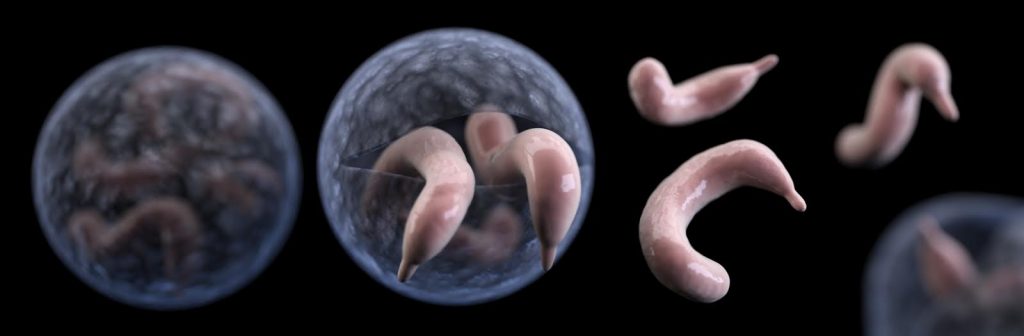
ZEELAND — Critter Barn in Zeeland is voluntarily closing for the week in response to an outbreak of a parasite, the nonprofit announced Tuesday, May 2.
More: Parasite infects three Critter Barn volunteers
Critter Barn at 2950 80th Ave. will clean, scrub and disinfect its farm as an extra measure of precaution, it wrote, expecting to reopen Tuesday, May 9.
The Ottawa County Department of Public Health told WOOD TV-8 on Friday, April 28, there have been eight confirmed cases and three probable cases of Cryptosporidium, a parasite commonly found in water and near farm animals, traced back to Critter Barn. No one has been hospitalized, according to the health department.

The Spanish Agency for Food Safety and Nutrition has communicated to the competent authorities of the autonomous communities and the Center for Coordination of Health Alerts and Emergencies (CCAES), through the Coordinated System of Rapid Information Exchange (SCIRI), a alert, transferred by the health authorities of the Community of Madrid, regarding the presence of Clostridium perfringens in cinnamon molta of the Especias Pedroza brand.
The data of the product involved are:
The withdrawal of the affected products from the marketing channels will be verified by the competent authorities.
People who have products affected by this alert at home are advised to refrain from consuming them and return them to the point of purchase.
Posted in ACSA, Clostridium, Clostridium perfringens, food contamination, food handler, Food Hazard, Food Hygiene, Food Inspections, Food Micro Blog, Food Microbiology, Food Microbiology Blog, Food Microbiology Testing, Food Pathogen, Food Poisoning, Food Quality, food recall, Food Safety, Food Safety Alert, Food Safety Management, Food Safety Regulations, Food Testing, Food Toxin


