Category Archives: Food Illness

South Korea – Food poisoning sickens about 100 kindergarten pupils in Ansan

YNA

ANSAN, South Korea, June 25 (Yonhap) — About 100 pupils at a kindergarten in Ansan, just south of Seoul, have complained of food poisoning symptoms over the past week, with a fifth of them hospitalized for hamburger disease and other disorders, municipal health officials said Thursday.

According to the officials in Ansan, 50 kilometers south of the capital, 99 out of 184 children attending the unidentified kindergarten showed symptoms of food poisoning from June 16 to Monday, and 22 of them were sent to hospitals.

Some of them are reportedly showing signs of hemolytic uremic syndrome (HUS), also known as hamburger disease, which could cause severe kidney failure, they noted, adding doctors raised the possibility of hamburger disease among some ailing students.

The number of patients has been increasing since four children complained of stomachaches on June 16. By June 17, 10 pupils exhibited symptoms of stomachache and diarrhea.

Authorities have found hemorrhaging E. coli bacteria in samples taken from about 30 pupils. HUS is one of the complications caused by E. coli bacteria.
New Zealand -Vibrio parahaemolyticus infections linked to raw mussels in New Zealand

Outbreak News Today

CDC Vibrio

Image CDC

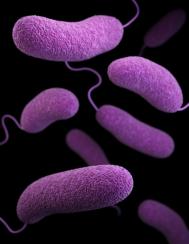
In New Zealand, officials are encouraging the public to ensure they cook raw mussels thoroughly after an increase in cases of food poisoning associated with commercially grown mussels from the Coromandel area.

“Testing is being done to confirm the type of Vibrio parahaemolyticus that has caused this illness. New Zealand Food Safety has an ongoing survey program to test mussels and growing waters to help us understand why this occurred.

“Until we have more information, New Zealand Food Safety is reminding consumers to take care when handling, preparing and consuming mussels. Our advice to consumers who are pregnant or have low immunity is to avoid eating raw shellfish,” says Paul Dansted.

USA – Cyclospora Outbreak Linked to Salad spikes to 122 in Illinois, Iowa, Kansas, Missouri, Minnesota, Nebraska, and Wisconsin – Fresh Express a likely Link

Food Poison Journal

Cases will likely be in all of these states soon: Arkansas, Illinois, Indiana, Iowa, Kansas, Missouri, Michigan, Minnesota, Missouri, Nebraska, North Dakota, South Dakota and Wisconsin.  Salads contaminated with Cyclospora were sold at other stores (Walmart).  All salads appear to have been manufactured by one processor (Fresh Express)

122 people with laboratory-confirmed Cyclospora infections and who reported eating bagged salad mix before getting sick have been reported from 7 Midwestern states (Illinois, Iowa, Kansas, Missouri, Minnesota, Nebraska, and Wisconsin). Illnesses started on dates ranging from May 11, 2020 to June 15, 2020. 19 people have been hospitalized. No deaths have been reported.

Epidemiologic evidence indicates that ALDI Little Salad Bar brand Garden Salad, Hy-Vee brand Garden Salad, or Jewel-Osco brand Signature Farms Brand Garden Salad are a likely source of this outbreak.

Kenya – Students sent home over food poisoning

Daily Nation

More than 200 students from Kituro High School in Baringo County have been sent home over suspected food poisoning.

The students, who complained of stomach pains and headache, were treated at a Kituro health centre before being sent home.

The Principal Salina Rotich on Wednesday confirmed that the students were sent home on Monday and that some of them had returned after recovering.

Mr Machocho said they suspect a supplier brought stale bread to the school canteen. The supplier has since been suspended.

According to a medical officer at Kituro health centre, who sought for anonymity, more than 50 students tested positive to food poisoning.

A spot check by the Nation at the health facility Wednesday found more than 12 students who were complaining of stomach pains waiting to be attended to.

Baringo Central Public Health Officer Agnes Chesire said they took samples from students from the school for testing and no cholera was detected.

Research – Scientists say Campylobacter behind August 2019 outbreak in Beijing

Food Safety News

campy2

Image CDC

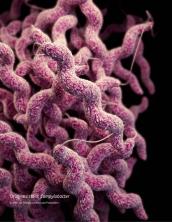
Researchers in China have reported the first identified outbreak caused by a local Campylobacter jejuni infection in Beijing.

A total of 14 patients were sick who worked at the same factory. They had shared a common meal supplied from a meal delivery company. The outbreak was not related to the ongoing COVID-19 outbreak.

“Recently, the accelerated pace of life may dramatically increase use of meal delivery in major cities and may subsequently increase the risk of infection or food poisoning caused by foodborne pathogens,” said researchers in an article in China CDC Weekly.

Research – Aflatoxin Contamination of Commercial Maize Products During an Outbreak of Acute Aflatoxicosis in Eastern and Central Kenya

PubMed

In April 2004, one of the largest aflatoxicosis outbreaks occurred in rural Kenya, resulting in 317 cases and 125 deaths. Aflatoxin-contaminated homegrown maize was the source of the outbreak, but the extent of regional contamination and status of maize in commercial markets (market maize) were unknown. We conducted a cross-sectional survey to assess the extent of market maize contamination and evaluate the relationship between market maize aflatoxin and the aflatoxicosis outbreak. We surveyed 65 markets and 243 maize vendors and collected 350 maize products in the most affected districts. Fifty-five percent of maize products had aflatoxin levels greater than the Kenyan regulatory limit of 20 ppb, 35% had levels > 100 ppb, and 7% had levels > 1,000 ppb. Makueni, the district with the most aflatoxicosis case-patients, had significantly higher market maize aflatoxin than did Thika, the study district with fewest case-patients (geometric mean aflatoxin = 52.91 ppb vs. 7.52 ppb, p = 0.0004). Maize obtained from local farms in the affected area was significantly more likely to have aflatoxin levels > 20 ppb compared with maize bought from other regions of Kenya or other countries (odds ratio = 2.71; 95% confidence interval, 1.12-6.59). Contaminated homegrown maize bought from local farms in the affected area entered the distribution system, resulting in widespread aflatoxin contamination of market maize. Contaminated market maize, purchased by farmers after their homegrown supplies are exhausted, may represent a source of continued exposure to aflatoxin. Efforts to successfully interrupt exposure to aflatoxin during an outbreak must consider the potential role of the market system in sustaining exposure.


USA -76 with Cyclospora illnesses linked to ALDI, Jewel-Osco and Hy-Vee salads in Iowa, Illinois, Kansas, Minnesota, Missouri and Nebraska

Food Poison Journal crypto

CDC, public health and regulatory officials in several states, and the U.S. Food and Drug Administration (FDA) are investigating a multistate outbreak of Cyclospora infections linked to bagged salad mix purchased at ALDI, Hy-Vee, and Jewel-Osco stores in Iowa, Illinois, Kansas, Missouri, Minnesota, and Nebraska. As of June 19, 2020, a total of 76 people with laboratory-confirmed Cyclospora infections associated with this outbreak have been reported from 6 states:  Iowa (28), Illinois (23), Kansas (1), Minnesota (10), Missouri (7) and Nebraska (7).

People with laboratory-confirmed Cyclospora infections and who reported eating bagged salad mix before getting sick have been reported from 6 states (Iowa, Illinois, Kansas, Missouri, Nebraska, and Minnesota). Illnesses started on dates ranging from May 11, 2020 to June 14, 2020. Sixteen people have been hospitalized. No deaths attributed to Cyclospora have been reported.


China – Primary school hit by food poisoning with more than 100 children hooked to drips

The Mirror

The school, in the central Chinese province of Henan, saw pupils suffering from vomiting, stomach pain and diarrhoea – with officials now investigating potential issues with a supplier to a number of schools in the region.

According to Chinese state media, four catering companies in Yucheng are being investigated as possible sources of the suspected food poisoning scandal.

The firms have been contracted by the local government for all public primary and secondary schools since May 2018.

Investigations are ongoing.

Research – Prevalence of Shiga Toxin-Producing Escherichia Coli in Beef Cattle

PubMed

A large number of Shiga toxin-producing Escherichia coli (STEC) strains have caused major outbreaks and sporadic cases of human illnesses, including mild diarrhea, bloody diarrhea, hemorrhagic colitis, and the life-threatening hemolytic uremic syndrome. These illnesses have been traced to both O157 and non-O157 STEC. In a large number of STEC-associated outbreaks, the infections were attributed to consumption of ground beef or other beef products contaminated with cattle feces. Thus, beef cattle are considered reservoirs of STEC and can pose significant health risks to humans. The global nature of the human food supply suggests that safety concerns with beef will continue and the challenges facing the beef industry will increase at the production and processing levels. To be prepared to address these concerns and challenges, it is critical to assess the role of beef cattle in human STEC infections. In this review, published reports on STEC in beef cattle were evaluated to achieve the following specific objectives: (i) assess the prevalence of STEC in beef cattle, and (ii) determine the potential health risks of STEC strains from beef cattle. The latter objective is critically important because many beef STEC isolates are highly virulent. Global testing of beef cattle feces revealed wide ranges of prevalence rates for O157 STEC (i.e., 0.2 to 27.8%) and non-O157 STEC (i.e., 2.1 to 70.1%). Of the 261 STEC serotypes found in beef cattle, 44 cause hemolytic uremic syndrome and 37 cause other illnesses.

RASFF Alerts – Ochratoxin A – Chilli – Muesli

RASFF-Logo

RASFF – ochratoxin A (39 µg/kg – ppb) in chilli from China in Germany

RASFF – ochratoxin A (7 µg/kg – ppb) in muesli from the Czech Republic in Slovakia