Category Archives: Food Illness

Research – Home Canning and Botulism

Food Safety.gov

Home canning is an excellent way to preserve garden produce and share it with family and friends. But it can be risky—or even deadly—if not done correctly and safely.

It’s summertime and time to harvest the delicious produce you’ve been growing. You may be thinking about home canning as a way to preserve your garden goodies. But beware! If home canning is not done the proper way, your canned vegetables and fruits could cause botulism.

What is botulism?

Botulism is a rare but potentially deadly illness caused by a poison most commonly produced by a germ called Clostridium botulinum. The germ is found in soil and can survive, grow, and produce a toxin in certain conditions, such as when food is improperly canned. The toxin can affect your nerves, paralyze you, and even cause death.

You cannot see, smell, or taste botulinum toxin—but taking even a small taste of food containing this toxin can be deadly.

 

Pakistan – Three children die of food poisoning in Karachi

SAMAA TV

Three children reportedly died of food poisoning in Karachi’s Kharadar on Monday, according to the police.

The children went out with their mother and paternal aunt for a drive. They ate burgers from a shop on Chunrigar Road, and then picked up ice cream from a Saddar shop on June 13, a police officer told SAMAA TV. When they returned home, they started vomiting and the family rushed them to the Kharadar General Hospital on June 14 at 6:30am. The hospital discharged them after treating them.

Around midnight their condition deteriorated again and they were taken to the hospital once again. The doctors referred one child to the Jinnah hospital but the child died on his way to the hospital, while the other two passed away at the Kharadar hospital, the police said.

USA – Raw pet food blamed for human E. coli outbreak

Food Safety News

Public health officials continue to investigate an E. coli outbreak linked to raw pet food sold under the Carnivora brand.

Of four sick people identified so far, all had the same strain of E. coli O157 infection and all had been exposed to the raw pet food for dogs who had been fed it, according to an outbreak notice posted by Public Health Agency of Canada (PHAC).

Riveriene Farm Ltd. operating as Carnivora Pet Foods of Saskatoon, Saskatchewan, Canada, recalled six varieties of the Carnivora brand raw food. All were manufactured in Canada and widely distributed, possibly nationwide, according to a recall notice posted by the Canadian Food Inspection Agency (CFIA).

“The individuals became sick between early March and mid-May 2020. Two individuals have been hospitalized. No deaths have been reported. Individuals who became ill are between 3 and 43 years of age,” the outbreak notice states.

Netherlands – Ciguatera poisoning from imported fish suspected in the Netherlands

Food Safety News

Five people in the Netherlands have been affected by ciguatera poisoning likely caused by frozen red snapper steaks from India.

Those sick had a meal together in mid-May and developed symptoms including gastroenteritis and neurological complaints within three hours. None of them needed hospital treatment.

Tjitte Mastenbroek, a press officer at the Netherlands Food and Consumer Product Safety Authority (NVWA), said probable ciguatoxin poisoning was established.

“One original sealed package of the fish was still available in the household and is currently being analyzed for neurotoxins. Outcome of this analysis of the red snapper fish is expected next week. Currently it is unknown if this case is related to a point source (e.g. a single fish) within the batch, which could have been contaminated with ciguatoxins,” he said.

Norway – Norway investigates source of Yersinia increase

Food Safety News

kswfoodworld.com

Image CDC

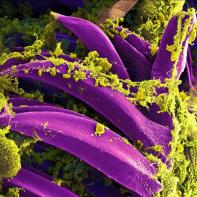
Officials in Norway are investigating an increase in Yersinia infections in the past month.

The Norwegian Institute of Public Health (Folkehelseinstituttet) reported a Yersinia enterocolitica O3 infection has been detected in 13 people living in several counties.

Outbreak investigations to find the source of infection have been started with local authorities, the Veterinary Institute and Norwegian Food Safety Authority (Mattilsynet).

Patients are between 2 and 57 years old and most are women. They live in Agder, Oslo, Rogaland and Trøndelag.

Bacteria with similar DNA profiles have been found in all 13 people and samples were taken during the last two weeks of May and first week of June.

USA – Consumers urged to check homes for beef implicated in illness – STEC E.coli

Food Safety News

Ecoli Istock

Image CDC

Illinois officials have issued a public alert regarding certain ground beef because product testing following a reported illnesses showed E. coli contamination.

Testing showed the non-O157 E. coli was present in beef prepared by a “custom exempt” establishment, David B’s Custom Meats in Carlinville, IL, in Macoupin County, according to a notice from the Illinois Department of Agriculture (IDOA). 

There is concern that consumers may still have unused portions of the implicated beef in their homes. The ground beef has been sold since the beginning if this year and was still on sale as of yesterday. Freezing does not kill E. coli bacteria, so consumers are urged to check their freezers and refrigerators for the implicated beef.

Viet Nam – 22 die of food poisoning in first five months, authority to inspect food safety

SGGP News

According to the administration’s report at a meeting “ Prevention of food poisoning from company kitchens” in Ho Chi Minh City yesterday, the country has recorded 48 food poisoning cases killing 22 people infecting 872 people and driving 824 people into hospitals.
Food poisoning cases are caused by Microorganism (with 8.7 percent), by natural toxic ( with 28.4 percent), by chemicals ( with 4.2 percent) and unidentified causes( 28.7 percent).
In addition to concern of unsafe food in kitchen in industrial parks and export processing zones in Ho Chi Minh City, unsafe food in schools is the most concern.


Research – Campylobacter infection major cause of child stunting

Medical Express

campy2

Image CDC

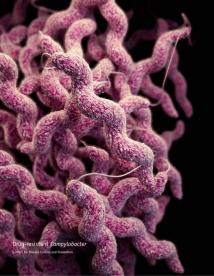
Gastrointestinal infection with Campylobacter plays a major role in the stunting of children in urban Bangladesh, say the authors of a new study.

The bacteria Campylobacter, which people get from contaminated food and drinks, can lead to severe diarrhoea. Infections of Campylobacter in children under the age of two years are especially frequent in developing countries. According to a WHO factsheet, Campylobacter diarrhoea’s duration and possible complications makes it highly important from a socio-economic perspective.

Stunting may result in neurodevelopmental delays and metabolic disorders later in life. It is a major global health challenge particularly in South Asia where 35 percent of all children are stunted. Worldwide, approximately 144 million children are stunted, according to the UN Children’s Fund.

Research -The European Union control strategy for Campylobacter spp. in the broiler meat chain

Wiley Online

Campylobacter is the most common cause of bacterial gastroenteritis worldwide and the most frequently reported foodborne pathogen in the European Union (EU). While campylobacteriosis is generally self‐limiting, some patients could develop severe sequelae. The predominant source of infection is poultry. This review addresses the most relevant factors influencing the prevalence and contamination level of Campylobacter spp. in the poultry chain continuum. The emphasis was put on the novel control strategy for Campylobacter that is based on evidence‐based risk assessment and the introduction of process hygiene criterion intended for monitoring the prevalence and counts of Campylobacter spp. on broiler carcasses at slaughter level. The reduction of Campylobacter spp. in the poultry meat chain in the EU can only be achieved with an integrated meat safety assurance approach. This includes primary interventions at the level of the poultry farm, implementation of effective control measures at slaughterhouses, and fostering awareness campaigns aimed at consumers.


China – Over 100 Kids in Henan Hospitalized for Suspected Food Poisoning

Sixth Tone

More than 100 students in central China’s Henan province were rushed to the hospital Wednesday afternoon to be treated for suspected food poisoning, The Beijing News reported.

Several students from multiple schools in Yucheng County had complained of stomachaches and diarrhea just after lunch, at around 12:30 p.m., according to local authorities. The hospitalized children are from three towns, though the number of schools affected remains unclear.

While a majority of the children have been discharged from hospitals, five are still receiving treatment, local officials said.