The highest percentage was located in the Capital department. 52% of affected individuals are children up to 9 years of age. Prevention lies in the safe handling of food.
In the first 25 days of January, 571 suspected cases of salmonella infection were reported in the province, of which 482 were confirmed, which represents 84% positivity.
Of this amount, the largest proportion of affected individuals corresponds to the age range of 5 to 9 years, with a total of 130. In second place, with 122 cases, are children aged 0 to 4 years. These data show that 52% of the cases correspond to children between 0 and 9 years of age.
Regarding the location of cases, the department with the highest number is Capital, with 366, which means 76% of the total.
Of 23 departments in which the province of Salta is divided, in the period from January 1 to 25, cases of salmonellosis were registered in 19 of them. There were no cases in La Candelaria, Rosario de la Frontera, San Carlos and Los Andes.
According to records of the Epidemiological Surveillance program of the Ministry of Public Health, in 2021 there were 1,930 suspected cases, with 1,748 confirmed (91% positivity).
Prevention Guidelines
The Ministry of Public Health recommends taking precautions when handling food, since salmonellosis occurs through the ingestion of food contaminated with bacteria of the salmonella genus.
4-year-old boy from Sydney who went to bed happy and healthy woke up unable to move his legs, telling his mom: “Mummy I can’t feel my legs.”
Oliver Davis’ mother, Bel, took her son to a local doctor who called him an ambulance, beginning the search for the cause of the boy’s sudden and mysterious paralysis, Australia’s 7News reported.
As the next 48 hours progressed, Oliver Davis’ condition worsened, leaving him unable to move from the shoulders down. Five days later he lost his ability to speak and swallow, lost control of his bladder, and had to begin being fed via a feeding tube.
Following a barrage of tests, including an MRI and a lumbar puncture, the 4-year-old was diagnosed with Guillain-Barré syndrome (GBS), a rare autoimmune disorder that occurs when a person’s own immune system damages their nerves, causing muscle weakness and sometimes paralysis.
The CDC says that several things are known to trigger GBS, two-thirds of people who suffer from the condition have had diarrhea caused by a bacteria called Campylobacter jejuni several weeks before developing symptoms. Infection with this bacteria seems to be one of the most common risk factors of GBS.
There were 13 fishermen, two wives, 17 ghillies and three mountain climbers in the party, and they set out that morning with packed lunches prepared by the hotel staff.
The picnic included duck paste sandwiches, the paste coming from the firm of Lazenby & Sons of London.
Little did the diners know that they were carrying a ticking time bomb between slices of bread in their hampers, and that eight of their number would be dead within days.
TAIPEI (Taiwan News) — After a family ordered a take-out Lunar New Year (LNY) meal from a Yunlin County restaurant on Wednesday (Feb. 2), 15 out of 30 people suffered from food poisoning, triggering an inspection by the Public Health Bureau.
A man surnamed Wang (王) told CNA that 30 people in his family had gathered to celebrate LNY together, and ordered food including lobster, fish, and soup from a restaurant in Huwei Township. As the restaurant offered take-out only, some dishes had to be re-heated.
Later that night, a few family members began to suffer from stomachaches and diarrhea, and by Friday (Feb. 4), 15 people had had to visit a hospital or clinic to get treated; three were hospitalized. Wang lamented that his family’s LNY holiday was “ruined” by the incident.
According to the Yunlin County Public Health Bureau, as the Wang family had ordered food from other restaurants on Wednesday, and inspectors were unable to get a sample for testing, the exact reason behind the incident remains to be determined. The bureau has not yet issued penalties to the restaurant and will conduct inspections first.
When the restaurant posted about the incident on Facebook, patrons who ordered food on the same day responded with reports of more cases of vomiting and diarrhea, CNA reported. The restaurant apologized, said it had contacted the public health bureau about the issue and promised to cooperate with the public health bureau for inspection as well as to actively investigate the source of food poisoning.
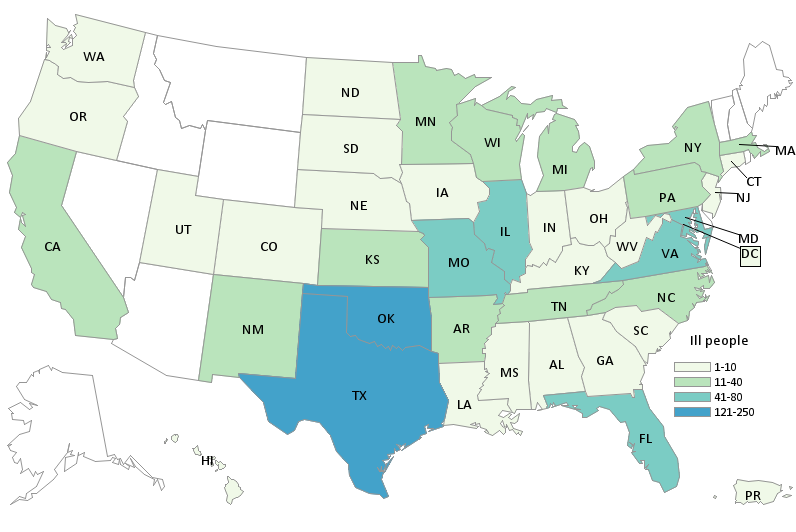
The FDA, along with CDC, and state and local partners, investigated a multistate outbreak of Salmonella Oranienburg infections linked to whole, fresh onions imported from the State of Chihuahua, Mexico, in cooperation with the Mexican competent authorities. As of February 2, 2022, CDC has declared this outbreak over. CDC reports that there were 1040 illnesses in 39 states, Washington, D.C., and Puerto Rico.
In September 2021, as part of the ongoing investigation to determine the product causing illnesses, the FDA import operations implemented enhanced screening for Salmonella for onions imported into the United States, but no samples were collected because the growing season had ended and onions were no longer being imported from the State of Chihuahua, Mexico.
As a result of this outbreak, the FDA initiated onsite domestic investigations as well as Foreign Supplier Verification Program (FSVP) inspections of domestic firms who imported onions from the State of Chihuahua, Mexico. By inspecting these U.S. importers, FDA can determine if they are in compliance with applicable FSVP requirements, including performing certain risk-based activities to verify that imported foods meet U.S. safety standards.
While the outbreak has ended, FDA continues to work closely with Mexican competent authorities through the established Food Safety Partnership to investigate potential source(s) of contamination within the implicated region and to proactively implement prevention strategies ahead of the next growing season. FDA also intends to consider using additional tools, such as import screening and sampling, for onions grown and harvested in the State of Chihuahua, Mexico during the next growing season.
Recommendation
CDC has announced the outbreak is over. There are no recommendations for consumers, retailers, or suppliers.
Case Count Map Provided by CDC
Case Counts
Total Illnesses: 1,040
Hospitalizations: 260
Deaths: 0
Last illness onset: January 1, 2022
States with Cases: AL, AR, CA, CO, CT, DC, FL, GA, HI, IA, IL, IN, KS, KY, LA, MA, MD, MI, MN, MO, MS, NC, ND, NE, NJ, NM, NY, OH, OK, OR, PA, PR, SC, SD, TN, TX, UT, VA, WA, WI, WV
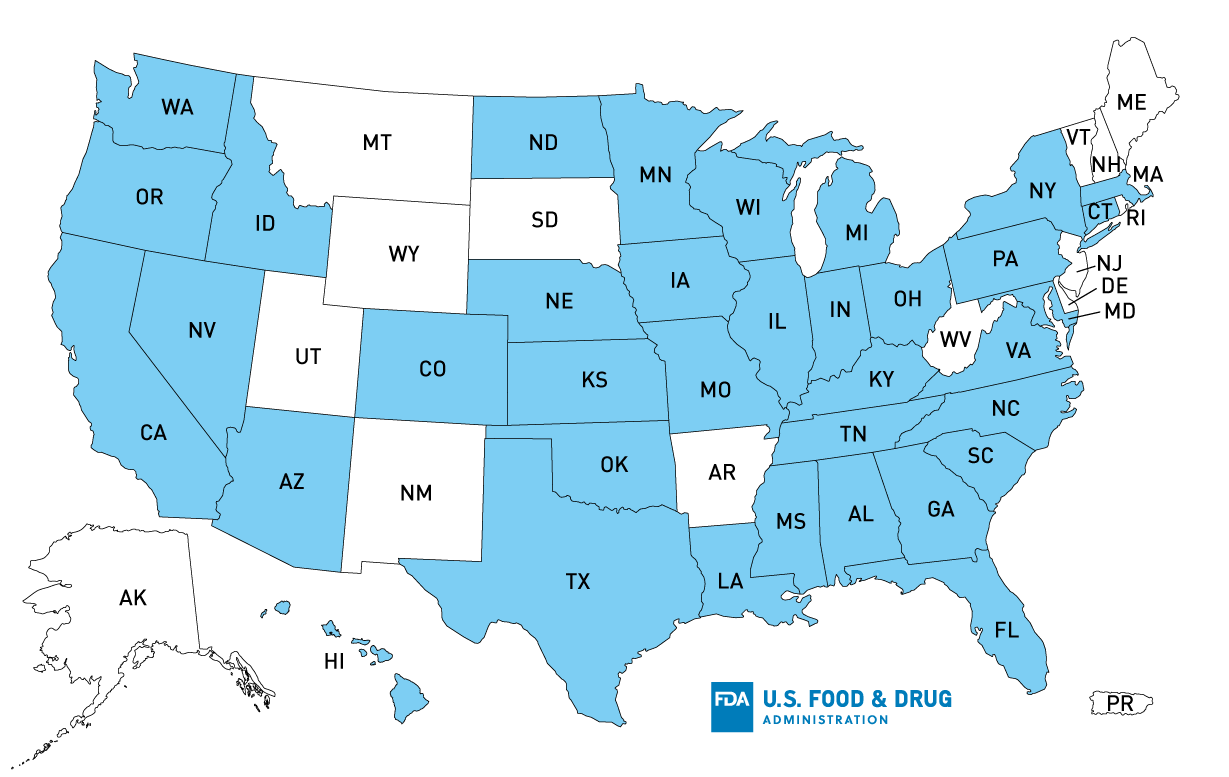
Product Distribution: Nationwide
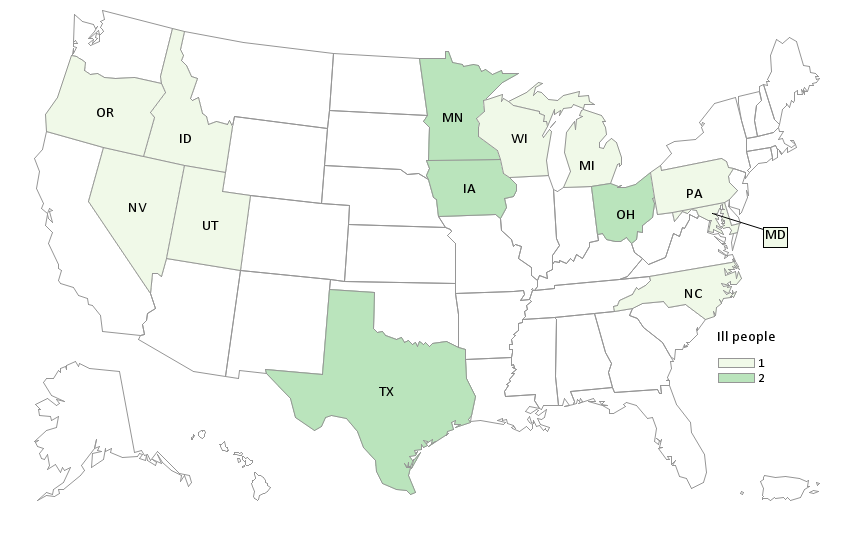
FDA, along with CDC and state and local partners, is investigating a multistate outbreak of Listeria monocytogenes infections linked to Dole packaged leafy greens by epidemiologic, laboratory, and traceback data. According to the CDC, as of February 1, 2022, 17 people infected with the outbreak strain of Listeria monocytogenes have been reported from 13 states. Illnesses started on dates ranging from August 16, 2014 to December 30, 2021 (one case occurred in 2014 and the remaining cases occurred between 2018 and 2021). CDC investigated this outbreak in 2019 and 2020 but was unable to gather enough data to identify the source in the past. CDC reopened the investigation in November 2021 after reports of new illnesses.
FDA sent investigators to multiple Dole processing facilities to conduct on-site inspections while at the same time Dole initiated their own investigation. On December 22, 2021, Dole voluntarily recalled all products and brands from their Bessemer City, NC, and Yuma, AZ, facilities. On January 7, 2022, as a result of continued investigations, Dole issued a voluntary recall of additional products after Dole detected the presence of Listeria monocytogenes on equipment used in the harvesting of the raw iceberg lettuce also used in finished products processed in the Dole Springfield, OH, and Soledad, CA, facilities. These products were shipped throughout the United States and several provinces in Canada. FDA analyzed the positive sample collected by Dole from the harvesting equipment. Results from FDA’s WGS analysis showed that the strain of Listeria monocytogenes found on the harvesting equipment matches the strain causing illnesses in this outbreak.
In addition to this outbreak of listeriosis linked to packaged salads produced by Dole, FDA and CDC are currently investigating a separate Listeria outbreak linked to packaged salads produced by Fresh Express. These investigations are ongoing and additional information will be provided as it becomes available.
Recommendation
FDA recommends that anyone who received recalled products use extra vigilance in cleaning and sanitizing any surfaces and containers that may have come in contact with these products to reduce the risk of cross-contamination. Listeria can survive at refrigeration temperatures and can easily spread to other foods and surfaces.
All recalled products are now past their “Best if Used By” dates of November 30, 2021 to January 9, 2022. If consumers have expired recalled Dole salads in their homes, they should throw them away. The initial list of recalled products and the second list of recalled products are available on FDA’s website.
Map of U.S. Distribution of Recalled Packaged Salad
Case Count Map Provided by CDC
Case Counts
Total Illnesses: 17
Hospitalizations: 13
Deaths: 2
Last illness onset: December 30, 2021
States with Cases: IA, ID, MD, MI, MN, NC, NV, OH, OR, PA, TX, UT, WI
Product Distribution*: AL, AZ, CA, CO, CT, FL, GA, HI, IA, ID, IL, IN, KS, KY, LA, MA, MD, MI, MN, MO, MS, NC, ND, NE, NV, NY, OH, OK, OR, PA, SC, TN, TX, VA, WA, WI
*Distribution has been confirmed for states listed, but product could have been distributed further, reaching additional states
A possible Swan Bros. raw milk Listeria outbreak has allegedly sickened 10 people in Missouri and Oklahoma, according to a wrongful death lawsuit filed in the District Court of Rogers County in the state of Oklahoma on January 21, 2022. Swan Bros. recalled their raw milk products in July 2021 for possible Listeria monocytogenes after testing by the Missouri Department of Health and Senior Services revealed the presence of that pathogen in the milk on July 6, 2021. The dairy posted a notice on its Facebook page on July 6, 2021 about that recall.
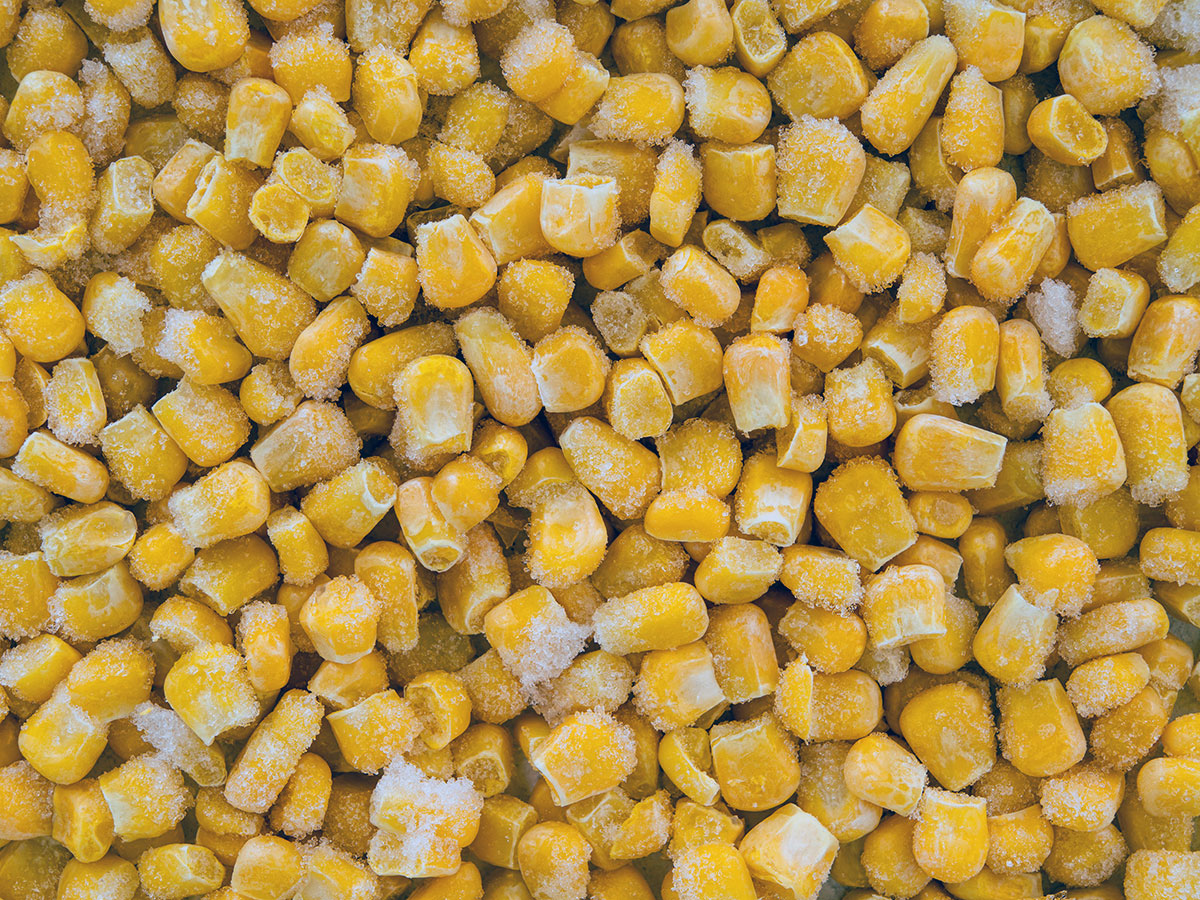
Illnesses continue to be added to a tally of people in Canada who have been sickened in a Salmonella Enteritidis outbreak tied to frozen corn.
The Public Health Agency of Canada (PHAC) reports that there are now 110 people from five provinces who have been confirmed as outbreak patients. As of Dec. 21 there were 84 confirmed patients.
“Many of the individuals who became sick reported eating a variety of raw and cooked produce items before their illness. Initially, investigators identified that fresh avocados were reported by many cases before they became ill; however, more information was needed to confirm the source of the outbreak,” according to the PHAC outbreak update.
“As part of the food safety investigation, the CFIA collected different food items from restaurants where ill people dined. Testing found the outbreak strain of Salmonella in an unopened package of Alasko brand frozen whole kernel corn. Traceback findings identified Alasko as the common brand of frozen corn consumed at various foodservice establishments by individuals who became sick. Based on the investigation findings to date, the outbreak is linked to Alasko brand frozen whole kernel corn.”
The Public Health Agency of Canada (PHAC) is collaborating with provincial public health partners, the Canadian Food Inspection Agency (CFIA) and Health Canada to investigate an outbreak of E. coli O157 infections involving 2 provinces: Alberta and Saskatchewan.
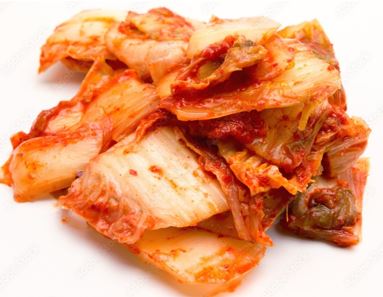
Based on the investigation findings to date, the outbreak is linked to Hankook (Korean characters only) brand Original Kimchi. Many of the individuals who were sick reported having eaten Hankook (Korean characters only) brand Original Kimchi before their illnesses occurred.
The CFIA issued a food recall warning on January 28, for Hankook (Korean characters only) brand Original Kimchi sold in 2L containers with a net weight of 1670 g, UPC code 6 23431 00030 4, and best before date January 29, 2022. The recalled product was distributed in British Columbia, Alberta, Saskatchewan, and Manitoba.
For more information on the recalled product, please consult CFIA’s website. The CFIA is continuing its food safety investigation, which may lead to the recall of other products. If other products are recalled, the CFIA will notify the public through updated food recall warnings.
Do not eat, use, sell, or serve the recalled kimchi or any products made with the recalled kimchi. This advice applies to individuals, as well as retailers, distributors, manufacturers and food service establishments such as hotels, restaurants, cafeterias, hospitals and long-term care homes, across Canada.
This public health notice will be updated as the investigation evolves.
Investigation summary
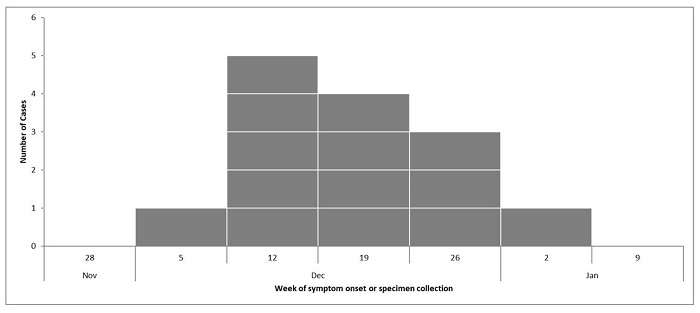
As of January 28, there have been 14 laboratory-confirmed cases of E.coli O157 illness linked to this outbreak in the following provinces: Alberta (13) and Saskatchewan (1).
Individuals became sick between early December 2021 and early January 2022. No deaths or hospitalizations have been reported. Individuals who became ill are between 0 and 61 years of age. The majority of cases (64%) are female.
The CFIA issued a food recall warning on January 28 for certain Hankook (Korean characters only) brand Kimchi products. The recalled product wasdistributed in British Columbia, Alberta, Saskatchewan, and Manitoba.
The CFIA is continuing its food safety investigation, which may lead to the recall of other products. If other products are recalled, the CFIA will notify the public through updated food recall warnings.
Who is most at risk
E. coli O157 is more likely to cause severe illness than other strains of E. coli. Pregnant women, those with weakened immune systems, young children and older adults are most at risk for developing serious complications.
Most people who become ill from an E. coli infection will recover completely on their own. However, some people may have a more serious illness that requires hospital care or causes long-lasting health effects. In rare cases, some individuals may develop life-threatening complications, including stroke, kidney failure and seizures, which could result in death. It is possible for some people to be infected with the bacteria and to not get sick or show any symptoms, but to still be able to spread the infection to others.
What you should do to protect your health
The following advice applies to individuals, as well as retailers, distributors, manufacturers and food service establishments such as hotels, restaurants, cafeterias, hospitals and long-term care homes, across Canada:
Do not eat, use, sell or serve the recalled kimchi or any products made with the kimchi. Check to see if you have recalled food products at home. If you do, throw them out and wash your hands.
Clean and sanitize all surfaces and storage areas that recalled kimchi or any products made with the recalled kimchi may have come in contact with, including countertops, containers, utensils, freezers, and refrigerators.
If you have been diagnosed with an E. coli infection or any other gastrointestinal illness, do not cook food for other people.
Symptoms
People infected with E. coli can have a wide range of symptoms. Some do not get sick at all, though they can still spread the infection to others. Others may feel as though they have a bad case of upset stomach. In some cases, individuals become seriously ill and must be hospitalized.
The following symptoms can appear within one to ten days after contact with the bacteria:
nausea
vomiting
headache
mild fever
severe stomach cramps
watery or bloody diarrhea
Most symptoms end within five to ten days. There is no real treatment for E. coli infections, other than monitoring the illness, providing comfort, and preventing dehydration through proper hydration and nutrition. People who develop complications may need further treatment, such as dialysis for kidney failure. You should contact your health care provider if symptoms persist.
What the Government of Canada is doing
The Government of Canada is committed to protecting the health of Canadians from enteric disease outbreaks.
PHAC leads the human health investigation into an outbreak and is in regular contact with its federal, provincial and territorial partners to monitor the situation and to collaborate on steps to address an outbreak.
Health Canada provides food-related health risk assessments to determine whether the presence of a certain substance or microorganism poses a health risk to consumers.
CFIA conducts food safety investigations into the possible food source of an outbreak.
Epidemiological information
Figure 1 is an epidemiological curve for this outbreak, which shows the numbers of new cases by week. Outbreak investigators use this information to show when illnesses begin, when they peak, and when they trail off. It can take several weeks from the time a person becomes ill to when the illness is reported and testing confirms a link to the outbreak. Data are available for 14 cases.
Figure 1. Number of people infected with E. coli O157:H7