Category Archives: Food Illness

Research – The 7 Worst Food Recalls of All Time

Eat This

Food safety issues occur more frequently than you might think, especially in recent times, with an increase of 125% in grocery recalls in recent years. And while the risks may be fairly benign (think: a gluten-free product that may have come into contact with wheat during manufacturing) some contaminants can have devastating—even deadly—consequences for consumers. The Center for Disease Control and Prevention (CDC) estimates that foodborne illness from infectious pathogens or harmful chemicals causes 48 million people to get sick each year, with 148,000 hospitalizations and 3,000 deaths on average.

The Food and Drug Administration (FDA) categorizes product recalls based on the potential severity of effects. The least serious is a Class III recall, with minimal risk for adverse health consequences. Class II means that the effects of exposure or use can lead to temporary or reversible health consequences. Class I is the most severe, marked when “there is a reasonable probability that the use of, or exposure to, a violative product will cause serious adverse health consequences or death.”

The upside is that these incidents have called companies to higher scrutiny of their production processes, has led to stricter rules and regulations, such as granting the FDA the ability to authorize mandatory recalls in 2018, and fueled a larger effort to educate the public on how to practice safer food preparation.

But tragically, there have been dozens of Class I product recalls in the past decades that caused hundreds of illnesses and some deaths to consumers. These are seven of the most catastrophic food recalls in grocery history.
USA – FDA says E. coli outbreak associated with romaine lettuce is over

Food Safety News

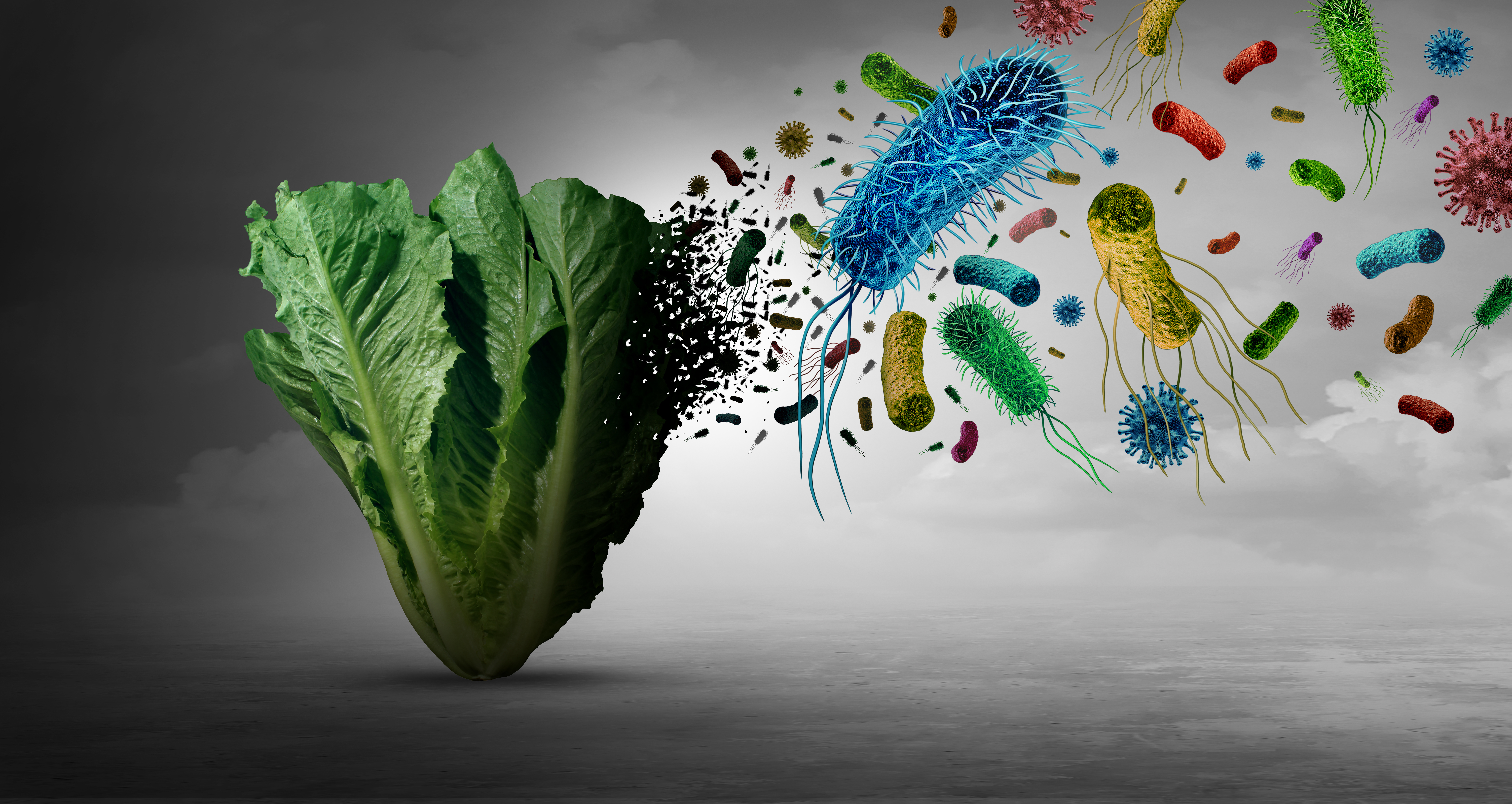
Federal officials are reporting that an outbreak of E. coli O121:H9 infections linked to romaine lettuce has ended.

Four illnesses were confirmed in the outbreak. Little other information was available from the Food and Drug Administration.

“The information collected over the course of this investigation indicated that romaine lettuce was the likely source of this outbreak; however, it appears that this outbreak is over, and there is no actionable advice for consumers,” according to FDA officials.

“FDA has been conducting a traceback investigation and other activities in an effort to learn more about possible sources or routes of contamination.”

The FDA first reported the outbreak two weeks ago but has not shared any information about patient demographics or what states are involved. The agency did not report when the first illness was reported or when the last one was logged by public health officials.

As of Jan. 26, the Centers for Disease Control and Prevention had not posted any information about the outbreak. That is generally standing procedure for the agency if a specific product is not identified.

Research – Are Frozen Fruits and Vegetables Healthy and Safe?

Consumer Reports

At Consumer Reports, we’ll always tell you what we find with our testing—it’s important to highlight when products and services excel and when they fall short. When we look at food through a safety lens, unfortunately we often find reasons to be concerned—whether that’s because of substances like heavy metals in supplements, baby food, or spices, or disease-causing bacteria such as E. coli in ground beef.

But sometimes, as is the case with CR’s recent tests of frozen fruits and veggies, we get good news. Our food scientists recently tested more than 300 samples of eight types of frozen produce and didn’t find any harmful bacteria.

Most frozen vegetables are blanched in hot water or steamed before freezing, which may lead many to think they are already cooked and risk free—people let their toddlers snack on frozen veggies, or might toss them into a salad without cooking them first. But though frozen produce is convenient and generally safe, it may still harbor bacteria that cause foodborne illness, such as Listeria monocytogenes or salmonella.

Read more at the link above.

Research – Publisher’s Platform: The World’s Largest and Deadliest Listeria Outbreak is turning 4 in March

Food Safety News

In March of this year it will be 4 years since I boarded a flight from Seattle to Johannesburg (20 plus hour flight) to speak at a food safety conference just days after the South African health authorities announced that a Listeria outbreak had been linked to a product named polony manufactured by the largest food manufacturer in Africa.

I recall how similar it felt to the early days of the Jack-in-the-Box E. coli outbreak of 1993– how everyone seemed honestly shocked that such a tragedy could happen.

I have spent the last 4 years working (being 10 hours behind has required far too many late nights and early morning calls) with a cadre of amazing lawyers and more amazing staff moving forward in the first foodborne illness class action in Africa.  We have much to do to find justice to the more than 1,000 sickened and their families.  I am saddened by the pace of the litigation, but determined to take care of our class members – we have to work harder.

USA – Annual Reports on Foodborne Illness Source Attribution Estimates

CDC

Foodborne Illness Source Attribution Estimates for SalmonellaEscherichia coli O157, Listeria monocytogenes, and Campylobacter Using Multi-Year Outbreak Surveillance Data, United States.

Latest Report for 2019

IFSAC analyzed data from 1,532 foodborne disease outbreaks that occurred from 1998 through 2019 to assess which categories of foods were most responsible for SalmonellaE. coli O157, Listeria monocytogenes, and Campylobacter infections. These pathogens were chosen because of the frequency or severity of the illnesses they cause, and because targeted interventions can have a major impact in reducing them. The implicated foods were divided into 17 categories for the analysis, and the method gives the greatest weight to the most recent five years of outbreak data (2015–2019).

Read the 2019 report pdf icon[PDF – 14 pages]

USA – Listeria was Top Pathogen Source of Recalls and Related Deaths in 2021

Food Poisoning Bulletin

In-depth analysis from Food Poisoning Bulletin 

Listeria was the top pathogen source of food recalls and related deaths in 2021, according to an in-depth analysis by Food Poisoning Bulletin. After our second annual analysis of recalls for meat and poultry, which are regulated by the U.S. Department of Agriculture (USDA), we turned our attention to recalls for all other foods which are regulated by the U.S. Food and Drug Administration (FDA). The Listeria findings are some of the key takeaways from our deep dive into 2021 food recalls.

Cambodia – Mass food poisoning reported with more than 30 falling ill

Khmer Times

A joyful party ended in a hospital visit for 34 guests due to food poisoning.

The party took place on January 21 at a water treatment plant in Snom Prampi Village, Mak Prang Commune, Teuk Chhou District, Kampot.

According to the authorities at around 6 p.m. there were reports of mass food poisoning. The party was reportedly hosted by the water treatment plant. After the report came to the authorities, those suffering were sent to the hospital to be treated. A total of 34 people ended up in the emergency room.

Authorities said that 26 of the victims were admitted to Kampot Provincial Referral Hospital and eight other people were sent to a private clinic for treatment. As of January 22, all victims have recovered.

Malaysia -60+ Primary School Students Get Food Poisoning From School Food Programme

TRP

More than 60 students from a primary school in Taman Medan, Petaling Jaya got food poisoning and had to be admitted to Hospital Shah Alam last Thursday, according to Majoriti.

It is believed that the food provided by the school under the supplementary meal plan (RMT) is the cause of the food poisoning. Allegedly, all the students had eaten the food provided, and many later showed signs of food poisoning such as vomiting.

Students from Year 1 to Year 6, including those in the Special Education Integration Program (PPKI), who are part of the supplementary meal plan programme were affected.

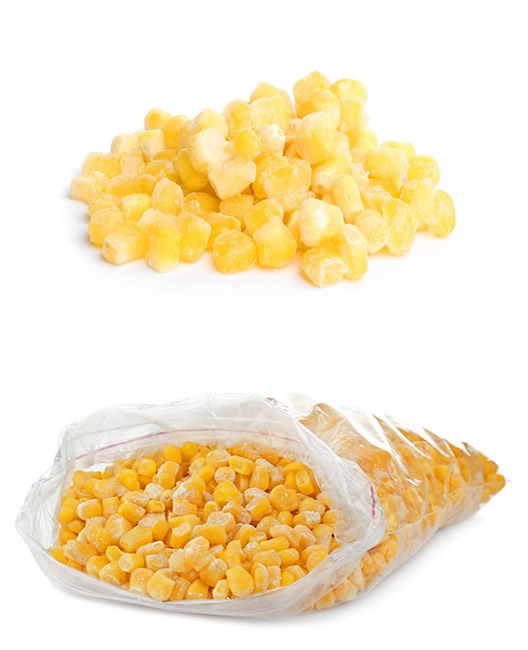
Canada – Public Health Notice: Outbreak of Salmonella infections linked to frozen whole kernel corn

PHAC

This notice has been updated to communicate the source of the outbreak and reflect 26 additional illnesses that have been reported in the ongoing outbreak investigation. There are now 110 Salmonella illnesses reported across 5 provinces. Based on the investigation findings to date, the outbreak is linked to Alasko brand frozen whole kernel corn.

The Public Health Agency of Canada (PHAC) is collaborating with provincial public health partners, the Canadian Food Inspection Agency (CFIA) and Health Canada to investigate an outbreak of Salmonella infections involving 5 provinces: British Columbia, Alberta, Saskatchewan, Manitoba and Ontario. The illnesses reported in Ontario were related to travel to Alberta and British Columbia.

Many of the individuals who became sick reported eating a variety of raw and cooked produce items before their illness. Initially, investigators identified that fresh avocados were reported by many cases before they became ill; however, more information was needed to confirm the source of the outbreak.

As part of the food safety investigation, the CFIA collected different food items from restaurants where ill people dined. Testing found the outbreak strain of Salmonella in an unopened package of Alasko brand frozen whole kernel corn. Traceback findings identified Alasko as the common brand of frozen corn consumed at various food service establishments by individuals who became sick. Based on the investigation findings to date, the outbreak is linked to Alasko brand frozen whole kernel corn.

The CFIA issued food recall warnings on December 14 and 19 for Alasko brand frozen whole kernel corn. The recalled products were distributed in British Columbia, Alberta, Saskatchewan, Manitoba and Quebec, and may have been distributed in other provinces and territories. This led to a secondary recall for Fraser Valley Meats brand frozen whole kernel corn on December 18. Several additional secondary recalls have been issued since then for products that were made using the recalled Alasko brand frozen whole kernel corn. More information on the recalled products are available online. The CFIA is continuing its food safety investigation, which may lead to the recall of other products. If other products are recalled, the CFIA will notify the public through updated food recall warnings.

The outbreak appears to be ongoing, as recent illnesses continue to be reported. Do not eat, use, sell, or serve any of the recalled corn or products made with the recalled corn. This advice applies to individuals, as well as retailers, distributors, manufacturers and food service establishments such as hotels, restaurants, cafeterias, hospitals and long-term care homes, across Canada.

This outbreak is an important reminder to Canadians and businesses that frozen vegetables can carry harmful germs that can lead to foodborne illness if not properly handled and cooked prior to consuming.

This public health notice will be updated as the investigation evolves.

Research – Surveillance and characteristics of food-borne outbreaks in the Netherlands, 2006 to 2019

Eurosurveillance

A wide variety of pathogens can cause disease in humans through the consumption of contaminated food [13]. Contamination of food can occur at any point from farm to table, as a result of improper hygiene, handling, storage or preparation, and the broad range of food products that can be contaminated adds to the complexity. An estimated 652,000 cases of infectious diseases because of contaminated food occurred in 2018 in the Netherlands, leading to around EUR 171 million in costs [4]. This figure and corresponding costs have remained at the same level since 2009 [4,5]. The exact number of cases remains unknown; only a minority of food-borne cases is captured by surveillance systems since most infections are relatively mild and no diagnostic testing is performed. Furthermore, not all food-borne infections are systematically monitored.

Although recognised food-borne outbreaks only account for a small part of the food-borne disease burden, they can provide insight into the pathogens causing outbreaks, food products implied as vehicles, points of contamination, and settings in which transmission occurs [6,7]. Determination of the contaminated food product is difficult, especially in sporadic cases, because of varying incubation periods in which many exposures occurred, as well as recall bias. Outbreaks offer the opportunity to gather consumption data from more than one case and to perform a comparison with controls, which increases the chance of finding the contaminated food item. Analysis of data over a longer period also offers the opportunity to describe trends in food-borne outbreaks, to identify new and emerging food-borne pathogens and specific pathogen-food combinations, and to examine the public health importance of pathogens, which can be used to improve food safety [6,8].

The aim of this study is to describe the characteristics of food-borne outbreaks registered between 2006 and 2019 in the Netherlands in order to provide a better understanding of food-borne outbreaks and to guide efforts to control, reduce and prevent future food-borne illness.