Category Archives: Food Hygiene

RASFF Alerts – Aflatoxin – Shelled Hazelnuts – Pistachios – Hazelnut Kernels – Super Basmati Brown Rice – Groundnuts – Peanuts – Seasoning Mixes – Roasted Peanuts – Shelled Almonds

RASFF

Presence above the permitted limits of Aflatoxins on shelled hazelnuts from Azerbaijan in Italy

RASFF

Aflatoxins in pistachios from United States in Spain

RASFF

Aflatoxins in hazelnut kernels from Azerbaijan in Bulgaria, Germany and Slovakia

RASFF

Aflatoxins in super basmati brown rice(husked rice) from Pakistan in the Netherlands

RASFF

Aflatoxin B1 in super basmati brown rice(husked rice) from Pakistan in the Netherlands

RASFF

Aflatoxin B1 in super basmati brown rice(husked rice) from Pakistan in the Netherlands

RASFF

Aflatoxins in Indian Groundnut Kernels from India in the Netherlands and Switzerland

RASFF

Aflatoxin B1 in Argentine peanuts in the Netherlands

RASFF

Aflatoxins in basmati brown rice(husked rice) from Pakistan in the Netherlands

RASFF

Aflatoxins in groundnuts from United States in Spain

RASFF

Aflatoxins in groundnuts in-shell from USA in Poland

RASFF

Aflatoxins in organic groundnut kernels from Bolivia in the Netherlands and Spain

RASFF

Aflatoxin B1 in Indian Groundnuts from India in the Netherlands and Switzerland

RASFF

Elevated Aflatoxin B1 and Total Aflatoxin in Seasoning Mixes from Pakistan in Ireland and the UK

RASFF

Increased levels of aflatoxins in roasted peanut without skin from Vietnam via the Netherlands in Germany

RASFF

High aflatoxin content in shelled pistachios from Turkey in Italy

RASFF

Presence of aflatoxin (B1 and sum) higher than the legal limits in shelled almonds from Spain in Italy

RASFF

Aflatoxin B1 (Samples A: 2,74 ± 0,41, B: 2,79 ± 0,42 µg/kg) in blanched groundnuts from Argentina in Poland

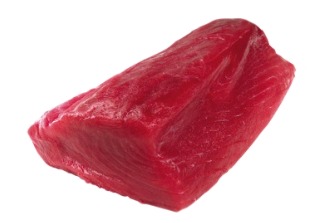
France – YELLOWFIN TUNA LOIN FISHED IN THE INDIAN OCEAN – Histamine

Gov france

Identification information of the recalled product

  • Product category Food
  • Product subcategory Fishery and aquaculture products
  • Product brand name SUPPLIER BRAND
  • Model names or references SUPPLIER BRAND
  • Identification of products
    GTIN Batch Date
    3000005180735 5860221261 Use-by date 05/19/2022
  • Packaging Bulk
  • Marketing start/end date From 05/10/2022 to 05/12/2022
  • Storage temperature Product to be stored in the refrigerator
  • Health mark Nope
  • Geographic area of ​​sale Whole France
  • Distributors SCAPMAREE
  • List of points of salestore_list.pdf

Practical information regarding the recall

  • Reason for recall Non-compliant histamine level
  • Risks incurred by the consumer Other biological contaminants

UK – Cranswick Country Foods recalls several products containing chicken because salmonella has been found

FSA

Cranswick Country Foods are recalling several products containing chicken because salmonella has been found in some of the chicken used to manufacture these products. As a precaution additional products are also being recalled whilst investigations continue.

Product details

Aldi Chicken & Stuffing Sandwich
Use by All use by dates up to and including 15 May 2022
Aldi Chicken & Sweetcorn Sandwich
Use by All use by dates up to and including 15 May 2022
Aldi Chicken and Bacon Caesar Wraps Mixed
Use by All use by dates up to and including 15 May 2022
Waitrose Chicken & Bacon Caesar Wrap
Use by All use by dates up to and including 14 May 2022
Waitrose Deep Filled Roast Chicken & Bacon Sandwich
Use by All use by dates up to and including 14 May 2022
Waitrose Deep Filled Roast Chicken & Stuffing Sandwich
Use by All use by dates up to and including 14 May 2022
Waitrose Entertaining Meat Roulade Wrap Selection
Use by All use by dates up to and including 14 May 2022
Waitrose Essential Chicken Mayo Sandwich
Use by All use by dates up to and including 14 May 2022
Waitrose Roast Chicken & Bacon Sandwich
Use by All use by dates up to and including 14 May 2022
Waitrose Roast Chicken & Stuffing Sandwich
Use by All use by dates up to and including 14 May 2022
Waitrose Roast Chicken & Sweetcorn Sandwich
Use by All use by dates up to and including 14 May 2022
Waitrose Roast Chicken Salad with Salad Cream Sandwich
Use by All use by dates up to and including 14 May 2022
Aldi Chicken and Bacon Caesar Wrap Triple Wrap
Use by All use by dates up to and including 15 May 2022
Use by
Amazon Arabiatta Chicken Pasta Salad
Use by All use by dates up to and including 12 May 2022
Amazon BBQ Chicken Hot wrap
Use by All use by dates up to and including 12 May 2022
Amazon Chicken and Bacon Caesar Baguette
Use by All use by dates up to and including 12 May 2022
Amazon Chicken and Spinach Protein Pot
Use by All use by dates up to and including 12 May 2022
Amazon Chicken Caesar Wrap
Use by All use by dates up to and including 12 May 2022
Amazon Chicken Tikka Bites
Use by All use by dates up to and including 12 May 2022
Amazon Chicken Triple Sandwich
Use by All use by dates up to and including 12 May 2022
Amazon Harissa Chicken and Grain Salad
Use by All use by dates up to and including 12 May 2022
Aldi Chicken Fajita Triple Wrap
Use by All use by dates up to and including 15 May 2022
Amazon Katsu Chicken and Coconut Slaw
Use by All use by dates up to and including 12 May 2022
Amazon Lemongrass Chicken Grain Salad
Use by All use by dates up to and including 12 May 2022
Amazon Mexican Chicken Mini Salad
Use by All use by dates up to and including 12 May 2022
Amazon Sweet Chilli Chicken Noodle Salad
Use by All use by dates up to and including 12 May 2022
Amazon Thai Chicken Hot Box
Use by All use by dates up to and including 12 May 2022
Amazon Tikka Chicken & Masala Potato
Use by All use by dates up to and including 12 May 2022
By Sainsbury’s Sage & Onion Chicken Breast Slice 180g
Use by All use by dates from 3 May up to and including 20 May 2022
By Sainsbury’s Café Chicken & Bacon Topped Toastie
Use by All use by dates from 3 May up to and including 14 May 2022
By Sainsbury’s Cajun Chicken Grills 180g
Use by All use by dates from 3 May up to and including 20 May 2022
By Sainsbury’s Chargrilled Chicken Slices 160g
Use by All use by dates from 3 May up to and including 20 May 2022
Aldi Chicken Beechwood Smoked Bacon and Stuffing Sandwich
Use by All use by dates up to and including 15 May 2022
By Sainsbury’s Chargrilled Chicken Slices 300g
Use by All use by dates from 3 May up to and including 20 May 2022
By Sainsbury’s Chargrilled Salt & Chilli Thigh Fillets 150g
Use by All use by dates from 3 May up to and including 20 May 2022
By Sainsbury’s Chicken & Sweetcorn Sandwich
Use by All use by dates from 3 May up to and including 14 May 2022
By Sainsbury’s Chicken and Bacon Sub Roll
Use by All use by dates from 3 May up to and including 14 May 2022
By Sainsbury’s Chicken Fajita Triple Wrap
Use by All use by dates from 3 May up to and including 14 May 2022
By Sainsbury’s Chicken Salad Sandwich
Use by All use by dates from 3 May up to and including 14 May 2022
By Sainsbury’s Chicken Triple Sandwich
Use by All use by dates from 3 May up to and including 14 May 2022
By Sainsbury’s Chicken with Pork, Sage & Onion Stuffing Sandwich
Use by All use by dates from 3 May up to and including 14 May 2022
By Sainsbury’s Chicken, Bacon & Caesar Wrap
Use by All use by dates from 3 May up to and including 14 May 2022
By Sainsbury’s Classic Sandwich Platter
Use by All use by dates from 3 May up to and including 12 May 2022
Aldi Eat & Go Chicken and Bacon Club with Mayo
Use by All use by dates up to and including 15 May 2022
By Sainsbury’s Classic Triple Sandwich
Use by All use by dates from 3 May up to and including 14 May 2022
By Sainsbury’s Coronation Chicken Sandwich
Use by All use by dates from 3 May up to and including 14 May 2022
By Sainsbury’s Firecracker Chicken Slices 160g
Use by All use by dates from 3 May up to and including 20 May 2022
By Sainsbury’s Flamegrilled Chicken Grills 180g
Use by All use by dates from 3 May up to and including 20 May 2022
By Sainsbury’s Flamegrilled Chicken Mini Fillets 170g
Use by All use by dates from 3 May up to and including 20 May 2022
By Sainsbury’s Garlic & Herb Chicken Breast Slices 180g
Use by All use by dates from 3 May up to and including 20 May 2022
By Sainsbury’s Gluten Free Chicken Caesar Wrap
Use by All use by dates from 3 May up to and including 14 May 2022
By Sainsbury’s Gluten Free Sandwich Platter
Use by All use by dates from 3 May up to and including 12 May 2022
By Sainsbury’s Grilled Tandoori Chicken Thigh Fillets 150g
Use by All use by dates from 3 May up to and including 20 May 2022
By Sainsbury’s Jerk Chicken Wrap
Use by All use by dates from 3 May up to and including 14 May 2022
Aldi Eat & Go Classic Selection Chicken Salad, Bacon, Lettuce & Tomato Prawn Mayonnaise Sandwiches
Use by All use by dates up to and including 15 May 2022
By Sainsbury’s Kansas City BBQ Wings 486g
Use by All use by dates from 3 May up to and including 20 May 2022
By Sainsbury’s Meat Sandwich Platter
Use by All use by dates from 3 May up to and including 12 May 2022
By Sainsbury’s Mexican Chicken Mini Fillets 170g
Use by All use by dates from 3 May up to and including 20 May 2022
By Sainsbury’s Piri Piri Chicken Mini Fillets 170g
Use by All use by dates from 3 May up to and including 20 May 2022
By Sainsbury’s Spring on the Lemon Chicken Sandwich
Use by All use by dates from 3 May up to and including 14 May 2022
By Sainsbury’s Thai Red Chicken Sandwich
Use by All use by dates from 3 May up to and including 14 May 2022
By Sainsbury’s Wrap Platter
Use by All use by dates from 3 May up to and including 12 May 2022
By Sainsburys Chicken & Bacon Sandwich
Use by All use by dates from 3 May up to and including 14 May 2022
By Sainsbury’s TTD Greek Chicken & Tzatziki Premium Wrap
Use by All use by dates from 3 May up to and including 14 May 2022
Caffé Nero Chargrilled Chicken Salad Sandwich
Use by All use by dates up to and including 13 May 2022
Aldi Flavoured Mini Chicken Fillets; Mango Curry & Shwarma
Use by All use by dates up to and including 19 May 2022
Co-op Chicken & Bacon Caesar Wrap
Use by All use by dates up to and including 14 May 2022
Co-op Chicken & Sweetcorn Sandwich
Use by All use by dates up to and including 14 May 2022
Co-op Chicken and Stuffing Sandwich
Use by All use by dates up to and including 14 May 2022
Co-op Chicken Mayo Sandwich
Use by All use by dates up to and including 14 May 2022
Co-op Coronation Chicken Sandwich
Use by All use by dates up to and including 14 May 2022
Co-op Oriental Chicken Curry with Egg Fried Rice 400g
Use by All use by dates up to and including 20 May 2022
Co-op Oriental Chow Mein 375g
Use by All use by dates up to and including 20 May 2022
Co-op Oriental Sweet and Sour Chicken with Egg Fried Rice 400g
Use by All use by dates up to and including 20 May 2022
Costa British Chicken Fajita Wrap
Use by All use by dates up to and including 15 May 2022
Costa British Roast Chicken & Bacon Classic Toastie
Use by All use by dates up to and including 15 May 2022
Aldi Roast Chicken & Bacon Sandwich
Use by All use by dates up to and including 15 May 2022
Costa Chicken & Chorizo Stonebaked Panini
Use by All use by dates up to and including 15 May 2022
‘Jamie Oliver deli by Shell’ Spicy Chipotle BBQ Chicken Wrap
Use by All use by dates up to and including 13 May 2022
M&S 14 Piece Classic Sandwich Platter
Use by All use by dates up to and including 13 May 2022
M&S Chicken & Bacon Caesar Wrap
Use by All use by dates up to and including 12 May 2022
M&S Classic Mini Roll Selection
Use by All use by dates up to and including 12 May 2022
M&S Deli Filler Coronation Chicken
Use by All use by dates up to and including 17 May 2022
M&S Made Without Wheat Gluten Free Chicken & Bacon Sandwich
Use by All use by dates up to and including 13 May 2022
M&S Roast Chicken & Bacon Sandwich
Use by All use by dates up to and including 13 May 2022
M&S Roast Chicken & Salad Sandwich
Use by All use by dates up to and including 13 May 2022
M&S The Café Classic Selection
Use by All use by dates up to and including 13 May 2022
Aldi Roast Chicken Salad Sandwich
Use by All use by dates up to and including 15 May 2022
M&S The Café Gluten Free Chicken Salad
Use by All use by dates up to and including 13 May 2022
M&S Honey and Mustard Chicken Pasta Salad
Use by All use by dates up to and including 15 May 2022
M&S Chicken and Bacon Layered Salad
Use by All use by dates up to and including 15 May 2022
M&S Chicken Caesar Salad
Use by All use by dates up to and including 15 May 2022
One Stop BBQ Chicken Chunks 180g
Use by All use by dates up to and including 19 May 2022
One Stop Sliced Roast Chicken Breast 180g
Use by All use by dates up to and including 19 May 2022
Starbucks Coronation Chicken Sandwich
Use by All use by dates up to and including 13 May 2022
Tesco BBQ Chicken Breast Pieces 180g
Use by All use by dates up to and including 19 May 2022
Tesco Chicken Breast Slices 180g
Use by All use by dates up to and including 20 May 2022
Tesco Chicken Breast Slices 180g (Express)
Use by All use by dates up to and including 19 May 2022
Aldi Sweet Chilli Chicken Triple Wrap
Use by All use by dates up to and including 15 May 2022
Tesco Chicken Breast Slices 360g
Use by All use by dates up to and including 20 May 2022
Tesco Coronation Chicken Pieces 180g
Use by All use by dates up to and including 18 May 2022
Tesco Fajita Chicken Breast Mini Fillets 170g
Use by All use by dates up to and including 18 May 2022
Tesco Flame Grilled Chicken Breast Mini Fillets 170g
Use by All use by dates up to and including 20 May 2022
Tesco Flame Grilled Chicken Thins 180g
Use by All use by dates up to and including 18 May 2022
Tesco Garlic & Herb Chicken Breast Mini Fillets 170g
Use by All use by dates up to and including 19 May 2022
Tesco Piri Piri Chicken Breast Mini Fillets 170g
Use by All use by dates up to and including 18 May 2022
Tesco Piri Piri Chicken Breast Pieces 180g
Use by All use by dates up to and including 19 May 2022
Tesco Sliced Chicken Breast with Sage & Onion 180g
Use by All use by dates up to and including 19 May 2022
Tesco Tandoori Chicken Pieces 180g
Use by All use by dates up to and including 19 May 2022

Risk statement

The products listed above may be contaminated with salmonella. Symptoms of salmonella usually include fever, diarrhoea and abdominal cramps.

Action taken by the company Cranswick Country Foods is recalling the above products. Point-of-sale notices will be displayed in all retail stores that are selling these products. These notices explain to customers why the products are being recalled and tell them what to do if they have bought the above products.
Our advice to consumers If you have bought the above products, do not eat them. Instead, return them to the store from where they were bought for a full refund.

USA – FDA Investigation of Cronobacter Infections: Powdered Infant Formula (February 2022)

FDA

Content current as of:
05/11/2022

If you want to check if your powdered formula is part of the recall, you can enter the product lot code on the bottom of your package on the company’s websiteExternal Link Disclaimer.

If you have questions or need information about the recall, you can Submit Questions/Get Assistance.

If your infant is experiencing symptoms related to Cronobacter infection, such as poor feeding, irritability, temperature changes, jaundice, grunting breaths, or abnormal body movements; contact your health care provider to report their symptoms and receive immediate care.

To report an illness or adverse event, you can

The U.S. Food and Drug Administration (FDA), along with the Centers for Disease Control and Prevention (CDC) and state and local partners are investigating consumer complaints and/or reports, received from 9/20/2021 to 1/11/2022, of infant illness related to products from Abbott Nutrition’s Sturgis, MI, facility. The four ill patients are reported to have consumed powdered infant formula produced from Abbott Nutrition’s Sturgis, MI, facility.

On May 10, 2022, the U.S. Food and Drug Administration provided an update on its work to increase the availability of infant and specialty formula products. This update was announced with a separate press release.

Following the voluntary recall and hold of certain powdered infant formula products produced at the Abbott Nutrition facility in Sturgis, MI, Abbott has committed to completing enhanced testing of stored product batches prior to making release determinations. While the FDA recognizes that Abbott has conducted standard product testing, there were a limited number of samples tested. Additionally, although finished product testing does not eliminate the risk of contamination, the enhanced testing will provide for a greater chance to detect Cronobacter sakazakii, if present; however, this enhanced level of testing will take additional time.

In the meantime, the FDA has informed Abbott Nutrition that the agency has no objection to the company immediately releasing product to individuals needing urgent, life-sustaining supplies of the specialty and metabolic formulas listed below on a case-by-case basis. The FDA is concerned that the risk of not having certain specialty and metabolic products available could significantly worsen underlying medical conditions and in some cases pose life-threatening risks for infants and individuals who rely on these products. In these circumstances, the benefit of allowing parents, in consultation with their healthcare providers, to access these products may outweigh the potential risk of bacterial infection.

Abbott has confirmed with the FDA that the company will consider release of these products on a case-by-case basis, depending on product availability and the severity of the individual’s need. Patients and caregivers seeking access to these products should contact Abbott directly to request that a product be made available to them by calling 1-800-881-0876.

It is important for parents and caregivers to understand that any products released on a case-by-case basis at this time were made at Abbott Nutrition’s Sturgis, MI, facility, and that the processes, procedures, and conditions that the FDA observed during its inspection of the Sturgis MI production facility from January 31 – March 18, 2022, raise concerns that powdered infant formula produced at this facility prior to the FDA’s inspection carry a risk of contamination. Therefore, those seeking access should consult with their healthcare provider in considering whether the benefit of consuming such product outweighs the potential risk of bacterial infection in the user’s particular circumstances. Parents and caregivers should continue to work with their medical provider to consider whether comparable alternative products may be appropriate.

Parents and caregivers who obtain these products should carefully follow Abbott’s preparation instructions as indicated on the product container. Should product released on a case-by-case basis be used, parents and caregiver should pay close attention to the user’s health status and alert a healthcare provider immediately of any change in health status. In the meantime, the FDA is continuing to work diligently to ensure the safe resumption of production of infant formula at Abbott Nutrition’s Sturgis, Michigan facility.

Specialty and Metabolic Formulas that may be Released on a Case-By-Case Basis:

  • Glutarex-1
  • Glutarex-2
  • Cyclinex-1
  • Cyclinex-2
  • Hominex-1
  • Hominex-2
  • I-Valex-1
  • I-Valex-2
  • Ketonex-1
  • Ketonex-2
  • Phenex-1
  • Phenex-2
  • Phenex-2 Vanilla
  • Pro-Phree
  • Propimex-1
  • Propimex-2
  • ProViMin
  • Calcilo XD
  • Tyrex-1
  • Tyrex-2
  • Similac PM 60/40

Recommendation

The FDA is advising consumers not to use recalled Similac, Alimentum, or EleCare powdered infant formulas. Recalled products can be identified by the 7 to 9 digit code and expiration date on the bottom of the package (see image below). Products are included in the recall if they have all three items below:

  • the first two digits of the code are 22 through 37 and
  • the code on the container contains K8, SH, or Z2, and
  • the expiration date is 4-1-2022 (APR 2022) or later.

In addition to products described above, Abbott Nutrition has recalled Similac PM 60/40 with a lot code 27032K80 (can) / 27032K800 (case). At this time, Similac PM 60/40 with lot code 27032K80 (can) / 27032K800 (case) is the only type and lot of this specialty formula being recalled. Additional recall information for the initial recall is available on the FDA website. Parents can also enter their product lot code on the company’s websiteExternal Link Disclaimer to check if it is part of the recall.

Additional information for parents and caregivers of infants receiving medical specialty infant formulas and individuals using certain medical foods is available below.

Additional Information for Parents and Caregivers:

The recalls do not include liquid formula products.

Parents and caregivers should never dilute infant formula and should not make or feed homemade infant formula to infants. Consumers should also avoid purchasing imported formula through online sales, as it has the potential to be counterfeit.

If your regular formula is not available, contact your child’s healthcare provider for recommendations on changing feeding practices.

If you get infant formula through WIC, do not throw the formula out. Instead, you should take it to the store for a refund and exchange or call the company at 1-800-986-8540 to help you. WIC recipients should be able to obtain a different brand of similar formula. Call your local WIC clinic for more guidance. Also see:

More information on Cronobacter and infant formula is available on CDC’s website.

Recalled powdered infant formulas have the potential to be contaminated with Cronobacter, a bacterium that can cause severe foodborne illness primarily in infants. Cronobacter infections are rare but are especially high risk for newborn infants (see symptoms below).

Cronobacter bacteria can cause severe, life-threatening infections (sepsis) or meningitis (an inflammation of the membranes that protect the brain and spine). Symptoms of sepsis and meningitis may include poor feeding, irritability, temperature changes, jaundice (yellow skin and whites of the eyes), grunting breaths, and abnormal body movements. Cronobacter infection may also cause bowel damage and may spread through the blood to other parts of the body.

If your child is experiencing any of these symptoms, you should notify your child’s healthcare provider and seek medical care for your child immediately. Healthcare providers and health departments are encouraged to report any confirmed cases of Cronobacter sakazakii to CDC.

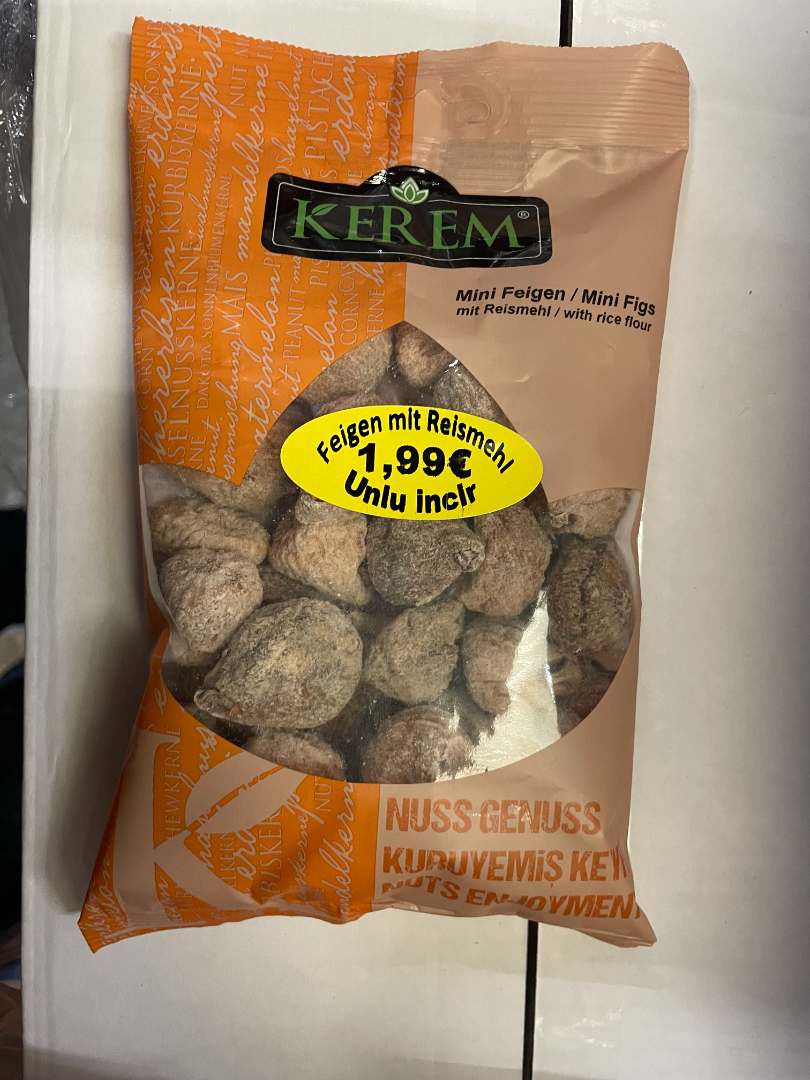
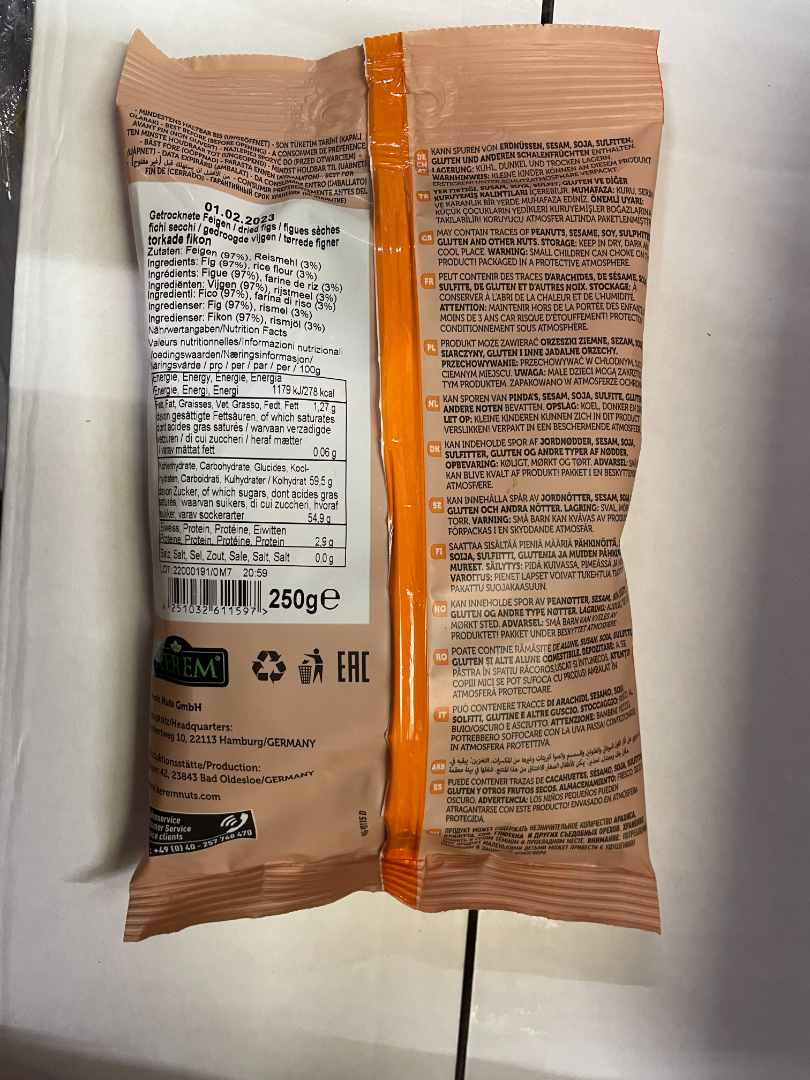
France – Mini Dried Figs 250 GR – Aflatoxin

Gov france


Identification information of the recalled product

  • Product category Food
  • Product subcategory Fruits and vegetables
  • Product brand name Kerem
  • Model names or references Kerem mini dried figs 250gr
  • Identification of products
    GTIN Batch Date
    71302501212 21003123/0 Use-by date 29/11/2022
    71302501212 22000191/0 Use-by date 31/01/2023
  • Packaging orange plastic
  • Marketing start/end date From 17/01/2022 to 04/03/2022
  • Storage temperature Product to be stored at room temperature
  • Further information Orange packaging with a disappointed price of €1.99.
  • Geographic area of ​​sale Whole France
  • Distributors Supermarket, Grocery, Market

Practical information regarding the recall

  • Reason for recall Presence of mycotoxin
  • Risks incurred by the consumer Aflatoxins


Ireland – Recall of a Batch of Green Box Limited Cendawan Enoki Mushroom Due to the Presence of Listeria monocytogenes

FSAI

Wednesday, 11 May 2022

Summary
Category 1: For Action
Alert Notification: 2022.29
Product: Green Box Limited Cendawan Enoki Mushroom; pack size: 100g
Batch Code: Batch: G11202226; Item Code: C007
Country Of Origin: China

Message:

The above batch of Green Box Limited Cendawan Enoki Mushroom is being recalled due to the presence of Listeria monocytogenes.  Point-of-sale recall notices will be displayed in stores supplied with the implicated batch.

Nature Of Danger:

Symptoms of Listeria monocytogenes infection can include vomiting, nausea, persistent fever, muscle aches, severe headache and neck stiffness.  In rare cases, the infection can be more severe, causing serious complications.  Some people are more vulnerable to Listeria monocytogenes infections, including pregnant women, babies, and people with weakened immune systems, including the elderly.  The incubation period (time between initial infection and first symptoms appearing) is on average 3 weeks but can range between 3 and 70 days.  

Action Required:

Manufacturers, wholesalers, distributors, caterers & retailers:

Retailers are requested to remove the implicated batch from sale and to display a point-of-sale recall notice in stores where the affected batch was sold. 

Consumers:

Consumers are advised not to eat the implicated batch.

Enoki Mushroom

Belgium – Raw Salted Milk Butter from the Marlier brand –

AFSCA

Recall of Marlier
Product: raw salted milk butter from the Marlier brand
Problem: presence of E.Coli STEC.


In agreement with the FASFC, Marlier is withdrawing the salted raw milk butter (500g) of the Marlier brand, with the expiry date of 05/11/22, from sale and recalling it from the consumer because of the presence of ‘E.Coli STEC.

Marlier asks its customers not to consume this product and to bring it back to the point of sale where it was purchased (Carrefour de Bomerée), where it will be reimbursed.

Product description

– Product name: Salted raw milk butter
– Brand: Marlier
– Best before date (BBD) (“Use by”): 05/11/22
– Batch number: 05/11/22
– Sales period: from 04/27/22 to 05/11/22
– Type of packaging: paper
– Weight: 500 g

The product was distributed by:

Carrefour Rue de la Station 1 6110 Montigny-le-tilleul

For further information , contact: Marlier

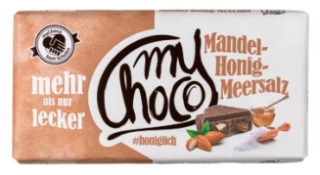
Luxembourg – MYCHOCO BRAND MILK CHOCOLATE WITH ALMONDS, HONEY AND SEA SALT – Aflatoxin

SAP

capture-de-bvl.PNG

name Milk chocolate with almonds, honey and sea salt
Brand MyChoco
Unity 180g
Date of minimum durability (MDD) 08/06/2023
Batch 22067

Danger  : Too high aflatoxin content

Aflatoxins are mycotoxins produced by certain species of Aspergillus molds which develop when the degree of temperature and humidity of the food is high. Aflatoxins are considered genotoxic and carcinogenic by the European Food Safety Authority and can be dangerous with high and repeated consumption.

Sale in Luxembourg by: Center Bohey

A sale by other operators cannot be excluded.

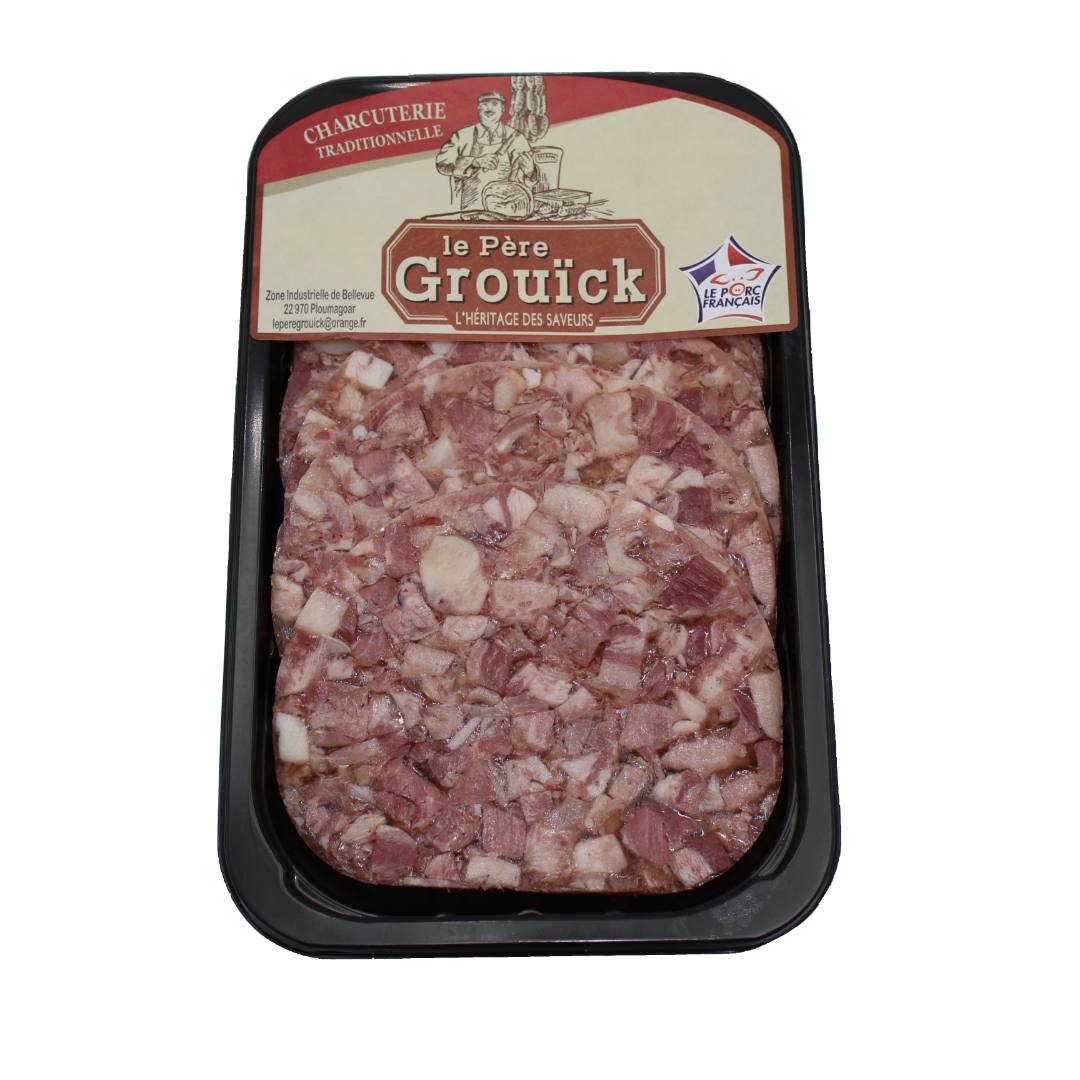
France – Head pie 5tr – Listeria monocytogenes

Gov france

Identification information of the recalled product

  • Product category Food
  • Product subcategory Meats
  • Product brand name Father Grouick
  • Model names or references Head pie 5tr
  • Identification of products
    GTIN Batch Date
    22000180000000 2119 Use-by date between 05/24/2022 and 05/30/2022
  • Packaging In tray under modified atmosphere
  • Marketing start/end date From 03/05/2022 to 09/05/2022
  • Storage temperature Product to be stored in the refrigerator
  • Health mark EN 22.272.026 EC
  • Further information Black tray with film-wrapped cream-coloured label
  • Geographic area of ​​sale Departments: COTES-D’ARMOR (22)
  • Distributors Giant
  • List of points of saleTraceability_swallows_pâté_de_tête_barquette_lot_2119_3.pdf

Practical information regarding the recall

  • Reason for recall Presence of Listeria monocytogenes
  • Risks incurred by the consumer Listeria monocytogenes (causative agent of listeriosis)

Research – Investigation of an international outbreak of multidrug-resistant monophasic Salmonella Typhimurium associated with chocolate products, EU/EEA and United Kingdom, February to April 2022 – Update

Eurosurveillance

In February 2022, a small five-single nucleotide polymorphism (SNP) single linkage cluster of eight cases of infection with monophasic  subsp.  serotype Typhimurium (1,4,5,12:i:-) eBG 1, sequence type (ST) 34 was identified in the United Kingdom (UK). The cluster was unusual, with all but one reported case younger than 10 years, and the strain demonstrated genotypic markers of an unusual antimicrobial resistance pattern not commonly seen in livestock, food or human disease cases in the UK. The cluster was not closely related to any other UK strains of monophasic  Typhimurium.

Exploratory interviews using an open-ended, anthropological approach (not binary yes/no questions) were undertaken with the parents/guardians of five cases in England for hypothesis generation. Subsequently, a targeted questionnaire to refine hypotheses identified through the exploratory interviews was used, confirming a strong signal for a specific brand of chocolate products.

Following the UK’s notification on the European Centre for Disease Prevention and Control (ECDC) EpiPulse Food and Waterborne Diseases (FWD) platform on 17 February 2022, and an Early Warning and Response System (EWRS) alert on 25 March, Germany, Sweden, France, the Netherlands and subsequently Luxembourg, Norway, Ireland, Belgium and Spain reported confirmed or probable cases in their respective countries.

Case definitionThe agreed European Union (EU) case definition for confirmed cases was laboratory-confirmed monophasic  Typhimurium with symptom onset on or after 1 October 2021 and belonging to the same five SNP single linkage cluster by SNP typing or cases who clustered within five allelic differences of another confirmed outbreak strain by core genome multilocus sequence typing (cgMLST) analysis or shared the same HC5_296366 by the EnteroBase HierCC scheme [1]. This definition therefore depended on the whole genome sequencing (WGS) methodology used at the national level in each country (i.e SNP typing or cgMLST analysis). Probable cases were those with laboratory confirmation of monophasic  Typhimurium with symptom onset on or after 1 October 2021 and phenotypic antimicrobial resistance (AMR) results consistent with the outbreak strain or a multilocus variable number tandem repeat analysis (MLVA) profile 3–11–14-NA-0211.

Detected cases in the EU/EEA and United KingdomBy 10 April 2022, a total of 150 confirmed and probable cases were identified across nine EU/European Economic Area (EEA) countries and the UK, with case sampling dates ranging from 21 December 2021 (the first UK case) to 28 March 2022 (Figure 1). Descriptive epidemiological investigations demonstrated cases ranged in age from 8 months to 56 years, but were predominately under the age of 10 years (n = 134; 89%) and disproportionately female (n = 99; 66%) (Figure 2). The hospitalisation rate was 42% of cases for whom information was available (116 cases with 49 hospitalised) – higher than that usually reported in salmonellosis outbreaks [2] and for individual cases of infection with . Typhimurium [3]. While this is probably also influenced by the demographic characteristics of those affected, this is a possible indicator of increased clinical severity of infection in this outbreak.

Multi-country collaboration through teleconferences and sharing of information between public health agencies and reference laboratories indicated that cases in affected countries commonly reported consumption of a specific brand of chocolate products. Overall, of 101 case interviews carried out across the 10 affected countries, 88 cases (87%) confirmed consumption of these products. The most commonly consumed product was Product A, marketed primarily for children in the age group 3–10 years, but multiple other product types were also reported.

Food chain investigations in the affected countries indicated that the majority of the products implicated in the epidemiological investigations were produced predominantly at a single production site in Belgium. This was the same facility from which the outbreak strain had been identified in December 2021 in the processing equipment.

Based on the strong descriptive epidemiological evidence implicating these products in this outbreak, on the identified food chain links and on evidence of contamination previously identified at production, risk management actions were taken in all affected countries, including withdrawal of all product lines produced in the implicated production facility and extensive product recalls, supported by news alerts and advice for consumers, starting with the first recall on 2 April in the UK and Ireland and extended to other countries shortly after. Extended recalls were carried out from 7 April as the investigations in a number of countries progressed, resulting in further evidence to support these recalls. On 8 April 2022, Belgian authorities stopped production at the facility in Belgium and, following the European Rapid Alert System Food and Feed (RASFF) alert notifications (RASFF 2022.1799), the World Health Organization/Food and Agriculture Organization International Food Safety Authorities Network (INFOSAN) also issued a global alert on 10 April notifying 77 countries and territories to which distribution of the implicated products had been established to initiate a global recall (see the Supplement for a non-exhaustive list of country-specific recall notices).

As at 10 April 2022, investigations are still ongoing to define specific national supply chains for the implicated products and common sourcing of raw ingredients. Root cause analysis for the outbreak is also ongoing to determine whether the outbreak was caused by a contaminated ingredient or another (potentially multi-strain) source of contamination.

Historically, chocolate-associated outbreaks have been protracted and usually of large scale, probably reflecting both the long shelf life of chocolate and the long survival of  in these products, as well as difficulties in detecting and resolving such outbreaks [7–9]. Previous investigations have resulted in recovery of only small amounts of  bacteria from sampling of chocolate products, suggesting that contamination in chocolate may be difficult to detect in product sampling, as well as difficult to mitigate through routine food hygiene procedures [7]. It has been suggested that the high fat content of chocolate may have a protective effect for the bacteria [10,11], including against gastric acid, and possibly altering the functional infective dose of  resulting in clinically severe disease from exposure to only very low levels of contamination [12,13].

By 10 April, this outbreak involved at least 150 reported cases in nine EU/EEA countries and the UK. Owing to known under-reporting of  surveillance systems and the varying sensitivities of microbiological techniques used across countries, the scale of the outbreak is certainly underestimated, especially considering that very high volumes of the implicated chocolate products are consumed in the EU/EEA and the UK. However, while the period between initial detection of the outbreak in the UK and subsequent control measures taken at the international level spanned a duration of more than 2 months, once definitive epidemiological links with the implicated product were made, control actions followed rapidly. Indeed, compared with previous outbreaks of salmonellosis associated with chocolate products, the duration of this investigation was relatively short [7,14–16].

The field of infectious disease epidemiology for  has been considerably impacted by the adoption of next generation sequencing technologies combined with novel epidemiological approaches such as iterative open-ended interviewing [17]. The increasing use of WGS enables us to detect and resolve outbreaks more quickly, especially where common serovars such as . Typhimurium are involved, allowing consolidation of evidence implicating specific food vehicles of infection at the international level [18–20].

Another notable aspect of this outbreak was the multidrug resistance profile of the outbreak strain and specifically resistance to kanamycin and gentamicin, and the presence of , a determinant of resistance to lincosamides, which are relatively rare for monophasic . Typhimurium in Europe. While not of especial clinical significance as the outbreak strain is susceptible to fluoroquinolones, azithromycin and third-generation cephalosporins which provide effective treatment options for cases of bloodstream infection, the unusual AMR profile constituted an additional characteristic of the outbreak strain to be assessed by all countries in the early stages of investigation for case ascertainment and possible hypothesis generation. This emphasises the usefulness of including more uncommon AMR profiles in early international communications and subsequent incorporation as part of the international outbreak case definitions, where this facilitates identification of possible or probable cases before the application of WGS and/or epidemiological investigations to confirm outbreak cases.

The large multi-country aspect of this outbreak with multiple products (some marketed under different names) implicated in different countries in children of young age made this outbreak not only unique but one that required an especially urgent, coordinated response. Moreover, the occurrence of contamination in chocolate products in the run-up to Easter when chocolate consumption will increase considerably, especially among children, increased urgency even more.

Early notification of the detection of the outbreak and preliminary findings of the UK investigation followed by rapid multi-country collaboration in information sharing, coordinated and supported by ECDC, was essential to the rapid progress of the outbreak investigations. The descriptive epidemiological information provided strong evidence implicating the vehicle of infection in this outbreak, especially when amalgamated at an international level, sufficient to enable public health and food safety authorities to undertake the rapid, necessary controls. The subsequent information about the detection of the outbreak strain in the implicated processing facility, provided further microbiological confirmation of the link between the company’s products and the Europe-wide outbreak. This demonstrated the utility of and highlighted the need for rapid sharing of microbiological sequence information, derived not just from human disease cases as occurred during this outbreak investigation, but also from, food, animal and environmental sampling.

The control measures taken across all affected countries probably constitute one of the largest chocolate product withdrawals and recalls in European commercial history.

The authors would like to thank the study group for their work on the multi-country outbreak investigations and their contributions to this manuscript. The study group were involved in collation and analysis of the data presented at the national level. The members of the study group were: Anais Painset, John Cowden, Robert Smith, Paul Cabrey, Sarah Gee, Martin Cormican, Inne Nauwelaers, Thijs Bosch, Eelco Franz, Ondřej Daniel, Andrea Mancikova.

We would also like to thank ECDC for their ongoing support in coordinating and supporting the international investigations, with especial thanks to Johanna Takkinen.