Category Archives: Food Hygiene

UK – Cérélia recalls two types of Abra-ca-Debora Dutch Pancakes because of possible contamination with Listeria monocytogenes

FSA

Cérélia is recalling two types of Abra-ca-Debora Dutch Pancakes because they might contain Listeria monocytogenes.

Product details

Abra-ca-Debora 6 Original Dutch Pancakes
Pack size 375g
Batch code 1000050799
Best before 30 August 2022
Abra-ca-Debora 6 Original Dutch Pancakes
Pack size 375g
Batch code 1000050800
Best before 01 September 2022
Abra-ca-Debora 6 Sweet Dutch Pancakes
Pack size 375g
Batch code 1000050803
Best before 30 August 2022
Abra-ca-Debora 6 Sweet Dutch Pancakes
Pack size 375g
Batch code 1000050804
Best before 02 September 2022

Risk statement

The products listed above might be contaminated with Listeria monocytogenes

Symptoms caused by this organism can be similar to flu and include high temperature, muscle ache or pain, chills, feeling or being sick and diarrhoea. However, in rare cases, the infection can be more severe, causing serious complications, such as meningitis.

Some people are more vulnerable to listeria infections, including those over 65 years of age, pregnant women and their unborn babies, babies less than one month old and people with weakened immune systems.

Action taken by the company

Cérélia is recalling the above products. Point of sale notices will be displayed in all retail stores that are selling these products. These notices explain to customers why the products are being recalled and tell them what to do if they have bought any of the products.

Our advice to consumers

If you have bought any of the above products do not eat them. Instead, return them to the store from where they were bought for a full refund. For more information, please contact Cérélia Belgium at qa@cerelia.com

Research – The temporal pattern and relationship of Campylobacter prevalence in broiler slaughter batches and human campylobacteriosis cases in Sweden 2009–2019

Science Direct

Campylobacter kswfoodworld

Thermophilic Campylobacter species are the most common cause of bacterial gastroenteritis worldwide, and handling and consumption of broiler meat is considered a major foodborne transmission route. Both the incidence of campylobacteriosis and the prevalence of Campylobacter in broilers show seasonality but the impact of this association and broiler prevalence on human incidence is not clear. To explore this relationship we applied two approaches for analyzing time series data using different time resolutions (weekly, bi-weekly or monthly data) of human campylobacteriosis cases and prevalence of Campylobacter spp. in broiler slaughter batches in Sweden between 2009 and 2019. The decomposition of time series into seasonal (S), long-term trend (T) and residual components (STL model) showed a close overlap in seasonal patterns in terms of timing and the proportional change of peaks from normalized yearly levels. Starting 2016, when a large outbreak was reported, there was significant overlap in the trend components as well. The trend component of human cases prior to the outbreak corresponded to a linear increase of 6.5 % cases annually. In comparison, the estimated annual increase in broiler consumption was 2.7 %. An additive approach for time-series counts incorporating seasonal and epidemic (cases are a function of previous cases) components found a positive association between human cases and broiler prevalence with an optimal lag of 2 weeks, 1 bi-week, or 0 months. Considering the estimated time between slaughter and consumption, incubation time, and the time between on-set of disease and testing, a 2-week lag may be consistent with transmission via handling and consumption of fresh broiler meat. The best model included broiler prevalence as a factor in the epidemic model component, not in the seasonal component. The outcomes in terms of best model, optimal lags and significance of parameters, using weekly, bi-weekly or monthly data were, in general, in agreement but varied with data resolution when only a subset of the time series, not including any known broiler associated outbreaks, was analyzed. The optimal resolution based on the available data and conditions of the present analysis appeared to be weekly or bi-weekly data. Results suggest that broiler prevalence with a 2 week lag period can explain part of the human cases but has a smaller explanatory impact during the part of the study period not including the large known outbreaks. There is no simple relationship between broiler prevalence and human cases. Additional factors than broiler prevalence need to be evaluated in order to understand the transmission routes and epidemiology of campylobacteriosis.

Denmark – Risk of disease-causing bacteria in grilled sausages and cocktail sausages

DVFA

Danish Crown is recalling grilled sausages and cocktail sausages, as there is a risk that they are not thoroughly cooked.

Recalled Foods , Published: August 11, 2022

Modified August 12, 2022

What foods

Steff Houlberg Hotdog 375 gr – Production date: 10-08-2022; Best before: 09-09-2022. Sold in Rema 1000

Salling Cocktail sausages 200 gr – Production date: 08-08-2022; Best before: 07-09-2022. Sold in Bilka and Føtex

Smart Cooking Cocktail sausages 200 gr – Production date: 08-08-2022; Best before: 07-09-2022. Sold in Netto

Company that revokes

Danish Crown Foods, ​Tulipvej 1, 8940 Randers

Cause

The company has established that it cannot be documented that the sausages have been thoroughly cooked.

Risk

There may be a risk of disease-causing bacteria in the products.

Advice for consumers

The Danish Food and Drug Administration advises consumers to return the sausages to the shop where they were bought, or to discard them.

Belgium – “Bonga Dried Whole” dried fish (200g) from the AFROASE brand – Histamine

AFSCA

08/11/2022
FASFC recall
Product: “Bonga Dried Whole” dried fish (200g) from the AFROASE brand.
Problem: Histamine and biogenous amine levels too high.
The FASFC is withdrawing the dried fish “Bonga Dried Whole” (200g) of the AFROASE brand from sale and recalling it from consumers because of an excessively high level of histamine and biogenous amines.

This recall follows a notification via the RASFF system (European Food and Feed Rapid Alert System).


Product description:

– Product name: Bonga Dried Whole
– Brand: AFROASE
– Batch number: WB15.22/33
– Best before date (BDD): 31/12/2022
– Weight: 200g

The product has been distributed by several points of sale in Belgium, including:

– Africanewman: Boulevard d Anvers 44 1000 BRUXELLES
– Sweet Mother: Sleepstraat 229 9000 GAND
– African Way: Rue Ropsy Chaudron 43 1070 ANDERLECHT
– Africanewman: Boulevard d Anvers 44 1000 BRUSSELS
– Kania Afro SRL: Rue des Palais 71 1030 BRUSSELS
– Africanewman: Boulevard d Anvers 44 1000 BRUSSELS
– JF Traders: SPRL Rue Neuve 89 6000 CHARLEROI
– International Supermarkt: Bredabaan 880 2170 ANTWERP

For any additional information , you can contact the FASFC contact point for consumers: 0800/13.550 or pointdecontact@afsca.be .

France – Alpine goat cheese – Listeria monocytogenes

Gov france

Identification information of the recalled product

  • Product category Feed
  • Product subcategory Milk and dairy products
  • Product brand name The Alpines
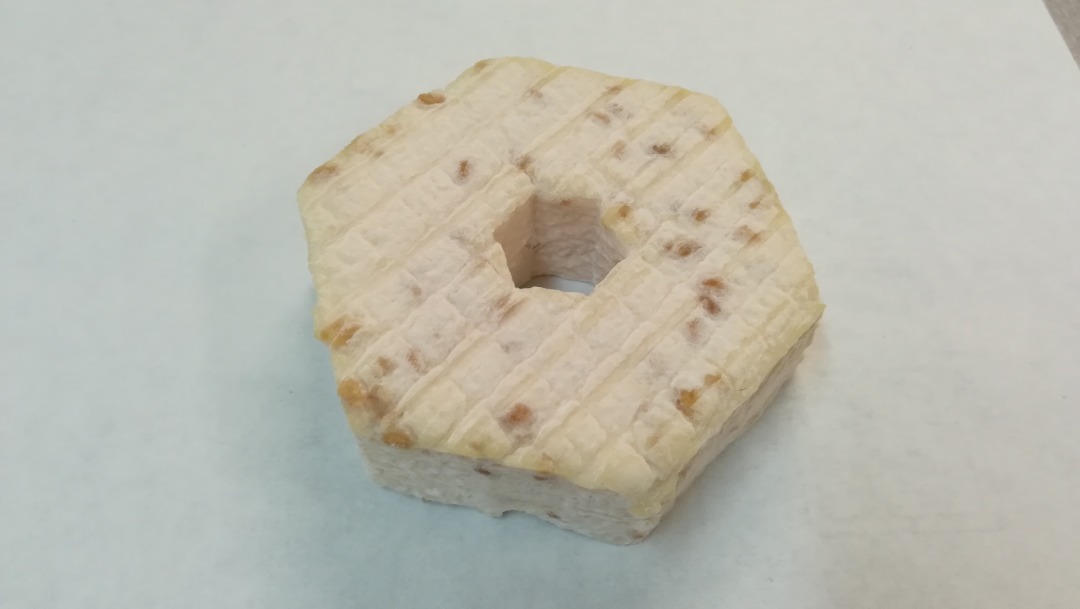
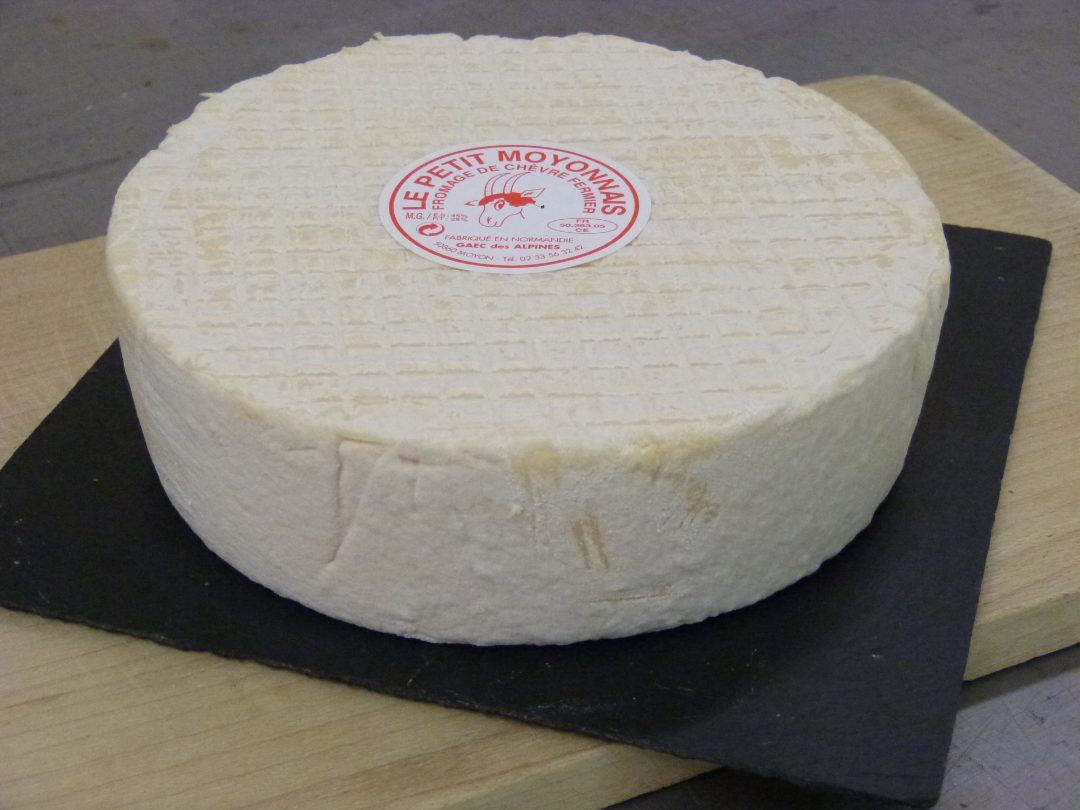
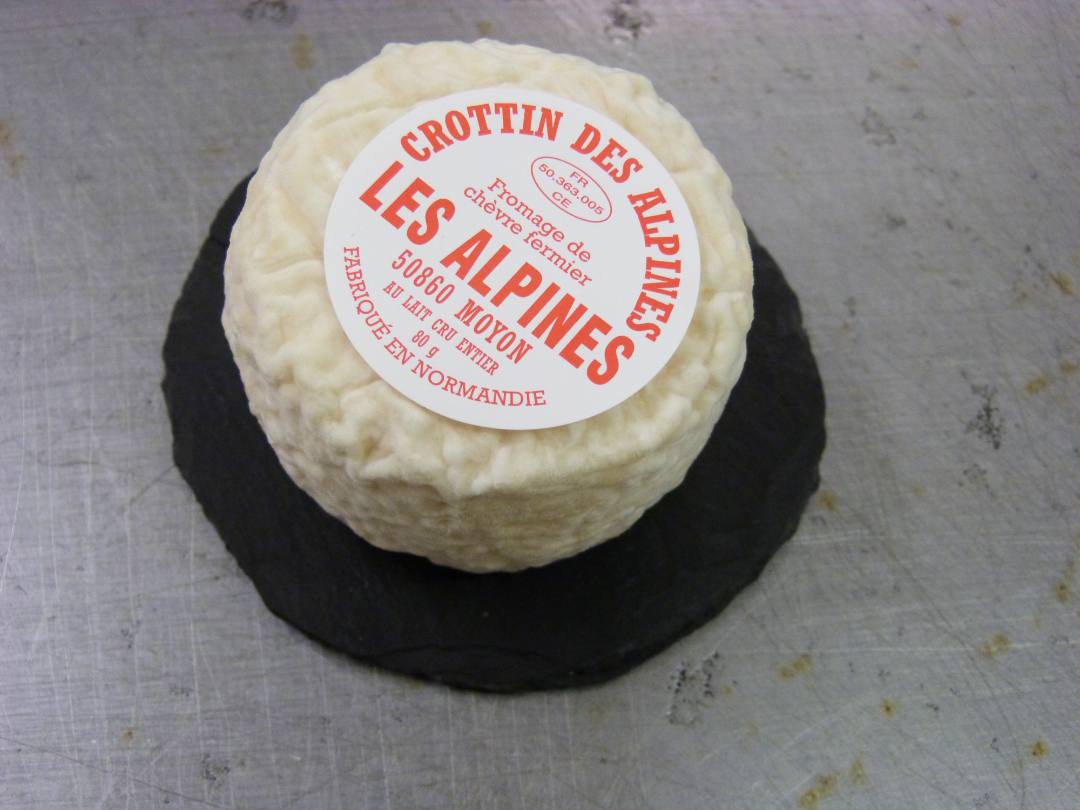
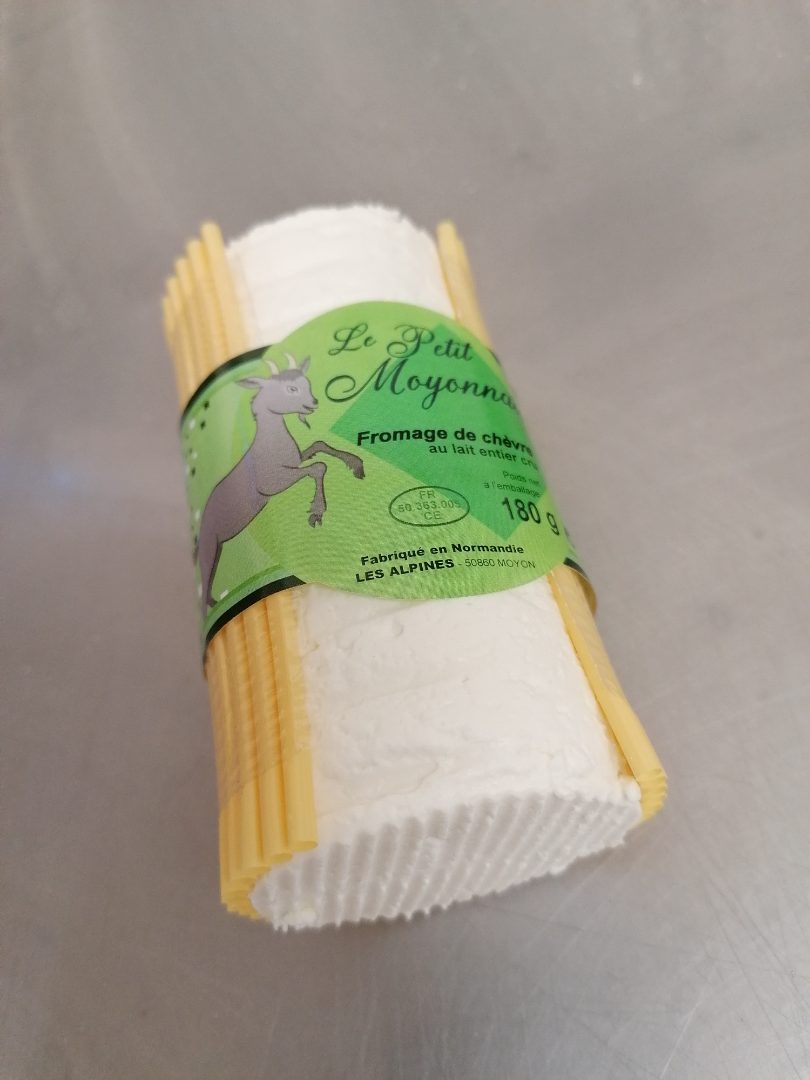
  • Model names or references Crottins des Alpines Tome of lactic goat cheese Le petit Moyonnais Cheese nut with fenugreek seeds Ash cheese nut Buche le petit Moyonnais
  • Identification of products
    Batch Date
    0710 to 0730 Date of minimum durability 30/08/2022
  • Products List product_to_recall_lot_0710_to_0730.pdf Attachment
  • Marketing start/end date From 15/07/2022 to 04/08/2022
  • Storage temperature Product to be stored in the refrigerator
  • Health mark50,363,005
  • Geographic area of ​​sale Whole France
  • Distributors cheese dairy traders – itinerant traders – traditional department of supermarkets

Practical information regarding the recall

  • Reason for recall Listeria
  • Risks incurred by the consumer Listeria monocytogenes (causative agent of listeriosis)

Norway – Outbreak of Salmonella in Norway probably linked to watermelon

Matportalen

The Institute of Public Health has discovered a national outbreak caused by the gastrointestinal bacterium monophasic Salmonella Typhimurium. So far, infection has been detected in 18 people. The Norwegian Food Safety Authority cooperates with the Norwegian Institute of Public Health and the Norwegian Veterinary Institute on the outbreak. The Norwegian Food Safety Authority is now working to trace the relevant watermelons.

– We consider it highly unlikely that melons associated with the outbreak are still on the market, says senior adviser Catherine Signe Svindland at the Norwegian Food Safety Authority.

According to the Norwegian Institute of Public Health, all 13 people who have been interviewed so far have eaten watermelon in the last few days before they fell ill. Most of the people fell ill in the period from the end of June to the middle of July 2022 and whole watermelon has a shelf life of 3-4 weeks.

– Melon grows on the ground in countries with a warm climate. There have previously been many outbreaks of salmonella from various types of melon. Bacteria grow very well in the melon flesh because melon has a neutral PH compared to other fruits, a lot of sugar and a high water content. If there is a wound through the skin, bacteria can enter the pulp, grow and become very numerous. Bacteria can also enter the pulp from the skin when you split the melon. If you buy ready-cut melon, feel free to ask the shop about their routines, says senior advisor Catherine Signe Svindland at the Norwegian Food Safety Authority.

The Norwegian Food Safety Authority has the following advice on safe handling of melons:

  • Do not use melons with damage to the skin that goes into the pulp.
  • Wash the melon well and dry it with paper before cutting it into pieces.
  • Wash your hands and equipment thoroughly with soap and water after handling melon.
  • Sliced ​​melon should be kept cool.

Read more at the Institute of Public Health: Outbreak of Salmonella in Norway probably linked to watermelon (fhi.no)

Read more at the Veterinary Institute: Outbreak of salmonella probably linked to watermelon (vetinst.no)

Germany – Chtoura Garden Ground Sesame Paste Tahina – Salmonella

LMW

Alert type: Food
Date of first publication: 08/11/2022
Product name:

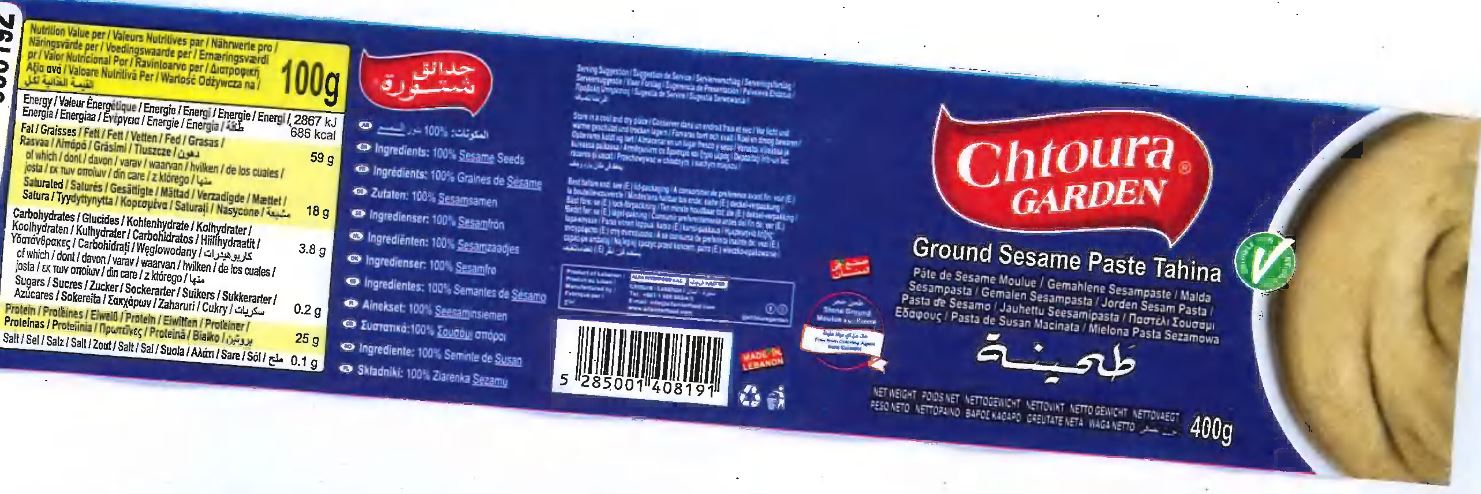
Chtoura Garden Ground Sesame Paste Tahina

Product images:

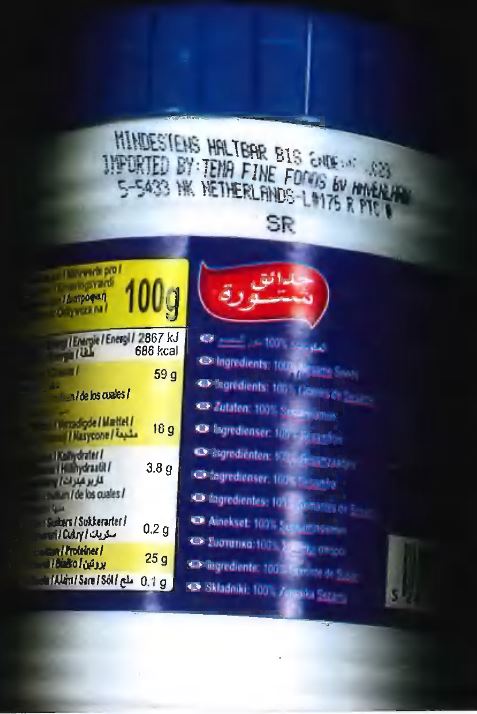
Can in front.JPG

Packaging box.JPG

Banderole.JPG

Manufacturer (distributor):

Kaadan Alshalati Ahmad Feras August-Wilhelm-Kühnholz-Str. 8 26135 Oldenburg

Reason for warning:

Detection of Salmonella

Packaging Unit: Plastic screw-top jar
Durability: 06/2023
Lot identification: L#175 R PTC, SR
Further information:

Salmonella disease manifests itself within a few days after infection with diarrhoea, abdominal pain and occasionally vomiting and a slight fever. The symptoms usually subside on their own after a few days. Babies, small children, senior citizens and people with a weakened immune system in particular can develop more severe illnesses. Anyone who has eaten this food and develops severe or persistent symptoms should seek medical attention and report possible salmonella infection.

It makes no sense to seek preventive medical treatment without symptoms.

Further information on the pathogen can be found here: http://www.infection-protection.de/erregersteckbriefe/salmonellen

Click to access R%FCckruf+Chtoura+Garden+Sesame+Tahini+20220809.pdf

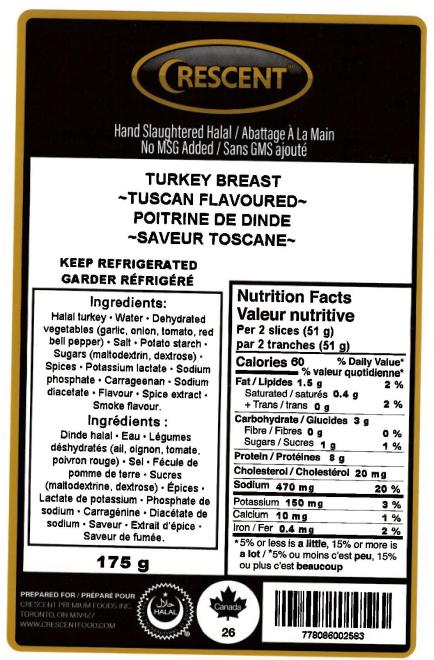
Canada – Crescent brand Pastrami and Turkey Breast – Tuscan Flavoured recalled due to Listeria monocytogenes

CFIA

Summary

Product
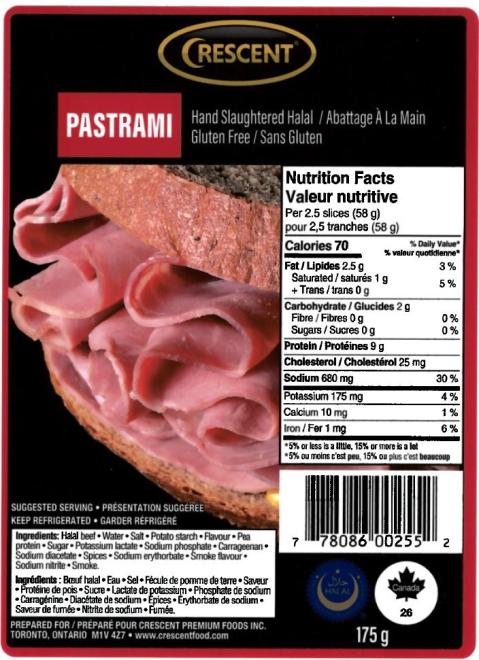
Pastrami, Turkey Breast – Tuscan Flavoured
Issue
Food – Microbial Contamination – Listeria
What to do

Do not consume, use, sell, serve, or distribute recalled products

Issue

The affected products are being recalled from the marketplace due to possible Listeria monocytogenes contamination.

The recalled products have been sold in Ontario.

What you should do

  • If you think you became sick from consuming a recalled product, contact your healthcare provider
  • Check to see if you have recalled products
  • Do not consume, serve, use, sell, or distribute recalled products
  • Recalled products should be thrown out or returned to the location where they were purchased

Food contaminated with Listeria monocytogenes may not look or smell spoiled but can still make you sick. Symptoms can include vomiting, nausea, persistent fever, muscle aches, severe headache and neck stiffness. Pregnant women, the elderly and people with weakened immune systems are particularly at risk. Although infected pregnant women may experience only mild, flu-like symptoms, the infection can lead to premature delivery, infection of the newborn or even stillbirth. In severe cases of illness, people may die.

RASFF Alerts – Aflatoxin – Groundnuts – Pistachio Kernels – Figs

RASFF

Aflatoxin in USA groundnuts in the Netherlands

RASFF

Aflatoxins in groundnuts from India in the Netherlands and Belgium

RASFF

Aflatoxins in pistachios kernels from the United Arab Emirates in Italy

RASFF

Level of aflatoxins B1 exceeding limits in figs from Turkey in France

RASFF Alert – Mould – Pseudomonas – Mozzarella

RASFF

Deviating taste and high content of moulds and pseudomonads in buffalo mozzarella from Italy in Germany