Monthly Archives: November 2020

Canada – Updated Food Recall Warning – Fresh Attitude brand Baby Spinach recalled due to Salmonella

CFIA

Recall details

Ottawa, November 27, 2020 – The food recall warning issued on November 26, 2020 has been updated to include additional distribution information. This additional information was identified during the Canadian Food Inspection Agency’s (CFIA) food safety investigation.

Vegpro International is recalling Fresh Attitude brand Baby Spinach from the marketplace due to possible Salmonella contamination. Consumers should not consume the recalled products described below.

Recalled products

Brand Product Size UPC Codes
Fresh Attitude Baby Spinach 312 g 8 88048 00028 8 Best Before 2020 DE 04
Fresh Attitude Baby Spinach 142 g 8 88048 00004 2 Best Before 2020 DE 04
Best Before 2020 DE 05

What you should do

If you think you became sick from consuming a recalled product, call your doctor.

Check to see if you have the recalled products in your home. Recalled products should be thrown out or returned to the store where they were purchased.

Food contaminated with Salmonella may not look or smell spoiled but can still make you sick. Young children, pregnant women, the elderly and people with weakened immune systems may contract serious and sometimes deadly infections. Healthy people may experience short-term symptoms such as fever, headache, vomiting, nausea, abdominal cramps and diarrhea. Long-term complications may include severe arthritis.

Background

This recall was triggered by the company. The CFIA is conducting a food safety investigation, which may lead to the recall of other products. If other high-risk products are recalled, the CFIA will notify the public through updated Food Recall Warnings.

The CFIA is verifying that industry is removing the recalled products from the marketplace.

Illnesses

There have been no reported illnesses associated with the consumption of these products.

Product photos

Printer ready version of photos

  • Fresh Attitude - Baby Spinach: 312 g
  • Fresh Attitude - Baby Spinach: 142 g
  • Fresh Attitude - Baby Spinach: 142 g

Public enquiries and media

Company information
Vegpro International: Customer Service 1-877-613-5700
Public enquiries
Toll-free: 1-800-442-2342 (Canada and U.S.)
Telephone: 1-613-773-2342 (local or international)
Email: cfia.enquiries-demandederenseignements.acia@canada.ca
Media relations
Telephone: 613-773-6600
Email: cfia.media.acia@canada.ca

Research – Applying pressure to control Listeria

Meat poultry

The Centers for Disease Control and Prevention, Atlanta, is currently investigating a multistate outbreak of listeriosis that has resulted in one death and 10 people hospitalized. Listeriosis is a foodborne disease caused by Listeria monocytogenes, a pathogenic microorganism that is omnipresent in the environment. It is a facultative anaerobic bacterium capable of surviving in the presence or absence of oxygen. It can grow and reproduce inside the host’s cells and is one of the most virulent foodborne pathogens, with 20% to 30% of foodborne listeriosis infections in high-risk individuals being fatal.

Ready-to-eat (RTE) meats such as deli-style chicken, ham, pastrami, prosciutto, roast beef, salami and turkey are particularly vulnerable, as Listeria can live and thrive on plastic, metal and in water, too. While heat will kill this dangerous pathogen, RTE meats seldom undergo a sufficient heat treatment by consumers to destroy the bacteria.

There are a range of ingredients that may be included to assist with food safety; however, in efforts to keep labels as clean as possible, a growing number of meat processors are turning to high-pressure processing (HPP). This is a non-thermal treatment that renders packaged RTE meats free from pathogenic microorganisms. Companies such as Hormel Foods Corp., Austin, Minn., and its subsidiary, Applegate Farms, Bridgewater, NJ, use HPP on many RTE refrigerated meat and poultry products.

Research – Attributing Human Foodborne Diseases to Food Sources and Water in Japan Using Analysis of Outbreak Surveillance Data

Journal of Food Protection

ABSTRACT

In Japan, strategies for ensuring food safety have been developed without reliable scientific evidence on the relationship between foodborne diseases and food sources. This study aimed to provide information on the proportions of foodborne diseases caused by seven major causative pathogens (Campylobacter spp., Salmonella, enterohemorrhagic Escherichia coli [EHEC], Vibrio parahaemolyticus, Clostridium perfringens, Staphylococcus aureus, and norovirus) attributed to foods and to explore factors affecting changes in these source attribution proportions over time using analysis of outbreak surveillance data. For the calculation of the number of outbreaks attributed to each source, simple-food outbreaks were assigned to the single-food category in question, and complex-food outbreaks were classified under each category proportional to the estimated probability. During 2007 to 2018, 8,730 outbreaks of foodborne diseases caused by seven pathogens were reported, of which 6,690 (76.6%) were of unknown source. We estimated the following source attribution proportions of foodborne diseases: chicken products (80.3%, 95% uncertainty interval [UI] 80.1 to 80.4) for Campylobacter spp.; beef products (50.1%, UI 47.0 to 51.5) and vegetables (42.3%, UI 40.9 to 45.5) for EHEC; eggs (34.6%, UI 27.8 to 41.4) and vegetables (34.4%, UI 27.8 to 40.8) for Salmonella; finfish (50.3%, UI 33.3 to 66.7) and shellfish (49.7%, UI 33.3 to 66.7) for V. parahaemolyticus; grains and beans (57.8%, UI 49.7 to 64.9) for S. aureus; vegetables (63.6%, UI 48.5 to 74.6), chicken products (12.7%, UI 4.6 to 21.5), and beef products (11.1%, UI 8.5 to 13.1) for C. perfringens; and shellfish (75.5%, UI 74.7 to 76.2) for norovirus. In this study, we provide the best available evidence-based information to evaluate the link between foodborne diseases and foods. Our results on source attribution for Campylobacter spp. and EHEC suggest that the strict health regulations for raw beef were reflected in the proportions of these diseases attributed to this food.

HIGHLIGHTS
  • Source attribution proportions of foodborne diseases in Japan were estimated.
  • Source attribution was useful to guide interventions and evaluate their effect.
  • Strict health regulations for raw beef affected source attribution proportions.

Research – Aspergillus-Derived Mycotoxins in the Feed and Food Chain

Frontiers in Microbiology

kswfoodworld

Image CDC

Aspergillus-produced mycotoxins can enter the feed and food chain at many points in both pre-harvest and post-harvest. Although current climate changes seem to speed up the world-wide spread of mycotoxigenic fungi including the Aspergilli and also facilitate the production of these harmful secondary metabolites the factors governing these disadvantageous global processes are only partly understood or even have remained completely hidden until now. This Research Topic summarizes our knowledge on Aspergillus-derived mycotoxins especially focusing on three major areas of on-going research: (i) toxicological, medical, veterinary aspects, prevalence, detection, risk assessment, control strategies, (ii) ecology and biological control of mycotoxigenic Aspergilli in the fields, and (iii) pre-harvest and post-harvest management of mycotoxigenic Aspergilli and their mycotoxin production. We hope that the wealth of information generously provided by the Aspergillus mycotoxin research community will help the hard work of all those experts, who are active in this important field, and the papers collected here will be instructive and illuminating readings for students and the public as well.

Research – Reducing Campylobacter jejuni, Enterobacteriaceae, Escherichia coli, and total aerobic bacteria on broiler carcasses using combined ultrasound and steam

Journal of Food Protection

Campylobacter kswfoodworld

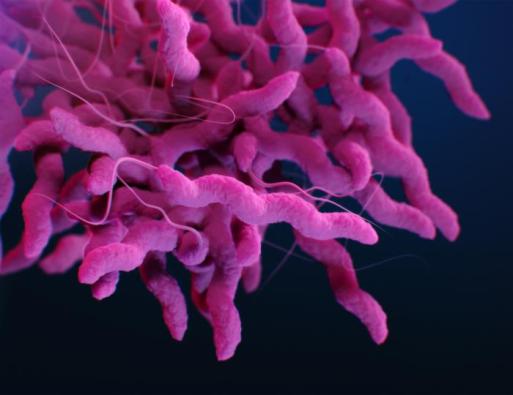
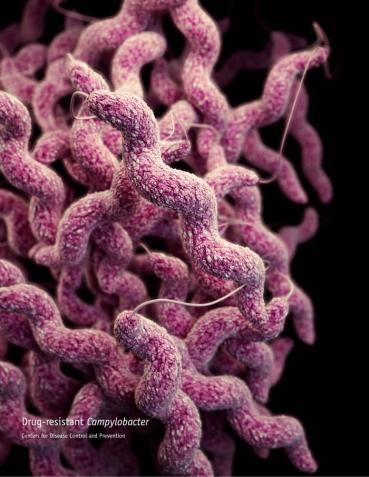
Campylobacteriosis is the most frequently reported foodborne illness in Europe and many other parts of the world. Campylobacter can colonize the intestines of broilers, most often in large amounts. Broilers are usually slaughtered in a high-speed automated system that can rupture the intestines during evisceration, resulting in contamination of carcasses with intestinal bacteria such as Campylobacter. This study evaluated the combined effect of ultrasound and steam (SonoSteam®) on naturally contaminated chicken carcasses at a large-scale abattoir in Sweden. Ultrasound at 30-40 kHz and steam at 84-85 °C or 87-88 °C was used at slaughter with a line speed of 18 000 birds per hour. The amount of Campylobacter spp., Enterobacteriaceae , Escherichia coli , and total aerobic bacteria on neck skins from 103 chicken carcasses, sampled before and after treatment by SonoSteam, was analyzed.Campylobacter spp. was detected in 58 (56%) of the 103 neck skins, from birds belonging to four of the seven flocks represented. All 58 isolates were identified as Campylobacter jejuni . After the SonoSteam treatment, a mean reduction in C. jejuni, Enterobacteriaceae, E. coli and total aerobic bacteria were log 0.5 ± 0.8, log 0.6 ± 0.6, log 0.5 ± 0.6, log 0.4 ± 0.7 CFU/g respectively. No significant differences in reduction between the two different treatment temperatures was observed for any of the bacteria.Although the bacterial reductions were significant, large amounts of bacteria remained on the carcasses after treatment. Further studies are needed to identify optimal measures at slaughter to reduce food spoilage bacteria and pathogenic bacteria, which should be considered in a One Health perspective.

Research – Quantification of survival and transfer of Salmonella on fresh cucumbers during waxing

Journal of Food Protection

Cucumbers found in retail markets are often waxed to improve visual appeal and retard moisture loss. This waxing may affect bacterial survival and the waxing process may facilitate cross-contamination between cucumbers. This study assessed survival of Salmonella on waxed and un-waxed cucumbers and the potential for Salmonella cross-contamination during the waxing process. Fresh waxed or un-waxed cucumbers were spot-inoculated with a Salmonella enterica cocktail. Three different wax coatings (mineral oil, vegetable oil, or petroleum wax) were manually applied to un-waxed cucumbers using polyethylene brushes. Salmonella transfer from inoculated cucumbers to brush or to un-inoculated cucumbers was quantified. Higher Salmonella concentrations were observed on waxed cucumbers during the first 3 days of storage but the final concentration on un-waxed cucumbers was higher than on waxed cucumbers at the end of storage, regardless of storage temperature. Wax formulation did affect survival of Salmonella inoculated directly into waxes, with the significant decline in Salmonella populations observed in vegetable-based wax coating, but with populations unchanged over 7 days at 7 or 21 °C in mineral oil-based and petroleum-based waxes. Salmonella cells could transfer from inoculated un-waxed cucumbers to brushes used for waxing and then to un-inoculated cucumbers during waxing. Significantly higher log percent transfer to brushes was observed when cucumbers were waxed with vegetable oil (0.71 log percent, P = 0.00441) vs. mineral oil (0.06 log percent) or petroleum (0.05 log percent). Transfer to un-inoculated cucumbers via brushes was also quantified (0.18 to 0.35 log percent transfer). Salmonella remaining on contaminated cucumbers after waxing could be detected for up to 7 days, and Salmonella survived better on cucumbers treated with a petroleum-based wax. These findings should be useful in managing risk of Salmonella contamination in cucumbers during post-harvest handling.

Research – Characterization and Source Investigation of Multidrug-Resistant Salmonella Anatum from a Sustained Outbreak, Taiwan

CDC

kswfoodworld salmonella

Abstract

An ongoing outbreak of multidrug-resistant Salmonella enterica serovar Anatum began in Taiwan in 2015. Pork and poultry were identified as vehicles for transmission. Contaminated meat contributed to the high rate of infections among children. Nearly identical Salmonella Anatum strains have been identified in the United Kingdom, the United States, and the Philippines.

Nontyphoidal Salmonella (NTS) is a major cause for foodborne diseases worldwide. In Taiwan, the ambient climate and flourishing pig-raising industry makes NTS infections rampant. As in other countries, salmonellosis was primarily caused by Salmonella enterica serovars Enteritidis and Typhimurium in Taiwan (1), but rare serovars such as Salmonella Goldcoast have appeared in recent years (2). Recommended antimicrobial treatment options for salmonellosis include fluoroquinolones and extended-spectrum cephalosporins (1). However, resistance to these antibiotics has been emerging in many countries, leading to increased disease prevalence, disease severity, and death and the requirement of last-line antimicrobial drugs (e.g., carbapenems) (35).

Since 2015, northern Taiwan has seen an increase in Salmonella infections, caused by previously rare Salmonella Anatum. The infections were also reported in central Taiwan, indicating that this outbreak had already prevailed throughout the entire island (6). Co-resistance to ceftriaxone and ciprofloxacin are the main feature of the outbreak clone. Evidence from epidemiologic, laboratory, and supply-chain investigations identified raw pork and poultry as the vehicle for spread of this strain. More important, genomic comparisons against the global public database indicated that this clone has appeared in Europe, Asia, and America. Given the increasing globalization of foodstuffs, these findings prompt an urgent global sharing of whole-genome sequencing (WGS) data to facilitate disease surveillance and early recognition of international foodborne outbreaks (7,8).

Research – Quantification of cross-contamination of Campylobacter jejuni during food preparation in a model kitchen in China

Journal of Food Protection

campy2

Image CDC

Numerous outbreak investigations and case-control studies of campylobacteriosis have provided evidence that handling Campylobacter -contaminated chicken products is a high risk factor for infection and illness. In this study, the cross-contamination and transfer rates of Campylobacter jejuni from chicken to ready-to-eat foods were determined in various food-handling scenarios. Skinless raw chicken breasts were artificially contaminated with Campylobacter jejuni and diced on three kinds of texture cutting boards. Whether cold water or cold water with detergent or hot water was used, statistically significant differences were found between the transfer rate of Campylobacter jejuni to unwashed and washed cutting boards or hands, respectively. When both kitchen knife and cutting board were reused after dicing the artificially contaminated chicken, the transfer rates of Campylobacter jejuni to cucumber cut on bamboo, wooden and plastic cutting board were 16.28%, 12.82% and 5.32%, respectively. The transfer rates from chicken to bread, a large lift-up water faucet handle and a small twist faucet handle via unwashed hands were 0.49%, 4.64% and 3.14%, respectively. This research provides scientific evidence that various types of contaminated kitchen-ware and cook’s hand are vital potential vehicles for the cross-contamination of Campylobacter from raw chicken to ready-to-eat food, and emphasizes the importance of timely and properly cleaning to prevent cross-contamination during food handling, therefore a high quality consumer education to reduce the risk of foodborne infection is urgent and necessary.

UK – Happy Hounds Wales Ltd recalls frozen raw dog food products because of the possible presence of Salmonella

FSA

Happy Hounds Wales Ltd is taking the precautionary step of recalling a number of raw dog food products because they may contain salmonella.

Product details

Frozen Beef Kidney
Pack size 1kg
Batch code 962
Best before 26 October 2021
Frozen Whole Heart
Pack size Individual Item
Batch code 962
Best before 26 October 2021
Frozen Chicken and Beef Sleeve
Pack size 1kg
Batch code 1344/962
Best before 2 November 2021
Frozen Lamb and Beef Sleeve
Pack size 1kg
Batch code 962-966
Best before 4 November 2021
Frozen Diced Heart
Pack size 1.5kg
Batch code 962
Best before 26 October 2021

Risk statement

The products listed above may contain salmonella. Salmonella is a bacterium that can cause illness in humans and animals. The product could therefore carry a potential risk because of the presence of salmonella, either through direct handling of the pet food, or indirectly, for example from pet feeding bowls, utensils or contact with the faeces of animals.

In humans, symptoms caused by salmonella usually include fever, diarrhoea and

abdominal cramps. Infected animals may not necessarily display signs of illness, but

symptoms can include diarrhoea.

Action taken by the company

Happy Hounds Wales Ltd is recalling the above products on a precautionary basis. Point of sale notices will be displayed in all retail stores that are selling these products. These notices explain to customers why the products are being recalled and tell them what to do if they have bought the product.

Our advice to consumers

(pet owners): If you have bought any of the above products do not use them. Instead, return them to the store from where they were bought for a full refund. When handling and serving raw pet food it is always advised to clean utensils and feeding bowls thoroughly after use. Consumers should wash hands thoroughly after handling raw pet food, bowls, utensils or after contact with the faeces of animals. Raw pet food should be stored separately from any food (especially ready to eat foods). Care should be taken when defrosting to avoid cross contamination of foods and surfaces.

New Zealand – Further recall to manage Listeria risk in ready-to-eat meat products at Pak’n Save Blenheim -Listeria monocytogenes

MPI

New Zealand Food Safety is advising the public to return Pak’n Save branded, sliced-in-store, ready-to-eat meat products purchased in Pak’n Save Blenheim as they may contain listeria bacteria (Listeria monocytogenes).

Pak’n Save Blenheim is recalling the following products sold at Pak’n Save Blenheim, with packed on dates up to and including 26.11.20

The affected products are sold only at Pak’n Save Blenheim.

Affected products:

  • Pak’n Save Blenheim brand Pestells Ham Off The Bone
  • Pak’n Save Blenheim brand Ham & Chicken – Farmlands
  • Pak’n Save Blenheim brand Polish Sausage – Hellers
  • Pak’n Save Blenheim brand Champagne Smoked Leg Ham – Premier
  • Pak’n Save Blenheim brand Hot Pork – Farmlands
  • Pak’n Save Blenheim brand Premier Honey Baked Ham
  • Pak’n Save Blenheim brand Manuka Smoked Ham Round – Huttons
  • Pak’n Save Blenheim brand Pastrami – Farmlands
  • Pak’n Save Blenheim brand Roast Beef – Farmlands
  • Pak’n Save Blenheim brand Corned Silverside – Farmlands
  • Pak’n Save Blenheim brand Farmlands Pork Brawn KG
  • Pak’n Save Blenheim brand Cooked Beef Tongue – Farmlands
  • Pak’n Save Blenheim brand Ham & Chicken Flavoured Luncheon – Huttons
  • Pak’n Save Blenheim brand Roast Beef Meal

New Zealand Food Safety national manager food compliance services Melinda Sando said customers should return the products to Pak’n Save Blenheim for a full refund.

“An earlier recall at the store in October followed the detection of listeria in some packaged meat products. Subsequent visits by MPI, as well as testing at the store revealed the presence of listeria on equipment, resulting in a precautionary recall to ensure risk to consumers is minimised.

“Listeria is commonly found in the environment and can make people sick (listeriosis) if they consume contaminated food.

“Infection can be serious among vulnerable groups such as pregnant women and their unborn babies, newborn babies, people with weakened immune systems and elderly people.

“For those in the high-risk groups, listeriosis typically has an incubation period of 2 to 3 weeks (or longer) before symptoms appear.

“Healthy adults are likely to experience only mild infection, causing mild diarrhoea and flu-like symptoms.

“If you have consumed any of these products and have any concerns about your health, seek medical advice,” says Ms Sando.

If you or anyone in your household is in an at-risk group, it is especially important to take a few simple food safety precautions:

  • Follow New Zealand Food Safety guidance on high-risk foods to avoid.
  • Follow good food hygiene practices, such as washing and drying hands before preparing food and after handling or preparing raw foods.
  • Eat freshly cooked or freshly prepared foods.
  • Wash all raw fruit and vegetables very well before eating.
  • Cook foods thoroughly.

Refrigerate leftovers immediately and do not keep for more than 2 days. Reheat to steaming hot before eating.

The contamination occurred at Pak’n Save Blenheim. Products from the manufacturers listed that are sold in their own packaging at Pak’n Save Blenheim or sold elsewhere are not affected.

Pak’n Save Blenheim update