Belgium – “Sankhal” (millet couscous) from the La Vivière brand – Aflatoxin

AFSCA

AFSCA recall
Product: “Sankhal” (millet couscous) from the La Vivière brand.
Problem: too high aflatoxin content.

Following a notification via the RASFF system (European Food and Feed rapid alert system), the AFSCA is withdrawing from sale the product “Sankhal” (millet couscous) of the La Vivière brand and is recalling it to consumers because too high aflatoxin content.

The AFSCA asks not to consume this product and to bring it back to the point of sale where it was purchased.

Product Description

• Product name: “Sankhal” (millet couscous)
• Brand: La Vivière
• Lot: L21-08067
• Expiry date (DDM): 06/30/2023
• Weight: 400g

This product was sold in Belgium via various general food stores including:

Bilal and Laiba Sprl., Boulevard Paul Janson 10, 6000 CHARLEROI
Fezan Voeding, leemput str. 14, 8000 BRUGGE

For any further information, you can contact the AFSCA contact point for consumers: 0800 / 13.550 or pointdecontact@afsca.be .

New Zealand – Public health warning about shellfish in Banks Peninsula, Canterbury – Biotoxin – DSP

MPI

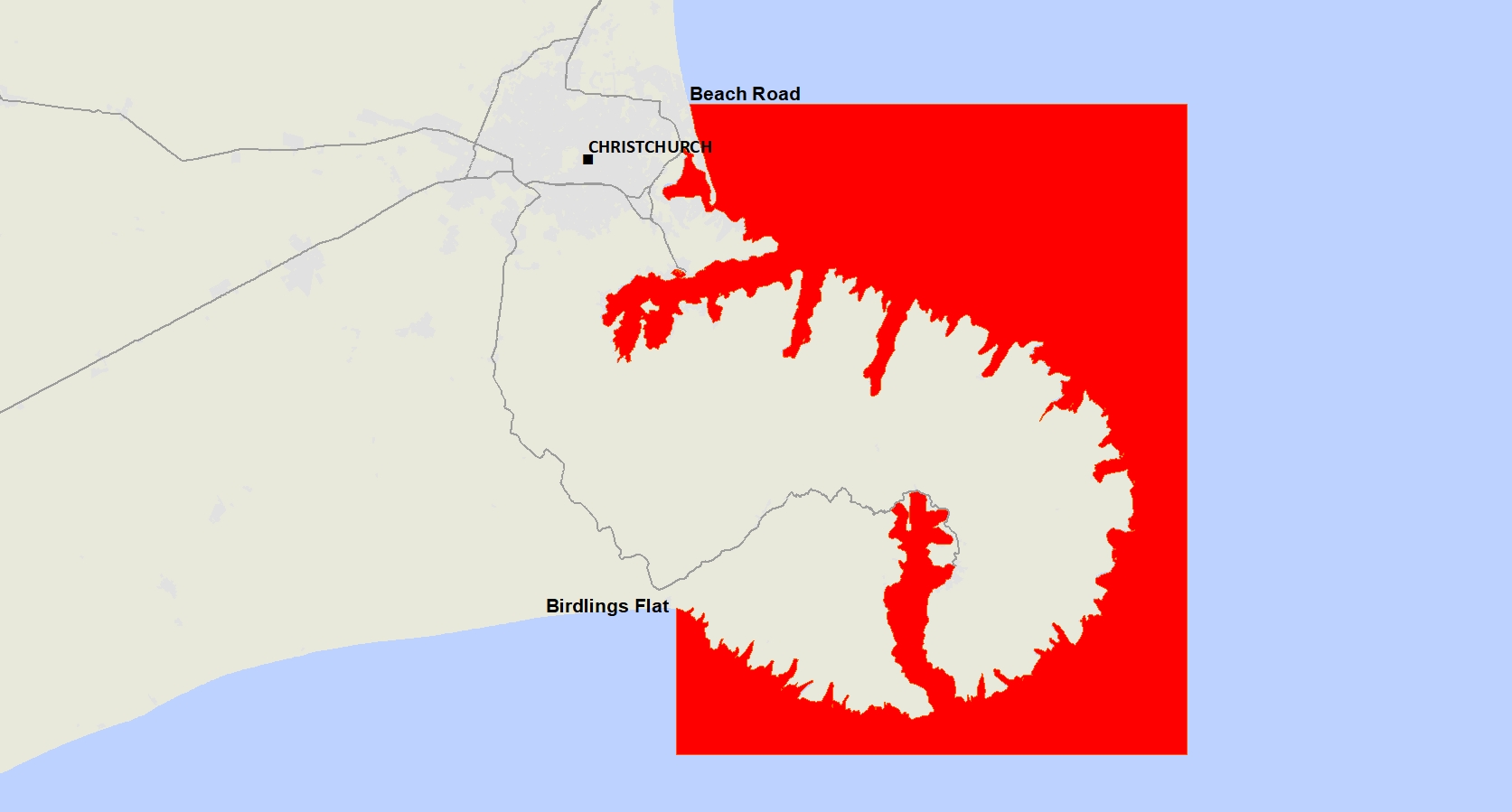
The Ministry for Primary Industries (MPI) today extended a public health warning against collecting shellfish from the entire Banks Peninsula in Canterbury following further test results. Diarrhetic shellfish toxins in shellfish have been found at levels nearly 3 times over the safe limit of 0.16 mg/kg set by MPI. Anyone eating shellfish from this area is potentially at risk of illness.

Another warning remains in place for Grove Arm in the Marlborough Sounds.

Ongoing testing will continue and any changes will be communicated accordingly. Commercial shellfish aquaculture farms in the affected area have already ceased harvesting due to rainfall closures and there are no concerns regarding recently harvested product.

Mussels, oysters, tuatua, pipi, toheroa, cockles, scallops, catseyes, kina (sea urchin) and all other bivalve shellfish should not be eaten.

Note, cooking shellfish does not remove the toxin.

Pāua, crab and crayfish may still be eaten if the gut has been completely removed prior to cooking, as toxins accumulate in the gut. If the gut is not removed its contents could contaminate the meat during the cooking process.

Symptoms typically appear within half an hour of ingestion and last for about 24 hours. Symptoms may include:

  • diarrhoea
  • vomiting
  • nausea
  • abdominal cramps

If anyone becomes ill after eating shellfish from an area where a public health warning has been issued, freephone Healthline for advice on 0800 61 11 16, or seek medical attention immediately. You are also advised to contact your nearest public health unit and keep any leftover shellfish in case it can be tested.

Commercially harvested shellfish – sold in shops and supermarkets, or exported – is subject to strict water and flesh monitoring programmes by MPI to ensure they are safe to eat. There is no commercial harvesting of shellfish in the affected area.

Denmark – Mold/Mould growth in Pågen Vanillas

DVFA

Pågen Denmark is recalling Pågen Vanillas as there is a risk of mold growth in the product.

Recalled Foods , Published: December 16, 2021

Modified December 16, 2021
What foods:
Pågen Vanillas ( see photo )
Least durable: all dates from 15.12-2021 up to and including 17.01.2022
EAN barcode: 7311070006230
Sold in:
Salling Group stores nationwide
Coop stores across the country
Dagrofa stores across the country
REMA 1000 stores nationwide
Aldi stores across the country
Intervare
Company recalling:
Pågen Denmark
Cause:
The company has found that there is a risk of mold growth in the product.
Risk:
mold growth makes the product unsuitable as food.
Advice for consumers:
The Danish Veterinary and Food Administration advises consumers to deliver the product back to the store where it was purchased or to discard it.

USA – E. coli Illness Linked to Cake Batter: Harlee’s Story

CDC

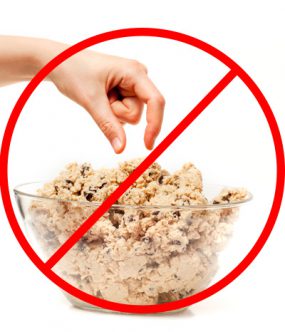
Close up of hands about to taste raw dough

Harlee is a happy, curious, and active 11-year-old who lives in Utah. She loves playing sports like basketball, soccer, and softball and hiking and camping with her dad on the weekends. Harlee also loves baking for her family with her mom, Errin.

One Saturday night in July 2021, Harlee told her mom that she wasn’t feeling well and was having sharp stomach pains. At first, Errin thought it might be strep throat, since it wasn’t unusual for Harlee to experience stomach pain with strep or a sore throat. As the weekend went on, Harlee’s symptoms worsened, and she couldn’t sleep from the pain. On Monday, Errin took her daughter to the doctor, where she was given antibiotics and sent home. However, it soon became clear to Errin that Harlee’s illness was much more serious when her symptoms got worse.

As a parent and a nurse, Errin was desperate to soothe her daughter’s severe pain, but over-the-counter pain medicines weren’t helping. Harlee’s family took her to a second doctor for more tests and eventually headed to the emergency room. Doctors diagnosed Harlee with an E. coli infection. Harlee’s infection was so serious that she was admitted to the hospital, where she stayed for three days. “It was really scary. When we finally took her to the hospital, she was crying, and wouldn’t stop crying. I just wanted someone to fix her,” said Errin.

While Harlee was in the hospital, Errin got a call from the local health department. They told her that Harlee’s E. coli infection was part of a multistate outbreak linked to cake mix that made 16 people sick in 12 states. “That’s when they started asking me about cake mix,” Errin recalled. “I would not have even thought about that.”

Harlee baked a cake the week before her symptoms started, but before putting the cake in the oven, she tasted some of the raw batter. “I knew you could get sick from raw eggs, but I would have never thought flour in cake mix,” said Errin.

Outbreaks from flour, a raw ingredient in cake mix, have happened before. In 2016 and 2019, CDC investigated E. coli outbreaks linked to flour that led to over 80 people getting sick and 20 people hospitalized. Raw ingredients, like flour and eggs, in cake batter and dough can contain harmful germs that can make you sick. E. coli infections can be serious, especially for children who are more likely to develop severe illness.

After she was released from the hospital, it took some time for Harlee to fully recover from her infection. “It was scary. She was just praying that she would make it through,” said Errin. Thankfully, Harlee made a full recovery and is back to enjoying sports and the outdoors with her family.

Harlee and Errin are telling their story to help other families avoid going through what they experienced. When you bake, don’t eat or taste raw dough or batter. It’s not worth the risk and can make you seriously sick. “It tastes good, but it’s not worth it!” Harlee said.

RASFF Alert – E.coli – Mussels

RASFF

Too high count of Escherichia coli in mussels (mytilus galloprovincialis) from Italy in Switzerland

RASFF Alert – STEC E.coli – Raw Milk Cheese

RASFF

Shigatoxin-producing Escherichia coli (O26 H11 stx, eae+ /25g) in raw milk cheese from France in Belgium, Austria, France, Germany, Macao, UAE and Hong Kong

RASFF Alerts – Ochratoxin A – Dried Figs – Fruit Oat bar

RASFF

Ochratoxin A in dried figs from Greece in Germany and the Czech Republic

RASFF

Ochratoxin A in children’s fruit-oat bar from UK in Finland

RASFF Alert – Mycotoxins – Fumonsins – Maize Flour

RASFF

Fumonisins in maize flour from Portugal in Luxembourg

RASFF Alerts – Listeria monocytogenes – Ewes Milk Cheese – Sausage – Gorgonzola Cheese – Pasta – Pork Products – Marinated Herring Fillet

RASFF

Listeria monocytogenes in ewe’s milk cheese in France and Belgium

RASFF

Listeria monocytogenes in sausage from Poland in the UK

RASFF

Listeria monocytogenes in pasta from Germany in Austria

RASFF

Listeria in Gorgonzola cheese from Italy in Sweden

RASFF

Listeria monocytogenes in pork products from Romania in Belgium, UK, Cyprus, France, Germany, Ireland, Italy and Spain

RASFF

Listeria monocytogenes in marinated herring fillets from Poland in Italy and Germany

RASFF Alerts – Salmonella – Polish Chicken Products – Black Pepper – Chicken Meat

RASFF

Salmonella Oranienburg, Salmonella Matadi and Salmonella Saintpaul in black pepper from Brazil in Germany

RASFF

Salmonella Saintpaul in black pepper from Brazil in Germany and Netherlands

RASFF

Salmonella Poona, Salmonella Javiana and Salmonella Saintpaul in black pepper from Brazil in Germany and Netherlands

RASFF

Salmonella Newport, Salmonella Javiana and Salmonella Denver in black pepper from Brazil in Germany

RASFF

Salmonella Sandiego and Salmonella Miami in black pepper from Brazil in Germany and Netherlands

RASFF

Salmonella Javiana and Salmonella Saintpaul in black pepper from Brazil in Germany

RASFF

Salmonella Matadi, Salmonella Rubislaw, Salmonella Saintpaul and Salmonella Poona in black pepper from Brazil in Germany

RASFF

Salmonella Glostrup, Salmonella Oranienburg, Salmonella Gaminara and Salmonella Minnesota in black pepper from Brazil in Germany

RASFF

Salmonella Infantis, Salmonella Saintpaul and Salmonella Newport in black pepper from Brazil in Germany

RASFF

Skinless chicken breast contaminated with Salmonella Enteritidis from Poland in the Netherlands

RASFF

Salmonella Morehead, S. Javiana, S. Braenderup, S. Saintpaul, S. Kiambu and S. Minnesota in black pepper from Brazil in Germany

RASFF

Salmonella Morehead and Salmonella Rubislaw in black pepper from Brazil in Germany

RASFF

Salmonella en pimienta negra de Brasil/ Salmonella in black pepper from Brazil in Spain

RASFF

Salmonella Enteritidis in fresh poultry meat from Poland in Italy

RASFF

Salmonella (present /25g) in black pepper from Brazil in the Netherlands

RASFF

Salmonella en pimienta negra en Brasil/ Salmonella in black pepper from Brazil in Spain

RASFF

Salmonella in chicken meat from Brazil in the Netherlands and Switzerland

RASFF

Skinless chicken breast contaminated with Salmonella Enteritidis from Poland in the Netherlands