RASFF Alerts – Aflatoxins – Basmati Rice – Hazelnuts – Dried Figs – Millet Couscous – Peanuts – Groundnuts – Rice

RASFF

Aflatoxin B1 in basmati rice of unknown origin, via the Netherlands in Germany

RASFF

Aflatoxins in hazelnuts from Azerbaijan, via Slovakia in Germany and Slovakia

RASFF

Aflatoxins in dried figs from Turkey in Sweden

RASFF

Aflatoxin in Millet Couscous from Senegal in Belgium, France , Germany, Netherlands and Spain

RASFF

Aflatoxins in peanuts from Argentina in Poland and Spain

RASFF

Aflatoxins (B1 = 170; Tot. = 240 / B1 = 140; Tot. = 180 µg/kg – ppb) in organic groundnut kernels from Bolivia in the Netherlands and Spain

RASFF

Aflatoxins in rice from Sri Lanka in Switzerland

RASFF

Aflatoxin in hazelnut kernel from Georgia in Bulgaria

RASFF

Alto contenuto di aflatossine in fichi secchi dalla Turchia//High aflatoxin content in dried figs from Turkey in Italy


Hong Kong – Food Safety by Events and Seasons

CFS

It is warm and cosy for a family to gather around a hotpot and have a nice little chat while cooking their favourite food in a chilly winter. The recipe for healthy and yummy hotpot includes careful choice of ingredients and good food and personal hygiene.

When purchasing hotpot ingredients, you are advised to buy food from reliable suppliers, and fresh food is the food of choice. Make sure that the packaging of the prepackaged food is intact and check the expiry date on the food label.

After bringing the hotpot ingredients home, most of them should be stored in a refrigerator at 4℃ or below, while frozen food should be stored in a freezer at -18℃. Do not thaw frozen food at room temperature as bacteria may multiply rapidly. Better defrost in a refrigerator or under running tap water.

Food and personal hygiene must be observed during food preparation. After handling raw food, wash hands thoroughly before handling cooked food in order to prevent cross-contamination. All food ingredients must be washed thoroughly. When washing vegetables, pick off the outer leaves, then wash vegetables thoroughly under clean running water. When appropriate, scrub produces with hard surfaces with a clean produce brush to remove dirt and substances from the surface and the fissures. Poultry meat, pork and beef should be washed and cut into thin slices to facilitate thorough cooking. The shells of shellfish should be scrubbed and rinsed, and their internal organs removed.

Take caution if you are one of those who like to have eggs as hotpot ingredients. Not to consume eggs with cracked shells as they are prone to be contaminated by pathogens. Eggs stained with dirt must be washed thoroughly. Wash hands thoroughly after handling or coming into contact with eggs. Also, do not dip cooked food into raw eggs before consumption as pathogens may be present inside these eggs.

When cooking food in the hotpot, use two sets of chopsticks and utensils to handle raw and cooked food respectively. Whenever water or soup is added to the pot, wait until it is boiling hot before adding food. Most importantly, food must be thoroughly cooked. Seafood should be boiled for at least five minutes. Sliced poultry meat and pork should also be thoroughly cooked before consumption.

Finally, you should pay equal attention to healthy eating apart from safe eating. When enjoying hotpot, beware of the quantity of food and maintain a balanced diet. Eat more vegetables with high dietary fibre.

Hong Kong – Raw Oysters and Food Safety

CFS

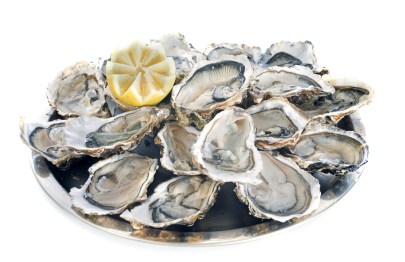
french oysters

It is getting cold and winter is the traditional season for savouring oysters. There are different ways to enjoy oysters, including deep fried, hot-pot and some members of the public may choose to eat raw oysters. If consumers choose to eat raw oysters, they should be aware of the associated risk. Due to their specific growing nature, oysters can be easily contaminated by pathogens (including bacteria and viruses) and chemical contaminants. Consumption of raw oysters contaminated with pathogens may cause food poisoning, affecting our health.

Consumers who choose to eat raw oysters are advised to take note of the following food safety tips:

  • Susceptible populations (the elderly, young children, pregnant women and people with weakened immune systems or liver diseases) should avoid taking raw oysters.
  • Eating raw oysters carries inherent food safety risk. To minimise the impact on health, raw oysters should only be consumed in or obtained from reliable licensed premises.
  • Consumers choose to eat raw oysters are reminded to apply the Five Keys to Food Safety to mitigate the risk.
  • For oysters intended for consumption after cooking, never eat them raw.

Hong Kong – Hotpot Safely at Restaurants

CFS

In winter time, hotpot is a popular choice when we dine out with friends. With a great variety of hotpot ingredients, consumers can choose whatever they like to eat. However, if hotpot ingredients are not handled properly or cooked thoroughly, we will ingest not only food but also viruses or bacteria that can cause food poisoning.

When enjoying hotpot at restaurants, we should apply 5 Keys to Food Safety (i.e. Choose, Clean, Separate, Cook and Safe Temperature) from selection of a restaurant to handling and cooking of food in order to ensure food safety.

First, we should choose a reliable restaurant. A reliable restaurant could not only offer a pleasant dining environment, but also provide safe food to customers. When choosing a restaurant, we should pay attention to the hygiene of its environment, the storage conditions of food, personal hygiene of the staff, etc. as these are the criteria for determining whether it is a good choice.

When enjoying hotpots at restaurants, we should keep hands and utensils clean. Before handling food ingredients and eating, wash hands thoroughly with warm water and soap for 20 seconds and dry them with paper towel. If there is a wound on your hand, wrap it properly and avoid direct contact with the food.

When cooking, we must handle raw and cooked food with extra care and separate them completely. Do not put too many dishes on the table to avoid food-to-food cross-contamination. Also, it is preferable to use separate sets of chopsticks and utensils with different appearances to handle raw and cooked food respectively.

Cooking thoroughly is the most important principle for enjoying hotpot safely. Whenever water or soup is added, take food out of the pot only after it is boiling hot. Seafood should be boiled for at least five minutes and ensure that all foods are cooked thoroughly before consumption. As raw eggs are on offer as hotpot ingredient or ready-to-eat food in many restaurants, customers must check the conditions of eggs. Eggs with cracked shells should be discarded immediately as they are prone to be contaminated by pathogens. Wash hands thoroughly after coming into contact with eggs. Do not consume cooked food that are mixed with raw eggs as pathogens may be present in raw eggs.

If you take leftovers home from a restaurant, cool them quickly and put them in the refrigerator within two hours. Also, leftovers should not be kept in the refrigerator for longer than three days or reheated more than once.

Information – How to Report Seafood-Related Toxin and Scombrotoxin Fish Poisoning Illnesses

FDA

To help FDA effectively investigate, remove unsafe seafood products from the market, and develop new prevention strategies, the FDA relies on illness reporting from public health officials and healthcare providers. While most foodborne outbreaks are tracked through the FDA’s Coordinated Outbreak Response and Evaluation (CORE) network, seafood-related illnesses caused by natural toxins have a unique reporting mechanism. This web page provides information on commonly occurring seafood-related illnesses and how to report them to the FDA.  To report an illness from raw bivalve molluscan shellfish, email the FDA at shellfishepi@fda.hhs.gov.

The FDA receives reports of illnesses associated with the consumption of specific types of fish. These illnesses may originate from the activity of certain bacteria, toxins produced by marine algae, or hazards inherent in the fish.

Commonly occurring illness:

Illness and reporting information for the commonly occurring illnesses are provided in each section. Contact the FDA with any questions or need for clarification of the illness or reporting.

In addition to the illnesses listed above, reporting of other less frequently occurring illnesses from natural toxins may be accomplished by emailing the FDA at Seafood.Illness@fda.hhs.gov.  Refer to Chapter 6 of the “Fish and Fishery Products Hazards and Controls Guidance” for a comprehensive list of natural toxin illnesses. To report illnesses related to miscellaneous natural toxin illnesses, please email FDA at Seafood.Illness@fda.hhs.gov.

The FDA works with first responders, physicians, and state and local health departments to investigate illnesses and outbreaks, manage them, and learn how to lessen future occurrences.

Czech Republic -KLATOV TOURIST SALAMI Mold/Mould

Potravinynapranyri

Illustration photo no. 1

Place of inspection:
Krabcice ( Rovne 36, 411 87 Krabcice )
ID: 05605822
Food group: Meat and meat products / Durable meat products

KLATOV TOURIST SALAM
Category: Dangerous food
Unsatisfactory parameter:

mold visible to the eye

Mold visible to the naked eye was found on the surface of the food. Food is not considered safe if it shows signs of spoilage.

During the inspection, unsatisfactory storage temperatures of this product were not found. The product has not expired. The sample was taken from the opened package.

Expiration date: 11/18/2021
Producer: MASO WEST sro, Za Mototechnou 1619, 150 00 Prague 5
Country of origin:  Czechia
Sampling date: Oct 22, 2021
Reference number: 21-000561-CAFIA-CZ
The sample was found by an official inspection of the State Agricultural and Food Inspection Authority.

Germany – Vesper cheese – Listeria monocytogenes

LMW

Warning type: Food
Date of first publication: December 15, 2021
Product name:

Vesper cheese

Manufacturer (distributor):

Manufacturer: Hohensteiner Höfkäserei Heidäcker 1 72531 Hohenstein, BW Regional sales took place.

Reason for warning: A high level of Listeria was detected during a self-check.
Durability: All best before dates up to and including January 4th, 2022
Further information:

Reference is made to the company’s customer information sheet attached.

Contact to the responsible authorities:
Baden-Württemberg:

poststelle@mlr.bwl.de

Hong Kong – Food-poisoned in quarantine hotel – and no one to help

The Standard

A 23-year-old man suffering from food poisoning for more than 18 hours in his quarantine hotel room at Four Points by Sheraton in Tung Chung and was left unattended, raising alarm bells about lack of care for sick residents at isolation hotels.

He was however sent to North Lantau Hospital more than one hour after his friend’s Australian mother, who is a resident finally alerted the hotel front desk at about 2.30 pm Tuesday. Doctor later diagnosed he was suffering from food poisoning.

The man, named JB, arrived in Hong Kong from San Francisco with a 22-year-old friend last Sunday and started their 21 days quarantine at Four Points by Sheraton Hong Kong, Tung Chung. The two are Hong Kong residents and returning home after visited San Francisco.

JB felt gassy and nauseous on Monday night after eating chicken wings and rice provided by the hotel and started vomiting due to suspected food poisoning.

“It [the food] was a little cold when I picked it up,” said JB, “[the chicken wing] looked raw when I inspected after I threw up.”

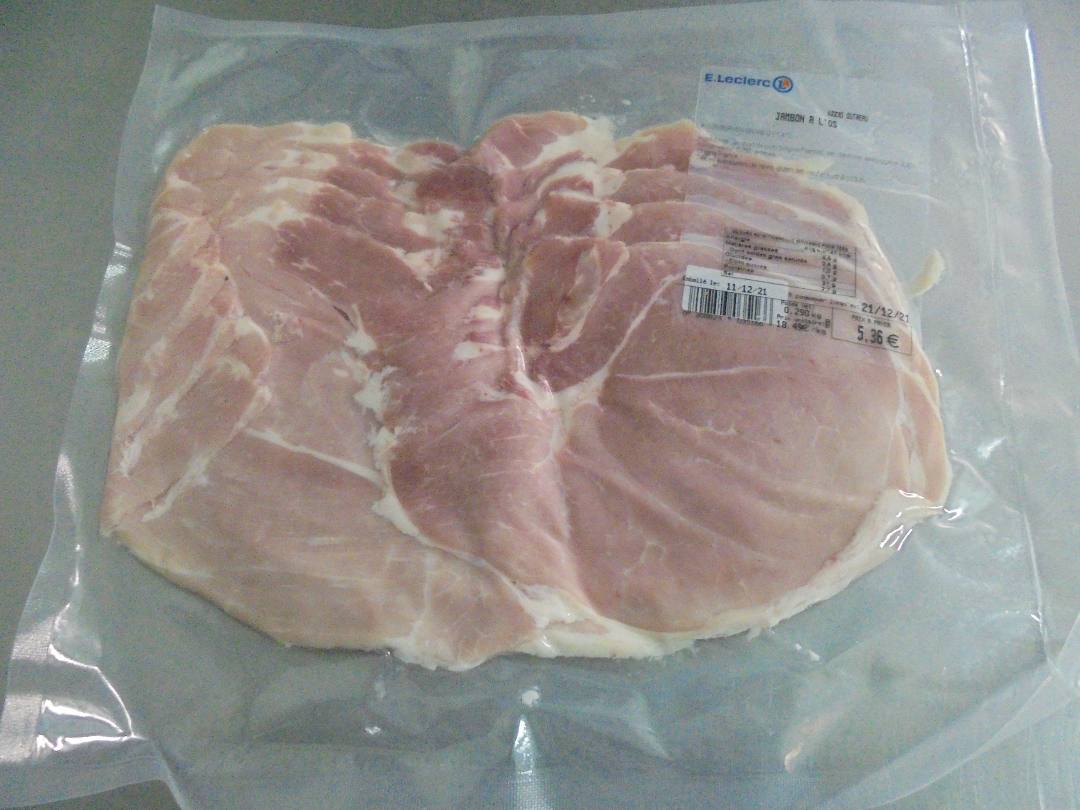
France – HAM WITH BONE – Listeria monocytogenes

Gov france

Identifying information for the recalled product

  • Product category Food
  • Product sub-category Meats
  • Product brand name E.LECLERC OUTREAU
  • Names of models or references HAM A L’OS vacuum-packed and sold in the traditional department
  • Product identification
    GTIN Lot Dated
    0208823000000 All lots Use-by date between 12/05/2021 and 12/18/2021
  • Packaging vacuum-packed or sold in the traditional department
  • Start date / End of marketing From 11/27/2021 to 12/09/2021
  • Storage temperature Product to be stored in the refrigerator
  • Further information Ham on the bone sliced ​​or sold in the traditional department / DLC between 05/12/21 to 18/12/21
  • Geographical sales area OUTREAU
  • Distributors E.LECLERC OUTREAU

Practical information regarding the recall

  • Reason for recall Presence of Listeria
  • Risks incurred by the consumer Listeria monocytogenes (causative agent of listeriosis)

USA – FSIS Retail Listeria monocytogenes (Lm) Pilot Project Update

FSIS USDA

Listeria kswfoodworld food safety food poisoning

Image CDC

In January 2016, FSIS launched a multi-year nationwide pilot project to assess whether retail delicatessens are using the recommendations in the Retail Lm Guidance. FSIS tracked progress for this pilot project in the fiscal year (FY) 2021 FSIS Annual Plan and the FY 2017-2021 FSIS Strategic Plan.

As of September 30, 2021, FSIS discontinued its retail Lm surveillance because data analysis has shown that retailers have consistently followed a high percentage of the recommendations. Moving forward, FSIS will continue steps to educate the industry on its Retail Lm Guidance and associated best practices. FSIS intends to broaden its reach by partnering with retail trade associations and state regulatory authorities to assist in the distribution of educational materials for this initiative.

Since the pilot project was launched, FSIS investigators completed a total of 7,114 questionnaires in retail delis to determine the adoption rate of the recommendations. In the fourth quarter of FY 2021, FSIS reviewed 155 questionnaires completed by investigators in retail delis. The agency exceeded its target with the retailers following 93% of the 33 recommendations over the previous 12 months (target 92%).

Additionally, under its strategic and annual plans, FSIS is tracking whether the retail delis assessed are following the top eight recommendations from the FSIS Retail Lm Guidance, which are listed on pages 1-2 of the FSIS Directive 10.310.1- Pilot Project: Control of Listeria monocytogenes in Retail Delicatessens.

In the fourth quarter of FY 2021, FSIS reviewed 151 questionnaires conducted by investigators in which all eight recommendations could be assessed. The agency exceeded its annual target with 75% retailers following all eight of the most important guidelines (target 64%). These results are similar to those of last fiscal year and quarter, with FSIS meeting or exceeding its targets for both measures.