UK – Aldi Recall Certain Products – Possible Salmonella

Aldi

Product Code Product Name Batches Affected
86755 Triple Wraps: Chicken & Bacon Caesar, Chicken Fajita, Sweet Chili Chicken All Use By Dates up to and including 15th May
20236 Wraps Mixed: Chicken & Bacon Caesar
701781 Triple Sandwiches: Classic Selection, Chicken & Bacon
21248 S/S Sandwiches: Chicken Beechwood Smoked Bacon & Stuffing
20238 Deep Filled Sandwiches: Chicken & Bacon
716352 Deeper Fill Sandwiches: Roast Chicken Salad, Chicken & Stuffing
58131 Classic Sandwiches: Chicken & Sweetcorn
721054 Flavoured Mini Chicken Fillets: Mango Curry, Shwarma All Use By Dates from 11th May up to and including 19th May

The products listed above are being recalled due to the possible presence of Salmonella. Customers are asked to return this product to their nearest store, where a full refund will be given.

We apologise for any inconvenience and thank you for your co-operation.

For further information, please click here or visit https://customerservice.aldi.co.uk/contact

UK – M&S Recall Certain Products – Possible Salmonella

M&S

Product recall notice :
We are recalling below 12 Foods product given a small number of products may contain Salmonella.

1. Coronation Chicken Deli Filler
2. 14 piece classic sandwich platter
3. Classic mini roll selection
4. Chicken & Bacon Caesar Wrap
5. Made Without Wheat Gluten Free Chicken & Bacon Sandwich
6. Roast Chicken & Bacon Sandwich
7. Roast Chicken & Salad Sandwich
8. Chicken & Bacon Layered Salad
9. Chargrilled Chicken Caesar Salad
10. Chicken Honey Mustard Pasta Salad
11. Café Gluten Free Chicken Salad Sandwich
12. Café Classic Sandwich Selection
Please click here for further details. Please return to the store if you have already bought this item for a refund.

UK – Waitrose Recall Certain Products – Possible Salmonella

Waitrose

Product recall

11/05/2022

  • Waitrose Roast Chicken Salad with Salad Cream Sandwich
  • Waitrose Roast Chicken & Stuffing Sandwich
  • Waitrose Roast Chicken & Sweetcorn Sandwich
  • Waitrose Essential Chicken Mayo Sandwich
  • Waitrose Chicken & Bacon Caesar Wrap
  • Waitrose Sweet Chilli Chicken with Coconut & Coriander Pickle Wrap
  • Waitrose Deep Filled Roast Chicken & Stuffing Sandwich
  • Waitrose Roast Chicken & Bacon Sandwich
  • Waitrose Deep Filled Roast Chicken & Bacon Sandwich
  • Waitrose Entertaining Meat Roulade Wrap Selection

Brand: Waitrose

Use By: All Use by dates up to and including 14 May

Waitrose is recalling the above products as a precautionary measure due to the potential presence of Salmonella, which may cause illness if consumed.

No other Waitrose products are impacted.

  • Do not consume
  • Package up item
  • Return the product to your local Waitrose & Partners branch for a refund

Contact: Waitrose Customer Care 0800 188 881, Option 4

We apologise that it has been necessary to recall this product and for the inconvenience caused.

file

Belgium – Ground Cumin from the Buhara brand – Salmonella

AFSCA

05/11/2022
FASFC recall
Product: ground cumin from the Buhara brand.
Problem: possible presence of Salmonella.


The FASFC is today recalling consumers of ground cumin of the Buhara brand. This recall follows a RASFF (Rapid Alert System for Food and Feed) concerning the possible presence of Salmonella.

The FASFC asks not to consume these products and to bring them back to the point of sale where they were purchased.

Product Description :

Product Category: Spices Product
Name: Ground Cumin
Brand: Buhara

Batch Expiry date (DDM) Weight

420032022 03-01-2023 70 GR
420052022 05-01-2024 500 GR
420132022 13-01-2024 200 GR
420202022 20-01-2024 70 GR
420242012 20 GR 420242012 242-4-15
420322022 01-02-2024 70 GR
420452022 14-02-2024 150 GR
420482022 17-02-2024 150 GR
420592022 28-02-2024 70 GR
420662022 07-03-2024 150 GR
420682022 09-03-2024 500 gr.
423352021 07-09-2023 70 GR
423522021 18-12-2023 70 GR

This product was sold through multiple outlets.

For any additional information, you can contact the FASFC contact point for consumers: 0800/13.550 or pointdecontact@afsca.be .

Iceland – Listeria monocytogenes is found in smoked salmon and smoked trout

MAST

Matvælastofnun warns against consuming smoked salmon and smoked trout from Fisherman ehf. due to listeria found in two batches. The company has contacted Matvælastofnun, which supervises the company and informed them of the recall.

The recall only applies to the following batches:

  • Brand: Fisherman
  • Product name: Smoked trout 300g and smoked salmon 250g
  • Manufacturer: Fisherman ehf.
  • Country of production: Iceland
  • Storage conditions: 0-4 ° C
  • Batch number of smoked trout is 14138 and 14140 / best for dates: 17.05.22
  • Distribution: Bonus, Net, Iceland, Hagkaup, Heimkaup, Melabúðin, Krambúðin and Kjörbúðin
  • Batch number for smoked salmon is 14127 / best before 21.05.2022
  • Distribution: Nettó, Iceland, Hagkaup, Heimkaup, Krambúðin and Kjörbúðin

In most healthy individuals, the consumption of listeria-contaminated foods does not cause disease. Risk groups are pregnant women, unborn and newborn children, the elderly and people with impaired immune systems. Group infections caused by listeria are rare, usually individual infections.

Consumers who have in their possession, in the refrigerator or freezer, packages with  the above date are asked to contact the company at 4509000.

Related material

Luxembourg – SARDINE FILLETS FROM LES NATURELS OCEALLIANCE – Histamine

SAP

Furic Solutions is recalling the following product:

name Sardine fillets
Brand OCEALLIANCE Naturals
Unity 200g
Sales period from 04/29/2022 to 05/03/2022
Use-by date (DLC) 05/03/2022; 04/05/2022
Batch 0622118; 0622119

Danger  : Presence of histamine

Sale in Luxembourg by: Auchan

A sale by other operators cannot be excluded.

Source of information: Auchan recall notification

Communicated by: Government Commission for Quality, Fraud and Food Safety .

Research – France – Cholera

Sante Publique

Food Illness

Digestive poisoning , cholera is a notifiable disease caused by the ingestion of water or food contaminated by Vibrio cholerae bacilli of the toxigenic serogroups O1 and O139.

Cholera: the disease

A rare imported pathology in France

Cholera is an acute digestive poisoning caused by ingestion of water or food contaminated by Vibrio cholerae bacilli of toxigenic serogroups O1 and O139 (cholera vibrios).

Today, collective and individual sanitation and hygiene measures have led to the disappearance of cholera in France (excluding Guyana and Mayotte, where sporadic and limited epidemics were described in the decades 1990-2000 in the two previous decades). In mainland France, cholera, which is subject to mandatory notification , is indeed a rare imported pathology. Symptomatic cases of cholera are mainly linked to the absorption of contaminated drinks or food abroad.

Early reporting of suspected and confirmed cases, and notification of confirmed cases takes place from a single case. They allow the management of imported cholera cases as soon as possible. Between 0 and 2 cases of cholera have been declared each year in France since 2000, they concern travelers returning from endemic areas . This is a small and decreasing number.

Although rare in France, cholera can cause severe digestive symptoms and dehydration. Even if the risks of contamination and epidemic are very limited on French territory, the epidemiological surveillance of Public Health France requires the early notification of cases as soon as this infection is suspected in order to prevent its spread.

Human-to-human and environmental transmission

Man is the main reservoir of cholera. But in some regions, the environment can also play this role, resulting in the circulation of cholera vibrios in an endemic mode . Cholera is linked to the absorption of contaminated water or food. Bacilli , or cholera vibrios, secrete cholera toxin in the intestine, which causes the loss of water and electrolytes (up to 15-20 liters per day). Diarrheal stools released in large quantities spread bacilli in the environment and faecal-oral transmission .

High population concentrations, combined with poor environmental hygiene, favor the appearance and development of cholera epidemics.

Prevention through hygiene and vaccination

When the basic rules of hygiene are respected, the vibrio responsible for cholera is not very transmissible. Appropriate chlorination of water and basic hygiene measures are generally sufficient to prevent contamination.
In the event of a trip to these endemic areas , compliance with hygiene measures (food hygiene with consumption of cooked and hot food, capsulated bottled water, avoidance of ice cubes, and hand washing) remains the best prevention.

There is no active vaccine against Vibrio cholerae serogroup O139. On the other hand, health personnel going to work with patients or in refugee camps during an epidemic can benefit from the anti-cholera vaccine (against different Vibrio cholerae O1 strains and a recombinant cholera toxin B subunit) administered orally (2 doses one week apart for adults and 3 doses one week apart for children 2 to 6 years of age).

Severe intestinal symptoms

The incubation period of cholera is short, from a few hours to five days.

Most people infected with Vibrio cholerae show few or no symptoms, although the bacillus can be found in their stool for one to two weeks. In case of illness, 80 to 90% of episodes are mild or moderately severe and it is then difficult to distinguish them clinically from other types of acute diarrhoea.

Less than 20% of patients develop all the typical symptoms of cholera, with symptoms of moderate to severe dehydration: violent diarrhea profuse with “rice water”, vomiting, without fever.

In the absence of treatment, death occurs in 1 to 3 days, by cardiovascular collapse in 25 to 50% of cases. Mortality is higher in children, the elderly and vulnerable individuals.

The diagnosis of cholera is clinical and biological. It is based on the detection of V. cholerae serogroup O1 or O139 producing cholera toxin in the stools of a patient. In the event of suspected isolation of a strain of cholera vibrio, immediate contact should be made with the National Reference Center for vibrios and cholera for typing and confirmation of the diagnosis: https://www.pasteur.fr/fr/ public-health/cnr/the-cnr/vibrions-cholera

A treatment based on rehydration

The treatment of cholera essentially consists of compensating for the digestive losses of water and electrolytes. Depending on the degree of dehydration, rehydration takes place orally or intravenously. An improvement in the subject’s condition is visible quickly (in a few hours) and healing occurs in a few days. There are no sequels. Antibiotic therapy can be useful in certain severe cases, but multi-resistant strains may appear.

An endemic circulation in South Asia

Cholera is regularly the subject of epidemics in developing countries where it evolves according to the country on an endemic and/or epidemic mode .

The world has been experiencing the seventh cholera pandemic since 1961, caused by Vibrio cholerae serogroup O1 .

Cholera has been endemic in the Indian subcontinent for several centuries. Cholera spread from 1817 to all of Asia, the Middle East and part of Africa, during the first cholera pandemic. Subsequent pandemics also developed from Asia and were facilitated by improved transportation. The seventh pandemic started in Indonesia in 1961, affected Asia in 1962, the Middle East and part of Europe in 1965, Africa in 1970, and South America in 1991.
On the n the island of Hispaniola an epidemic has been ongoing since the emergence of V. cholerae serogroup O1 in 2010 in Haiti.
Today, Africa and Asia are the two areas most affected by cholera. The disease is spreading there. The outbreak declared in Yemen since 2016 is the largest ever documented.

In 1992, a strain of Vibrio cholerae belonging to the new  serogroup O139 appeared in India and Bangladesh. Since then, it has caused epidemics in several Asian countries and could one day be the cause of an eighth pandemic. Cholera is the first disease to have been the subject of international notification (since 1892).

Guatemala: Red tide alert issued, One fatality reported -Saxitoxins – PSP

Outbreak News Today

The National Commission for Surveillance and Control of the Toxic Red Tide in Guatemala, declared a red tide alert because the constant monitoring and analysis that is carried out showed high concentrations of saxitoxins above the appropriate limits.

The presence of toxic red tide was detected on the Pacific Coast, on the coast of Tiquisate, Escuintla, indicated Virginia Herzing de Stwolinsky, head of the Risk Management Unit of the Ministry of Public Health and Social Assistance (MSPAS).

For this reason, bivalve mollusks, such as mussels, clams and shells. The consumption of the aforementioned foods produces severe intoxication and could even cause death.

Saxitoxins are also known as paralytic shellfish poisons (PSPs). Most human saxitoxin toxicoses have been associated with the ingestion of marine shellfish, which accumulate saxitoxins produced by marine dinoflagellates. However, saxitoxins are also found in freshwaters, produced by cyanobacteria in the genera Anabaena, Aphanizomenon, Planktothrix, Cylindrospermopsis, Lyngbya and Scytonema

Scotland – Kinder products linked to Salmonella outbreak still found on Scottish retail shelves

FSS

Food Standards Scotland (FSS) is warning the public to continue to be on the lookout for certain Kinder products after investigations by local authorities found a substantial number of businesses with recalled product still available for sale.  These products should not be purchased or eaten.

The products, which were recalled by Ferrero in early April, have been linked to an ongoing salmonella outbreak. A number of these cases have been young children.

Stuart McAdam, FSS Head of Incidents, urged small business owners to ensure that recalled Kinder products are removed.

“Investigations have found that some products previously recalled remain on retailer shelves. In addition, products intended for the European market only, that have been recalled by Ferrero in Europe, have been subsequently imported into the UK by UK importers not linked to Ferrero.

“While FSS continues to work closely with Local Authorities and Public Health Scotland, I would urge any small business owner to double check their stock to ensure recalled product isn’t available for sale.

“Any members of the public who have bought or spot recalled Kinder products on shelves or online are advised to raise the issue with the retailer and report the matter to their Local Authority so that action can be taken.”

Symptoms of salmonellosis typically resolve themselves within a few days and include diarrhoea, stomach cramps, nausea, vomiting and fever. However, symptoms can be more severe and lead to hospitalisation, especially in the very young and those with weakened immune systems.

Anybody with concerns that they have symptoms of salmonellosis should contact their GP or call NHS 111. Salmonella can be spread from person to person as well as from food, so anyone affected should adhere to good hygiene practices, such as washing hands thoroughly after using the bathroom and avoiding handling food for others where possible, if you have symptoms.

The full list of recalled products, including a selection of European labelled products, include:

  • Kinder Surprise:

– Pack size 20g, all best before dates up to and including 04 January 2023

– Pack size 20g x 3, all best before dates up to and including 04 January 2023

– Pack size 100g, all best before dates up to and including 21 August 2022

  • Kinder Mini Eggs (pack size 75g): All best before dates up to and including 21 August 2022
  • Kinder Egg Hunt Kit (pack size 150g): All best before dates up to and including 21 August 2022.
  • Kinder Schokobons (pack size 70g, 200g, 320): All best before dates up to and including 04 January 2023
  • Kinder Maxi Mix Peluche (pack size 133g): Best before date of 21 August 2022
  • Kinder Niespodzianka Maxi Lei (pack size 100g): Best before date of 21 August 2022
  • Ferrero Kinder Mix Geschenktüte (pack size 193g): Best before date of 21 August 2022
  • Ferrero Kinder Mix Bunte Mischung (pack size 132g): Best before date of 21 August 2022
  • Kinder Niespodzianka Maxi Uni BN (pack size 100g): Best before date of 21 August 2022
  • Kinder Surprise Geant Gar (pack size 100g): Best before date of 20 August 2022
  • Kinder Surprise Fille (pack size 100g): Best before date of 20 April 2022
  • Kinder Schokobons Sachet (pack size 125g and 200g): Best before date of 26 October 2022
  • Kinder Happy Moments (pack size 242g): Best before date of 21 August 2022
  • Kinder Happy Moment Ballotin 1 (all pack sizes): Best before date of 21 August 2022
  • Swieta Kinder Jajko Z Niespodzianka Maxi Uni Wn (pack size, 100g): Best before date of 21 August 2022
  • Swieta Kinder Maxi Mix Peluche Bn (pack size 133g): Best before date of 21 August 2022

Additional details of the products affected can be found in the product recall information notice on the FSS website.

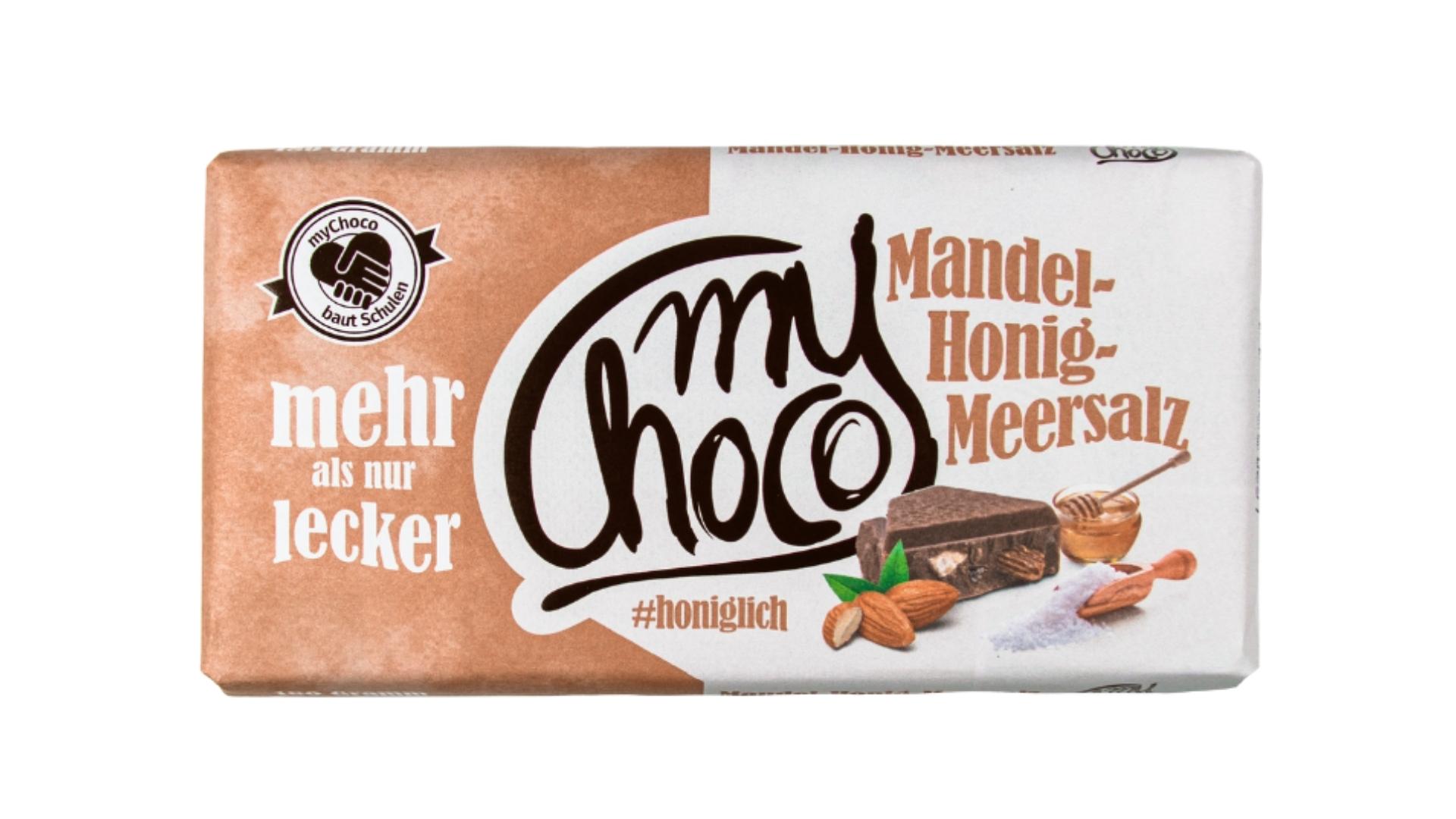
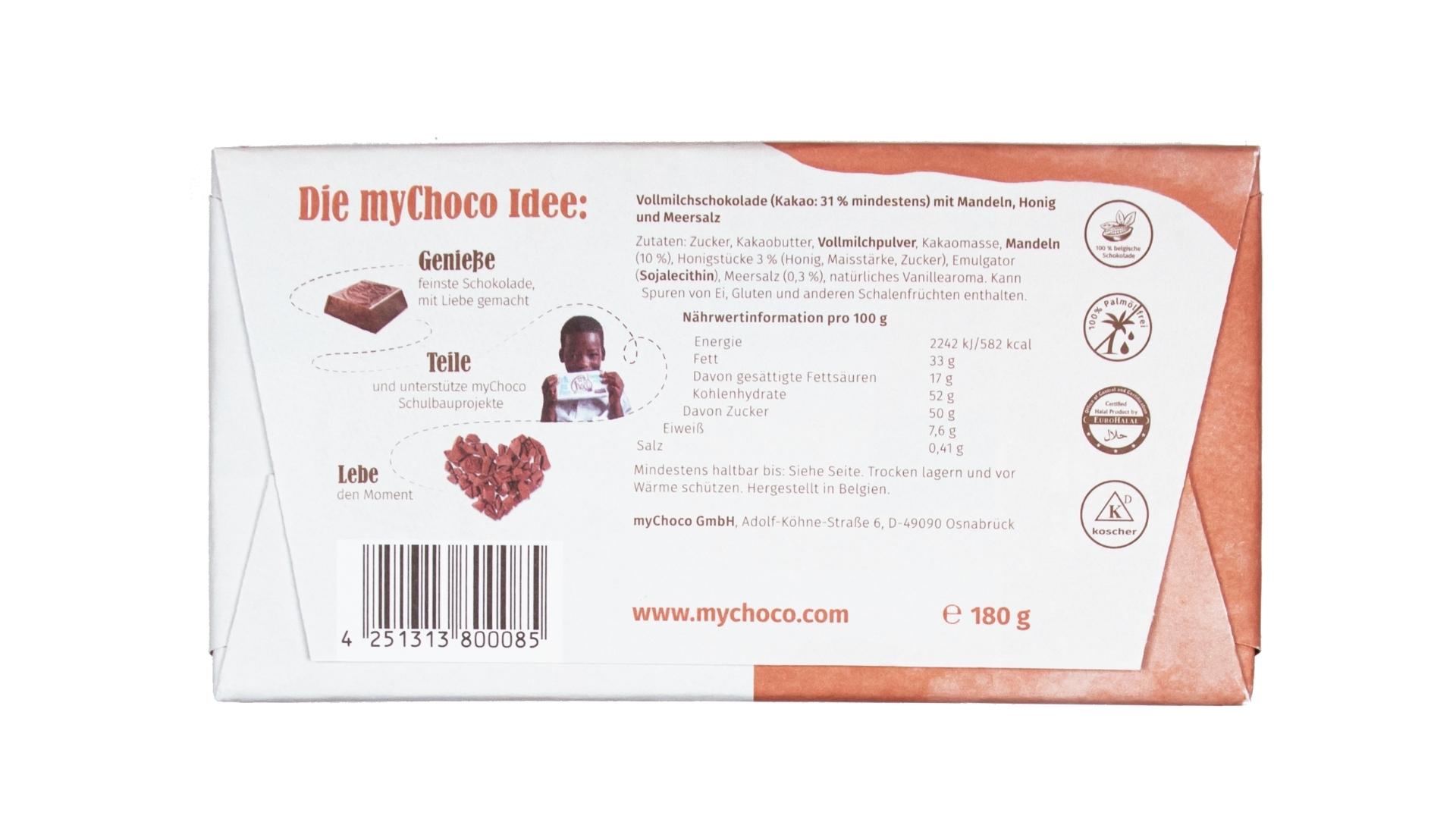
Germany – Whole milk chocolate (cocoa: 31% minimum) with almonds, honey and sea salt – Aflatoxin B1+B2+G1+G2

LMW

Alert type: Food
Date of first publication: 05/10/2022
Product name:

Whole milk chocolate (cocoa: 31% minimum) with almonds, honey and sea salt

Product images:
Honey-almond-sea salt_front.jpg

Honey-almond-sea salt_backside.jpg

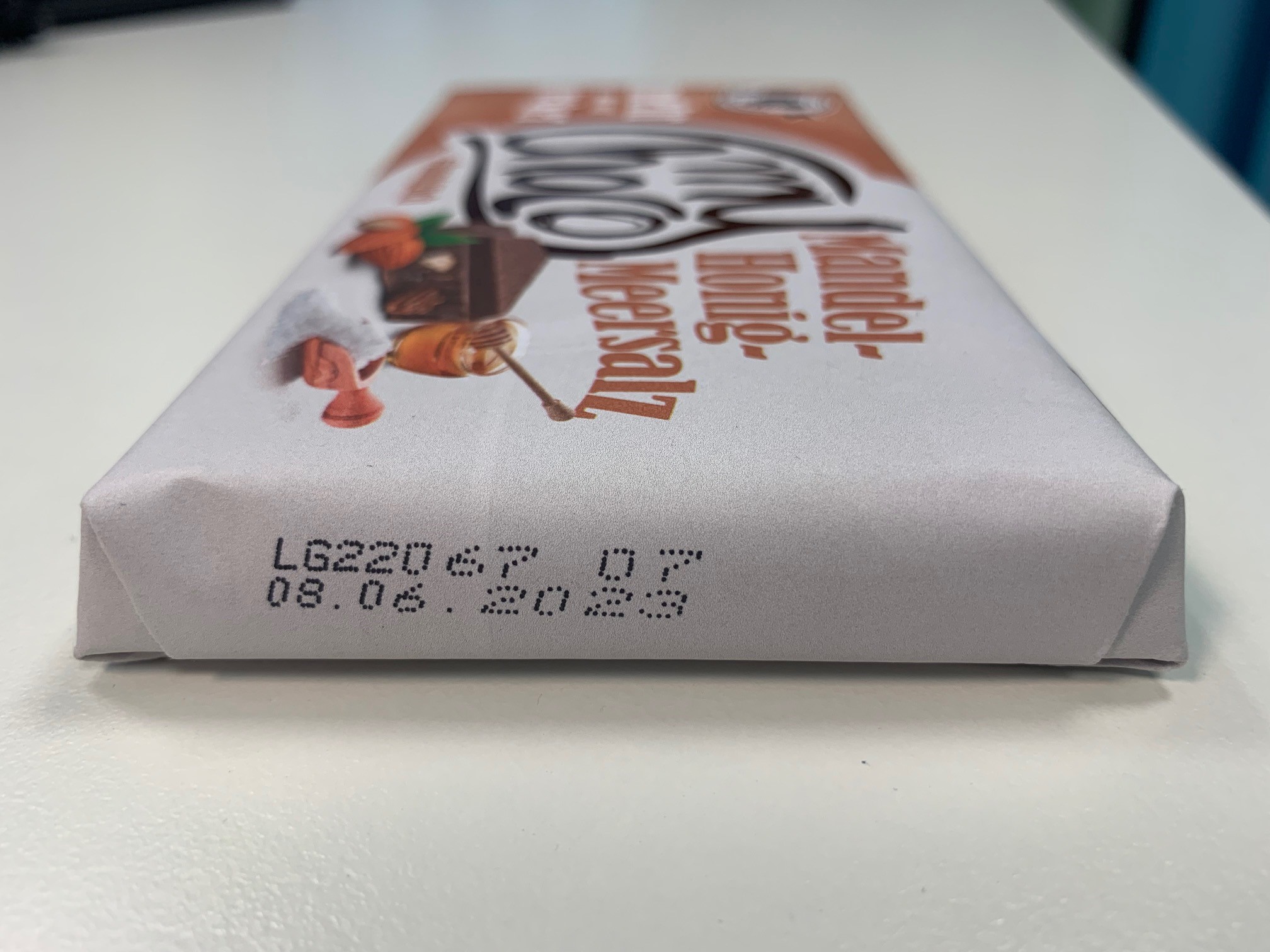
myChoco_Charge and MHD.jpg

Manufacturer (distributor): myChoco GmbH Adolf-Köhne-Strasse 6 49090 Osnabrück
Reason for warning:

The item may contain high levels of Aflatoxin B1 and Total Aflatoxin B1+B2+G1+G2. This increased aflatoxin content is due to the almonds contained in the product.

Packaging Unit:

180g

Durability:

06/08/2023

Production date:

03/08/2022

Lot identification:

22067

Additional Information:

See company press release (attachment)

Manufacturer’s website: