
shigatoxin-producing Escherichia coli (stx1, stx2, eae, v. 14 /25g) in chilled steak sausage from the Netherlands in the Netherlands

shigatoxin-producing Escherichia coli (stx1, stx2, eae, v. 14 /25g) in chilled steak sausage from the Netherlands in the Netherlands
Posted in Bacteria, bacterial contamination, Bacterial Toxin, E.coli, eae, food contamination, Food Hygiene, Food Inspections, Food Micro Blog, Food Microbiology, Food Microbiology Blog, Food Microbiology Testing, Food Pathogen, Food Poisoning, food recall, Food Safety, Food Safety Alert, Food Testing, Food Toxin, microbial contamination, Microbiology, Poisoning, RASFF, Recall, Shigatoxin, STEC, STEC E.coli, STX 1, STX 2
Posted in Bacteria, bacterial contamination, Bacterial Toxin, Biotoxin, food contamination, food handler, Food Hygiene, Food Illness, Food Inspections, Food Micro Blog, Food Microbiology, Food Microbiology Blog, Food Microbiology Research, Food Microbiology Testing, Food Pathogen, Food Poisoning, food recall, Food Safety, Food Safety Alert, Food Temperature Abuse, Food Testing, Food Toxin, foodborne outbreak, foodbourne outbreak, microbial contamination, Microbiology, Shigatoxin, Shigella, Shigella flexneri, Shigella Sonnei

Image CDC
Shigellosis is a relatively uncommon disease in the European Union/European Economic Area (EU/EEA), but remains of concern in some countries and for some population groups. For 2017, 30 EU/EEA countries reported 6 337 confirmed shigellosis cases. The overall notification rate was 1.7 cases per 100 000 population, slightly higher than in 2016. The highest notification rate was observed in children below five years of age, followed by male adults aged 25–44 years. Sexual transmission of shigellosis among men who have sex with men (MSM) is thought to have contributed to the gender imbalance in the latter group.
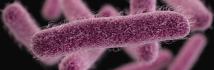
Image CDC
Multnomah County health officials have closed the Small Pharaoh #1 food cart in downtown Portland (SW 5th and Stark) late Tuesday, Aug. 11, 2020 after linking the business to an outbreak of shigellosis. This is the first food cart closure in Multnomah County in many years due to health concerns. Food carts are inspected, regulated and scored the same as brick and mortar restaurants.
Health officials took the unusual step of ordering the closure of the food cart at 5th and SW Stark after several individuals from different households were confirmed to have shigellosis after eating food from the facility. Four cases have been confirmed with three additional presumptive cases with symptoms who have not been tested. Shigella is a very contagious bacteria and can spread after swallowing a very small amount of the bacteria.
Anyone with symptoms of shigellosis who ate at the downtown location of Small Pharaoh between July 27 and August 11 should contact their care provider or seek medical care as needed.
Posted in food bourne outbreak, food contamination, Food Hygiene, Food Illness, Food Inspections, Food Micro Blog, Food Microbiology, Food Microbiology Blog, Food Microbiology Testing, Food Pathogen, Food Poisoning, food recall, Food Safety, Food Safety Alert, Food Testing, Food Toxin, foodborne outbreak, foodbourne outbreak, outbreak, Shigatoxin, Shigella, Shigella flexneri, Shigella Sonnei, Uncategorized
The Shiga toxin-producing E. coli infection rate in Europe jumped by 40 percent in 2018 compared to the previous year, based on data from ECDC’s annual surveillance report.
After a stable period from 2014 to 2017, the rate increased by 41 percent in 2018. This made STEC the third most common zoonosis in Europe after Campylobacter and Salmonella.
A contributing factor may be the shift from culture to culture-independent diagnostic methods, with PCR more commonly used to diagnose cases, according to the European Centre for Disease Prevention and Control (ECDC).
STEC infection is mainly acquired through eating contaminated food and contact with animals and/or their feces. Adequate cooking of food, particularly beef, and use of pasteurized milk may reduce the risk of foodborne infections, added the agency.
Posted in food contamination, food death, food handler, Food Hygiene, Food Illness, Food Inspections, Food Micro Blog, Food Microbiology, Food Microbiology Research, Food Microbiology Testing, Food Pathogen, Food Poisoning, Food Poisoning Death, food recall, Food Safety, Food Safety Alert, Food Technology, Food Testing, Food Toxin, Research, Shigatoxin, STEC, STEC E.coli, Uncategorized, VTEC
Thrombotic microangiopathy (TMA) was described by Moschcowitz in 1924, and the term hemolytic uremic syndrome (HUS) appeared by 1955 to describe a series of patients with small-vessel renal thrombi, thrombocytopenia, and hemolytic anemia. During the 1970s an association was noted between enteric Escherichia coli infections and HUS, and in 1983 the specific trigger of Shiga toxin–producing E coli (STEC) was recognized. This recognition led to classification of HUS as “diarrhea positive” or “diarrhea negative,” although this terminology is no longer popular. Other secondary forms of HUS are known, including HUS associated with invasive pneumococcal infection, human immunodeficiency virus, systemic lupus erythematosus, or uncommon reactions to medications such as cyclosporine. More recently, the term atypical HUS (aHUS) has been used to describe a rare form of HUS occurring in susceptible individuals, most often from defects in regulation of the alternative pathway of complement, whereas typical HUS largely refers to STEC-HUS or pneumococcal HUS.
In patients with bloody diarrhea, it is imperative that front-line providers understand the importance of testing for STEC. In many parts of the world STEC O157:H7 is the most common pathogen leading to HUS, but it certainly is not the only one as many other organisms besides E coli have been causally implicated with HUS. Testing for STEC is evolving quickly. Stool culture, various assays for the Shiga toxin, and most recently DNA testing of stool are all being used, each method with its own strengths and limitations. The most crucial issue is timeliness because the window of opportunity …
Shigella commonly causes gastroenteritis but rarely spreads to the blood. During 2002–2012, we identified 11,262 Shigella infections through population-based active surveillance in Georgia; 72 (0.64%) were isolated from blood. Bacteremia was associated with age >18 years, black race, and S. flexneri. More than half of patients with bacteremia were HIV-infected.

RASFF -enteropathogenic Escherichia coli (O157 stx1+, stx2-, eae+) in lamb carcass from Belgium in Belgium
RASFF -shigatoxin-producing Escherichia coli (O103 stx1+ stx2- eae+ /25g) in frozen bovine meat from Uruguay in Finland

 FoodWorld