Category Archives: Shigatoxin

USA – Leafy Greens STEC Action Plan

FDA

Leafy greens are among the most widely consumed vegetables and an important part of an overall healthy diet. However, while millions of servings are consumed safely every day, leafy greens have been repeatedly associated with illnesses caused by Shiga toxin-producing E. coli (STEC), the most common of which is E. coli O157:H7. FDA is committed to breaking this cycle of reoccurring outbreaks.

Over the last several years the FDA and partners in the public and private sectors have worked to enhance the safety of leafy greens through the development and implementation of the Leafy Greens STEC Action Plan (LGAP). This work includes prioritized inspections, focused sampling, stakeholder engagement and collaboration, data sharing, root cause investigations, and advancements in the science of detection and prevention.

Collectively, this work has expanded our body of knowledge about how and why outbreaks linked to leafy greens have occurred, which has guided and informed the evolution of the action plan over the years. Still, we know that we cannot fix the issue of leafy green contamination on our own. Industry leadership, along with collaboration among growers, processors, retailers, state partners, and the broader agricultural community, is critical to establishing needed prevention measures and preventing foodborne illness.

The following table provides the approaches for three priority areas: Prevention, Response, and Addressing Knowledge Gaps, as well as accomplishments that have been made since the action plan launched in March 2020.
RASFF Alert – STEC E.coli – Lettuce and Beetroot Mix

RASFF

Shigatoxin-producing Escherichia coli (STEC) in mix of lettuce and beetroot from Poland in Spain, Slovakia, Hungary and Czech Republic

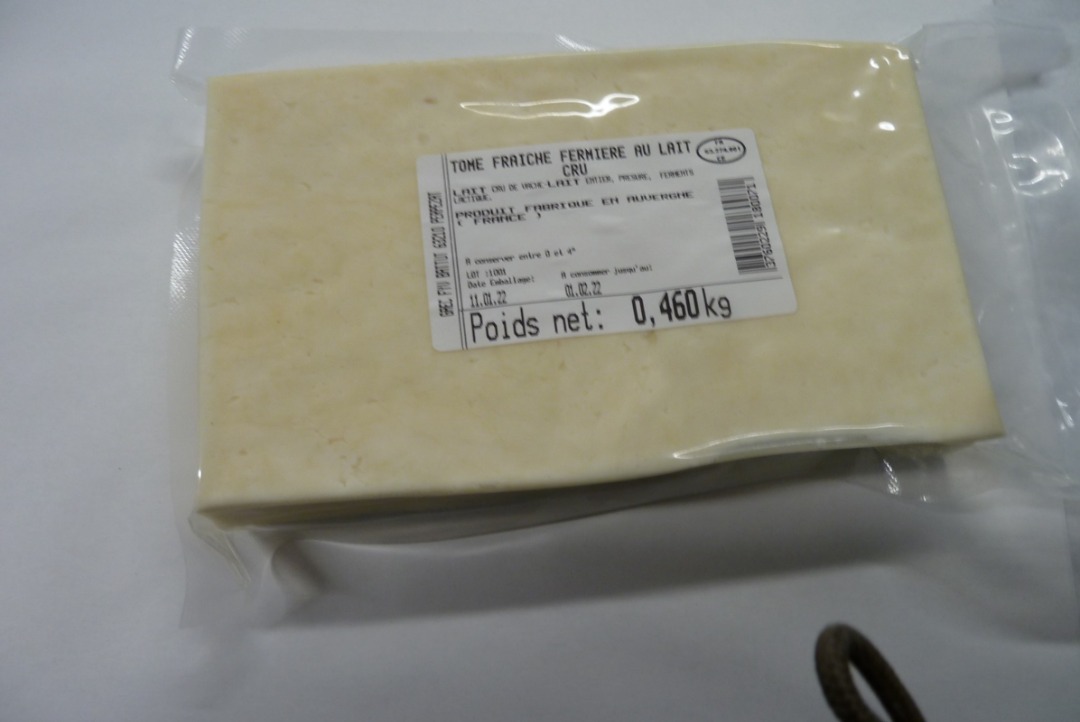
France – Farm-fresh tomme – STEC E.coli

Gov france

Identification information of the recalled product

  • Product category Feed
  • Product subcategory Milk and dairy products
  • Product brand name unbranded
  • Model names or references Farm-fresh tomme
  • Identification of products
    GTIN Batch Date
    3760229180071 1607 Use-by date 08/09/2022
  • Marketing start/end date From 07/22/2022 to 07/27/2022
  • Storage temperature Product to be stored in the refrigerator
  • Health mark FR 63 274 001
  • Geographic area of ​​sale Whole France
  • Distributors Market side

Practical information regarding the recall

  • Reason for recall Possible presence of Escherichia coli
  • Risks incurred by the consumer Toxigenic Shiga Escherichia coli (STEC)

France – Food produced or distributed by the farm: milk, yoghurts, fresh or mature cheeses (brousse, ricotta, pecorino, tomme…). – STEC E.coli

Gov france

Identification information of the recalled product

  • Product category Feed
  • Product subcategory Milk and dairy products
  • Product brand name Unbranded
  • Model names or references Various products
  • Identification of products
    Batch
    see attached product list
  • Products List Product_list.pdf Attachment
  • Marketing start/end date Until 07/22/2022
  • Storage temperature Product to be stored in the refrigerator
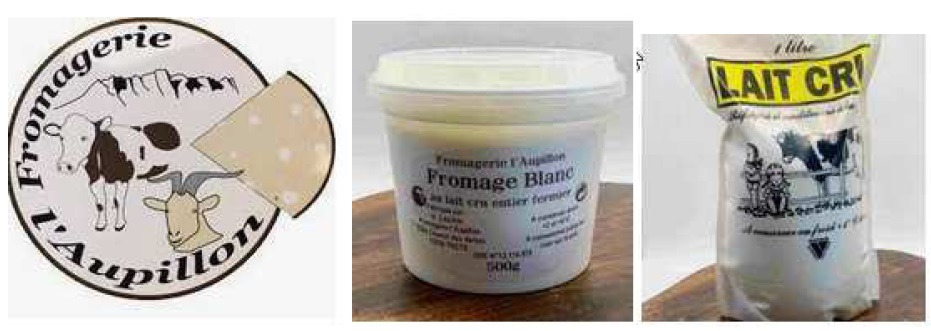
  • Further information Over the period at risk, the products sold by the Aupillon farm were mainly distributed in the Var and Bouches-du-Rhône, in retail stores and restaurants. The points of sale affected by the distribution of suspect products proceed to withdraw them and inform consumers by means of small posters put up at the points of sale concerned.
  • Geographic area of ​​sale Departments: BOUCHES-DU-RHONE (13), VAR (83)
  • Distributors Various retailers.

Practical information regarding the recall

  • Reason for recall Contamination of products by E.COLI STEC bacteria and epidemiological link with cases of pediatric HUS in PACA and OCCITANIE.
  • Risks incurred by the consumer Toxigenic Shiga Escherichia coli (STEC)

RASFF Alert -STEC E.coli – Meat

RASFF

Escherichia coli-shigatoxin-producing in meat from Belgium in France, Netherlands and Portugal

France -Pediatric haemolytic uremic syndrome: preventive measures in the face of summer risks

Sante Publique

Each year, during the summer period, an increase in foodborne infections, including paediatric haemolytic uremic syndrome (HUS), is observed. HUS is a serious infectious disease most often food-borne. In children, this syndrome is most often caused by an infection due to a bacterium belonging to the family of Escherichia coli ( E. coli ) producing toxins, called Shiga-toxins. Public Health France recalls the preventive measures.

In the kitchen

  • Hand washing should be systematic before meal preparation;
  • Meat, and especially minced beef, but also minced meat preparations, must be well cooked through (and not pink or rare);
  • Raw milk, cheeses made from raw milk and dairy products made from raw milk should not be consumed by children under 5 years of age (prefer cooked pressed cheeses (such as Emmental, Comté, Gruyère, Beaufort), processed cheese spreads and pasteurized milk cheeses);
  • Flour-based preparations (pizza/cookie dough/cake/pie/pancake, etc.) should not be eaten raw or undercooked;
  • Vegetables, salads, fruits and aromatic herbs, in particular those which are going to be eaten raw, must be carefully washed before consumption, after peeling if necessary;
  • Raw foods should be kept separate from cooked or ready-to-eat foods;
  • Cooked meals and leftover food must be quickly put in the refrigerator and sufficiently reheated before consumption;
  • Kitchen utensils (especially when they have previously been in contact with raw foods such as meat or cheese), as well as work surfaces, must be thoroughly washed to avoid the risk of cross-contamination.

During activities and leisure

  • Children should not drink untreated water (well water, river, torrent, etc.) and avoid swallowing it when swimming (lake, river, pond, etc.);
  • Avoid contact of very young children (under 5 years old) with cows, calves, sheep, goats, etc., and their environment; in the event of contact with these animals, hand washing (water and soap) must be systematic before the child puts his fingers to his mouth.

Israel – 48 people contract food poisoning at wedding hall operating without license – Shigella

Jpost

Shigella - kswfoodworld

A total of 48 people have been admitted to the hospital on Monday suffering from severe food poisoning after attending a wedding on Saturday in an event hall operating without a license.

After attending a wedding in Zarzir in northern Israel earlier this week, multiple guests began experiencing symptoms of a form of food poisoning known as Shigella and were treated at Haemek Medical Center.

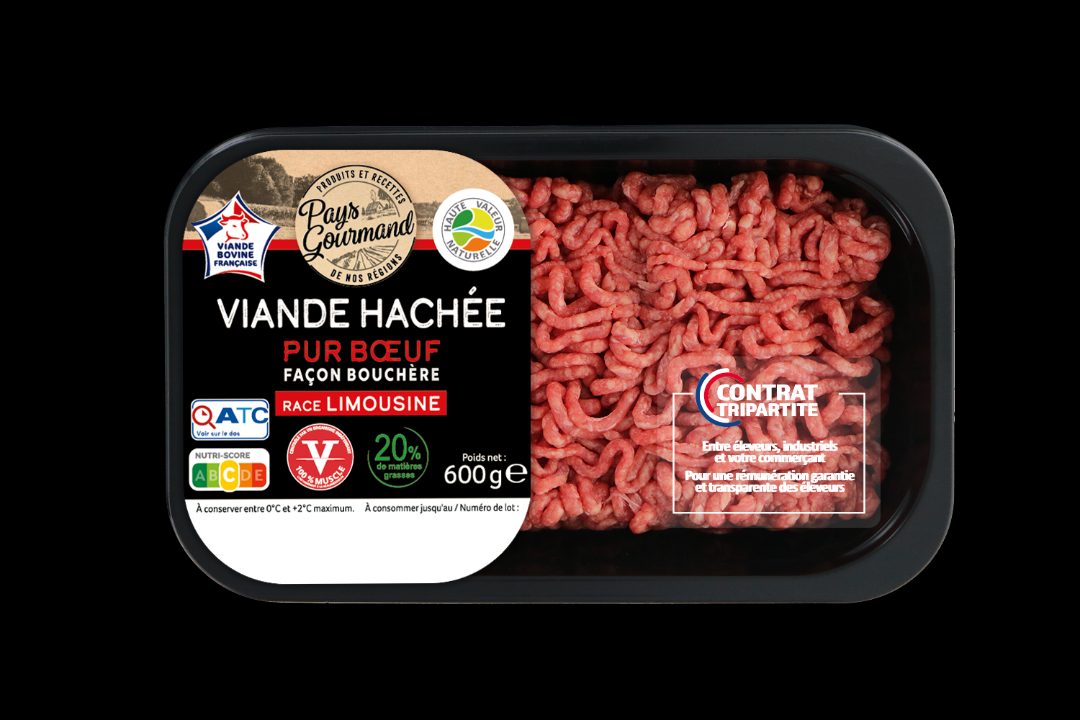
France – Pure beef minced meat, Limousin breed butcher style 20% – 600G

Gov france

Identification information of the recalled product

  • Product category Feed
  • Product subcategory Meats
  • Product brand name Greedy country
  • Model names or references Pure beef minced meat, Limousin breed butcher style 20% – 600G
  • Identification of products
    GTIN Lot Date
    2006050052554 22130813 Use-by date 02/06/2022
  • Marketing start/end date From 25/05/2022 to 02/06/2022
  • Storage temperature Product to be stored in the refrigerator
  • Health mark FR 87.085.006 CE
  • Geographic area of ​​sale Whole France
  • Distributors Aldi

Practical information regarding the recall

  • Reason for recall Possible presence of microorganisms (E. coli STEC)
  • Risks incurred by the consumer Toxigenic Shiga Escherichia coli (STEC)
  • Additional description of the risk Escherichia coli O26:H11

India – Food poisoning: Salmonella, Shigella found in shawarma samples

New Indian Express

THIRUVANANTHAPURAM: The food samples collected from the shawarma outlet at Cheruvathur had the presence of salmonella and shigella bacteria, Health Minister Veena George has said. The chicken shawarma samples had salmonella and shigella while the pepper powder had salmonella. These samples have been confirmed ‘unsafe’ as per the Food Safety Act. A 16-year-old schoolgirl died and 52 persons fell sick after having shawarma from a snacks bar at Cheruvathur recently.

The special drive of the Food Safety Department saw inspections on 349 premises across the state on Saturday. Action was taken against 32 outlets which did not have licence or registration. Notices were served on 119 institutions. Twenty-two kilograms of stale meat was seized. Thirty-two samples were sent for lab test.

Since May 2, 1,132 raids were conducted across the state. Action was taken against 142 outlets which lacked licence or registration. Notice was served on 466 establishments. One hundred and sixty-two kilograms of stale meat was seized and 125 samples were sent for lab test. A total of 6,035 kg of fish, either adulterated or stale, was destroyed. Four hundred and fifty eight outlets were raided as part of ‘Operation Jaggery’ drive, the minister said.

India – Food poisoning: E.Coli, Coliforms found in samples from snacks shop

New Indian Express

KASARGOD: The presence of e-Coli and coliform bacteria was found in the food samples taken from Ideal snacks bar at Cheruvathur, said an official source. The Department of Food Safety had sent the samples for testing at the Regional Analytical Laboratory in Kozhikode after a schoolgirl, who had shawarma from the eatery, died, and another 52 persons who ate from there fell sick.

The presence of the highly contagious shigella bacteria, which causes intestinal infection, was found in the blood and stool samples of the patients tested at Kozhikode Medical College Hospital.
The laboratory is now conducting tests on the food samples to ascertain the presence of shigella and salmonella, another bacteria that affect the intestinal tracts, said the source. Only after these two tests, the report would be officially released.