Category Archives: Research

Research – Shiga toxin-producing Escherichia coli (STEC) infection – Annual Epidemiological Report for 2020

ECDC

Thumbnail

For 2020, 28 EU/EEA countries reported 4 824 confirmed cases of Shiga toxin -producing Escherichia coli (STEC) infection. The overall notification rate was 1.6 cases per 100 000 population. The highest notification rates were reported in Ireland, Malta, Denmark, and Norway. The EU/EEA notification rate decreased notably in 2020 compared with 2016-2019 due to the COVID-19 pandemic. The highest rate of confirmed cases was observed in 0–4-year-old children, with 8.6 cases per 100 000 population for males and 7.5 cases per 100 000 population for females.

Click to access STEC-infection-AER-2020-JD-FINAL.pdf

Europe – ECDC Vibrio Map Viewer

ECDC

ECDC Vibrio map viewer

KSWFOODWORLD

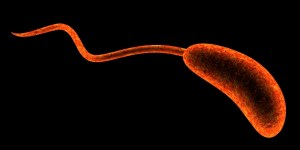
The Vibrio suitability tool (Vibrio map viewer) shows the environmental suitability for Vibrio growth in the Baltic Sea. It is a near real-time model that uses daily updated remote sensing data to examine worldwide environmental conditions, such as sea surface temperature and salinity for Vibrio spp.. The model used for the Vibrio viewer has been calibrated to the Baltic Region in Northern Europe and might not apply to other worldwide settings prior to validation.

Infections caused by Vibrio species other than V. cholerae can be serious, particularly for immunocompromised persons. However, the overall occurrence is low despite an increase having recently been observed in northern Europe.

ECDC monitors Vibrio growth in the Baltic Sea during the summer. If and when the risk of Vibrio growth is determined as medium or above, notifications are reported in the weekly threats reports (CDTR). The original viewer is available on the ECDC website: https://geoportal.ecdc.europa.eu/vibriomapviewer

Research – Aflatoxins Contamination in Raw and Roasted Cashew nuts in Mtwara, Tanzania

AJMR

The aim of this work was to determine the contamination levels of raw and roasted cashew nuts sold in Masasi and Newala districts of Mtwara region in Tanzania. A total of 60 samples including 40 roasted (24 samples from Newala and 16 from Masasi) and 20 raw samples (12 from Newala and 8 from Masasi) were collected. Determination of total aflatoxins levels in raw and roasted cashew nuts samples was carried out by immune affinity high performance liquid chromatography (HPLC). The levels of contamination ranged from not detected (less than Limit of Quantification) to 3.29 µg/kg for both aflatoxin B1 and total aflatoxin in the cashew nuts samples. None of the samples had total aflatoxins contamination greater than the recommended maximum residues of 4 µg/kg set by European Commission (2010) or 10 µg/kg set by FAO and WHO (1995). About a quarter (38%) of the samples had total aflatoxins less than limit of quantification. All roasted cashew nut samples were found to have total aflatoxins less than 3 µg/kg while about 86% of raw cashew nut samples had total aflatoxins less than 3 µg/kg.

Research – Examining the Effect of Organic Acids on Inactivation of Hepatitis E Virus

Journal of Food Protection

Infection with hepatitis E virus genotype 3 (HEV-3) is an emerging cause of illness in developed countries. In North America and Europe, HEV-3 has been increasingly detected in swine, and exposure to pigs and pork products is considered the primary source of infection. We have previously demonstrated the prevalence of the HEV-3 genome in commercial pork products in Canada. In this study, we investigated the application of citric acid and acetic acid to inactivate HEV-3 on food and on food-contact surfaces. For this purpose, plastic, stainless steel and pork pâté surfaces were inoculated with HEV-3 and were treated with acetic acid or citric acid at 1%, 3%, or 5%. The infectivity of post treatment viral particles was determined by cell culture. A greater than 2-log reduction in viral infectivity was observed on plastic and stainless steel treated with the organic acids, but the treatment was much less effective on HEV infectivity on pork pâté (average reductions of 0.47 log citric acid, and 0.63 log acetic acid). Therefore, we conclude that citric acid and acetic acid have potential application to control HEV-3 on food contact surfaces, but are not suitable for food.

Research Paper Sunlight Parameters Influence the Survival and Decline of Salmonella and Escherichia coli in Water

Journal of Food Protection

The effect of variations in temperature, ultraviolet (UV) radiation, and sunlight intensity on generic Escherichia coli , E. coli O157:H7, Salmonella Newport and antibiotic resistant (ABR) variants of E. coli O157:H7 and S . Newport exposed to sunlight was evaluated. Bacterial strains suspended in sterile deionized water at a concentration of 8 log CFU/ml were exposed to sunlight on three different days for 180 min; control treatments were stored in the dark. The mean temperature of 30.08 and 26.57℃ on day 1 and 3 were significantly different (p<0.05). The UV intensity was significantly different on all three days and sunlight intensity significantly differed on day 3 (p<0.05). Bacterial population decline positively correlated with temperature, sunlight and UV intensity. Differences in bacterial population declines differed among specie, antibiotic resistance (ABR) profile and day of exposure. (p<0.05). On days 1 and 2, the populations of generic E. coli dropped below the limit of detection (1 log CFU/ml) while the % of live cells was 67% and 6.6% respectively. The artificial neural network model developed to predict bacterial survival under different environmental conditions suggested that Salmonella cells were more resistant than E. coli . The ABR strains had significantly higher viable cells after sunlight exposure (p<0.05). Sunlight exposed cells resuscitated in TSB varied in maximum population density and maximum growth rate based on bacterial species and presence of antibiotic resistance. Morphological changes such as viable but non-culturable (VBNC) state transition and filament formation was detected in sub-populations of sunlight exposed bacteria. Daily fluctuations in UV and sunlight intensity can result in significant variations in bacterial decline and recovery.

USA – Leafy Greens STEC Action Plan

FDA

Leafy greens are among the most widely consumed vegetables and an important part of an overall healthy diet. However, while millions of servings are consumed safely every day, leafy greens have been repeatedly associated with illnesses caused by Shiga toxin-producing E. coli (STEC), the most common of which is E. coli O157:H7. FDA is committed to breaking this cycle of reoccurring outbreaks.

Over the last several years the FDA and partners in the public and private sectors have worked to enhance the safety of leafy greens through the development and implementation of the Leafy Greens STEC Action Plan (LGAP). This work includes prioritized inspections, focused sampling, stakeholder engagement and collaboration, data sharing, root cause investigations, and advancements in the science of detection and prevention.

Collectively, this work has expanded our body of knowledge about how and why outbreaks linked to leafy greens have occurred, which has guided and informed the evolution of the action plan over the years. Still, we know that we cannot fix the issue of leafy green contamination on our own. Industry leadership, along with collaboration among growers, processors, retailers, state partners, and the broader agricultural community, is critical to establishing needed prevention measures and preventing foodborne illness.

The following table provides the approaches for three priority areas: Prevention, Response, and Addressing Knowledge Gaps, as well as accomplishments that have been made since the action plan launched in March 2020.

Research – Transmission of Cryptosporidium by Fresh Vegetables

Journal of Food Protection

water contamination

Consumption of fresh fruits and vegetables is increasing thanks to the awareness to the benefits to human health. Vegetables may become contaminated by enteric pathogens (protozoan parasites, bacteria and viruses) by irrigation with contaminated water, fertilization with fresh animal manure or by infected food handlers. Cryptosporidium spp. are fecal-oral protozoan parasites, known to be highly persistent in the environment, which facilitate the transmission of the infectious oocysts. Efficient methods were developed for releasing and concentrating Cryptosporidium oocysts from leafy vegetables and sensitive and specific methods were applied for their enumeration. The aims of this review are to discuss the development and optimization of methods applied to release oocysts from leafy vegetables, the prevalence of Cryptosporidium oocysts on fresh leafy vegetables from various parts of the world and to discuss cryptosporidiosis outbreaks resulting from the consumption of leafy vegetables. Three solutions were used with comparable efficiency to release oocysts from leafy vegetables 1M glycine solution, 0.1% Alconox and filter elution buffer with an efficiency of 36.2%, 72.6% and 44%, respectively. The prevalence of Cryptosporidium oocysts was reported in developed as well as from developing countries, although simple detection methods were applied. Most of the cryptosporidiosis outbreaks were reported in developed countries, which can be related to their efficient surveillance system. Transmission of infectious pathogens, such as Cryptosporidium may be facilitated by fresh vegetables, which are imported and transferred from less developed to highly developed countries and consumed uncooked. Monitoring of Cryptosporidium oocysts by sensitive detection methods may enhance measures to prevent their transmission by freshly consumed vegetables.

Research – Influence of Different Stainless-Steel Finishes on Biofilm Formation by Listeria monocytogenes

Journal of Food Protection

Biofilm formation of L. monocytogenes on stainless steel, a widely used abiotic surface in the food processing industry was investigated, focusing on the attachment tendency and behavior of L. monocytogenes 08-5578 on eight different Stainless-steel surfaces: glass bead blasted (rough and fine), deburred (Timesaver), drum deburred, pickled, pickled and drum polished, electrolytic polished and cold rolled (untreated control). The aim was to see if there are finishes with significant lower bacterial attachment. Roughness properties (Ra, Rt, Rz, RSm; determined by interferometry) were also compared with number of adhering cells to detect possible correlations. Cultivation of L. monocytogenes biofilms was carried out using a CDC biofilm reactor (CBR) with 1% TSB set at 20°C for 4, 8, and 24 h. Additionally, a cultivation trial was run with continuous nutrient flow (1% TSB, 6.2 ml/min) for 24 h. Eight hour results showed significant difference ( P < 0.05) in biofilm cell counts in biofilms between the glass bead blasted surfaces (3.23 and 3.26 log CFU/cm 2 for the fine and rough, respectively) and deburred (Timesaver) surface (2.57 log CFU/cm 2 ); between drum deburred and deburred (Timesaver) surface (3.41 vs 2.57 log CFU/cm 2 ); between drum deburred and pickled surface (3.41 vs 2.77 log CFU/cm 2 ). Data gained after 4, 24 h and the additional 24 h continuous flow cultivation showed no significant difference in attachment among surfaces. No correlation between roughness data and attachment was found after all 4 incubation times, suggesting that roughness values, at these ranges, are insufficient in determining surfaces’ affinity to bacteria. This study suggests that roughness values cannot be used to predict the degree of L. monocytogenes attachment to a specific stainless steel surface.

Research – Incidence of Food Poisoning Outbreaks in Pahang, Malaysia, for Six-Year, from 2013 to 2018

Pertanika

The Food Safety and Quality Division (FSQD) in Malaysia is the competent authority tasked with ensuring food safety throughout the food supply chain within the country. Despite implementing various regulations toward improving food hygiene standards in Malaysia, outbreaks of food poisoning cases continued to occur in Malaysia. This cross-sectional study was designed to explore the occurrence of food poisoning incidents in Malaysia, within the Pahang state, from 2013 to 2018 via both reported passive case detection (PCD) and active case detection (ACD) food poisoning incidents. Upon detecting all the food poisoning cases using both PCD and ACD, the people identified to have suffered from food poisoning underwent a structured interview for investigators to elicit all relevant information about the food poisoning incident. Results showed that in Pahang, the number of reported episodes fluctuated from 2013 until 2018, with an average of 21 food poisoning episodes occurring yearly, reaching a maximum in August and a minimum in May. Furthermore, Kuantan, being the state capital, had reported an exceptionally high total number of reported incidents of food poisoning with a total of 48 episodes over six years from 2013 to 2018, while Kuala Lipis had only one incident reported during the same period (which was reported in 2016). Finally, this study concluded that adequate measures must always be taken to minimise the occurrence of food poisoning, especially when preparing foods in large quantities.

Research – USA – Summary of Possible Multistate Enteric (Intestinal) Disease Outbreaks in 2017–2020

CDC

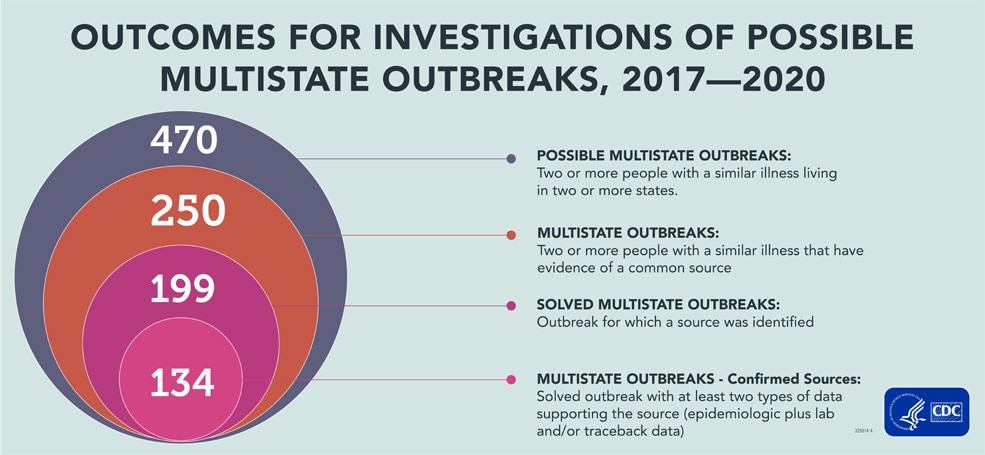
This analysis includes 470 possible multistate outbreak investigations during 2017–2020.