Feed Poultry – Salmonella from the Netherlands in Belgium
Salmonella in complete feed for dogs and cats from Belgium in France
Salmonella Senftenberg in soybean meal from the Netherlands in Belgium
Salmonella in fishmeal from France in Belgium

Feed Poultry – Salmonella from the Netherlands in Belgium
Salmonella in complete feed for dogs and cats from Belgium in France
Salmonella Senftenberg in soybean meal from the Netherlands in Belgium
Salmonella in fishmeal from France in Belgium
Posted in Animal Feed, Animal Feed Salmonella, Animal Feed Testing, Food Micro Blog, Food Microbiology Blog, microbial contamination, Microbial growth, Microbiological Risk Assessment, Microbiology, Microbiology Investigations, Microbiology Risk, Pet Food, Pet Food Salmonella, Pet Food Testing, RASFF, Salmonella, Salmonella Dog Food
The FDA has closed another mystery Salmonella outbreak with no resolution. The Salmonella outbreak that sickened at least 274 people has ended, and the investigation has been closed; no food source was identified. This is the 14th outbreak in the last year that has been unsolved by the FDA.
It’s unusual that with so many people sick, a food source could not be found. The pathogen responsible for those illnesses was Salmonella Typhimurium. The FDA did initiate traceback, and conducted sample collection and analysis, but couldn’t solve this mystery Salmonella outbreak.
Posted in food bourne outbreak, Food Illness, Food Micro Blog, Food Microbiology, Food Microbiology Blog, Food Microbiology Research, Food Microbiology Testing, Foodborne Illness, foodborne outbreak, foodbourne outbreak, Illness, microbial contamination, Microbial growth, Microbiological Risk Assessment, Microbiology, Microbiology Investigations, Microbiology Risk, outbreak, Salmonella
Investigated Illnesses and Outbreaks Table Update for Seafood Related Natural Toxin and Scombrotoxin Fish Poisoning
Table 1: Closed Illness and Outbreak Incidents is a list of investigations that were managed by FDA’s Seafood-Related Natural Toxin and Scombrotoxin Fish Poisoning Team for Fish Other Than Molluscan Shellfish. The listed incidents have been completed at this time.
The table is managed and updated when a significant number of illnesses have been investigated in a specific period of time or at least quarterly.
The table has been updated to illustrate additional information such as
The following FDA tracking numbers, and illness type have been added to the table:
The table may be found at: How to Report Seafood-Related Toxin and Scombrotoxin Fish Poisoning Illnesses | FDA
Posted in Decontamination Microbial, Food Micro Blog, Food Microbiology, Food Microbiology Blog, Food Microbiology Testing, Food Poisoning, Food Toxin, Marine Biotoxin, microbial contamination, Microbial growth, Microbiological Risk Assessment, Microbiology, Microbiology Investigations, Microbiology Risk, Poisoning, Scombroid, scombroid poisoning

In 2021, surveillance of Campylobacter infections confirmed the epidemiological and biological trends already observed in recent years. Specifically, the data shows:
The number of Campylobacter strains listed by the CNR has been increasing since 2013, the year in which the network’s laboratories introduced online data entry. By way of comparison, at European level, the trend in the number of Campylobacter infection notifications remained stable over the 2016-2020 period. This increase observed in France could be a reflection of a real increase in Campylobacter infections. However, several factors, such as the grouping of laboratories into technical platforms and the increasingly systematic use of multiplex PCR (diagnostic tests that allow the presence of several targeted pathogens to be tested at the same time from the same sample) , facilitating the detection of Campylobacter sp , could have contributed to the increase in the number of strain isolations and therefore of the notification by the laboratories of the network over time.
Posted in Campylobacter, campylobacter coli, Campylobacter jejuni, Food Micro Blog, Food Microbiology, Food Microbiology Blog, Food Microbiology Research, Food Microbiology Testing, microbial contamination, Microbial growth, Microbiological Risk Assessment, Microbiology, Microbiology Investigations, Microbiology Risk
Whenever there is a good poisoning outbreak, odds are that the outbreak notice will include some information about how consumers can protect themselves against contaminated food. While it is illegal for companies to sell food contaminated with enough pathogens to make someone ill, it happens all the time. These 15 tips to avoid food poisoning may help.
Information in the Link Above
Posted in Food Micro Blog, Food Microbiology, Food Microbiology Blog, Food Microbiology Research, Food Microbiology Testing, Food Poisoning, Food Safety, Food Safety Alert, Food Safety Management, Food Safety Regulations, food safety training, microbial contamination, Microbial growth, Microbiological Risk Assessment, Microbiology, Microbiology Investigations, Microbiology Risk, Poisoning
Dining tables may present a risk to diners by transmitting bacteria and/or viruses. Currently, there is a lack of an environmental-friendly and convenient means to protect diners when they are sitting together. This investigation constructed far-UVC excimer lamps to disinfect dining-table surfaces. The lamps were mounted at different heights and orientations, and the irradiance on table surfaces was measured. The irradiation doses to obtain different inactivation efficiencies for Escherichia coli (E. coli) were provided. In addition, numerical modeling was conducted for irradiance and the resulting inactivation efficiency. The surface-to-surface (S2S) model was validated with the measured irradiance. The germicidal performance of far-UVC irradiation, the far-UVC doses to which diners were exposed, and the risk of exposure to the generated ozone were evaluated. The results revealed that an irradiation dose of 12.8 mJ/cm2 can disinfect 99.9% of E. coli on surfaces. By varying the lamp irradiance output, the number and positions of the lamps, the far-UVC irradiation can achieve a 3-log reduction for a dining duration of 5 min. Besides, the far-UVC lamp has a low damage risk to diners when achieving an effective inactivation rate. Moreover, there is virtually no ozone exposure risk in a mechanically ventilated dining hall.
Posted in Decontamination Microbial, E.coli, Food Micro Blog, Food Microbiology, Food Microbiology Blog, Food Microbiology Research, Food Microbiology Testing, Irradiation, microbial contamination, Microbial growth, Microbiological Risk Assessment, Microbiology, Microbiology Investigations, Microbiology Risk, UV Microbiology, UV-C
Posted in EHEC, Food Micro Blog, Food Microbiology, Food Microbiology Blog, Food Microbiology Research, Food Microbiology Testing, LAB, Lactobacillus, Lactobacillus plantarum, microbial contamination, Microbial growth, Microbiological Risk Assessment, Microbiology, Microbiology Investigations, Microbiology Risk, STEC, STEC E.coli
AbstractWe report two outbreaks of Salmonella associated with kebab shops in Canberra, Australian Capital Territory, detected through routine surveillance. The first consisted of 12 cases of Salmonella Agona, nine of whom reported eating chicken from the same kebab shop. The second consisted of two cases of Salmonella Virchow who both reported eating chicken from another (unrelated) kebab shop. Environmental investigations identified similar food safety issues at both businesses, includ-ing improper cleaning of kebab shaving equipment and serving cut rotisserie meat without further cooking. Environmental samples detected Salmonella genomically linked to the respective outbreak cases. These outbreaks highlight the importance of appropriate cleaning and sanitising of kebab shaving equipment and the use of a second cook step after kebab meat is shaved from the rotisserie.
Posted in food bourne outbreak, food contamination, food handler, Food Hazard, Food Hygiene, Food Inspections, Food Micro Blog, Food Microbiology, Food Microbiology Blog, Food Microbiology Research, Food Microbiology Testing, Food Pathogen, Food Safety, Food Safety Alert, Food Safety Management, Food Safety Regulations, foodborne outbreak, foodbourne outbreak, microbial contamination, Microbial growth, Microbiological Risk Assessment, Microbiology, Microbiology Investigations, Microbiology Risk, outbreak
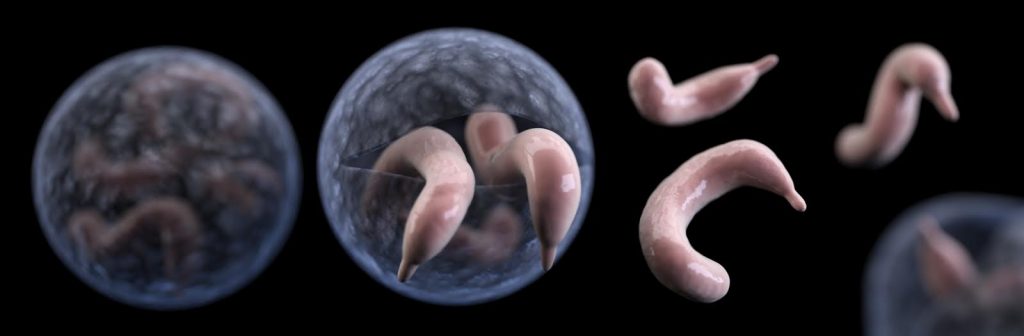
Cryptosporidium had been detected in the public water supply in Fermoy in November last year
The public water supply to the north Cork town of Fermoy could be at risk and placed on a list of water treatment plants needing corrective action, according to the State environmental watchdog.
The Environmental Protection Agency has warned Irish Water that Fermoy’s water treatment plant could be placed on its Remedial Action List which would require the utility to complete an action programme to address problems with the supply.
It follows an audit by EPA inspectors carried out on the facility last November to check if it was providing clean and wholesome water to households and businesses.
Posted in Boil Water Notice, Contaminated water, Cryptosporidiosis, Cryptosporidium, Food Micro Blog, Food Microbiology Blog, Food Microbiology Research, microbial contamination, Microbial growth, Microbiological Risk Assessment, Microbiology, Microbiology Investigations, Microbiology Risk, Parasite, Water, water microbiology, Water Safety
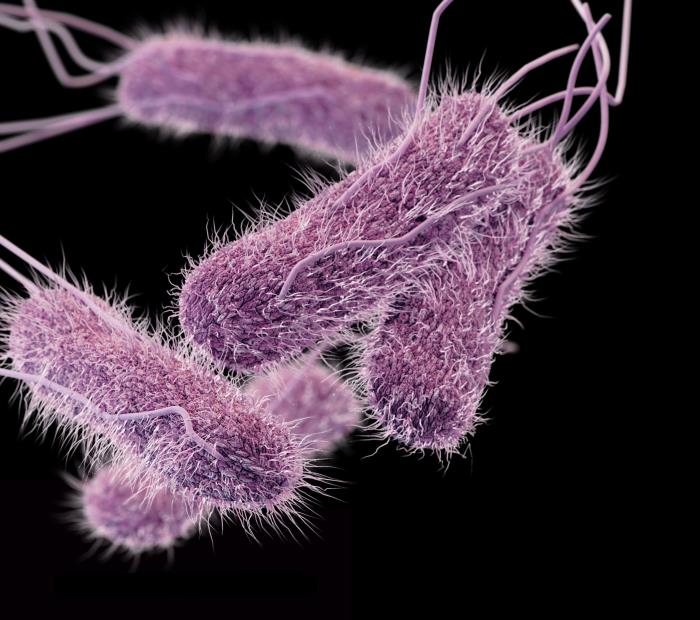
Salmonella are food-borne pathogens that infect millions of people a year. To do so, these bacteria depend on a complex network of genes and gene products that allow them to sense environmental conditions. In a new paper, researchers have investigated the role of small RNAs that help Salmonella express their virulence genes.
The bacteria infect humans by first invading the cells of the intestine using a needle-like structure, called a type 3 secretion system. This structure injects proteins directly into the cells, setting off a cascade of changes that cause inflammation, and ultimately cause diarrhea. The genes that encode this system, and other genes that are needed for invasion, are found on a region of DNA known as the Salmonella pathogenicity island 1.


