Category Archives: Giardia

Research – Most major pathogens see an increase in Ireland

Food Safety News

The number of E. coli, Salmonella, Campylobacter, and Listeria infections has gone up in Ireland, according to 2022 data from the Health Protection Surveillance Centre (HPSC).

During the COVID-19 pandemic, reporting rates for giardiasis, listeriosis, norovirus, rotavirus, salmonellosis, shigellosis, and toxoplasmosis in Ireland decreased compared to pre-pandemic levels. Still, rates for campylobacteriosis, cryptosporidiosis, E. coli, and yersiniosis increased or remained unchanged. In 2022, most of these diseases returned to or remained at pre-pandemic levels.

A 2021 cyber-attack at the Health Service Executive (HSE) also affected data validation and collection, reporting of enhanced data variables, and outbreak notification.

Research – ECDC – Giardiasis – Annual Epidemiological Report 2018

ECDC

In 2018, 21 049 confirmed giardiasis cases were reported in the EU/EEA. The EU/EEA notification rate was 5.6 cases per 100 000 population. The highest notification rates were reported in Belgium, Bulgaria and Sweden. The highest notification rate per 100 000 population was observed in the age group 0–4 years (17.2 for males and 14.4 for females). While the EU/EEA notification rate was stable from 2014 to 2018, the annual number of cases has increased steadily.

Research – Flood-Associated, Land-to-Sea Pathogens’ Transfer: A One Health Perspective

MDPI

Similarly to many other countries across the globe, several floods have been recorded in Italy throughout the last few decades, including those of catastrophic magnitude that occurred in the Emilia-Romagna and Tuscany regions last May and a few weeks ago, respectively. This, once again, underscores the increasingly growing probability, in the current “Anthropocene Epoch”, of global warming-related, extreme weather phenomena. Indeed, the last 8 years (2015–2022) have been characterized by the highest average temperatures ever recorded on Earth throughout the last 140 years [1].
How can we imagine to stay healthy in a sick world?”, Pope Francis wrote three years ago in his missive addressed to the President of Columbia on the “2020 World Environment Day”, while the COVID-19 pandemic was dramatically affecting the entire world, with SARS-CoV-2 likely representing a clear-cut example of a climate change-driven pathogen spillover from bats to humans [2].
Within such a challenging and alarming scenario, the land-to-sea transfer of a huge (and progressively increasing) number of infectious agents appears to be a matter of relevant concern [3,4]. This especially applies to bacterial microorganisms shed into the external environment via the fecal route, such as Salmonella spp., Escherichia coliVibrio cholerae and Listeria monocytogenes, alongside protozoan pathogens like Toxoplasma gondii and/or viral agents like the one causing hepatitis A and, last but not least, the pandemic SARS-CoV-2 betacoronavirus. As a matter of fact, evidence of viral fecal shedding has been documented for a median duration of 22 days in 59% of subjects from a cohort of SARS-CoV-2-infected patients in China [5]. Once transferred into sea and ocean waters by flood-derived mud and debris, fecally excreted microbial pathogens may be ingested by edible bivalve mollusks like mussels, an organism in which a single individual is able to filter over 100 liters of water on a daily basis, thus potentially hosting inside its body tissues significant amounts of biological and chemical environmental pollutants [6]. Within this context, it is worth mentioning a V. cholerae infection outbreak linked to the consumption of raw, non-sterilized mussels which diffusely involved the human population from the cities of Naples and Bari during the summer and early autumn months of 1973 [7]. Moreover, the land-to-sea transfer of infectious agents may additionally involve free-ranging cetaceans, whose health and conservation status appear to be increasingly threatened by a long and progressively expanding list of both natural and anthropogenic factors. This holds particularly true for “inshore” species like bottlenose dolphins (Tursiops truncatus), which are more prone to acquire infections caused by “terrestrial” pathogens like T. gondii [8] while being simultaneously able to accumulate and “biomagnify” inside their body tissues consistent amounts of human-made, persistent, immunotoxic, neurotoxic and endocrine-disrupting environmental pollutants, based upon their well-known position of “apex predators” within the marine and oceanic food chains. Furthermore, the proven capability of micro-nanoplastics—exceedingly contaminating global seawaters—to behave as “attractors and concentrators” for the aforementioned anthropogenic xenobiotics should also be taken into serious account, together with the demonstrated interaction of micro-nanoplastics in marine and oceanic ecosystems with zoonotic protozoan pathogens like T. gondiiCryptosporidium parvum and Giardia enterica [9]. This scenario, which already appears to be quite intricate and complex by itself, is made even more alarming by the fact that micro-nanoplastics may also host and carry a wide range of antibiotic-resistant bacteria, from which an active and powerful exchange of antimicrobial resistance genes may additionally occur, through horizontal gene transfer, with several environmental bacterial species colonizing the same plastic substrates [10].

Research – How to deal with food poisoning while traveling—and how to avoid it altogether

National Geographic

Some countries have a reputation for putting travelers at a higher risk for gastrointestinal illnesses. But you can get sick from an improperly handled meal anywhere in the world.

Pad thai from a Bangkok street vendor or raw milk cheese from a bistro in France taste delicious in the moment. But for many travelers, the local dishes that make trips meaningful sometimes give them food poisoning—and the wrong sort of vacation memories.

By some metrics, gastrointestinal infections related to food or water affect 30 to 70 percent of all travelers during or immediately after their trips, according to a 2015 study in BMJ Clinical Evidence. Each year, one in six Americans and nearly one in 10 people worldwide suffer from such illnesses caused by bacteria (E. coli, salmonella, listeria), viruses (norovirus, hepatitis A), or parasites (giardiasis, roundworms, tapeworms).

Lower-income countries have a reputation for putting travelers at a higher risk for food poisoning, but people are just as likely to be sickened from an improperly handled meal in Italy or Australia—or from some sushi at their local supermarket.

Here’s why people get food poisoning, what to do if it strikes, and how to (maybe) prevent it, read at the link above.

ECDC – Giardiasis (lambliasis) – Annual Epidemiological Report for 2019

ECDC

Giardia

In 2019, 18 004 confirmed giardiasis cases were reported in the EU/EEA. The EU/EEA notification rate was 5.2 cases per 100 000 population. The highest notification rates were reported in Belgium and Bulgaria. The EU/EEA notification rate was stable in the period 2015–2018, with a drop in 2019, the reasons for which have yet to be determined. The highest notification rate per 100 000 population was observed in the age group 0–4 years (16.5 for males and 15.0 for females).

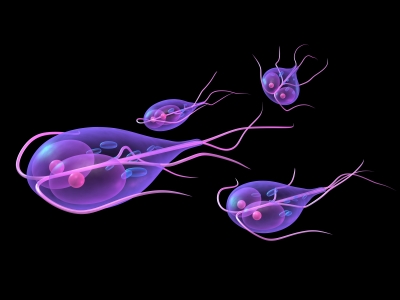
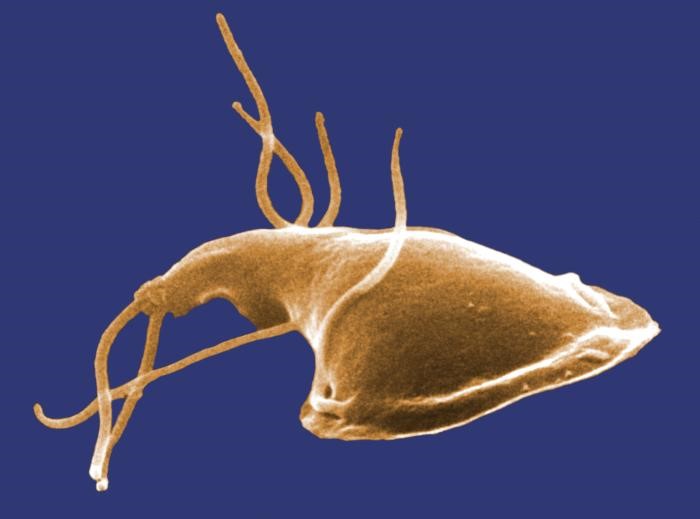
Giardiasis is a common parasitic infection worldwide, caused by the protozoan Giardia lamblia (syn. G. duodenalis, G. intestinalis). The disease may be asymptomatic and self-limiting, or characterised by fatigue, bloating, acute diarrhoea and other chronic gastrointestinal symptoms. Infection occurs frequently via ingestion of cysts found in contaminated water (water-themed recreational activities, swimming pools or drinking water) or food, but person-to-person transmission may also occur, e.g. through sexual transmission.

Click to access giardiasis-%20annual-epidemiological-report-2019_0.pdf

Ireland – Wexford boil water notice impacting over 25,000 people could remain until middle of next week – Giardia

Independant

A boil water notice impacting over 25,000 people on the Wexford town public water supply could remain in place until the middle of next week.

Wexford County Council and Irish Water made the decision to implement the boil water notice with immediate effect on Wednesday evening, after samples taken from the Newtown Road Treatment Plant in town showed a detection of Giardia.

An emergency consultation with the HSE followed and the local authority took the decision to implement a boil water notice for an area covering the vast majority of Wexford town and right out as far as Taghmon.

The authorities say that they took the action “to protect the health of consumers” across Wexford. The consumption of water containing Giardia can cause diarrhoea, extreme abdominal cramps and gas. It is unclear if there’s been any official reports of people ill as a result of consuming the water, however, a few posted on social media complaining of these types of symptoms.

Research – Survey of the occurrence of Giardia duodenalis cysts and Cryptosporidium spp. oocysts in green leafy vegetables marketed in the city of Valencia (Spain)

Science Direct

Abstract

The role of vegetables usually consumed without prior culinary treatment is known to contribute to the prevalence of foodborne diseases. Cysts and oocysts can contaminate food, which can then be the source of infection in humans. The aim of the study was to assess the occurrence of Giardia duodenalis and Cryptosporidium spp. (oo)cysts in green leafy vegetables marketed in the city of Valencia (Spain) combining parasitological methods, two real-time qPCRs and light microscopy. An experimental field study was conducted on 129 vegetable samples, 64 from conventional farms and 65 from ecological (organic) farms. The samples were washed with water, and the resulting solution after removing the vegetables, was subjected to 24-hour sedimentation. The concentrated sediment was used for the search for protozoa. A positive result by both real-time PCRs, or a positive result by one qPCR and confirmation by microscopy was established as a positivity criterion. Giardia duodenalis was detected in 23.0 % of the samples, and Cryptosporidium spp. in 7.8 %. G. duodenalis (41.5 %) and Cryptosporidium spp. (20.0 %) were more frequent in ecological crops. The high level of contamination detected in organic vegetables may be due to the type of fertilizers and the quality of the water used for their irrigation and reinforces the need to take extreme hygiene measures in vegetables that are consumed raw.

Research – Pathogens can hitch a ride on plastic to reach the sea

Phys Org

Microplastics are a pathway for pathogens on land to reach the ocean, with likely consequences for human and wildlife health, according to a study from the University of California, Davis.

The study, published April 26 in the journal Scientific Reports, is the first to connect microplastics in the ocean with land-based pathogens. It found that microplastics can make it easier for disease-causing pathogens to concentrate in plastic-contaminated areas of the ocean.

The pathogens studied—Toxoplasma gondii, Cryptosporidium (Crypto) and Giardia—can infect both humans and animals. They are recognized by the World Health Organization as underestimated causes of illness from shellfish consumption and are found throughout the ocean.

“It’s easy for people to dismiss plastic problems as something that doesn’t matter for them, like, ‘I’m not a turtle in the ocean; I won’t choke on this thing,'” said corresponding author Karen Shapiro, an infectious disease expert and associate professor in the UC Davis School of Veterinary Medicine. “But once you start talking about disease and health, there’s more power to implement change. Microplastics can actually move germs around, and these germs end up in our water and our food.”

UK – Estimating deaths from foodborne disease in the UK for 11 key pathogens

NCBI

Objective

To estimate the number of deaths from foodborne disease in the UK from 11 key pathogens.

Design

Four different models were developed using data from a range of sources. These included enhanced surveillance, outbreaks, death certificates and hospital episode statistics data. For each model, median estimates were produced with 95% credible intervals (CrI). The results from the different models were compared.

Results

The estimates for foodborne deaths for each pathogen from the different models were consistent, with CrIs largely overlapping. Based on the preferred model for each pathogen, foodborne norovirus is estimated to cause 56 deaths per year (95% CrI 32 to 92), foodborne Salmonella 33 deaths (95% CrI 7 to 159), foodborne Listeria monocytogenes 26 deaths (95% CrI 24 to 28), foodborne Clostridium perfringens 25 deaths (95% CrI 1 to 163) and foodborne Campylobacter 21 deaths (95% CrI 8 to 47). The considerable overlap in the CrIs means it is not possible to make any firm conclusions on ranking. Most of these deaths occur in those aged over 75 years. Foodborne deaths from ShigellaCryptosporidiumGiardia, adenovirus, astrovirus and rotavirus are all rare.

Conclusions

We estimate that there are 180 deaths per year in the UK (95% CrI 113 to 359) caused by foodborne disease based on these 11 pathogens. While this is a small fraction of the estimated 2.4 million cases of foodborne illness per year it still illustrates the potential severity of these illnesses demonstrating the importance in continuing efforts to reduce these infections.

Keywords: infectious disease, CampylobacterSalmonella

Summary box

What is already known about this subject?

  • Foodborne disease is a common illness in the UK.

  • Previous research has estimated that there are 566 000 cases, 74 000 general practitioner presentations and 7600 hospital admissions related to foodborne disease from 13 known pathogens in UK; no estimate was made for deaths.

  • Campylobacter and norovirus are the most common foodborne pathogens in the UK.

  • Other common foodborne pathogens include Clostridium perfringens and Salmonella.

What are the new findings?

  • This study provides updated estimates of deaths for each of the 11 key foodborne pathogens considered; in total, these 11 pathogens cause 180 deaths per year in the UK (95% credible interval (CrI) 113 to 359).

  • Among them, Campylobacter, C. perfringens, Listeria monocytogenes, Salmonella and norovirus pathogens are responsible for over 98% of these deaths.

  • Ranking between these five is difficult due to overlapping CrIs.

How might it impact on clinical practice in the foreseeable future?

  • This highlights the potential severity of Salmonella, L. monocytogenesC. perfringensCampylobacter and norovirus, particularly in comparison with other infectious intestinal diseases that have a food source.

Research – Is Fresh Produce in Tigray, Ethiopia a Potential Transmission Vehicle for Cryptosporidium and Giardia?

MDPI

CDC Giardia2

In rural Ethiopia, where people often share their homes with their livestock, infections of humans and animals with Cryptosporidium and Giardia are relatively common. One possible transmission route is consumption of contaminated fresh produce; this study investigated the occurrence of Cryptosporidium and Giardia in fresh produce in four districts of rural Tigray in Ethiopia. Fresh produce samples (n = 55) were analysed using standard laboratory procedures. Overall, 15% (8/55) of samples were found to be contaminated. Although contamination levels were mostly low, a few samples had high numbers of Giardia cysts (up to around 70 cysts per 30 g sample). Molecular analyses were largely unsuccessful, but Giardia Assemblage A was identified in one sample. Contamination with these parasites was identified in two of the four districts, but, although a similar pattern has already been described for water contamination, this may be at least partially explained by sampling bias. Nevertheless, we speculate that access to clean water sources may be an important factor for reducing the occurrence of these pathogens. Given the public health and veterinary burden associated with both parasites, the factors which are of importance for their circulation in the communities and environments deserve further investigation. View Full-Text