Science Direct
Abstract
National burden of foodborne disease (FBD) studies are useful for risk ranking and identifying priorities for food safety resource allocation. FBD are caused by microbiological and chemical hazards, which have different incidence and mortality, and lead to health-outcomes varying in severity and duration. Due to their different origins and characteristics, distinct prevention strategies can be implemented. We present the Danish initiative to estimate the burden of FBD caused by pathogens and chemicals. We describe the methodological approaches and data used, present an overview of results for the reference year 2019, and discuss lessons learned throughout more than seven years of the project. Our estimates show that the leading causes of FBD in Denmark include both pathogens and chemicals, suggesting that food safety strategies should be diversified to tackle different issues. The experiences with this national study are useful for other countries planning to implement a burden of FBD study.
Posted in Decontamination Microbial, Food Micro Blog, Food Microbiology, Food Microbiology Blog, Food Microbiology Research, Food Microbiology Testing, foodborne disease, microbial contamination, Microbial growth, Microbial Spoilage, Microbiological Risk Assessment, Microbiology
Gov france

- Product category Feed
- Product subcategory Meats
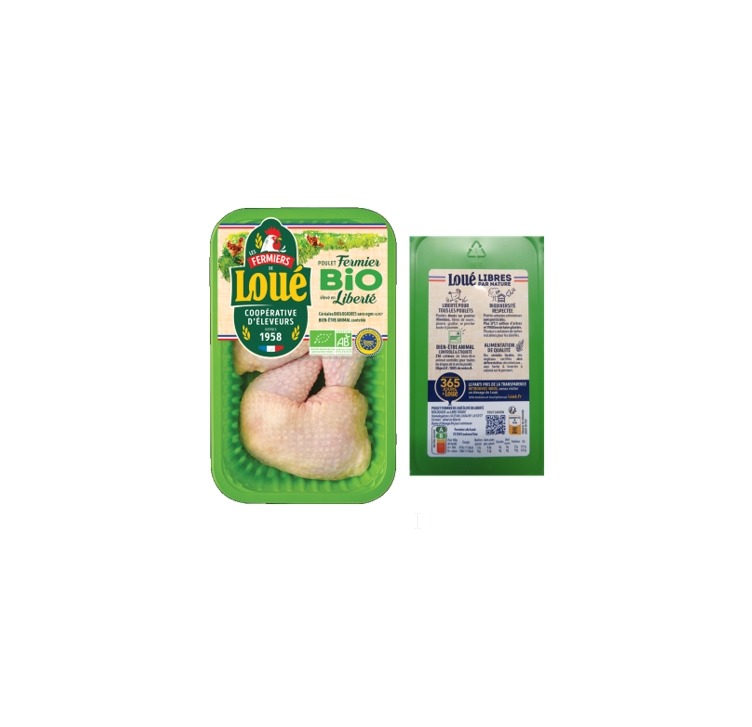
- Product brand name ORGANIC LOUE
- Model names or references BQ OF 2 ORGANIC CHICKEN LEGS BQ OF 1 ORGANIC CHICKEN LEGS
- Identification of products
| GTIN |
Batch |
Date |
| 3266980638795 |
2023086098 |
Use-by date 07/20/2023 |
| 3266980020392 |
2023086098 |
Use-by date 07/19/2023 |
- Products List Traça_CSE_BIO_SAT_2023086098_Products.pdfAttachment
- Packaging UNDER A PROTECTIVE ATMOSPHERE
- Marketing start/end date From 05/07/2023 to 20/07/2023
- Storage temperature Product to be stored in the refrigerator
- Health mark EN 72.168.001 EC
- Geographic area of sale Whole France
- Distributors CARREFOUR, CARREFOUR MARKET, LECLERC, INTERMARCHE, REWE, BISCHOFF,
- List of points of sale Traça_CSE_BIO_SAT_2023086098_Clients.pdf
Posted in food contamination, food handler, Food Hazard, Food Hygiene, Food Inspections, Food Micro Blog, Food Microbiology, Food Microbiology Blog, Food Microbiology Testing, Food Pathogen, Food Quality, food recall, Food Safety, Food Safety Alert, Food Safety Management, Food Safety Regulations, Food Testing, foodborne disease, Listeria, Listeria France, Listeria monocytogenes
LMW
Alert type: Groceries
Date of first publication: 07/26/2023
Packaging Unit: 150g, 250g, 800g, 1kg
Durability: BBD between 07/17/2023 and 08/04/2023
Lot identification: Batch: 23R135
Posted in food contamination, food handler, Food Hazard, Food Hygiene, Food Inspections, Food Micro Blog, Food Microbiology, Food Microbiology Blog, Food Pathogen, Food Quality, food recall, Food Safety, Food Safety Alert, Food Safety Management, Food Safety Regulations, foodborne disease, Listeria, Listeria monocytogenes
MDPI
Abstract
Despite the recent advances in food preservation techniques and food safety, significant disease outbreaks linked to foodborne pathogens such as bacteria, fungi, and viruses still occur worldwide indicating that these pathogens still constitute significant risks to public health. Although extensive reviews of methods for foodborne pathogens detection exist, most are skewed towards bacteria despite the increasing relevance of other pathogens such as viruses. Therefore, this review of foodborne pathogen detection methods is holistic, focusing on pathogenic bacteria, fungi, and viruses. This review has shown that culture-based methods allied with new approaches are beneficial for the detection of foodborne pathogens. The current application of immunoassay methods, especially for bacterial and fungal toxins detection in foods, are reviewed. The use and benefits of nucleic acid-based PCR methods and next-generation sequencing-based methods for bacterial, fungal, and viral pathogens’ detection and their toxins in foods are also reviewed. This review has, therefore, shown that different modern methods exist for the detection of current and emerging foodborne bacterial, fungal, and viral pathogens. It provides further evidence that the full utilization of these tools can lead to early detection and control of foodborne diseases, enhancing public health and reducing the frequency of disease outbreaks.
Posted in Bacterial Toxin, Decontamination Microbial, Food Micro Blog, Food Microbiology, Food Microbiology Blog, Food Microbiology Research, Food Microbiology Testing, Food Pathogen, Food Toxin, Food Virus, foodborne disease, Foodborne Illness, foodborne outbreak, foodbourne outbreak, microbial contamination, Microbial growth, Microbiological Risk Assessment, Microbiology, Microbiology Investigations, Microbiology Risk, Mycotoxin, Pathogen, pathogenic
MDPI
Abstract
Insects play a key role in European agroecosystems. Insects provide important ecosystem services and make a significant contribution to the food chain, sustainable agriculture, the farm-to-fork (F2F) strategy, and the European Green Deal. Edible insects are regarded as a sustainable alternative to livestock, but their microbiological safety for consumers has not yet been fully clarified. The aim of this article is to describe the role of edible insects in the F2F approach, to discuss the latest veterinary guidelines concerning consumption of insect-based foods, and to analyze the biological, chemical, and physical hazards associated with edible insect farming and processing. Five groups of biological risk factors, ten groups of chemical risk factors, and thirteen groups of physical risks factors have been identified and divided into sub-groups. The presented risk maps can facilitate identification of potential threats, such as foodborne pathogens in various insect species and insect-based foods. Ensuring safety of insect-based foods, including effective control of foodborne diseases, will be a significant milestone on the path to maintaining a sustainable food chain in line with the F2F strategy and EU policies. Edible insects constitute a new category of farmed animals and a novel link in the food chain, but their production poses the same problems and challenges that are encountered in conventional livestock rearing and meat production.
Posted in Decontamination Microbial, Food Micro Blog, Food Microbiology, Food Microbiology Blog, Food Microbiology Research, Food Microbiology Testing, foodborne disease, Foodborne Illness, foodborne outbreak, foodbourne outbreak, microbial contamination, Microbial growth, Microbiological Risk Assessment, Microbiology Investigations
Food Safety News
The World Health Organization (WHO) has called for help as part of work to estimate the burden of foodborne disease.
WHO is seeking support from independent consultants or groups of experts with relevant experience to undertake systematic reviews and other studies on foodborne illness. The process is part of collecting and assessing available evidence.
One call is for the review and evidence synthesis of diarrheal diseases and deaths caused by 14 pathogens commonly transmitted by food. The other covers global expert elicitation for attribution of burden of disease to foodborne transmission and to specific foods.
The WHO Foodborne Disease Burden Epidemiology Reference Group (FERG) was reconvened in May 2021 to update global estimates published in 2015. This group has already met three times in July and October 2021, and April 2022. A new report is expected in 2025.
Posted in Decontamination Microbial, Food Micro Blog, Food Microbiology, Food Microbiology Blog, Food Microbiology Research, Food Microbiology Testing, foodborne disease, Foodborne Illness, Foodborne Illness Death, foodborne outbreak, foodbourne outbreak, microbial contamination, Microbiological Risk Assessment, Microbiology, Microbiology Investigations, Microbiology Risk, Research
MDPI
Background: Foodborne diseases are a growing public health problem and contribute significantly to the global burden of disease and mortality. Bacteria are the most common foodborne pathogens. We aimed to explore characteristics of bacterial foodborne disease outbreaks (FBDOs) in Zhejiang Province and to provide data support for foodborne disease prevention and control. Methods: Descriptive statistical methods were used to analyze the data reported by centers for disease control (CDCs) at all levels in Zhejiang Province through Foodborne Disease Outbreaks Surveillance System (FDOSS) during 2010–2020. Results: CDCs in Zhejiang Province reported 517 bacterial FBDOs in 11 years, resulting in 7031 cases, 911 hospitalizations, and 3 deaths. Vibrio parahaemolyticus had the highest number of outbreaks, accounting for 58.41% of the total bacterial outbreaks, followed by Salmonella (18.38%). In all settings, restaurants (37.14%), staff canteens (11.99%), and households (11.80%) were responsible for the large number of outbreaks. Aquatic products (42.08%), meat and meat products (23.56%), cereals (10.81%), and flour products (9.27%) were the most common single foods reported. Further analysis showed that the settings and food vehicles of outbreaks caused by different pathogens were different. Conclusions: Bacterial outbreaks are the most common type of FBDOs in Zhejiang Province. By analyzing the epidemiological characteristics of common pathogenic bacteria, we can identify the etiology, food, and setting that the government needs to focus on, and issue relevant targeted policies to reduce the number of FBDOs. View Full-Text
Posted in Decontamination Microbial, Food Micro Blog, Food Microbiology, Food Microbiology Blog, Food Microbiology Research, Food Microbiology Testing, foodborne disease, Foodborne Illness, foodborne outbreak, foodbourne outbreak, microbial contamination, Microbiological Risk Assessment, Microbiology, Microbiology Investigations, Microbiology Risk, Research, Salmonella
Food Safety News
E. coli O103, one of the more rare Shiga-toxin producing E. coli, sickened patients at two Victoria, British Columbia, hospitals last April. The Vancouver Island outbreak is now the subject of a study on food safety for high-risk products prepared for vulnerable populations.
Based on confirmed E. coli O103 cases reported to the Island Health infectious disease unit, whole-genome sequencing was used in the case study. The Canada Communicable Disease Report (CCDR) published the study in its January 2022 edition.
The Victoria outbreak identified six confirmed E.coli O103 cases, with 67 percent being female and a medium age of 61. All were inpatients or outpatients at the two hospitals. All consumed raw minced celery sandwiches prepared by the hospital food services.
Posted in E.coli O103, food bourne outbreak, food contamination, food handler, Food Hazard, Food Hygiene, Food Inspections, Food Micro Blog, Food Microbiology, Food Microbiology Blog, Food Microbiology Testing, Food Pathogen, Food Poisoning, food recall, Food Safety, Food Safety Alert, Food Testing, Food Toxin, foodborne disease, Foodborne Illness, foodborne outbreak, foodbourne outbreak, STEC, STEC E.coli
NCBI

Objective
To estimate the number of deaths from foodborne disease in the UK from 11 key pathogens.
Design
Four different models were developed using data from a range of sources. These included enhanced surveillance, outbreaks, death certificates and hospital episode statistics data. For each model, median estimates were produced with 95% credible intervals (CrI). The results from the different models were compared.
Results
The estimates for foodborne deaths for each pathogen from the different models were consistent, with CrIs largely overlapping. Based on the preferred model for each pathogen, foodborne norovirus is estimated to cause 56 deaths per year (95% CrI 32 to 92), foodborne Salmonella 33 deaths (95% CrI 7 to 159), foodborne Listeria monocytogenes 26 deaths (95% CrI 24 to 28), foodborne Clostridium perfringens 25 deaths (95% CrI 1 to 163) and foodborne Campylobacter 21 deaths (95% CrI 8 to 47). The considerable overlap in the CrIs means it is not possible to make any firm conclusions on ranking. Most of these deaths occur in those aged over 75 years. Foodborne deaths from Shigella, Cryptosporidium, Giardia, adenovirus, astrovirus and rotavirus are all rare.
Conclusions
We estimate that there are 180 deaths per year in the UK (95% CrI 113 to 359) caused by foodborne disease based on these 11 pathogens. While this is a small fraction of the estimated 2.4 million cases of foodborne illness per year it still illustrates the potential severity of these illnesses demonstrating the importance in continuing efforts to reduce these infections.
Keywords: infectious disease, Campylobacter, Salmonella
What is already known about this subject?
-
Foodborne disease is a common illness in the UK.
-
Previous research has estimated that there are 566 000 cases, 74 000 general practitioner presentations and 7600 hospital admissions related to foodborne disease from 13 known pathogens in UK; no estimate was made for deaths.
-
Campylobacter and norovirus are the most common foodborne pathogens in the UK.
-
Other common foodborne pathogens include Clostridium perfringens and Salmonella.
What are the new findings?
-
This study provides updated estimates of deaths for each of the 11 key foodborne pathogens considered; in total, these 11 pathogens cause 180 deaths per year in the UK (95% credible interval (CrI) 113 to 359).
-
Among them, Campylobacter, C. perfringens, Listeria monocytogenes, Salmonella and norovirus pathogens are responsible for over 98% of these deaths.
-
Ranking between these five is difficult due to overlapping CrIs.
How might it impact on clinical practice in the foreseeable future?
-
This highlights the potential severity of Salmonella, L. monocytogenes, C. perfringens, Campylobacter and norovirus, particularly in comparison with other infectious intestinal diseases that have a food source.
Posted in Adenovirus, Astrovirus, Campylobacter, Clostridium, Clostridium perfringens, Cryptosporidium, Death, food contamination, food death, food handler, Food Hazard, Food Hygiene, Food Illness, Food Inspections, Food Micro Blog, Food Microbiology, Food Microbiology Blog, Food Microbiology Research, Food Microbiology Testing, Food Pathogen, Food Poisoning, Food Poisoning Death, Food Safety, Food Testing, Food Toxin, Food Virus, foodborne disease, Foodborne Illness, foodborne outbreak, foodbourne outbreak, Giardia, Illness, Listeria monocytogenes, Norovirus, Pathogen, pathogenic, Research, Rotavirus, Salmonella, Shigella
Food Poison Journal

The State of North Carolina notified Caldwell County this late afternoon about a confirmed case of Hepatitis A in an individual who works at KFC in Hudson.
According to state guidelines, transmission to patrons is unlikely, so vaccination for restaurant patrons is not recommended at this time.
“We are working closely with the restaurant, the State of North Carolina, and the CDC to ensure the health and safety of our community,” said Anna Martin, Caldwell County Public Health Director.
The individual diagnosed with Hepatitis A is being treated. Individuals who came in close contact with the patient have been notified.
The nation is experiencing a large Hepatitis A outbreak, and everyone is encouraged to check their Hepatitis A vaccination status. Anyone who wishes to be vaccinated for Hepatitis A can call the Caldwell County Health Department at 828-426-8400 for a vaccination appointment. The Health Department is open Monday through Friday 8 a.m.-5 p.m.
Posted in food bourne outbreak, food contamination, food handler, Food Hazard, Food Hygiene, Food Illness, Food Inspections, Food Micro Blog, Food Microbiology, Food Microbiology Blog, Food Microbiology Testing, Food Pathogen, food recall, Food Safety, Food Safety Alert, Food Testing, Food Virus, foodborne disease, Foodborne Illness, foodborne outbreak, foodbourne outbreak, Norovirus, outbreak, Virus