Category Archives: Food Poisoning

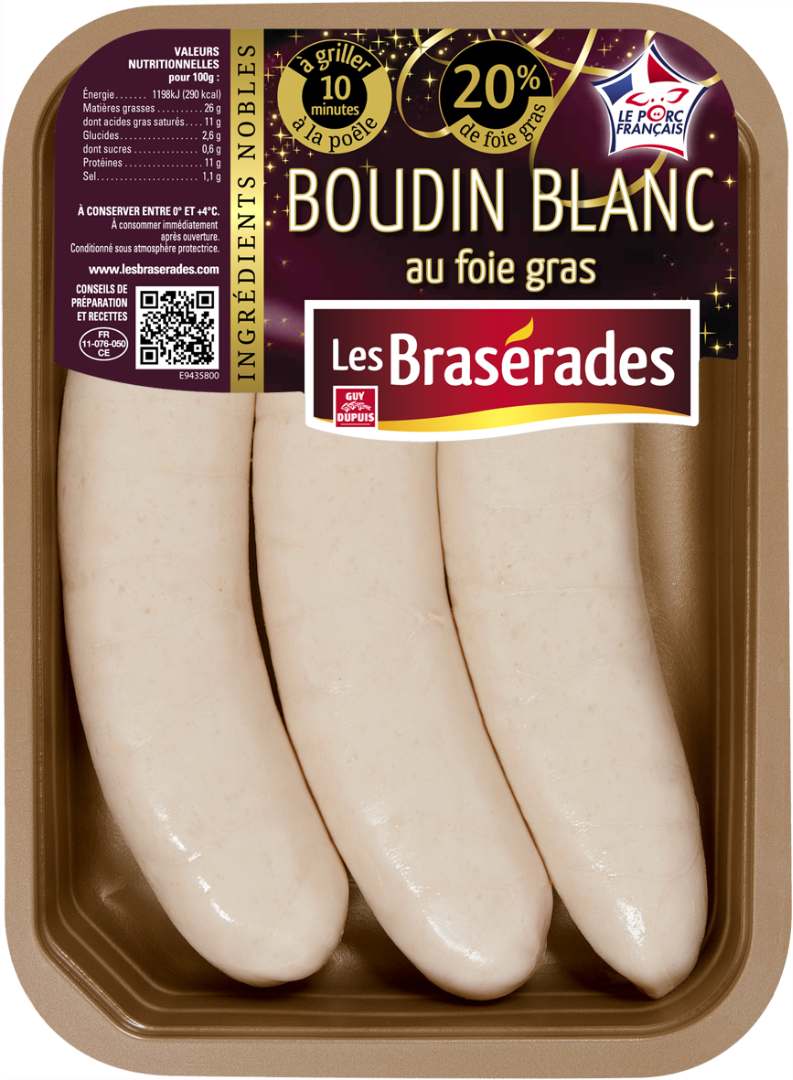
France – WHITE BOUDINS WITH FOIE GRAS – Clostridium perfringens

Gov france

Identifying information for the recalled product

  • Product category Food
  • Product sub-category Meats
  • Product brand name THE BRASERADES
  • Names of models or references WHITE BOUDINS WITH FOIE GRAS 3 * 125G WHITE BOUDINS WITH FOIE GRAS 7 * 125G
  • Product identification
    GTIN Lot Dated
    3387620061503 321340242 Use-by date 12/17/2021
    3387620061503 321340242 Use-by date 12/18/2021
    3387620061503 321340242 Use-by date 12/19/2021
    3387620061503 321340242 Use-by date 12/20/2021
    3387620061503 321340242 Use-by date 12/21/2021
    3387620061503 321340242 Use-by date 12/22/2021
    3387620061510 321340187 Use-by date 12/18/2021
    3387620061510 321340187 Use-by date 12/20/2021
    3387620061510 321340187 Use-by date 12/21/2021
    3387620061510 321340187 Use-by date 12/22/2021
  • Packaging MODIFIED UNDER ATMOSPHERE TRAY 3 * 125G MODIFIED UNIT UNIT 7 * 125G
  • Start date / End of marketing From 12/06/2021 to 12/10/2021
  • Storage temperature Product to be stored in the refrigerator
  • Health mark FR 11.076.050 EC
  • Geographical sales area Whole France
  • Distributors Leclerc, Auchan, Carrefour, System U
  • List of points of salelist_of_clients_delivered_boudins_au_foie_gras.pdf

Practical information regarding the recall

  • Reason for recall Suspicion of bacteriological contamination by Clostridium perfringens
  • Risks incurred by the consumer Clostridium perfringens

USA – Smithfield Packaged Meats Corp. Dba Margherita Meats Inc. Recalls Pepperoni Products Due To Possible Bacillus Cereus Contamination

FSIS USDA

WASHINGTON, Dec. 14, 2021 – Smithfield Packaged Meats Corp., doing business as Margherita Meats, Inc., an Omaha, Neb. establishment, is recalling approximately 10,990 pounds of ready-to-eat (RTE) pepperoni products that may be adulterated with Bacillus cereus (B. cereus), the U.S. Department of Agriculture’s Food Safety and Inspection Service (FSIS) announced today.

The RTE unsliced pepperoni product was produced and packaged on June 17, 2021.  The following products are subject to recall [view label]:

  • 8-oz. plastic shrink-wrapped packages containing unsliced pepperoni “Margherita PEPPERONI” with lot code P1931C and a “use by date” of 12-14-21 represented on the label.

The products subject to recall bear establishment number “EST. 19” inside the USDA mark of inspection. These items were shipped to retail locations nationwide.

The problem was discovered when the Department of Defense notified FSIS that they found B. cereus during routine product testing.

B. cereus is a toxin-producing microorganism that causes diarrhea and vomiting in people. Those with compromised immune systems are at risk for more severe illness. Vigorous rehydration and other supportive care including antibiotics are the usual treatment.

There have been no confirmed reports of adverse reactions due to consumption of these products. Anyone concerned about an injury or illness should contact a healthcare provider.

FSIS is concerned that some product may be in consumers’ pantries or refrigerators. Consumers who have purchased these products are urged not to consume them. These products should be thrown away or returned to the place of purchase.

FSIS routinely conducts recall effectiveness checks to verify recalling firms notify their customers of the recall and that steps are taken to make certain that the product is no longer available to consumers. When available, the retail distribution list(s) will be posted on the FSIS website at www.fsis.usda.gov/recalls.

Media with questions regarding the recall can contact Jim Monroe, Corporate Affairs, Margherita Meats Corp., at (703) 559-1875. Consumers should call the Margherita Consumer Affairs Hotline at (844) 342-2596.

Consumers with food safety questions can call the toll-free USDA Meat and Poultry Hotline at 1-888-MPHotline (1-888-674-6854) or live chat via Ask USDA from 10 a.m. to 6 p.m. (Eastern Time) Monday through Friday. Consumers can also browse food safety messages at Ask USDA or send a question via email to MPHotline@usda.gov. For consumers that need to report a problem with a meat, poultry, or egg product, the online Electronic Consumer Complaint Monitoring System can be accessed 24 hours a day at https://foodcomplaint.fsis.usda.gov/eCCF/.

Click to access 047-2021-labels.pdf

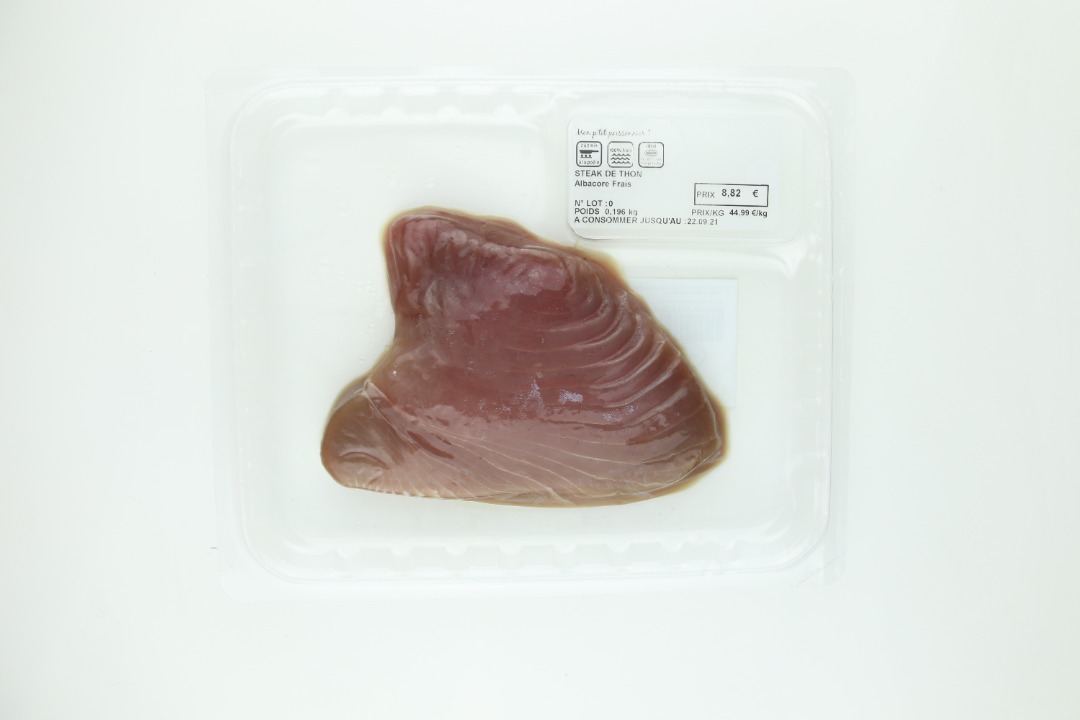
France – Fresh Tuna Steak 200g – Histamine

Gov france

Identifying information for the recalled product

  • Product category Food
  • Product sub-category Fishery and aquaculture products
  • Product brand name My little fishmonger
  • Names of models or references Fresh Tuna Steak 200g
  • Product identification
    GTIN Lot Dated
    Fresh yellowfin tuna loin
    2278352000000 1730031 Use-by date 12/08/2021
  • Packaging Product sold under vacuum, self-service tray
  • Start date / End of marketing From 04/12/2021 to 08/12/2021
  • Storage temperature Product to be stored in the refrigerator
  • Health mark FR 47.091.046 CE
  • Geographical sales area Regions: Auvergne-Rhône-Alpes,,,,,,,,, Bourgogne-Franche-Comté,,,,,,,, Brittany,,,,,,,,, Center-Val de Loire,,,,, ,,,, Île-de-France,,,,,,,,, Nouvelle-Aquitaine,,,,,,,,, Occitanie,,,,,,,,,, Pays-de-la-Loire,,, , , , , , , Provence-Alpes-Côte d’Azur
  • Distributors Géant Casino and the Casino brands
  • List of points of saleTraceability.pdf

Practical information regarding the recall

  • Reason for recall Risk of histamine presence.
  • Risks incurred by the consumer Other biological contaminants

India – Gujarat: 4 dead after consuming food at tribal event in Dahod

India Tv News

At least four people died and around a dozen others were hospitalised in a suspected case of food poisoning at a religious function in a village in Gujarat’s tribal-dominated Dahod district on Monday, police said.

The condition of two of those hospitalised is critical and they are under treatment at a hospital in Devgadh Baria town, police officials said.

The officials said the deaths were likely caused due to food poisoning or after residents consumed some locally brewed drink at the traditional religious function of tribals held at Bhulvan village.

The exact cause behind the death of the four persons was being investigated, they said.

Officials from the health department rushed to the village and collected samples of food items consumed by the villagers and sent them for laboratory examination.

Research – Your poultry doesn’t need a bath plus other food safety tips for Christmas and Summer entertaining

Food Safety Council

Campylobacter kswfoodworld

The Food Safety Information Council and the Australian Chicken Meat Federation today released a consumer survey that found 49% of Australian cooks were still taking a food poisoning risk by washing raw whole chicken before cooking.

Cathy Moir, Council Chair, said washing any raw poultry is very risky as it can spread bacteria to your hands, surfaces and other foods that may not be cooked. Washing is also unnecessary as cooking poultry to 75°C in the centre of a fillet or the thickest part of the thigh will kill any bacteria.

‘We are pleased that rates of washing raw whole chicken has reduced from 60% to 49% since we last asked this question in 2011. Cooks who wash raw chicken pieces with skin on has also reduced from 52% to 43% and washing skinless pieces from 41% to 40%.

‘The survey found that chicken is a popular dish with 78% of respondents cooking whole chicken, 83% cooking chicken pieces with skin on and 88% cooking skinless pieces. But the message is that washing any raw poultry, whether it is chicken, duck, goose or the Christmas turkey, is both unsafe and unnecessary.

“As we gather this Summer with multi-generations of family and friends, here are some of our key Christmas and Summer entertaining food safety tips:

  1. Wash hands: Another recent survey has found the number of times people wash their hands each day dropped 15% since last year. Don’t forget to wash your hands with soap and water before preparing and cooking food, and after handling shell eggs, seafood, raw meat and poultry, burgers and sausages. Watch how to wash your hands correctly using the Glitterbug here
  2. Clean utensils: Ensure your tools, utensils and chopping-boards are cleaned and dried thoroughly before you start preparing your food and ensure you clean them with hot soapy water after use. Use separate chopping-boards such as red for raw meat/poultry and  green for vegetables.
  3. Don’t strain your fridge: Plan ahead and don’t buy more food than you need. It’s vital that you don’t overstock your fridge and freezer, as this won’t allow the cool air to circulate freely and perishable food cannot be adequately frozen or chilled. Less food will also help to reduce food waste.
  4. Make space: Prevent overstocking by making room in your fridge for perishable foods by removing alcohol and soft drinks and put them on ice in a container or laundry sink. This also stops guests opening the fridge so often and helps to maintain the temperature at 5°C or below. Use a fridge thermometer to check the fridge temperature.
  5. Bird or bits? Think about getting a turkey breast that is simpler to cook, rather than a whole turkey. If you do need a whole turkey ask your supermarket if they sell them fresh rather than frozen. Otherwise it must be covered and defrosted in your fridge which can take several days and also increase the risk of potentially contaminating ready to eat foods stored in the fridge.
  6. Cook poultry correctly: Cook the any poultry until a meat thermometer shows it has reached 75° C in the thickest part of the thigh and cook any stuffing separately as it will slow the cooking and the inside of the bird might not be fully cooked. Probe thermometers are readily available, easy to use and help you make sure that food has reached the right temperature.
  7. Don’t go raw. Cooked egg dishes are simple and nutritious but try to avoid raw or minimally cooked egg dishes, such as raw egg mayonnaise or aioli, eggnog or fancy desserts like tiramisu, which can be a particular risk for food poisoning. A safer alternative, if you want to serve raw egg dishes, is to use pasteurised egg products.
  8. Christmas ham won’t last forever– check the storage instructions and best before or use by date before removing the ham from its plastic wrap, cover it with clean cloth soaked in water and vinegar so it doesn’t dry out, and store it in the fridge at or below 5°C. Keep the cloth moist to stop the ham drying out too much. It is important to remember that the use by date on the original packaging won’t apply after the packaging has been removed, so check the fine print and see if the ham has a suggested shelf life after opening. Reduced salt hams are now becoming popular but will not last as long as conventional hams so think how much you are going to use in the next week or so and freeze the rest for later.
  9. Phased roll-out: Don’t leave perishable chilled foods out for more than two hours. These foods include cold meats, soft cheeses like Camembert and Brie, cold poultry, cooked seafood like prawns and smoked salmon, pâtés, sushi and salads. Put out small amounts and replace them (do not top them up) from the fridge.
  10. Get it cold, quick. Refrigerate leftovers as soon as possible. If perishable foods and leftovers have been left out of the fridge for less than two hours they should be okay to refrigerate or freeze to eat later, so long as they haven’t been sitting out on a hot day. Never eat perishable food that has been unrefrigerated for more than four hours as it may not be safe and should be thrown away. Food should not be refrigerated if it has been outside in the heat for more than an hour and discarded after it has sat outside for 2 hours.
  11. Get it right hot. Always reheat leftovers to 75°C the centre of the item or the thickest part to kill any food poisoning bugs. Use a probe thermometer or the auto reheat function of your microwave (following any prompts) to help you make sure that the leftovers have been reheated safely.

‘We would like to thank our partner Tonic Media Network who will be showing our handwashing and food safety community service announcements in GP, Pharmacy and hospital waiting rooms around Australia this Summer. Also, thanks to our member First for Training, the Australian Chicken Meat Federation and Accord for their charitable donations to fund our Summer campaign.\,” Ms Mir concluded.

Media contact: Lydia Buchtmann, Food Safety Information Council, 0407 626 688 or info@foodsafety.asn.au

Survey details:

The chicken washing survey was conducted nationally by Omnipoll amongst 1219 people aged 18+ over the period 7-12 October 2021. Respondents were drawn from the online consumer panel managed by Lightspeed Research, OmniPoll’s online partner and to help reflect the overall population distribution. Results were post-weighted to Australian Bureau of Statistics (2016 Census) data on education, age, sex and area.

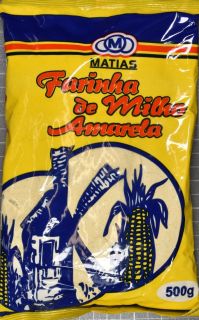
Luxembourg – YELLOW CORN FLOUR – Mycotoxin – Fumonsins

SAP

Last name Yellow corn flour type 100
Brand Matias
Unity 500 g
Use by date (DLC) ABR 22
Lot 070621D2

Hazard description: Fumonisins

Fumonisins are toxins formed by molds of the genus Fusarium on corn under certain climatic conditions. Fumonisins are classified as “possible carcinogenic” to humans.

Sale in Luxembourg by: Primavera

A sale by other operators cannot be excluded.

Source of information: Official control

Communicated by: Government Commission for Quality, Fraud and Food Safety .

Singapore – Downgrading of food stall, B&S Food Corner – due to food poisoning incident ​

SFA

22 persons were reported to have gastroenteritis symptoms after consuming food prepared at B&S Food Corner on 19 May 2021. None of them were hospitalised.
A joint investigation by the Ministry of Health and the Singapore Food Agency (SFA) was conducted following the incident. Several hygiene lapses were identified during an inspection of the food stall on 21 May 2021 and SFA will be taking enforcement action against the licensee for these lapses.
SFA has adjusted the food stall’s food hygiene grade from “B” to “C” with effect from 10 December 2021, to be reviewed in 12 months. The premises will also be kept under surveillance.
Food operators are reminded to adhere to good food hygiene and safety processes. Good hygiene practices such as the washing of hands before handling food can greatly reduce the incidence of gastroenteritis when adopted by all key stakeholders, including the industry and public.
The information provided on this website should not be used as basis for any legal proceedings. Neither SFA nor any of its employees involved in the supply of the above information shall be liable for any loss or damage suffered by any member of the public by reason of any error or omission of whatever nature appearing therein or however caused.

Research – An outbreak of food poisoning due to Escherichia coli serotype O7:H4 carrying astA for enteroaggregative E. coli heat-stable enterotoxin1 (EAST1) – Seaweed

Cambridge Org

In June 2020, a large-scale food poisoning outbreak involving about 3000 elementary and junior high school students occurred in Yashio, Saitama, Japan. A school lunch was the only food stuff ingested by all of the patients. Escherichia coli serotype O7:H4 carrying the astA gene for enteroaggregative E. coli (EAggEC) heat-stable enterotoxin 1 (EAST1) was detected in faecal specimens from the patients, and sample inspection revealed its presence in a seaweed salad and red seaweed (Gigartina tenella) as one of the raw materials. Analysis of the antibiotic sensitivity of the isolates revealed resistance to ampicillin and cefotaxime. All isolates were confirmed to be of the same origin by pulsed-field gel electrophoresis after digestion with the restriction enzyme XbaI, and single nucleotide polymorphism analysis using whole genome sequencing. To our knowledge, this is the first report of a large-scale food poisoning caused by E. coli O7:H4, which lacks well-characterized virulence genes other than astA.

USA – CDC – Food Safety for the Holidays

CDC

Prevent Food Poisoning During the Holidays

Feasting with family is part of many holiday celebrations. Follow these tips to help prevent food poisoning, or foodborne illness, during the holidays.

  • Keep foods separatedexternal icon. Keep meat, chicken, turkey, seafood, and eggs separate from all other foods at the grocery store and in the refrigerator. Prevent juices from meat, chicken, turkey, and seafood from dripping or leaking onto other foods by keeping them in containers or sealed plastic bags. Store eggs in their original carton in the main compartment of the refrigerator.
  • Cook food thoroughlyexternal icon. Meat, chicken, turkey, seafood, and eggs can carry germs that cause food poisoning. Use a food thermometer to ensure these foods have been cooked to a safe internal temperatureexternal icon. Roasts, chops, steaks, and fresh ham should rest for 3 minutes after you remove them from the oven or grill.
  • Keep food out of the “danger zone.”external icon Bacteria can grow rapidly in the danger zone between 40°F and 140°F. After food is prepared, keep hot food hot and cold food cold. Refrigerate or freeze any perishable food within 2 hours (1 hour if food is exposed to temperatures above 90°F, such as in a hot car). The temperature in your refrigerator should be set at or below 40°F and the freezer at or below 0°F.
  • Use pasteurized eggs for dishes containing raw eggsSalmonella and other harmful germs can live on both the outside and inside of normal-looking eggs. Many holiday favorites contain raw eggs, including eggnog, tiramisu, hollandaise sauce, and Caesar dressing. Always use pasteurized eggs when making these and other foods made with raw eggs.
  • Do not eat raw dough or batterexternal icon. Dough and batter made with flour or eggs can contain harmful germs, such as E. coli and Salmonella. Do not taste or eat raw dough or batter that is meant to be baked or cooked. This includes dough or batter for cookies, cakes, pies, biscuits, pancakes, tortillas, pizza, or crafts. Do not let children taste raw dough or batter or play with dough at home or in restaurants. Some companies and stores offer edible cookie dough that uses heat-treated flour and pasteurized eggs or no eggs. Read the label carefully to make sure the dough is meant to be eaten without baking or cooking.
  • Thaw your turkey safelyexternal icon. Thaw turkey in the refrigerator, in a sink of cold water (change the water every 30 minutes), or in the microwave. Avoid thawing foods on the counter. A turkey must thawexternal icon at a safe temperature to prevent harmful germs from growing rapidly.
  • Wash your hands. Wash your hands with soap and water during these key times when you are likely to get and spread germs:
    • Before, during, and after preparing food
    • Before eating food
    • After handling pet food or pet treats or touching pets
    • After using the toilet
    • After changing diapers or cleaning up a child who has used the toilet
    • After touching garbage
    • Before and after caring for someone who is sick
    • Before and after treating a cut or wound
    • After blowing your nose, coughing, or sneezing

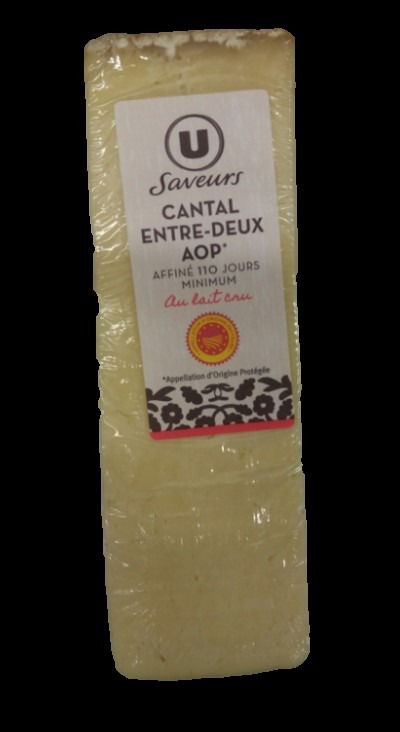
France – Cantal Entre Deux AOP with raw milk – STEC E.coli O26

Gov france

Identifying information for the recalled product

  • Product category Food
  • Product sub-category Milk and dairy products
  • Product brand name U FLAVORS
  • Names of models or references Cantal Entre Deux AOP with raw milk U FLAVORS (220g)
  • Product identification
    GTIN Lot Dated
    3368952539939 16821443 Use-by date 12/07/2021
    3368952539939 16821452 Use-by date 12/12/2021
  • Packaging under film
  • Start date / End of marketing From 08/11/2021 to 12/09/2021
  • Storage temperature Product to be stored in the refrigerator
  • Health mark FR 63 113 081 CE
  • Geographical sales area Whole France
  • Distributors ALL STORES IN THE SOUTH WEST AND EAST REGIONS

Practical information regarding the recall

  • Reason for recall Following the detection of STEC O26: H11 strains
  • Risks incurred by the consumer Toxinogenic Escherichia coli shiga (STEC)