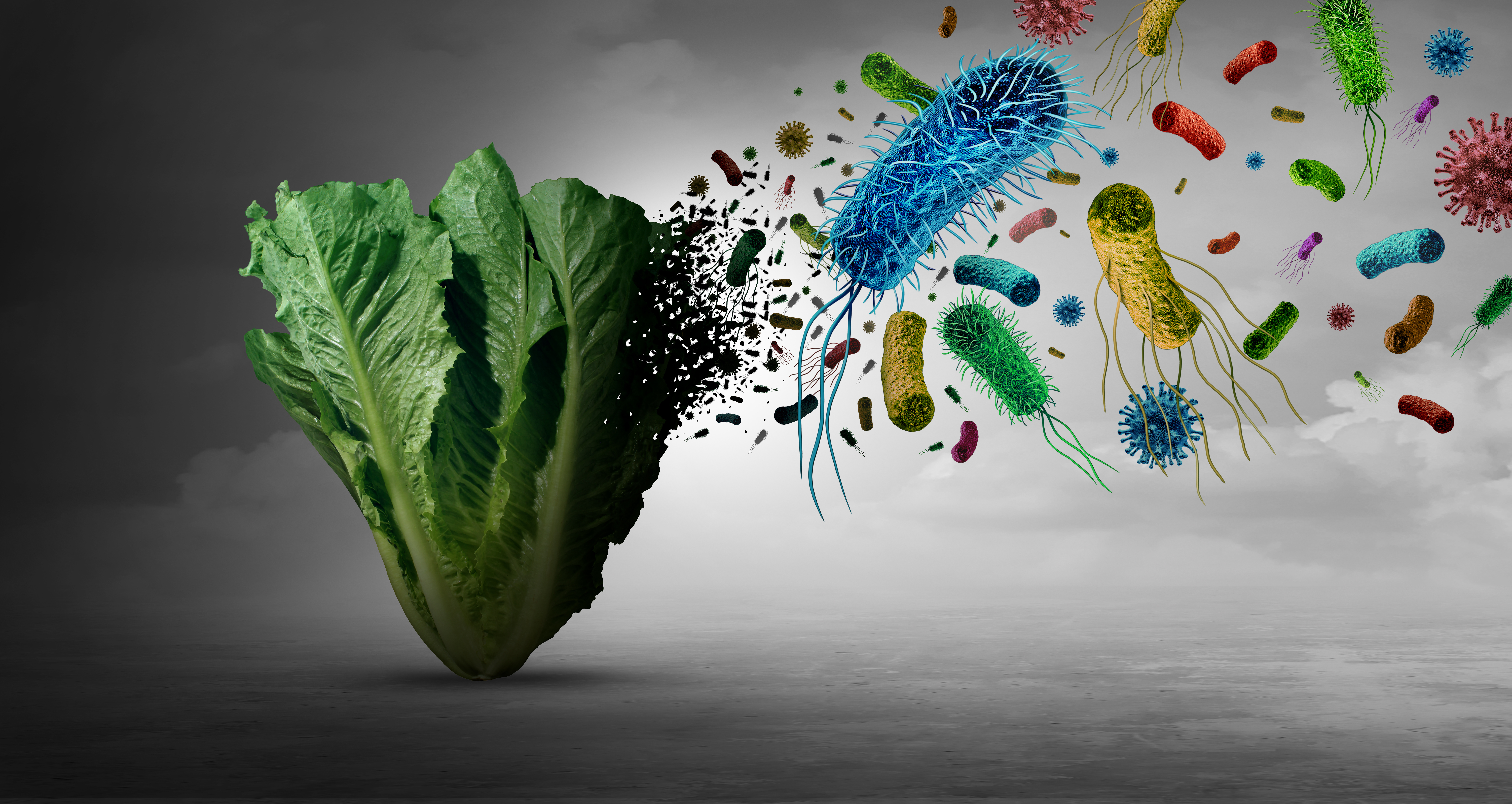
Camembert Moule a la Louche, Isigny Calvados
Manufacturer: The French company STE MERE Placer on the market: Fromi GmbH, Otto-Hahn-Straße 5, 77694 Kehl-Germany
Suspected contamination with unwanted bacteria (Escherichia coli).
Camembert Moule a la Louche, Isigny Calvados
Manufacturer: The French company STE MERE Placer on the market: Fromi GmbH, Otto-Hahn-Straße 5, 77694 Kehl-Germany
Suspected contamination with unwanted bacteria (Escherichia coli).
The Ministry for Primary Industries (MPI) today issued a public health warning against collecting shellfish from the Orewa and Warkworth area. The warning extends from Takatu Point on the Tāwharanui Peninsula, south to Huaroa Point on the Whangaparoa Peninsula. The warning includes Mahurangi Harbour, Kawau Island and the smaller islands west of Kawau Island.
Routine tests on shellfish samples taken from Mahurangi Harbour have shown levels of Paralytic Shellfish Poisoning (PSP) toxins above the safe limit of 0.8 mg/kg set by MPI. Anyone eating shellfish from this area is potentially at risk of illness.
Mussels, oysters, tuatua, pipi, toheroa, cockles, scallops, catseyes, kina (sea urchin) and all other bivalve shellfish should not be eaten.
Note, cooking shellfish does not remove the toxin.
Pāua, crab and crayfish may still be eaten if the gut has been completely removed prior to cooking, as toxins accumulate in the gut. If the gut is not removed its contents could contaminate the meat during the cooking process.
Symptoms typically appear between 10 minutes and 3 hours after ingestion and may include:
If anyone becomes ill after eating shellfish from an area where a public health warning has been issued, freephone Healthline for advice on 0800 61 11 16, or seek medical attention immediately. You are also advised to contact your nearest public health unit and keep any leftover shellfish in case it can be tested.
Monitoring of toxin levels will continue and any changes will be communicated accordingly. Commercially harvested shellfish – sold in shops and supermarkets, or exported – is subject to strict water and flesh monitoring programmes by MPI to ensure they are safe to eat. There is no commercial harvesting of shellfish in the affected area.
Posted in Algal Toxin, food contamination, food handler, Food Hazard, Food Hygiene, Food Inspections, Food Micro Blog, Food Microbiology, Food Microbiology Blog, Food Microbiology Testing, Food Poisoning, food recall, Food Safety, Food Safety Alert, Food Testing, Food Toxin, Marine Biotoxin, MPI, paralytic shellfish poisoning, PSP, shellfish toxin, Toxin
Aflatoxins in groundnuts in shell from Egypt in Italy
Posted in Aflatoxin, food contamination, food handler, Food Hazard, Food Hygiene, Food Inspections, Food Micro Blog, Food Microbiology, Food Microbiology Blog, Food Microbiology Testing, Food Poisoning, food recall, Food Safety, Food Safety Alert, Food Spoilage, Food Testing, Food Toxin, Mold Toxin, Mould Toxin, Mycotoxin
Ochratoxin A (31.0 µg/kg – ppb) in dried figs from Turkey in Finland
Ochratoxin A in dried figs from Turkey in Germany
Posted in food contamination, Food Hazard, Food Hygiene, Food Inspections, Food Micro Blog, Food Microbiology, Food Microbiology Blog, Food Microbiology Testing, Food Poisoning, food recall, Food Safety, Food Safety Alert, Food Spoilage, Food Testing, Food Toxin, Mold Toxin, Mould Toxin, Mycotoxin, Ochratoxin, RASFF
Verotoxin-producing E.coli in soft cheese from France in Germany, Italy and Austria
Posted in E.coli, food contamination, food handler, Food Hazard, Food Hygiene, Food Inspections, Food Micro Blog, Food Microbiology, Food Microbiology Blog, Food Microbiology Testing, Food Pathogen, Food Poisoning, food recall, Food Safety, Food Safety Alert, Food Testing, Food Toxin, microbial contamination, Microbiological Risk Assessment, Microbiology, Microbiology Investigations, RASFF, STEC, STEC E.coli, VTEC
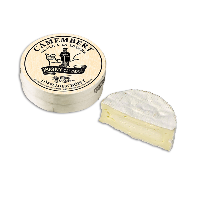
Federal officials are reporting that an outbreak of E. coli O121:H9 infections linked to romaine lettuce has ended.
Four illnesses were confirmed in the outbreak. Little other information was available from the Food and Drug Administration.
“The information collected over the course of this investigation indicated that romaine lettuce was the likely source of this outbreak; however, it appears that this outbreak is over, and there is no actionable advice for consumers,” according to FDA officials.
“FDA has been conducting a traceback investigation and other activities in an effort to learn more about possible sources or routes of contamination.”
The FDA first reported the outbreak two weeks ago but has not shared any information about patient demographics or what states are involved. The agency did not report when the first illness was reported or when the last one was logged by public health officials.
As of Jan. 26, the Centers for Disease Control and Prevention had not posted any information about the outbreak. That is generally standing procedure for the agency if a specific product is not identified.
Posted in E.coli O121, food bourne outbreak, food contamination, food handler, Food Hazard, Food Hygiene, Food Illness, Food Inspections, Food Micro Blog, Food Microbiology, Food Microbiology Blog, Food Microbiology Testing, Food Pathogen, Food Poisoning, food recall, Food Safety, Food Safety Alert, Food Testing, Food Toxin, Foodborne Illness, foodborne outbreak, foodbourne outbreak, Illness, outbreak, STEC, STEC E.coli
The Ministry for Primary Industries (MPI) today issued a public health warning against collecting shellfish from the South Island West Coast between Greymouth and Charleston. Diarrhetic shellfish toxins have been detected in mussels from 12-Mile Bluff at levels above the safe limit set by MPI.
Anyone eating shellfish from this area is potentially at risk of illness.
Ongoing testing will continue and any changes will be communicated accordingly.
Mussels, oysters, tuatua, pipi, toheroa, cockles, scallops, catseyes, kina (sea urchin) and all other bivalve shellfish should not be eaten.
Note, cooking shellfish does not remove the toxin.
Pāua, crab and crayfish may still be eaten if the gut has been completely removed prior to cooking, as toxins accumulate in the gut. If the gut is not removed its contents could contaminate the meat during the cooking process.
Symptoms typically appear within half an hour of ingestion and last for about 24 hours. Symptoms may include:
If anyone becomes ill after eating shellfish from an area where a public health warning has been issued, freephone Healthline for advice on 0800 61 11 16, or seek medical attention immediately. You are also advised to contact your nearest public health unit and keep any leftover shellfish in case it can be tested.
Commercially harvested shellfish – sold in shops and supermarkets, or exported – is subject to strict water and flesh monitoring programmes by MPI to ensure they are safe to eat. There is no commercial harvesting of shellfish in the affected area.
Posted in Biotoxin, Diarrhoeic Shellfish Poisoning, DSP, food contamination, Food Hazard, Food Hygiene, Food Inspections, Food Micro Blog, Food Microbiology, Food Microbiology Blog, Food Microbiology Testing, Food Poisoning, food recall, Food Safety, Food Safety Alert, Food Testing, Food Toxin, Intoxications, Marine Biotoxin
Lotus Ice cream sticks white (3x90ml)
Lotus Bakeries GmbH
Lotus Bakeries GmbH Rather Str. 110a 40476 Düsseldorf Distribution via Kaufland
Possible mold infestation
Please refer to the attached recall letter.
Posted in food contamination, Food Hazard, Food Hygiene, Food Inspections, Food Micro Blog, Food Microbiology, Food Microbiology Blog, Food Microbiology Testing, Food Poisoning, food recall, Food Safety, Food Safety Alert, Food Spoilage, Food Temperature Abuse, Food Testing, mold, Mold Toxin, Mould/Mold
While the effects of food poisoning are usually not life-threatening, they can be very unpleasant and result in additional health conditions that require medical attention. Some patients may be at risk for more serious complications depending on their overall health condition and the type of bacteria or virus causing the illness.
Food poisoning is a common, yet potentially serious environmental health issue. The occurrence of food poisoning can be reduced by following some simple rules while preparing, cooking, and serving food.
The most common causes of food poisoning are bacteria, viruses, or parasites that are present in foods that are contaminated with human or animal feces or their toxins. Most of the food poisoning cases are due to the consumption of foods that have not been thoroughly cooked or properly stored.
All these micro-organisms that cause food poisoning can be killed if they are exposed to adequate heat for a sufficient time, as in cooking or pasteurization.