Category Archives: Food Microbiology Research

USA – A Decade of E. coli Outbreaks in Leafy Greens in the U.S. and Canada – Podcast

CDC

Katherine Marshall, an epidemiologist at CDC, and Sarah Gregory discuss E. coli outbreaks in leafy greens in the United States and Canada from 2009 to 2018.

More info on this topic
Topics: E. coli InfectionFoodborne DiseasePodcasts
Published: 9/24/2020
Last Updated: 9/24/2020

This podcast belongs to the Emerging Infectious Diseases series.

Subscribe to this Series

Press Play to listen to this CDC Podcast

Running time = 28:10
To save the Podcast, right click the “Save this file” link below and select the “Save Target As…” option.
Save This File (25.8 MB) [right click]

Other Formats: https://tools.cdc.gov/podcasts/media/pdf/EID_10_20_EcoliLeafyGreens.pdf

Research – Zoonotic Pathogens in Wildlife Traded in Markets for Human Consumption, Laos

CDC

Abstract

We tested animals from wildlife trade sites in Laos for the presence of zoonotic pathogens. Leptospira spp. were the most frequently detected infectious agents, found in 20.1% of animals. Rickettsia typhi and R. felis were also detected. These findings suggest a substantial risk for exposure through handling and consumption of wild animal meat.

Consumption of wildlife meat drives emerging infectious diseases , often amplified by human encroachment into natural areas and changes in land use. Wildlife trade and consumption have been responsible for outbreaks of diseases such as HIV-1 , Ebola , and monkeypox and possibly for the coronavirus disease pandemic . Wildlife markets bring diverse species into contact, usually in dense and unsanitary conditions, enabling mixing, amplification, and transmission of pathogens among species, including humans . Small mammals host diverse pathogenic bacteria and viruses , but little investigation of endemic bacteria transmission has occurred. Determining pathogens present in traded wildlife is vital to guide appropriate measures to combat zoonotic diseases and document societal and environmental costs of wildlife trade.

Research – Development of Desiccation-Tolerant Probiotic Biofilms Inhibitory for Growth of Foodborne Pathogens on Stainless Steel Surfaces

MDPI

Lactic acid bacteria biofilms can be used to reduce foodborne pathogen contamination in the food industry. However, studies on growth inhibition of foodborne pathogens by inducing biofilm formation of antagonistic microorganisms on abiotic surfaces are rare. We developed a desiccation-tolerant antimicrobial probiotic biofilm. Lactobacillus sakei M129-1 and Pediococcus pentosaceus M132-2 isolated from fermented Korean foods were found to exhibit broad-spectrum antibacterial activity against Bacillus cereusEscherichia coli O157:H7, Staphylococcus aureusListeria monocytogenes, and Salmonella enterica. Their biofilm levels were significantly (p < 0.05) higher on stainless steel than on polyethylene or ceramic. Biofilms of both isolates showed significantly (p < 0.05) enhanced resistance against desiccation (exposure to 43% atmospheric relative humidity) as compared with the isolates not in the biofilm form. The antimicrobial activity of the isolates was sustained in dried biofilms on stainless steel surface; the initial number of foodborne pathogens (average 7.0 log CFU/mL), inoculated on stainless steel chips containing L. sakei M129-1 or P. pentosaceus M132-2 biofilm decreased to less than 1.0 log CFU within 48 h. The lactic acid bacteria antibacterial biofilms developed in this study may be applied to desiccated environmental surfaces in food-related environments to improve microbiological food safety. View Full-Text

UK – Several supermarkets improve Campylobacter in chicken results

Food Safety News

The supermarket Marks and Spencer has reported better results for Campylobacter in chicken in the latest quarterly figures from the United Kingdom.

The data covers October to December 2021 for nine retailers on high levels of Campylobacter in fresh, shop-bought, UK-produced chickens.

Results at Morrisons, Lidl, Waitrose and Sainsbury’s went up while Marks and Spencer, Tesco, Co-op, Aldi and Asda recorded lower levels of contamination compared to the previous quarter.

The Food Standards Agency (FSA) maximum level is 7 percent of birds with more than 1,000 colony forming units per gram (CFU/g) of Campylobacter.

Research – Salmonella and Campylobacter continue to show high levels of antibiotic resistance

EFSA

Antibiotic resistance in Salmonella and Campylobacter bacteria is still high, says a report released today by the European Centre for Disease Prevention and Control (ECDC) and the European Food Safety Authority (EFSA).

Campylobacteriosis was the most reported zoonosis in the EU in 2020 and the most frequently reported cause of foodborne illness. Campylobacter bacteria from humans and poultry continues to show very high resistance to ciprofloxacin, a fluoroquinolone antibiotic, that is commonly used to treat some types of bacterial human infection.

Increasing trends of resistance against the fluoroquinolone class of antibiotics has been observed in humans and broilers for Campylobacter jejuni. In Salmonella Enteritidis, the most common type of Salmonella in humans, increasing trends of resistance to the quinolone/fluoroquinolone class of antibiotics were observed. In animals, resistance to these antibiotics in Campylobacter jejuni and Salmonella Enteritidis were generally moderate to high.

However, despite the increasing trends of resistance against certain antibiotics, simultaneous resistance to two critically important antibiotics – remains low for E. coliSalmonella and Campylobacter in bacteria from both humans and food-producing animals.

A decline in resistance to tetracyclines and ampicillin in Salmonella from humans was observed in nine and ten countries, respectively, over the period 2016-2020, and this was particularly evident in Salmonella Typhimurium. Despite the decline, resistance to these antibiotics still remains high in bacteria from both humans and animals.

Furthermore, in more than half of the European Union countries, a statistically significant decreasing trend in the prevalence of extended-spectrum β-lactamase (ESBL)-producing E. coli was observed in food-producing animals. This is an important finding as particular strains of ESBL-producing E. coli are responsible for serious infections in humans.

Carbapenem resistance remains extremely rare in E. coli and Salmonella from food-producing animals. Carbapenems are a class of last resort antibiotics and any findings showing resistance to these in zoonotic bacteria are concerning.

Although findings and trends are consistent with data reported in previous years, the COVID-19 pandemic had an impact on the amount of data reported, particularly with regards to public health.

An interactive data visualisation tool shows resistance levels in humans, animals and food, country-by-country in 2019 and 2020.

Additionally, the human food and waterborne antibiotic resistance data is published in ECDC’s Surveillance Atlas of Infectious Diseases (under the diseases campylobacteriosis, salmonellosis and shigellosis, respectively).

Norway – Analyzes of Pathogenic Escherichia coli in bacon sausages 2022

Mattilsynet

On behalf of the Norwegian Food Safety Authority, the Norwegian Veterinary Institute has examined 137 Norwegian bacon sausages for pathogenic E. coli bacteria (STEC). There was a discovery of such bacteria, but this type does not usually cause serious illness in humans. Although the sample was small, the conclusion is that the prevalence of STEC in Norwegian bacon sausages is low.

Mattilsynet

What we investigated: 137 Norwegian bacon sausages
Period: The samples were obtained in 2020 and analyzed in 2021
What we were looking for: E. coli and pathogenic STEC variants
What we found: A positive E. coli sample. This was not the type that usually causes serious illness in people, ie good results.
Who carried out the assignment: Veterinary Institute
Escherichia coli is present in the gastro intestinal tract of humans and warm-blooded animals, and are usually harmless. However, some groups of E.coli may cause infections in humans. Shiga toxin-producing E. coli (STEC) is one of the groups of pathogenic E. coli. Ruminants, in particular cattle, are assumed to be the main reservoir for STEC.
The results from previous surveys of cattle and sheep in Norway for the occurrence of STEC of the serogroups most often associated with infection, have indicated a low occurrence. Similar results were observed in a survey of minced meat from cattle, on the Norwegian market. The Norwegian Food Safety Authority commissioned a survey of STEC in domestically produced fermented sausages. The samples were collected in 2020 with subsequent analysis in 2021.
A total of 137 samples of domestically produced fermented sausage were collected and analysed. Enriched samples were examined for the presence of the genetic markers stx1, stx2 and eae. Attempts of isolation were carried out from samples that were positive for one or more of the virulence markers. Isolates identified as STEC were further characterized using whole genome sequencing.
STEC was isolated from only one sample, and the isolate was characterized as STEC O76:H19 harbouring stx1c, but did not carry eae. In the primary screening of enriched samples, only a few samples were positive for the virulence markers. The results from this study indicates that the occurrence of STEC in
Norwegian fermented sausages is low.
Although STEC was isolated, none of the serogroups associated with severe infections were isolated. It must be taken into account that a low number of samples were analysed. Since this type of products has not been analysed previously, the present survey provides knowledge for the industry, authorities and knowledge institutions. It is important to carry out similar surveys regularly to generate updated Norwegian data.

USA – Plastikon Healthcare Issues Voluntary Nationwide Recall of Milk of Magnesia Oral Suspension 2400 mg/30 mL, Magnesium Hydroxide 1200mg/Aluminum Hydroxide 1200mg/Simethicone 120mg per 30 mL, and Acetaminophen 650mg/ 20.3mL, Unit Dose Cups, Due to Microbial Contamination

FDA

Summary

Company Announcement Date: 
FDA Publish Date: 
Product Type: Drugs
Reason for Announcement:
Microbial Contamination
Company Name: Plastikon Healthcare, LLC
Brand Name: Major Pharmaceuticals
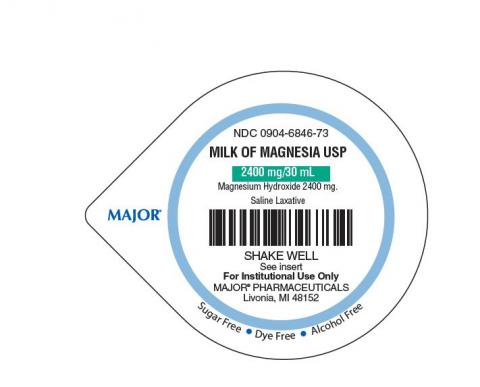
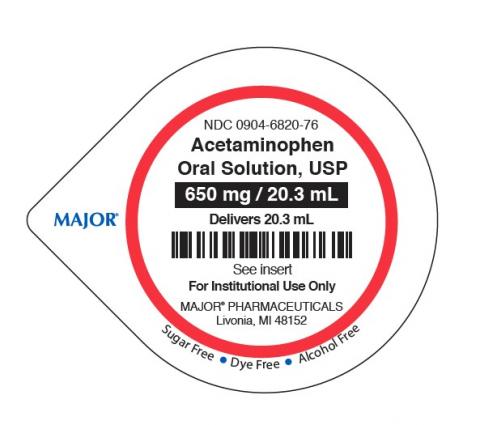
Product Description: Magnesia Oral Suspension 2400 mg/30 mL, Magnesium Hydroxide 1200mg/Aluminum Hydroxide 1200mg/Simethicone 120mg per 30 mL, and Acetaminophen 650mg/ 20.3mL

Company Announcement

3/24/2022 – Lawrence, KS, Plastikon Healthcare, LLC is voluntarily recalling three (3) lots of Milk of Magnesia 2400 mg/30 mL Oral Suspension, one (1) lot of Acetaminophen 650mg/ 20.3mL, and six (6) lots of Magnesium Hydroxide 1200mg/Aluminum Hydroxide 1200mg/Simethicone 120mg per 30 mL to the hospital, clinic and patient level.  The products are being recalled due to microbial contamination and failure to properly investigate failed microbial testing.

Risk Statement: This product potentially could result in illness due to intestinal distress, such as diarrhea or abdominal pain.  Individuals with a compromised immune system have a higher probability of developing a wide-spread, potentially life-threatening infection when ingesting or otherwise orally exposed to products contaminated by micro-organisms. To date, Plastikon has not received any customer complaints related to microbial concerns or reports of adverse events related to this recall.

Product indication, lot numbers, expiration dates and NDC information are listed in the table below. The product is packaged for institutional use and is sold to clinics and hospitals nationwide in single use cups with a foil lid.  The affected lots were distributed to Major Pharmaceuticals Distribution Center (wholesaler) between 5/1/2020 and 6/28/2021, who shipped to hospitals, nursing homes, and clinics nationwide.  The products are private labeled for Major Pharmaceuticals.

Product Name Milk of Magnesia 2400 mg/30 mL Oral Suspension Magnesium Hydroxide
1200mg/Aluminum
Hydroxide
1200mg/Simethicone
120mg per 30 mL
Acetaminophen 650mg/
20.3mL
Indications for use Milk of Magnesia 2400 mg/ 30 mL is indicated for the occasional relief of constipation
(irregularity) in adults and children 12 years and older or for children under 12 as recommended by a doctor.
Magnesium Hydroxide
1200mg/Aluminum
Hydroxide
1200mg/Simethicone 120mg per 30 mL is indicated for relief of acid indigestion, heartburn, sour stomach, upset stomach due to these symptoms, pressure and bloating commonly referred to as gas.
Acetaminophen 650mg/ 20.3mL indicated for temporarily relief of minor aches and pains due to, minor pain of arthritis, muscular aches, backache, premenstrual and menstrual cramps, the common cold, headache, toothache, and temporarily reduction of fever.
Lot/exp. 20024A/Mar 2022 20025A/Mar 2022
20041A/May 2022
20042A/May 2022 20043A/May 2022
20045A/May 2022
20046A/May 2022
20047A/May 2022
21067A/Jun 2023
20040A/May 2022
NDC 0904-6846-73 0904-6838-73 0904-6820-76
Type of Packaging Carton containing 100 single dose cups (10 trays x 10 cups) Carton containing 100 single dose cups (10 trays x 10 cups) Carton containing 100 single dose cups (10 trays x 10 cups)

Plastikon Healthcare places the utmost emphasis on patient safety and product quality at every step in the manufacturing and supply chain process.  Plastikon Healthcare has notified its direct customers via a recall letter to arrange for return of any recalled product.  Anyone with an existing inventory of the lots which are being recalled should stop use and distribution, and quarantine immediately.  Return all quarantined product to the place of purchase. For clinics, hospitals, or healthcare providers that have dispensed product to patients, please notify patients regarding the recall.

Consumers with questions regarding this recall can contact Plastikon by phone at 785-330-7109 or email address (sdixon@plastikon.com) Monday through Friday from 9 am to 4 pm CST.  Patients are advised to contact their doctor or healthcare provider if they have experienced any problems that may be related to taking or using this drug product.

Adverse reactions or quality problems experienced with the use of this product may be reported to the FDA’s MedWatch Adverse Event Reporting program either online, by regular mail or by fax.

  • Complete and submit the report Online
  • Regular Mail or Fax: Download form or call 1- 800-332-1088 to request a reporting form, then complete and return to the address on the pre-addressed form, or submit by fax to 1-800-FDA-0178

This recall is being conducted with the knowledge of the U.S. Food and Drug Administration.


Company Contact Information

Consumers:
Plastikon, Sandy Dixon
 785-330-7109
 sdixon@plastikon.com

Product Photos

France – Report on surveillance of Campylobacter infections in France in 2020.

Sante Publique

Key points

In 2020, surveillance of Campylobacter infections confirmed the epidemiological and biological trends already observed in recent years: 

  • a predominance of the species C. jejuni ;
  • higher number of cases and incidence in children;
  • a predominance of infections in men, except in people aged 30 to 39;
  • a seasonal peak during the summer period;
  • high resistance to fluoroquinolones and tetracyclines, which has remained stable in recent years;
  • no notable increase in the resistance rates of the six antibiotics tested routinely;
  • the consumption of poultry as the first food (incriminated or suspected) source of contamination in episodes of collective food poisoning.

The number of Campylobacter strains listed by the CNR has been increasing since 2013, the year in which the network’s laboratories introduced online data entry. This increase could be a reflection of an increase in Campylobacter infections in France. However, this increase in the number of strains must be considered within the framework of the specificities of the surveillance system. Several factors, such as an increase in the activity of the network’s laboratories or prescriptions for stool cultures, could cause an increase in the number of isolations and notifications over time. The implementation of multiplex PCR in many laboratories has also facilitated the detection of Campylobacter sp in stool samples.

The health context linked to the COVID-19 pandemic does not seem to have had an impact on the surveillance data. A decrease in the number of strains compared to previous years was observed only in March-April 2020, corresponding to the period of the first confinement. This reduction seems to reflect less recourse to care (medical consultation, biological analyses) during this period, but could also indicate a reduction in the incidence linked to health restrictions.

USA – CDC – Lettuce, Other Leafy Greens, and Food Safety

CDC

Leafy greens arranged on a white background

Vegetables are an important part of a healthy diet. Leafy vegetables (called leafy greens on this page), such as lettuce, spinach, cabbage, kale, and bok choy, provide nutrients that help protect you from heart diseasestroke, and some cancers.

But leafy greens, like other vegetables and fruits, are sometimes contaminated with harmful germs. Washing leafy greens does not remove all germs. That’s because germs can stick to the surface of leaves and even get inside them. If you eat contaminated leafy greens without cooking them first, such as in a salad or on a sandwich, you might get sick.

Although anyone can get a foodborne illness, sometimes called food poisoning, some groups of people are more likely to get one and to have a serious illness. These groups include:

  • Adults aged 65 and older
  • Children younger than 5 years
  • People who have health problems or take medicines that lower the body’s ability to fight germs and sickness (a weakened immune system)external icon
  • Pregnant people

Eating Leafy Greens

Are leafy greens safe to eat?

Millions of servings of leafy greens are eaten safely every day in the United States. But leafy greens are occasionally contaminated enough to make people sick. To reduce your chance of getting sick, always follow the steps for safely handling and preparing leafy greens before eating or serving them.

Are leafy greens safe for my pet to eat?

Some animals can get sick from some germs that also make people sick. Always follow the steps for safely handling and preparing leafy greens before feeding them to pets and other animals. Never feed recalled food to pets or other animals.

Safely Handling and Preparing Leafy Greens

Do I need to wash all leafy greens?

Prewashed greens don’t need to be washed again. If the label on a leafy greens package says any of the following, you don’t need to wash the greens:

  • Ready-to-eat
  • Triple washed
  • No washing necessary

Prewashed greens sometimes cause illness. But the commercial washing process removes most of the contamination that can be removed by washing.

All other leafy greens should be thoroughly washed before eating, cutting, or cooking.

What is the best way to wash leafy greens?

The best way to wash leafy greens is by rinsing them under running water. Studies show that this step removes some of the germs and dirt on leafy greens and other vegetables and fruits. But no washing method can remove all germs.

Follow these steps to wash leafy greens that you plan to eat raw:

  • Wash your hands for 20 seconds with soap and water before and after preparing leafy greens.
  • Get rid of any torn or bruised leaves. Also, get rid of the outer leaves of cabbages and lettuce heads.
  • Rinse the remaining leaves under running water. Use your hands to gently rub them to help get rid of germs and dirt.
  • Dry leafy greens with a clean cloth or paper towel.

Should I soak leafy greens before washing them?

No. Do not soak leafy greens. If you soak them in a sink, germs in the sink can contaminate the greens. If you soak them in a bowl, germs on one leaf can spread to the other leaves. Rinsing leafy greens under running water is the best way to wash them.

Should I wash leafy greens with vinegar, lemon juice, soap, detergent, or produce wash?

Use plain running water to wash leafy greens and other produce. Kitchen vinegar and lemon juice may be used, but CDC is not aware of studies that show vinegar or lemon juice are any better than plain running water.

Do not wash leafy greens or other produce with soap, detergent, or produce wash. Do not use a bleach solution or other disinfectant to wash produce.

What other food safety steps should I keep in mind when I select, store, and prepare leafy greens and other produce?

  • Select leafy greens and other vegetables and fruits that aren’t bruised or damaged.
  • Make sure pre-cut produce, such as bagged salad or cut fruits and vegetables, is refrigerated or on ice at the store.
  • Separate produce from raw meat, poultry, seafood, and eggs in your shopping cart, grocery bags, and refrigerator.
  • Store leafy greens, salads, and all pre-cut and packaged produce in a clean refrigerator with the temperature set to 40°F or colder.
  • Use separate cutting boards and utensils for produce and for raw meat, poultry, seafood, and eggs. If that isn’t an option, prepare produce before working with raw meat.
  • Wash utensils, cutting boards, and kitchen surfaces with hot, soapy water after each use.
  • Cook thoroughly or throw away any produce that touches raw meat, poultry, seafood or their juices.
  • Refrigerate cooked or cut produce, including salads, within 2 hours (1 hour if the food is exposed to temperatures above 90°F, like a hot car or picnic).

Germs, Outbreaks, and Recalls

How do leafy greens get contaminated with germs?

Germs that make people sick can be found in many places, including in the soil, in the feces or poop of animals, in refrigerators, and on kitchen surfaces.

Germs can contaminate leafy greens at many points before they reach your plate. For example, germs from animal poop can get in irrigation water or fields where theexternal icon vegetables grow. Germs can also get on leafy greens in packing and processing facilities, in trucks used for shipping, from the unwashed hands of food handlers, and in the kitchen. To prevent contamination, leafy greens should be grown and handled safely at all points from farm to fork.

Read a study by CDC and partners on what we have learned from 10 years of investigating E. coli outbreaks linked to leafy greens.

How common are outbreaks linked to leafy greens?

In 2014–2018, a total of 51 foodborne disease outbreaks linked to leafy greens (mainly lettuce) were reported to CDC. Five of the 51 were multistate outbreaks that led CDC to warn the public. Among those five outbreaks, two were linked to packaged salads, two were linked to romaine lettuce, and one could not be linked to a specific type of leafy greens.

Most recently, in 2019–2021, CDC investigated and warned the public about nine multistate outbreaks linked to leafy greens. Among those outbreaks, six were linked to packaged salads, one was linked to romaine lettuce, one was linked to baby spinach, and one could not be linked to a specific type of leafy greens. Learn about these outbreaks.

Most foodborne illnesses are not part of a recognized outbreak. The nearly 2,000 illnesses reported in 2014–2020 outbreaks linked to leafy greens represent only a small part of illnesses caused by contaminated leafy greens during those years.

Does CDC warn the public about every foodborne disease outbreak?

No. CDC does not warn the public about every foodborne outbreak—including ones linked to leafy greens. Some reasons for this include:

  • Most sources of foodborne outbreaks are never identified.
  • By the time a source is identified, it might no longer be in stores, restaurants, or homes. This can happen with foods that are perishable (foods that spoil or go bad quickly), such as leafy greens.
  • Most outbreaks affect people in only one state, so local or state health departments lead the work to identify, investigate, and communicate about those outbreaks. CDC typically communicates only about outbreaks that affect people in more than one state.

Investigating outbreaks linked to leafy greensexternal icon can be especially challenging. These outbreaks often go unidentified or unsolved.

What should I do with leafy greens that are part of a recall?

  • Never eat, serve, or sell food that has been recalled, even if some of it was eaten and no one got sick.
  • Return the recalled food to the store or throw it away at home.
    • Throw out the recalled food and any other foods stored with it or that touched it.
    • Put it in a sealed bag in an outside garbage can with a tight lid (so animals cannot get to it).
    • If the recalled food was stored in a reusable container, wash the container in the dishwasher or with hot, soapy water.
  • Follow CDC’s instructions for cleaning your refrigerator after a food recall.

Organic, Hydroponic, and Home-Grown Leafy Greens

Are organic leafy greens less likely to be contaminated than non-organic ones?

All kinds of produce, including organic leafy greens, can be contaminated with harmful germs at any point from farm to fork. CDC is not aware of any evidence that organic greens are safer.

Learn about some outbreaks linked to organic foodsexternal icon.

Are hydroponic or greenhouse-grown leafy greens less likely to be contaminated?

Leafy greens grown using these methods also can be contaminated with harmful germs at any point from farm to fork.

Learn about an outbreak linked to greenhouse-grown leafy greens.

How do I keep leafy greens in my garden safe to eat?

Home gardens can be an excellent source of fruits and vegetables. Follow these tips to help prevent food poisoning:

  • Plant your garden away from animal pens, compost bins, and manure piles.
  • Water your garden with clean, drinkable water.
  • Keep dirty water, including storm runoff, away from the parts of plants you will eat.

Learn about raised bed gardening pdf icon[PDF – 1 page].

Looking to the Future

What steps are industry and the government taking to make leafy greens safer?

CDC is collaborating with FDA, academia, and industry to investigate the factors that contribute to leafy greens contamination.

The leafy greens industry, FDA, and state regulatory authorities have been implementing provisions of the Produce Safety Ruleexternal icon as part of the FDA Food Safety Modernization Act (FSMA).external icon They are considering what further measures can be taken. FDA’s 2020 Leafy Greens STEC Action Planexternal icon describes the agency’s plans to work with partners to make leafy greens safer.

Research – Levels and genotypes of Salmonella and levels of Escherichia coli in frozen ready-to-cook chicken and turkey products in England tested in 2020 in relation to an outbreak of S. Enteritidis

Science Direct

Highlights

Six serovars, with S. Infantis and S. Enteritidis most common, found in 9% of samples

Serovar-specific PCR and Cragie’s motility method used for co-contaminated samples

All S. Enteritidis were outbreak strains and affected six products from two plants.

The highest MPN/g was 54 for S. Infantis and 28 and S. Enteritidis.

Detection of Salmonella spp. was associated with higher levels of generic E. coli.

Abstract

Frozen reformulated (FR) breaded chicken products have previously been implicated in causing human salmonellosis. A multi-country Salmonella enterica serovar Enteritidis outbreak involving several strains with >400 reported human cases in the UK occurred in 2020. Initially S. Infantis was detected in one sample from a case home but S. Enteritidis was then also isolated using a S. Enteritidis specific PCR in combination with isolation via a Craigie-tube. This prompted a survey to examine the presence and levels of Salmonella and E. coli in ready-to-cook FR poultry products in England in 2020.

From a total of 483 samples, including two from cases’ homes, Salmonella was detected in 42 chicken samples, these originated from six out of 53 production plants recorded. Salmonella detection was associated with elevated levels of generic E. coli (OR = 6.63). S. Enteritidis was detected in 17 samples, S. Infantis in 25, S. Newport in four and S. Java, S. Livingstone and S. Senftenberg in one each. The highest levels of Salmonella were 54 MPN/g for S. Infantis and 28 MPN/g for S. Enteritidis; 60% of the Salmonella-positive samples had <1.0 MPN/g. S. Enteritidis was detected together with S. Infantis in five samples and with S. Livingstone in one. Where S. Enteritidis was detected with other Salmonella, the former was present at between 2 and 100-fold lower concentrations. The Salmonella contamination was homogeneously distributed amongst chicken pieces from a single pack and present in both the outer coating and inner content. The S. Enteritidis were all outbreak strains and detected in six products that were linked to four production plants which implicated a Polish origin of contamination. Despite S. Infantis being most prevalent in these products, S. Infantis from only two contemporaneous human cases in the UK fell into the same cluster as isolates detected in one product. Except for one human case falling into the same cluster as one of the S. Newport strains from the chicken, no further isolates from human cases fell into clusters with any of the other serovars detected in the chicken samples.

This study found that higher E. coli levels indicated a higher probability of Salmonella contamination in FR chicken products. The results also highlight the importance of recognising co-contamination of foods with multiple Salmonella types and has provided essential information for detecting and understanding outbreaks where multiple strains are involved.