Category Archives: Food Microbiology Research

Research – EFSA – FOODSAFETY4EU: paving the way for the food safety system of the future

EFSA

Abstract

Food safety is a top priority for the European Commission, which policies aim at sustaining a high level of protection of human health and consumers’ interests, while ensuring an effective functioning of the internal EU market. Under the New Transparency Regulation (EU/2019/138), the 3-year EU-fundedFOODSAFETY4EUproject (FS4EU) kicked off in January 2021, represents a significant step for the European Union (EU) food safety system (FSS), towards more transparency, better engagement, and closer cooperation.

This Horizon 2020 Project, coordinated by CNR-ISPA (Italy), focuses on building a multi-stakeholder platform for the future EU FSS. The FOODSAFETY4EU Network currently consists of 23 consortium partners and around 50 stakeholders: Food Safety Authorities (FSA), consumer associations, academia, research centres and networks, food industries and sector associations, thinktanks, etc. Through a structured, digitally supported, participatory process, the platform hosts the co-design of future strategic research and innovation agenda (SRIA), as well as risk communication models tailored to the specificities of various target groups. Among the goals: providing scientific advice and technical support for EU food safety policies, by enabling actors to access, share and exchange scientific knowledge, resources, and data more efficiently, to better synchronise food safety research and policies, and to contribute to a more transparent communication through the FSS.

Overall, the FS4EU project underpins the EFSA missions in risk assessment, including risk communication, with the ambition to be a basis for a Knowledge Centre for Food Safety in Europe. Accordingly, the EU-FORA 2021–2022 fellow (based in CNR-ISPA under the Work Programme RECIPE: Risk AssEssment/Risk CommunIcation: understanding the context and addressing Priorities of the futurE–a learning-by-doing approach) committed to multiple Work Packages, actively participated to various activities, thus successfully contributing to the FS4EU project meeting its objectives by the end of 2023
Research – Emerging health threat and cost of Fusarium mycotoxins in European wheat

Nature.com

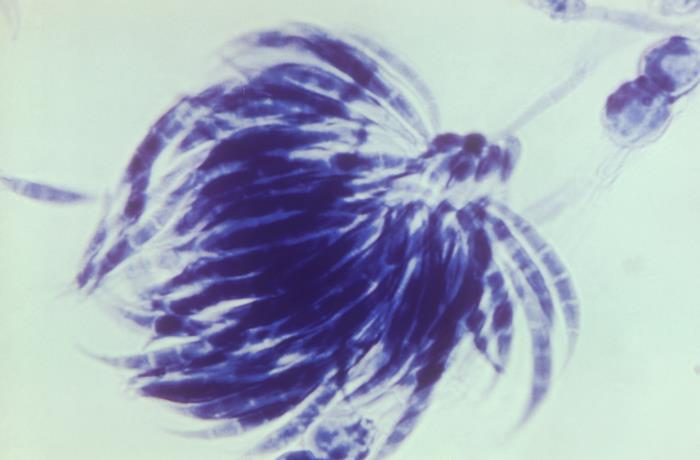
CDC Fusarium1

Mycotoxins harm human and livestock health, while damaging economies. Here we reveal the changing threat of Fusarium head blight (FHB) mycotoxins in European wheat, using data from the European Food Safety Agency and agribusiness (BIOMIN, World Mycotoxin Survey) for ten years (2010–2019). We show persistent, high, single- and multi-mycotoxin contamination alongside changing temporal-geographical distributions, indicative of altering FHB disease pressure and pathogen populations, highlighting the potential synergistic negative health consequences and economic cost.

RASFF Alerts – Listeria monocytogenes – Hummus – Goose Liver – Smoked Bacon

RASFF

Listeria monocytogenes in Obela Hummus Classic from the Netherlands in Germany

RASFF

Detection of Salmonella and Listeria in goose liver from Hungary in Italy and France

RASFF

Listeria monocytogenes in smoked bacon from Romania in the UK

RASFF Alerts – Animal Feed – Salmonella – Pet Food – Rapeseed Mealt

RASFF

Salmonella Spp in processed animal proteins (SOA cat.3) for petfood from Czech Republic in Italy

RASFF

Salmonella Senftenberg in the post-extraction rapeseed meal from Ukraine in Poland

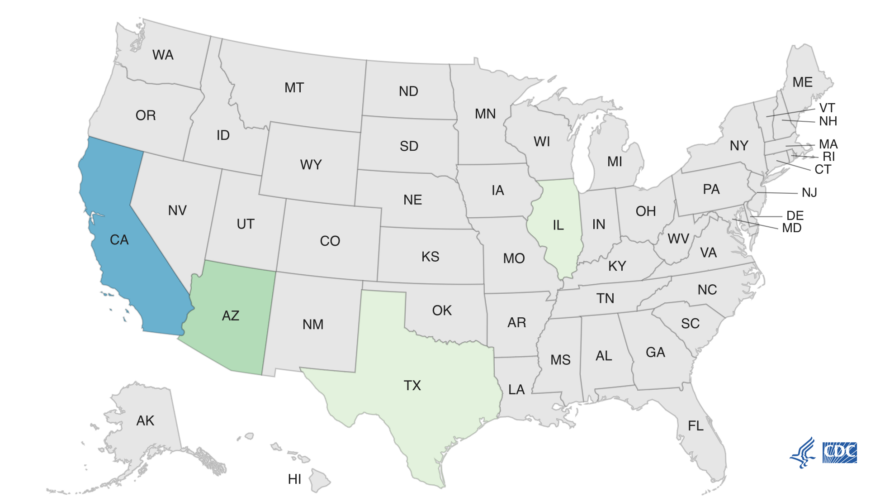
USA -39 California, Arizona, Texas and Illinois Salmonella illnesses linked to raw fish

Food Poison Journal

A total of 39 people infected with the outbreak strain of Salmonella Litchfield were reported from 4 states – California, Arizona, Texas and Illinois.


Illnesses started on dates ranging from June 14, 2022, to October 23, 2022 (see timeline). Sick people ranged in age from 1 to 80 years, with a median age of 33, and 66% were female. Of 32 people with information available, 15 were hospitalized. No deaths were reported.

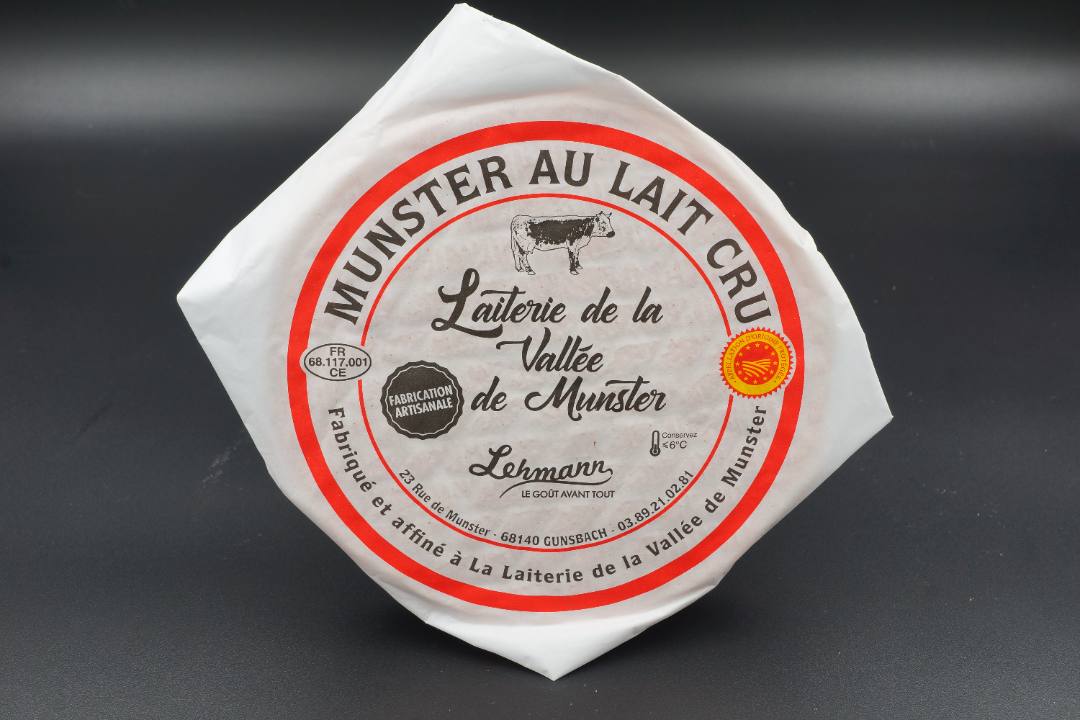
France – MUNSTER AOP WITH RAW MILK – Listeria monocytogenes

Gov france

Identification information of the recalled product

  • Product category Feed
  • Product subcategory Milk and dairy products
  • Product brand name MUNSTER VALLEY DAIRY
  • Model names or references Small Munster Large Munster Small Munster Cumin Large Munster Cumin
  • Identification of products
    Batch Date
    307 Use-by date between 23/12/2022 and 07/01/2023
  • Packaging FOOD WRAPPING PAPER
  • Marketing start/end date From 23/11/2022 to 07/12/2022
  • Storage temperature Product to be stored in the refrigerator
  • Health mark FR.68.117.001 EC
  • Geographic area of ​​sale Whole France
  • Distributors See list of points of sale below
  • List of points of sale Munsters_lot_307.pdf

Practical information regarding the recall

  • Reason for recall presence of Listeria Monocytogenes

Estonia improves fish controls after Listeria outbreak

Food Safety News

Measures taken by Estonian authorities following a Listeria outbreak have improved the fish control system, according to the European Commission.

A remote DG Sante audit, in October 2020, looked at checks to ensure smoked fish meets microbiological food safety criteria, as well as measures taken by authorities in non-compliances.

Eight Rapid Alert System for Food and Feed (RASFF) reports for Listeria monocytogenes in smoked fishery products from Estonia have been issued since 2015. All but one concerned the same establishment.

A multi-country outbreak of 22 listeriosis cases linked to cold-smoked salmon and trout pointed toward M.V Wool, an Estonian processing company as the manufacturer of these fish products. This was based on traceability information and a match between the outbreak strain and samples on the processing line and in four batches of the final product. Five countries were affected from 2014 to 2019 and five people died.

Research – Safety and quality of water used with fresh fruits and vegetables

WHO

During fresh fruit and vegetables (FFV) production, water is used for a variety of purposes. Even the water was conventionally treated and disinfected, it may still potentially contain human pathogens, albeit at low concentrations. A risk assessment, appropriate to the national or local production context, should be conducted to assess the potential risks associated with a specific water source or supply in order to devise the appropriate risk mitigation strategies.

Since the 48th session of Codex Committee on Food Hygiene (CCFH) noted the importance of water safety and quality in food production and processing, FAO and WHO has undertaken the work on this subject. This report describes the output of the third in a series of meetings, which examined appropriate and fit-for-purpose microbiological criteria for water used with fresh fruit and vegetables. The advice herein will support decision making when applying the concept of fit-for-purpose water for use in the pre- and post-harvest production of fresh fruit and vegetables.

Research – Listeria monocytogenes in ready-to-eat (‎RTE)‎ food: attribution, characterization and monitoring: meeting report

WHO

Since the publication of the 2004 risk assessment, outbreaks of illness and resultant deaths due to L. monocytogenes continue to occur across the globe. Continued effort is needed to summarize and critically evaluate the most recent information on L. monocytogenes in RTE foods. New data to improve and further inform the 2004 Risk Assessment is available for nearly every factor considered previously, including new quantitative data on L. monocytogenes contamination of foods.

To facilitate this work, an FAO/WHO expert meeting was held by virtual means from 20 October to 6 November 2020 to review and discuss the available data and background documents, and to assess the need to modify and update risk assessment models/tools. This report focuses on the deliberations and conclusions of the expert meeting.

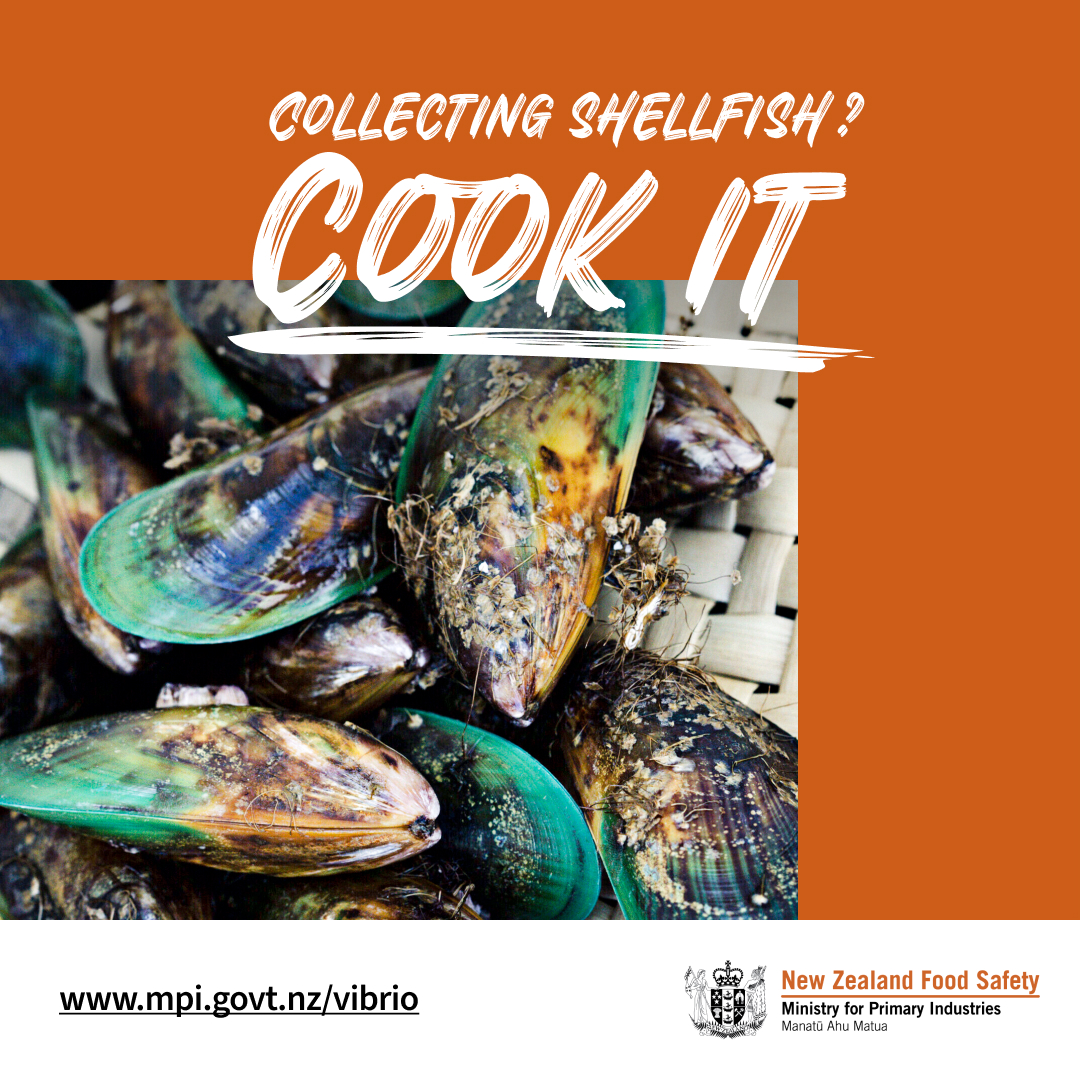
New Zealand – Collecting shellfish this summer? Cook it to keep your whānau safe from Vibrio

MPI

New Zealand Food Safety is calling on Kiwis to thoroughly cook the shellfish they collect this summer following an increase in cases of Vibrio parahaemolyticus illness in previous summer months.

Vibrio is a type of bacteria naturally living in the sea, and some strains can make people sick with gastroenteritis when consumed in raw or undercooked shellfish.

“Our message to those who want to eat raw or lightly cooked shellfish – like mussels, kina and pipi – is to be aware there are increased risks of illness and the simple precautions you can take to protect yourselves and your families,” says New Zealand Food Safety deputy director-general Vincent Arbuckle.

“We are starting to see more cases of illness from Vibrio parahaemolyticus. While we can’t definitively identify the cause, it is possibly because of rising sea temperatures, making it easier for bacteria to spread.

“So, as we gear up for summer, and enjoy time with family and friends over the holidays, we need to make sure to take extra care when collecting and preparing shellfish.

“In the most recent outbreak, there were 60 reported cases of Vibrio parahaemolyticus, between November 2021 and May 2022. Of particularly of concern is the high hospitalisation rate of almost 42%.

“It’s a notable increase in reported cases from previous years, with 24 cases reported earlier in 2021, 16 cases in 2020 and 23 cases in 2019. The reason for the increase is unclear at this stage – it could be caused by environmental change, increased testing and reporting, or a combination of these and other factors – but it is clear, that cooking your shellfish kills the bacteria that makes you sick.

Vibrio bacteria can cause illnesses like gastroenteritis – with symptoms including diarrhoea, abdominal cramps, nausea, vomiting and fever – blood poisoning and wound infections.

“It’s especially important for those with underlying health conditions, pregnant and older people, and younger children to avoid eating raw shellfish,” Mr Arbuckle said.

“The more people know how to collect, store, prepare and cook shellfish safely, the more they can look out for both themselves and others in our communities who may be more vulnerable.

“We want people to know there are easy, tasty ways to make the kai moana you collect safe for eating, so we’ve released a series of simple recipes, created by a community chef. These are available on the website to download and enjoy.

“On our own, we can’t control the changing environmental factors, but we can all help look after our whānau and reduce the risk of them falling sick from Vibrio by taking some simple precautions – and by spreading the word on safe ways to cook shellfish.”

What you can do to help keep your whānau safe:

  • Don’t eat shellfish raw or undercooked. Cook shellfish thoroughly (until they open and are firm to the touch) or so they get to at least 65°C for 1 minute. 
  • Avoid gathering shellfish after heavy rainfall or if the water is unusually dirty.
  • Keep shellfish alive and cool.
  • Refrigerate your shellfish as soon as possible and, ideally, eat it on the day of collection or within 2 days.
  • To avoid cross-contamination, keep hands and utensils clean to prepare raw shellfish, and keep raw shellfish separated from cooked or ready-to-eat products.

What to do if someone falls sick after eating shellfish:

  • phone healthline on 0800 61 11 16, or
  • seek medical attention immediately.

If possible, store and refrigerate any leftover shellfish for testing.

More information on Vibrio and shellfish food safety tips