Category Archives: Food Hygiene

RASFF Alert – Mycotoxin -DON – Deoxynivalenol – Gluten Free Oatcakes

RASFF-Logo

RASFF-deoxynivalenol (DON) (1461 µg/kg – ppb) in gluten free oatflakes from the United Kingdom in Hungary

RASFF Alert- Ochratoxin A – Raisins

RASFF-Logo

RASFF-ochratoxin A (16 µg/kg – ppb) in raisins from Turkey in Portugal

USA – E. coli O157:H7 Romaine Outbreak Increases With 52 Sick and 19 Hospitalized

Food Poisoning Bulletin

E. coli O157:H7 Romaine Outbreak 12618

The E. coli O157:H7 romaine outbreak has grown, according to an update posted by the Centers for Disease Control and Prevention (CDC). Since the last update posted in November 26, 2018, an additional nine patients have been added to the total for 52 sick. Those patients live in 15 states. Nineteen people have been hospitalized.

USA – Bauer’s Candies’ Modjeskas May Be Contaminated with Hepatitis A

Food Poisoning Bulletin

Bauer’s Candies’ Modjeskas

The FDA has issued a public health alert about possible hepatitis A contamination in Bauer’s Candies’ Modjeskas. This product is individually wrapped marshmallow candy that is dipped in chocolate or caramel. A worker in the facility tested positive for hepatitis A.

New Zealand – Shellfish biotoxin alert for the Bay of Islands in Northland


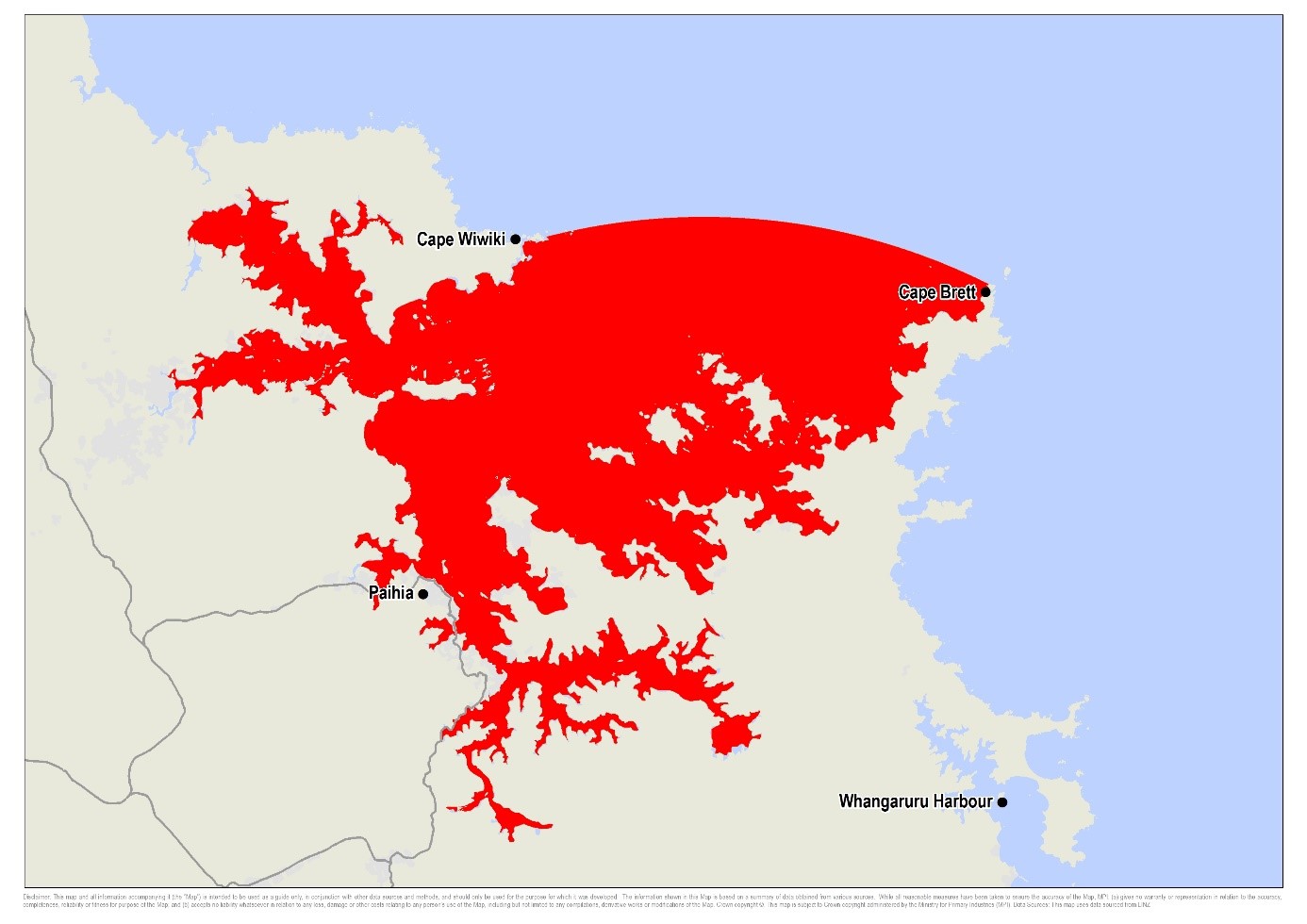
The affected area is inside a line between Cape Brett and Cape Wiwiki.

MPI 

The Ministry for Primary Industries (MPI) yesterday issued a public health warning advising the public not to collect or consume shellfish harvested from the entire Bay of Islands inside a line between Cape Brett northward to Cape Wiwiki.

Routine tests on shellfish samples taken from this region have shown levels of Paralytic Shellfish Poisoning (PSP) toxins above the safe limit of 0.8 mg/kg set by MPI. Anyone eating shellfish from this area is potentially at risk of illness.

Hong Kong – Test results on microbiological quality of poon choi all satisfactory

CFS


The Centre for Food Safety (CFS) of the Food and Environmental Hygiene Department today (November 26) announced the test results of a recently completed seasonal food surveillance project on the microbiological quality of poon choi. Thirty samples were collected and all passed the tests.

A CFS spokesman said, “As poon choi is popular for gatherings during winter and there were previous cases of bacterial food poisoning associated with poon choi, the CFS has continued to conduct a seasonal food surveillance project this year to assess the microbiological quality of poon choi. A total of 30 poon choi samples were collected from different retailers (including online retailers) for testing of common food poisoning organisms including Bacillus cereus, Clostridium perfringens, Salmonella, coagulase-positive staphylococci organisms and Vibrio parahaemolyticus.”

Despite the satisfactory results of all samples tested, the spokesman reminded people to be careful when purchasing and enjoying this seasonal delicacy. He advised consumers to order poon choi from licensed and reliable shops, avoid prolonged storage of poon choi at room temperature to reduce the risk of bacteria growth, reheat poon choi thoroughly before consumption, consume cooked or reheated poon choi as soon as possible or keep the food at temperatures above 60 degrees Celsius, and stop consuming the food if it tastes or smells abnormal.

“The public should also maintain a balanced diet and avoid eating too much food with high levels of energy, sugar, salt or fat,” the spokesman said.

He also appealed to the food trade not to entertain orders beyond handling capacity. Traders are reminded to check the quality of food and ingredients when they are delivered to them. In addition, to reduce the risk of food poisoning, they should avoid preparing food too far in advance and take note of the temperature in storing, transporting and preparing food.

“All food and food ingredients should be stored at safe temperatures while perishable items should be stored at 4 degrees C or below. The cooling time of cooked food should be reduced as far as possible, for example, by dividing food into smaller portions or placing it in shallow containers. When transporting hot poon choi, it should be kept at above 60 degrees C, and for chilled poon choi, it should be kept at 4 degrees C or below,” the spokesman said.

“Traders should also provide clear advice on the proper methods of storing and reheating of poon choi to consumers so as to further reduce the risk of food poisoning due to improper handling,” he added.

The CFS will continue its surveillance of poon choi available in the market to ensure food safety and protect the health of the public.


Turkey – 337 sick: Academics to dine with students after food poisoning at Van university in Turkey’s east

BarfBlog

Hurriyet Daily News writes the senate of Van Yüzüncü Yıl University in the eastern province of Van has decided that one academic will dine with students every day after dozens of students living in a dormitory suffered from food poisoning last week.

On Nov. 29, a total of 337 students were hospitalized following complaints such as nausea and high fever. A special commission was established to investigate the suspected poisoning and officials from the local health and provincial directorate of agriculture collected samples from the food and the water students consumed

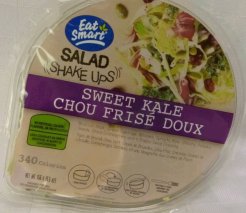
Canada -Food Recall Warning – Eat Smart brand Salad Shake Ups – Sweet Kale recalled due to Listeria monocytogenes

CFIA  20181203a_1543877467445_eng

Recall details

Ottawa, December 4, 2018 – Industry is recalling Eat Smart brand Salad Shake Ups – Sweet Kale from the marketplace due to possible Listeria monocytogenes contamination. Consumers should not consume the recalled product described below.

Recalled products

Brand Name Common Name Size Code(s) on Product UPC
Eat Smart Salad Shake Ups – Sweet Kale 156 g Best Before DEC 03 2018 DE 03
112 319
7 09351 30243 5

What you should do

If you think you became sick from consuming a recalled product, call your doctor.

Check to see if you have recalled products in your home. Recalled products should be thrown out or returned to the store where they were purchased.

Food contaminated with Listeria monocytogenes may not look or smell spoiled but can still make you sick.

USA – Michigan Cracker Barrel Shuttered due to Salmonella

Food Poison Journal

The Cracker Barrel restaurant near I-94 and S. 9th St. is voluntarily closing its’ doors for good following a salmonella outbreak investigation.The Kalamazoo County Health & Community Services Department (HCS), along with the Michigan Department of Health and Human Services (MDHHS) began investigating the location in June 2018 for health code violations and reports of food borne illnesses. HCS officials said the establishment voluntarily closed in June to begin facility renovations and worked with them to ensure all Michigan Food Law requirements were met to reopen.

Singapore – Over 400 ill from food poisoning in November alone

TNP SG

In the second half of the year alone, Singapore has seen a series of food poisonings, with threethis month.

In July, about 200 students of CHIJ Secondary (Toa Payoh) had symptoms of food poisoning, including diarrhoea and abdominal pain.

None of the affected students was hospitalised and most returned to school soon after, said the school’s principal Karen Tay.

Last month, days before the A-level examinations, about 200 Raffles Institution students showed symptoms of food poisoning after a buffet prepared by an external caterer.

Most of the affected students were in Year 6 and had symptoms such as diarrhoea and stomachache. One student was hospitalised.

In the past three weeks, over 400 people fell ill after consuming catered food.