Category Archives: Biotoxin

Hong Kong – Mycotoxins in Spices

CFS

Food Safety Focus (155th Issue, June 2019) – Food Safety Platform

Mycotoxins in Spices

Reported by Ms. Janny MA, Scientific Officer
Risk Assessment Section, Centre for Food Safety

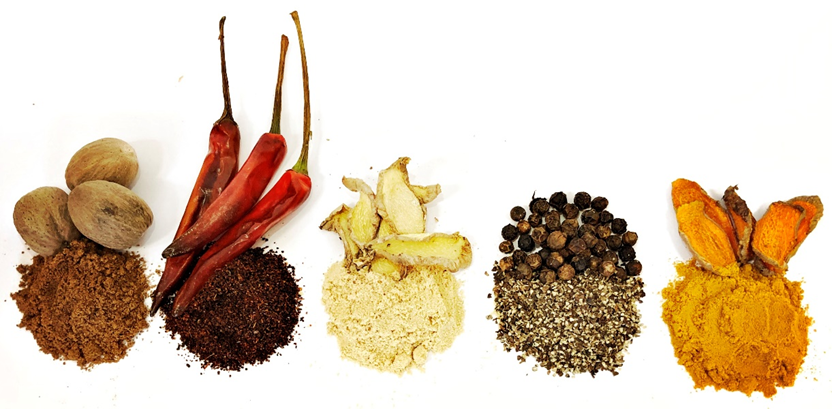
In the last two issues, we touched on several mycotoxins in food that present a health concern in humans, including aflatoxins in tree nuts and oil seeds, deoxynivalenol in cereals as well as patulin in apple juices.  This time, we will focus on the contamination of mycotoxins in some other food ingredients that are often used in small quantities but can enhance flavours of our food – spices.

New Zealand – Shellfish biotoxin alert – Northland west coast

MPI

The Ministry for Primary Industries today issued a public health warning against collecting shellfish on the Northland west coast from Waipapakauri on 90 Mile Beach, south to Pouto Point on the northern head of the Kaipara Harbour. This includes the Herekino, Whangape and Hokianga Harbours. Warning signs will be posted in the coming days.

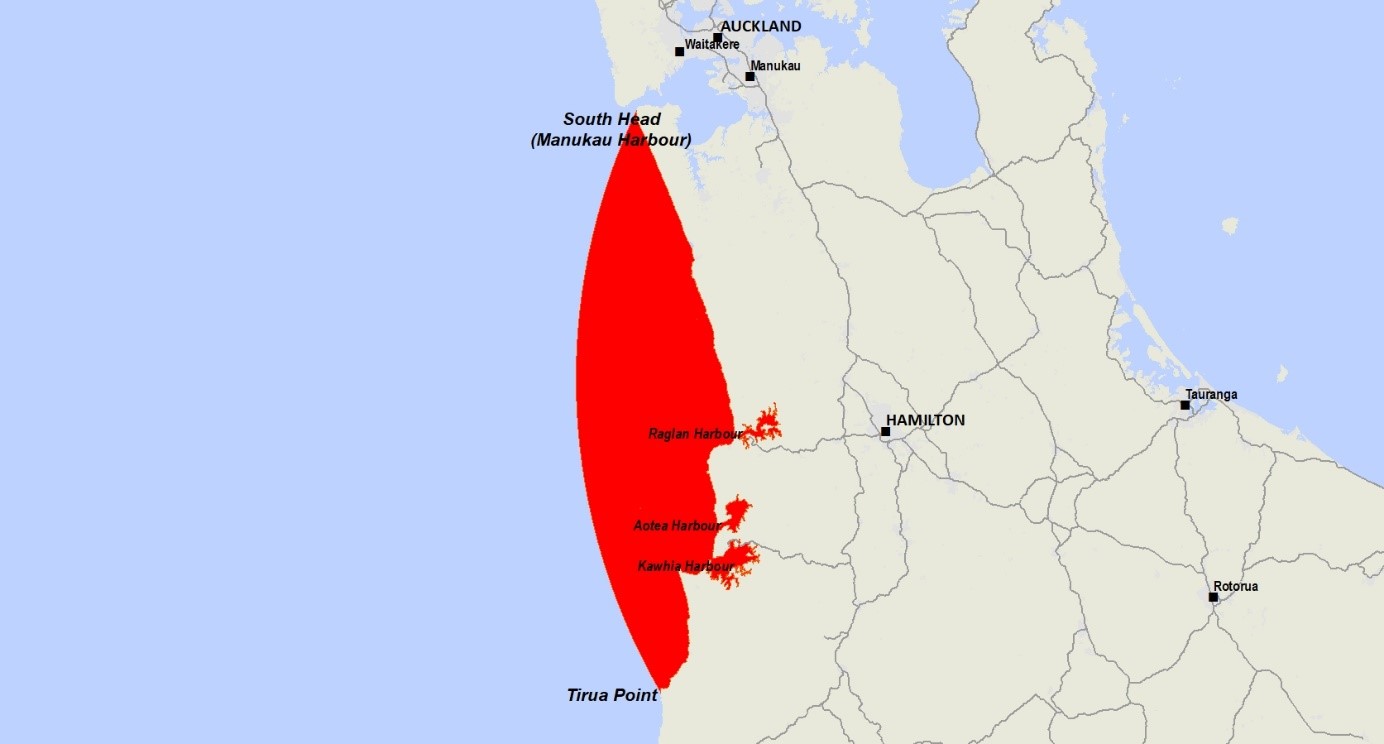
Another warning remains in place for the west coast of the North Island – from South Head (Manukau Harbour entrance) to Tirua Point (south of Kawhia).

Routine tests on shellfish samples taken from these regions have shown levels of Paralytic Shellfish Poisoning (PSP) toxins above the safe limit of 0.8 mg/kg set by MPI. Anyone eating shellfish from this area is potentially at risk of illness.

Mussels, oysters, tuatua, pipi, toheroa, cockles, scallops, catseyes, kina (sea urchin) and all other bivalve shellfish should not be eaten.

Note, cooking shellfish does not remove the toxin.

Pāua, crab and crayfish may still be eaten if the gut has been completely removed prior to cooking, as toxins accumulate in the gut. If the gut is not removed its contents could contaminate the meat during the cooking process.

Symptoms typically appear between 10 minutes and 3 hours after ingestion and may include:

  • numbness and a tingling (prickly feeling) around the mouth, face, and extremities (hands and feet)
  • difficulty swallowing or breathing
  • dizziness
  • headache
  • nausea
  • vomiting
  • diarrhoea
  • paralysis and respiratory failure and in severe cases, death.

If anyone becomes ill after eating shellfish from an area where a public health warning has been issued, phone Healthline for advice on 0800 61 11 16, or seek medical attention immediately. You are also advised to contact your nearest public health unit and keep any leftover shellfish in case it can be tested.

Monitoring of toxin levels will continue and any changes will be communicated accordingly. Commercially harvested shellfish – sold in shops and supermarkets, or exported – is subject to strict water and flesh monitoring programmes by MPI to ensure they are safe to eat.

MPI Alerts

Research – The growth characteristics of Bacillus cereus in sake and during its manufacture.

Journal of Food Protection

Sake (Japanese rice wine) has been recognized as being low-risk in terms of its microbiological safety. However, a confirmation of the food safety aspects of sake based on scientific evidence is important for establishing consumer confidence, in part because consumer concerns regarding food safety have increased. The presence of Bacillus cereus spores in refined rice wine has been reported, and in light of consumers’ growing concern over food safety, the establishment of food and beverage safety is important for consumers’ reassurance. Herein, to confirm the microbiological safety of sake, we investigated the content and growth of B. cereus. We conducted a spore addition test to determine whether B. cereus spores grow during sake production, and we observed no growth or germination of B. cereus spores during the manufacturing process. We also observed that processes such as solid-liquid separation and filtration help remove the risk posed by B. cereus. We then conducted a survey to assess the density of B. cereus in various commercial sake products. We analyzed 162 samples of commercial sake and observed that 11 of the products had ≥1 CFU of living cells in 1 mL of sake (detection rate: 6.8%). There was no product in which ≥100 CFU/mL-sake of living cells was detected. Our findings confirmed that the density of these bacteria in sake is lower than that in other foods, and the probability of infection is very low. The emetic toxin produced by B. cereus was not detected in any of the sake samples. This is the first study based on experimental data demonstrating that B. cereus is not able to grow in sake or during the sake manufacturing process. We thus conclude that the safety risk of B. cereus in sake is negligible. Our findings indicate that Bacillus cereus is not a significant hazard in the sake brewing process, and they will contribute to the food hygiene management based on scientific evidence in sake breweries.

Caribbean – CPS reports cases of fish poisoning

The Daily Herald

PHILIPSBURG–The Collective Prevention Service (CPS), as a public health agency, is advising the public to pay attention to proper food handling procedures when preparing meals.

CPS said the department had received reports of four cases of fish poisoning September 5 and 7.

“As with all reportable diseases, CPS surveillance nurses conduct case follow-up to identify the possible source(s) of exposure,” CPS said on Thursday. During the investigation, it came to light that the purchasing, storage, and preparation of the seafood played a major role in the source of food poisoning.

“CPS would like to remind persons when purchasing fish, or any type of sea food, that it is important to handle the products safely to reduce the risk of foodborne illness often called food poisoning,” said the department.

New Zealand – Shellfish biotoxin alert

MPI

ALL WARNINGS ARE UP TO DATE

Warnings are reviewed weekly following sampling results. Information on this page is then updated if needed.

If you have questions, email info@mpi.govt.nz

Current warnings

West Coast – South Head to Tirua Point (south of Kawhia) – North Island

Map showing the affected area

Previous changes
  • 2 October: Hawke’s Bay Warning removed
  • 19 August: Hawke Bay Warning extended to Young Nicks Head.
  • 12 August: NI West Coast – South Head to Tauratahi Point warning issued
  • 12 August: Port Levy warning removed.

RASFF Alerts – Aflatoxin – Peanuts – Dried Figs – Pistachio Kernels – Blanched Peanuts

European Food Alerts

RASFF

aflatoxins (B1 = 50.4; Tot. = 76 µg/kg – ppb) in peanuts from Nigeria in the UK

RASFF

aflatoxins (B1 = 16.5; Tot. = 28.9 µg/kg – ppb) in dried figs from Turkey in Norway

RASFF

aflatoxins (B1 = 120; Tot. = 130 µg/kg – ppb) in pistachio kernel from Turkey in the Netherlands

RASFF

aflatoxins (B1 = 4.6; Tot. = 16 µg/kg – ppb) in blanched peanuts from Argentina in the Netherlands

RASFF Alert – Ochratoxin A – Figs

European Food Alerts

RASFF

ochratoxin A (28 µg/kg – ppb) in figs from Turkey in the Netherlands

Canada – Updated and Corrected Food Recall Warning – Provigo brand and Metro brand ground beef products recalled due to E. coli O157

CFIA

Advisory details

Ottawa, September 28, 2020 – The food recall warning issued on September 27, 2020 has been updated to include additional product information. The food recall warning issued on September 27, 2020 has also been amended to correctly identify the affected products. The corrections for these products are marked by an asterisk (*). This additional information was identified during the Canadian Food Inspection Agency’s (CFIA) food safety investigation.

JBS Food Canada ULC is recalling raw, fresh, lean ground beef due to possible E. coli O157 contamination. This product was further processed by other companies into raw ground beef products. Consumers should not consume the recalled products described below.

The following products have been sold exclusively at Provigo Hull, 1 du Plateau, Gatineau, Quebec and Metro (Marché Kelly), 910 Maloney boulevard east, Gatineau, Quebec.

Recalled product

Brand Product Size UPC Codes
Provigo Medium ground beef club pack Variable Starts with
0 213026
All Best Before dates from 23.SE2020 up to and including 28.SE 2020 *
Provigo Medium ground beef Variable Starts with
0 214117
All Best Before dates from 23.SE2020 up to and including 28.SE 2020
Provigo Lean ground beef club pack Variable Starts with
0 217334
All Best Before dates from 23.SE2020 up to and including 28.SE 2020 *
Provigo Lean ground beef Variable Starts with
0 217331
All Best Before dates from 23.SE2020 up to and including 28.SE 2020
Metro Lean ground beef Variable Starts with
0 201020
All  « pkgd on » dates from 24.SE 2020 up to and including 26.SE 2020
Metro Lean ground beef fam. pack Variable Starts with
0 201710
All  « pkgd on » dates from 24.SE 2020 up to and including 26.SE 2020

What you should do

If you think you became sick from consuming a recalled product, call your doctor.

Check to see if you have the recalled products in your home. Recalled products should be thrown out or returned to the store where they were purchased.

Food contaminated with E. coli O157 may not look or smell spoiled but can still make you sick. Symptoms can include nausea, vomiting, mild to severe abdominal cramps and watery to bloody diarrhea. In severe cases of illness, some people may have seizures or strokes, need blood transfusions and kidney dialysis or live with permanent kidney damage. In severe cases of illness, people may die.

Background

This recall was triggered by the company. The CFIA is conducting a food safety investigation, which may lead to the recall of other products. If other high-risk products are recalled, the CFIA will notify the public through updated Food Recall Warnings.

The CFIA is verifying that industry is removing the recalled products from the marketplace.

Illnesses

There have been no reported illnesses associated with the consumption of these products.

Product photos

Printer ready version of photos

  • Provigo - Medium ground beef club pack
  • Provigo - Medium ground beef
  • Provigo - Lean ground beef club pack
  • Provigo - Lean ground beef
  • Provigo - Lean ground beef - Nutrition facts
  • Provigo - Medium ground beef - Nutrition facts
  • Metro - Lean ground beef
  • Metro - Lean ground beef fam. pack

Public enquiries and media

Public enquiries
Toll-free: 1-800-442-2342 (Canada and U.S.)
Telephone: 1-613-773-2342 (local or international)
Email: cfia.enquiries-demandederenseignements.acia@canada.ca
Media relations
Telephone: 613-773-6600
Email: cfia.media.acia@canada.ca

Russia – Six botulism deaths in Volgograd in first half of 2020

Outbreak News Today

Officials in the Volgograd region in Southern Russia have reported 60 botulism cases in the first half of 2020.

Of the sixty cases, six fatalities were reported.

About 200 people suffer from this severe disease affecting the central nervous system in the region every year. Now the inhabitants of the region are actively engaged in the preparation of homemade canned food for the winter.

This has prompted the Office of Rospotrebnadzor in the Volgograd region to put some restrictions.

Experts advise against buying pickles on the street and homemade smoked meats. Housewives should not reduce the amount of salt and vinegar or shorten cooking time during home preservation.

Canada – Érablière Godbout brand “Sauce spaghetti” recalled due to potential presence of dangerous bacteria – Clostridium botulinum

CFIA

Recall details

Ottawa, September 27, 2020 – Érablière Godbout is recalling Érablière Godbout brand “Sauce spaghetti” from the marketplace because it may permit the growth of Clostridium botulinum. Consumers should not consume the recalled products described below.

Recalled product

Brand Product Size UPC Codes
Érablière Godbout Sauce spaghetti 500 mL None All units where the label does not mention “Keep Refrigerated”
Érablière Godbout Sauce spaghetti 1 L None All units where the label does not mention “Keep Refrigerated”

What you should do

If you think you became sick from consuming a recalled product, call your doctor.

Check to see if you have the recalled products in your home. Recalled products should be thrown out or returned to the store where they were purchased.

Food contaminated with Clostridium botulinum toxin may not look or smell spoiled but can still make you sick.

Symptoms in adults can include facial paralysis or loss of facial expression, unreactive or fixed pupils, difficulty swallowing, drooping eyelids, blurred or double vision, difficulty speaking or including slurred speech, and a change in sound of voice, including hoarseness.

Symptoms of foodborne botulism in children can include difficulty swallowing, slurred speech, generalized weakness and paralysis. In all cases, botulism does not cause a fever. In severe cases of illness, people may die.

Background

This recall was triggered by Canadian Food Inspection Agency (CFIA) test results. The CFIA is conducting a food safety investigation, which may lead to the recall of other products. If other high-risk products are recalled, the CFIA will notify the public through updated Food Recall Warnings.

The CFIA is verifying that industry is removing the recalled products from the marketplace.

Illnesses

There have been no reported illnesses associated with the consumption of these products.

Product photos

Printer ready version of photos

  • Érablière Godbout – "Sauce spaghetti" (label)
  • Érablière Godbout – "Sauce spaghetti" (ingredients)