Author Archives: KSW

USA – Clio Strawberry Granola & Yogurt Parfait Bar – Listeria monocytogenes – Enforcement Report

FDA

Product Description:

Clio Strawberry Granola & Yogurt Parfait Bar Net Wt. 1.94 OZ (55g ) UPC: 854021008152 Packaged in a cardboard box.

Reason for Recall: Possible contamination with Listeria monocytogenes

Product Quantity: 581 cases of 10 single units

Recall Number: F-0697-2023

Code Information: 048C2023 Expiration date:4/30/2023

Initial Firm Notification of Consignee or Public:

Two or more of the following: Email, Fax, Letter, Press Release, Telephone, Visit

Status: Ongoing

Distribution Pattern: Product distributed to distribution centers in IL, SC, MO, WA, GA, MN, FL, NC, ME, and CA. Then further distributed to retail stores in IA, IL, VA, WI, and NC.

Recalling Firm:

Clio LLC
141 Ethel Rd W
Piscataway, NJ 08854-5928
United States

Press Release URL(s):

03/14/2023

Recall Initiation Date: 3/7/2023

Center Classification Date: 4/6/2023

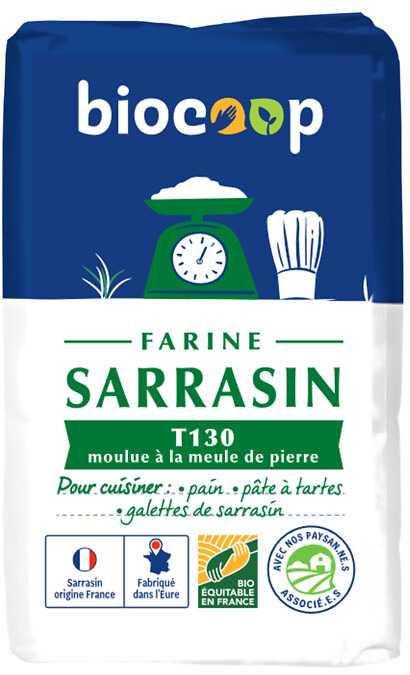
France – Buckwheat flour T130 1kg – Ochratoxin A

Gov france

Identification information of the recalled product

  • Product category Feed
  • Product subcategory Cereals and baked goods
  • Product brand name Biocoop
  • Model names or references Buckwheat flour T130 1kg
  • Identification of products
    GTIN Batch Date
    3558630113005 130323FSAT130 Date of minimum durability 13/03/2024
  • Products List Poster_withdrawal_reminder_BR0216_-_Buckwheat_flour_T130_1kg.pdf Attachment
  • Packaging1kg package
  • Marketing start/end date From 03/24/2023 to 04/14/2023
  • Storage temperature Product to be stored at room temperature
  • Geographic area of ​​sale Whole France
  • Distributors Biocoop

Practical information regarding the recall

  • Reason for recall Following analysis, the level of ochratoxin A (OTA) is higher than the regulations in force.

Canada: Salmonella outbreak in 8 provinces linked to snakes and feeder rodents

Outbreak News Today

The Public Health Agency of Canada is investigating an outbreak occurring in eight provinces of Salmonella infections linked to snakes and feeder rodents.

As of April 13, 2023, there are 45 confirmed cases of Salmonella illness reported in this outbreak in the following provinces: British Columbia (1), Alberta (5), Saskatchewan (1), Manitoba (3), Ontario (22), Quebec (11), New Brunswick (1) and Newfoundland and Labrador (1).

Individuals became sick between February 2022 and March 2023. Nine individuals have been hospitalized. One person has died and provincial public health partners have confirmed that Salmonella was the cause of death.

Individuals who became ill are between 0 and 96 years of age. Nine of 45 (20%) of the cases are under 5 years of age. Approximately half of the cases (51%) are male.

Many of the individuals who became sick reported having direct or indirect contact with snakes and feeder rodents (used as reptile food) before their illnesses occurred.

Salmonellosis is a well-known foodborne illness caused by Salmonella bacteria. However, it can also occur if a person does not properly wash their hands after handling pets and farm animals, such as pet reptiles or baby chicks.

Research – Norwegian raw cow`s milk, a potential source of zoonotic pathogens?

NMBU

The worldwide emerging trend of eating “natural” foods, that has not been processed, also applies for beverages. According to Norwegian legislation, all milk must be pasteurized before commercial sale but drinking milk that has not been heat-treated, is gaining increasing popularity.
Scientist are warning against this trend and highlights the risk of contracting disease from milk-borne microorganisms. To examine potential risks associated with drinking unpasteurized milk in Norway, milk-and environmental samples were collected from dairy farms located in south-east of Norway. The samples were analyzed for the presence of specific zoonotic pathogens; Listeria monocytogenes, Campylobacter spp., and Shiga toxin-producing Escherichia coli(STEC).
Cattle are known to be healthy carriers of these pathogens, and Campylobacter spp. and STEC have a low infectious dose, meaning that infection can be established by ingesting a low number of bacterial cells. L. monocytogenes causes one of the most severe foodborne zoonotic diseases, listeriosis, that has a high fatality rate. All three pathogens have caused milk borne disease outbreaks all over the world, also in Norway. During this work, we observed that the prevalence of the three examined bacteria were high in the environment at the examined farms. In addition, 7% of the milk filters were contaminated by STEC, 13% by L. monocytogenes and 4% by Campylobacter spp. Four of the STEC isolates detected were eae-positive, which is associated with the capability to cause severe human disease. One of the eae-positive STEC isolates were collected from a milk filter, which strongly indicate that Norwegian raw milk may contain potential pathogenic STEC.
To further assess the possibilities of getting ill by STEC after consuming raw milk, we examined the growth of the four eae-positive STEC isolates in raw milk at different temperatures. All four isolates seemed to have ability to multiply in raw milk at8°C, and one isolate had significant growth after 72 hours. Incubation at 6°C seemed to reduce the number of bacteria during the first 24 hours before cell death stopped.
These findings highlight the importance of stable refrigerator temperatures, preferable <4°C,for storage of raw milk. The L. monocytogenes isolates collected during this study show genetic similarities to isolates collected from urban and rural environmental locations, but different clones were predominant in agricultural environments compared to clinical and food environments. However ,the results indicate that the same clone can persist in a farm over time, and that milk can be contaminated by L. monocytogenes clones present in farm environment.
Despite testing small volumes(25mL) of milk, we were able to isolate both STEC and Campylobacter spp. directly from raw milk. A proportion of 3% of the bulk tank milk and teat milk samples were contaminated by Campylobacter spp. and one STEC was isolated from bulk tank milk. L monocytogenes was not detected in bulk tank milk, nor in teat milk samples. The agricultural evolvement during the past decades have led to larger production units and new food safety challenges.
Dairy cattle production in Norway is in a current transition from tie-stall housing with conventional pipeline milking systems, to modern loose housing systems with robotic milking. The occurrence of the three pathogens in this project were higher in samples collected from farms with loose housing compared to those with tie-stall housing. Pasteurization of cow’s milk is a risk reducing procedure to protect consumers from microbial pathogens and in most EU countries, commercial distribution of unpasteurized milk is legally restricted. Together, the results presented in this thesis show that the animal housing may influence the level of pathogenic bacteria in the raw milk and that ingestion of Norwegian raw cow’s milk may expose consumers to pathogenic bacteria which can cause severe disease, especially in children, elderly and in persons with underlying diseases. The results also highlight the importance of storing raw milk at low temperatures between milking and consumption.

Research – Enterohemorrhagic Escherichia coli O157:H7 — Xuzhou City, Jiangsu Province, China, 2001–2021

China CDC

  • Summary

    What is already known about this topic?The largest and longest outbreak of diarrhea, which was complicated with hemolytic uremic syndrome (HUS) caused by enterohemorrhagic Escherichia coli (EHEC) O157:H7, occurred in Xuzhou City and its adjacent areas from 1999 to 2000 in China.

    What is added by this report?According to surveillance results from 2001 to 2021, there was a significant decrease in the isolation rate of O157:H7, and cattle and sheep remained the primary hosts. However, non-Shiga toxin-producing O157:H7 emerged as the dominant strain, with stx2+stx1– strains following closely behind.

    What are the implications for public health practice?National surveillance of O157:H7 effectively serves as an early warning system and guidance for assessing the intensity and trend of disease epidemics. It is crucial to raise awareness of the public health risks associated with Shiga toxin-producing E. coli.

Research – Cryptosporidiosis threat under climate change in China: prediction and validation of habitat suitability and outbreak risk for human-derived Cryptosporidium based on ecological niche models

IDP Journal

Cryptosporidiosis is a zoonotic intestinal infectious disease caused by Cryptosporidium spp., and its transmission is highly influenced by climate factors. In the present study, the potential spatial distribution of Cryptosporidium in China was predicted based on ecological niche models for cryptosporidiosis epidemic risk warning and prevention and control.

Research – Classification and ranking of shigatoxin-producing Escherichia coli (STEC) genotypes detected in food based on potential public health impact using clinical data

Science Direct

Abstract

Risk classification and management of shigatoxin-producing E. coli (STEC) isolated from food has been hampered by gaps in knowledge about the properties that determine the extent to which different subtypes of STEC can cause severe disease. Data on the proportion of infected human cases being affected by severe illness enables an evaluation of existing approaches for classifying STEC strains and the development of a new public health based approach. Evaluations show that existing approaches do not unequivocally classify different STEC variants according to their ability to cause severe disease. A new approach for ranking of STEC genotypes, combining the estimated probability of the strain to cause severe illness with the public health burden associated with the illness in terms of DALY per case, address these limitations. The result is a list of STEC genotypes in descending order of potential public health burden per case. The approach is risk based in considering the probability and consequences following infection (severe illness), and can support transparent risk management. This is illustrated by, arbitrarily, separating the ranked list of genotypes into classes based on the potential public health burden, and by characterising collections of strains isolated from different foods into different classes. Further, the classification of food samples as satisfactory or not based on the cost in terms of proportion of food being rejected and the benefit in terms of the proportion of strains causing severe illness (HUS) that are being captured is demonstrated using this approach.

Research – Physical Treatments to Control Clostridium botulinum Hazards in Food

MDPI

Abstract

Clostridium botulinum produces Botulinum neurotoxins (BoNTs), causing a rare but potentially deadly type of food poisoning called foodborne botulism. This review aims to provide information on the bacterium, spores, toxins, and botulisms, and describe the use of physical treatments (e.g., heating, pressure, irradiation, and other emerging technologies) to control this biological hazard in food. As the spores of this bacterium can resist various harsh environmental conditions, such as high temperatures, the thermal inactivation of 12-log of C. botulinum type A spores remains the standard for the commercial sterilization of food products. However, recent advancements in non-thermal physical treatments present an alternative to thermal sterilization with some limitations. Low- (<2 kGy) and medium (3–5 kGy)-dose ionizing irradiations are effective for a log reduction of vegetative cells and spores, respectively; however, very high doses (>10 kGy) are required to inactivate BoNTs. High-pressure processing (HPP), even at 1.5 GPa, does not inactivate the spores and requires heat combination to achieve its goal. Other emerging technologies have also shown some promise against vegetative cells and spores; however, their application to C. botulinum is very limited. Various factors related to bacteria (e.g., vegetative stage, growth conditions, injury status, type of bacteria, etc.) food matrix (e.g., compositions, state, pH, temperature, aw, etc.), and the method (e.g., power, energy, frequency, distance from the source to target, etc.) influence the efficacy of these treatments against C. botulinum. Moreover, the mode of action of different physical technologies is different, which provides an opportunity to combine different physical treatment methods in order to achieve additive and/or synergistic effects. This review is intended to guide the decision-makers, researchers, and educators in using physical treatments to control C. botulinum hazards.

Austria – Pets – Fiffy meadow hay 700g – Mold/Mould

AGES

Miscellaneous Recall

AGES informs about a recall of the company SPAR. On April 14th, 2023, the company initiated a recall of the product Fiffy meadow hay 700g:
©AGES
recall reason
Mold
Marketed by
SAVE
Manufacturer
SAVE
Expiry Date
02.2025
Batch number
No. 156 (Best before 11/24) / No. 161 (Best before 02/25)

SPAR continuously controls the products of the SPAR brands to ensure the highest quality – not only for food, but also for items for pets, for example. During a routine quality control, a microbiological deviation (mold formation) was found in the product “Fiffy Wiesenheu 700g” of batches no. 156 (best before 11/24) and no. 161 (best before 02/25). For this reason, SPAR is recalling the product with the above batch numbers. This warning does not imply that the nonconformity was caused by the producer, manufacturer, importer or distributor.

Customers are asked not to use the “Fiffy Wiesenhay 700g” with the batch numbers 156 and 161 for their pets due to a microbiological deviation (mold formation). All other Fiffy products or meadow hay of other brands are not affected by this recall.

All customers who have bought a product with the batch numbers mentioned can of course return it to the nearest SPAR, EUROSPAR or INTERSPAR store or Maximarkt. Customers are reimbursed the purchase price even without a receipt.

Customers who have questions about this are welcome to contact customer service at office@spar.at or call the freephone number 0800 / 22 11 20 .

original recall

Quebec – Notice not to consume pea soup and baked beans prepared and sold by Cabane à sucre chez Oswald – Clostridium botulinum

Quebec

QUEBEC CITY , April 13, 2023 /CNW/ – The Ministry of Agriculture, Fisheries and Food (MAPAQ), in collaboration with Cabane à sucre chez Oswald, located at 222, rang des Continuations, in Saint -Esprit , warns the population not to consume the products indicated in the table below, because they have not been prepared and packaged in such a way as to ensure their harmlessness. Indeed, these products could promote the proliferation of the  Clostridium botulinum bacterium . 

Product name

Format

Affected lot

 Pea soup 

UNITARY

Units sold until April 13, 2023

” Beans with bacon “

The products that are the subject of this warning were offered for sale until April 13, 2023, and this, only at the establishment designated above. The products were packaged in cans and sold at room temperature. The label of the products included, in addition to their name, the words “Oswald Cabane à sucre”.

The operator is voluntarily recalling the products in question. It has agreed with MAPAQ to issue this warning as a precautionary measure. Also, people who have any of these products in their possession are advised not to consume it. They must return it to the establishment where they bought it or throw it away. Even if the affected products show no signs of tampering or suspicious odors, their consumption may represent a health risk.

It should be noted that one complaint associated with the consumption of these foods has been reported to MAPAQ so far.