Monthly Archives: February 2022

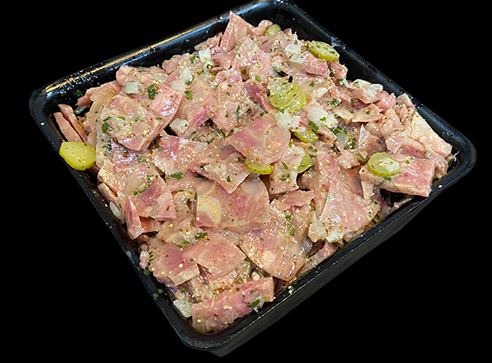
France – MUSEAUX SALAD WITH VINAIGRETTE – Listeria monocytogenes

RASFF

MUSEAUX SALAD WITH VINAIGRETTE SOLD AT THE DELICATESSEN STAND COUPE AT THE CARREFOUR ANTIBES STORE BETWEEN FEBRUARY 6 AND 7, 2022

Identification information of the recalled product

  • Product category Food
  • Product subcategory Meats
  • Product brand name UNBRANDED
  • Model names or references MUSEAUX SALAD WITH VINAIGRETTE SOLD AT THE DELICATESSEN STAND COUPE AT THE CARREFOUR ANTIBES STORE BETWEEN FEBRUARY 6 AND 7, 2022
  • Identification of products
    GTIN Lot
    1111111111111 SOLD FROM FEBRUARY 6 TO 7, 2022
  • Packaging TRAY
  • Marketing start/end date From 06/02/2022 to 07/02/2022
  • Storage temperature Product to be stored in the refrigerator
  • Further information MUSEAUX SALAD WITH VINAIGRETTE SOLD AT THE DELICATESSEN STAND COUPE AT THE CARREFOUR ANTIBES STORE BETWEEN FEBRUARY 6 AND 7, 2022
  • Geographic area of ​​sale CARREFOUR ANTIBES HYPERMARKET ONLY
  • Distributors CARREFOUR ANTIBES HYPERMARKET ONLY

Practical information regarding the recall

  • Reason for recallPRESENCE OF LISTERIA
  • Risks incurred by the consumerListeria monocytogenes (causative agent of listeriosis)
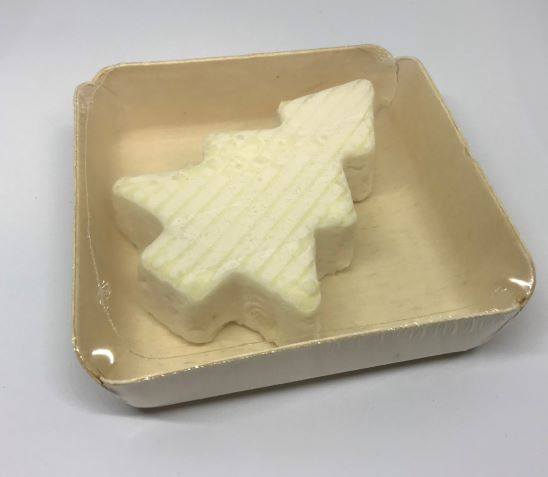
France – SAPIC WHITE LS Cheese – Listeria monocytogenes

RASFF

Identification information of the recalled product

  • Product category Food
  • Product subcategory Milk and dairy products
  • Product brand name Peak
  • Model names or references Sapic LS BATCH: 15012224
  • Identification of products
    GTIN Lot Dated
    3548780001222 15012224 Date of minimum durability 02/23/2022
  • Packaging Wooden tray
  • Marketing start/end date From 01/25/2022 to 02/16/2022
  • Storage temperature Product to be stored in the refrigerator
  • Health mark81.206.009
  • Further information6 units affected Sapic Blanc
  • Geographic area of ​​sale Regions: New Aquitaine
  • Distributors Super U Sauveterre de Guyenne (Via the distributor Aquitaine Fromages)

Practical information regarding the recall

  • Reason for recall Presence of Listeria Monocytogenes
  • Risks incurred by the consumer Listeria monocytogenes (causative agent of listeriosis)

RASFF Alert – Histamine – Tuna

RASFF

Histamine in chilled tuna from The Netherlands in Belgium

RASFF Alerts – Listeria monocytogenes – Smoked Salmon – Sweet Potato Hummus

RASFF

Smoked Salmon – Listeria monocytogenes from France in Slovenia

RASFF

Listeria in sweet potato hummus from Sweden in Denmark

RASFF

Listeria monocytogenes in Smoked Salmon from Ireland in France , Romania and Germany

RASFF Alerts – Aflatoxin – Rice – Dried Figs – Peanuts – Groundnuts – Nutmeg- Golden Sun Basmati Rice

RASFF

Aflatoxin in Pakistan Rice in the Netherlands

RASFF

Aflatoxin in Pakistan Rice in the Netherlands

RASFF

Aflatoxins beyond the limits allowed in Dried Figs from Turkey in Italy

RASFF

Excessive aflatoxin levels (aflatoxin B1 and total aflatoxin) in dried figs from Turkey in Germany

RASFF

Aflatoxin in peanuts from Argentina in the Netherlands

RASFF

Aflatoxin in groundnut kernels from Argentina in the Netherlands

RASFF

Aflatoxin in Indian groundnuts in the Netherlands and Switzerland

RASFF

Aflatoxin in Indian groundnuts in the Netherlands and Switzerland

RASFF

Aflatoxin in Turkish Figs in the Netherlands and Germany

RASFF

Aflatoxin B1 found in golden sun basmati rice from Pakistan in Belgium and the Netherlands

RASFF

Aflatoxin in Indonesian Nutmeg in the Netherlands

RASFF Alerts – Salmonella – Polish Chicken Products- Sesame Seeds – Poultry Meat Incorporated in Ravioli – Pasta Pesto Mozzarella – Cheese

RASFF

Salmonella spp. in chicken elements from Poland in the Czech Republic

RASFF

Salmonella Enteritidis in chicken neck skin samples from Poland in Belgium, France, Germany, Latvia, Lithuania, Netherlands and Poland

RASFF

Salmonella in poultry meat incorporated in ravioli made in Belgium in Belgium and France

RASFF

Salmonella in Salad pasta pesto mozzarella from the Netherlands in Belgium

RASFF

Salmonella in Sesame Seeds from the India in Ireland and the UK

RASFF

Pouligny St Pierre Cheese – Salmonella spp from France in Belgium and Germany

RASFF Alert – Animal Feed – Enterobacteriaceae – Dog Chews

RASFF

Enterobacteriaceae in dog chews from the Netherlands in Belgium

RASFF Alert – Animal Feed – Salmonella – Organic Rapeseed Expeller

RASFF

Salmonella enterica ser. Bradford in organic rapeseed expeller from Germany

Canada – Certain Abbott brand powdered infant formula products recalled due to Cronobacter sakazakii and Salmonella

CFIA

Summary

Product
Certain powdered infant formula products
Issue
Food – Microbial Contamination – Salmonella
Food – Microbial Contamination – Other
What to do

Do not consume, use, sell, serve, or distribute the recalled products.

Issue

Abbott is recalling certain Abbott brand powdered infant formula products from the marketplace due to possible Cronobacter sakazakii and Salmonella contamination.

The recalled products have been sold nationally.

What you should do

  • If you think you became sick from consuming a recalled product, call your doctor
  • Check to see if you have the recalled products in your home or establishment
  • Do not consume the recalled products
  • Do not serve, use, sell, or distribute the recalled products
  • Recalled products should be thrown out or returned to the location where they were purchased

Food contaminated with Cronobacter sakazakii may not look or smell spoiled but can still make you sick. Although Cronobacter sakazakii is not commonly linked to human illness, in rare cases it can cause serious or fatal infections. Cronobacter sakazakii can cause rare bloodstream and central nervous system infections and has been associated with severe intestinal infection (necrotizing enterocolitis) and blood poisoning (sepsis), especially in newborns.

Food contaminated with Salmonella may not look or smell spoiled but can still make you sick. Young children, pregnant women, the elderly and people with weakened immune systems may contract serious and sometimes deadly infections. Healthy people may experience short-term symptoms such as fever, headache, vomiting, nausea, abdominal cramps and diarrhea. Long-term complications may include severe arthritis.

Research – Assessment of the Microbiological Quality and Safety of Unpasteurized Milk Cheese for Sale in England between 2019 and 2020

Journal of Food Protection

Cheese made with unpasteurized milk has been associated with outbreaks of illness. However, there are limited data on the prevalence of Shiga toxin–producing Escherichia coli (STEC) in these products and a lack of clarity over the significance of E. coli as a general indicator of hygiene in raw milk cheeses. The aim of this study was to provide further data to address both of these issues, as well as assessing the overall microbiological quality of raw milk cheeses available to consumers in England. A total of 629 samples of cheese were collected from retailers, catering premises, and manufacturers throughout England. The majority (80%) were made using cow’s milk, with 14% made from sheep’s milk and 5% from goat’s milk. Samples were from 18 different countries of origin, with the majority originating from either the United Kingdom (40%) or France (35%). When interpreted against European Union microbiological criteria and United Kingdom guidance, 82% were considered to be of satisfactory microbiological quality, 5% were borderline, and 12% were unsatisfactory. Four samples (0.6%) were potentially injurious to health due to the isolation of STEC from one, >104 CFU/g of coagulase-positive staphylococci in two, and >100 CFU/g of Listeria monocytogenes in the fourth sample. Indicator E. coli and Listeria species were detected more frequently in soft compared with hard cheese. Higher levels of indicator E. coli were significantly associated with a greater likelihood of detecting Shiga toxin genes (stx1 and/or stx2).