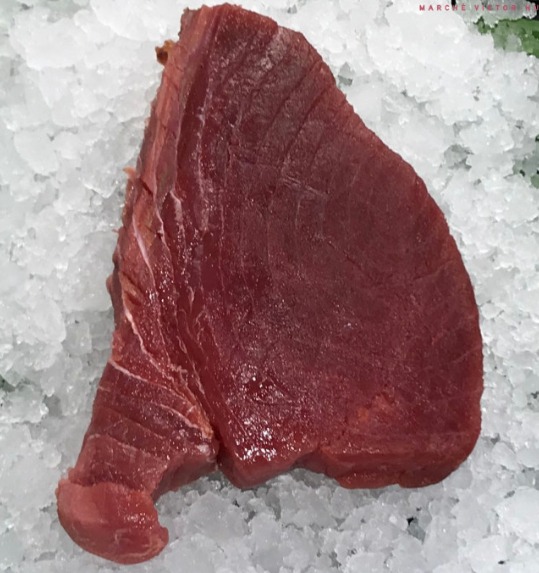
France – Tuna sold in the traditional section of the Carrefour Maket Fonsorbes Tarbes store between September 20 and 28, 2022- Histamine

Gov france

Identification information of the recalled product

  • Product category Feed
  • Product subcategory Fishery and aquaculture products
  • Product brand name unbranded
  • Model names or references Tuna sold in the traditional section of the Carrefour Market Fonsorbes Tarbes store between September 20 and 28, 2022
  • Identification of products
    GTIN Batch
    1111111111116 sold between 09/20/22 and 09/28/22
  • Packaging The cutting
  • Marketing start/end date From 09/20/2022 to 09/28/2022
  • Storage temperature Product to be stored in the refrigerator
  • Further information Tuna sold in the traditional section of the Carrefour Maket Fonsorbes Tarbes store between September 20 and 28, 2022
  • Geographic area of ​​sale Carrefour Market Fonsorbes Tarbes
  • Distributors ONLY Carrefour Market Fonsorbes Tarbes

Practical information regarding the recall

  • Reason for recall Presence of histamine
  • Risks incurred by the consumer Endogenous toxins: histamine (fish, cheese, alcoholic beverages, meats)

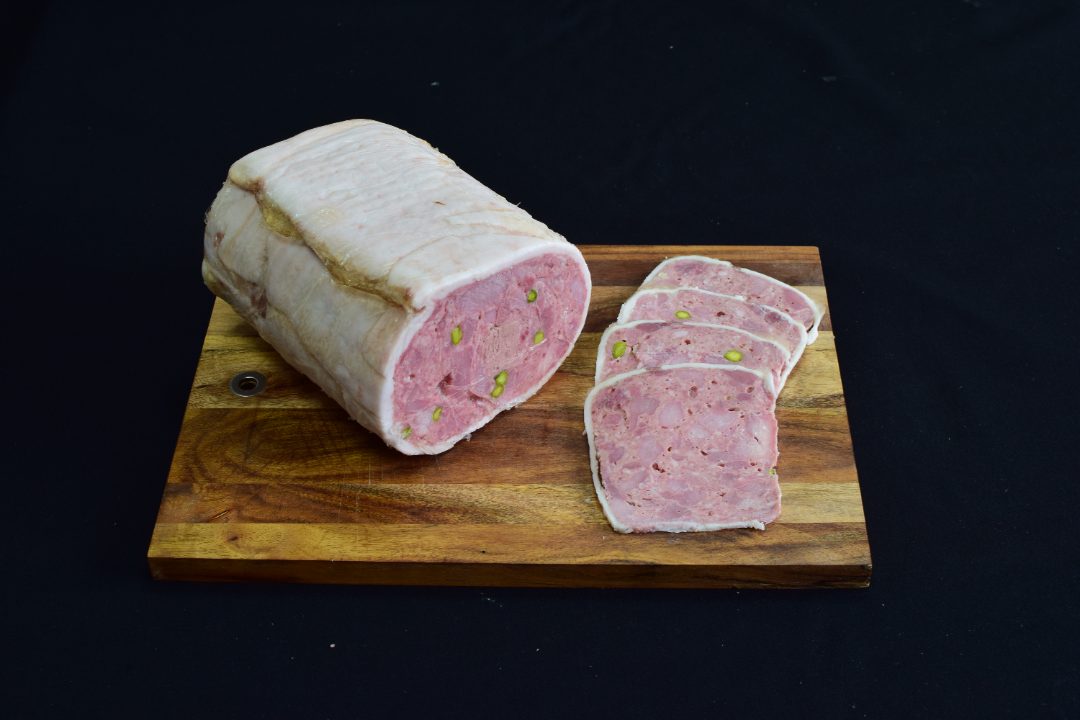
France – PISTACHIO PORK GALANTINE- Listeria monocytogenes

Gov france

Identification information of the recalled product

  • Product category Feed
  • Product subcategory Meats
  • Product brand name un branded
  • Model names or references Pistachio pork galantine
  • Identification of products
    Batch Date
    1251 Use-by date 10/10/2022
  • Packaging Product sold by the slice in the traditional charcuterie-caterer department
  • Marketing start/end date From 09/19/2022 to 09/27/2022
  • Storage temperature Product to be stored in the refrigerator
  • Health mark71.306.001
  • Geographic area of ​​salebi1 Saint Benigne
  • Distributorsbi1 Saint Benigne

Practical information regarding the recall

  • Reason for recall Presence of Listeria
  • Risks incurred by the consumer Listeria monocytogenes (causative agent of listeriosis)

Spain – Alert for the presence of Listeria monocytogenes in black pudding (liver sausage) from Spain

ACSA

Product affected by the alert

The Public Health Agency of Catalonia (ASPCAT) has learned through the Coordinated System for the Rapid Exchange of Information (SCIRI) of an alert notification regarding the presence of Listeria monocytogenes in black pudding from the Chacinas del Bosque brand.

Through the SCIRI, the Spanish Agency for Food Safety (AESAN) received this alert from the health authorities of the autonomous community of Andalusia and has sent it to the rest of the autonomous communities so that the withdrawal of the affected products can be verified. through marketing channels.

The data of the product involved are:

  • Name of the product (on the label): EL BOSQUE LIVER SAUSAGES MORCILLA
  • Brand: CHACINAS EL BOSCH
  • Authorization No.: 10.024902/CA
  • Batch numbers: 120922
  • Preferential consumption date: 03/12/2023

The initial distribution of the product has been carried out in certain towns in Andalusia and in an establishment in Barcelona.

As a precautionary measure, it is recommended that people who have the product indicated above in their homes refrain from consuming it and return it to the point of sale.

In the case of having consumed this product from the affected batch and presenting symptoms compatible with listeriosis (fever, headache, vomiting or diarrhea), it is recommended to go to a health center.

USA – More than 200 backpackers and rafters sickened in Grand Canyon National Park backcountry- Suspected Norovirus

Food Safety News

Between April 1 and June 17, 2022, at least 222 rafters and backpackers became infected with acute gastroenteritis, most likely norovirus, according to the Centers for Disease Control and Prevention (CDC). This is the largest outbreak of acute gastroenteritis documented in the Grand Canyon National Park backcountry.

Preliminary analysis of illness characteristics and portable toilet specimen test results suggested norovirus as the primary causative agent of illness. Norovirus spreads quickly through person-to-person contact and contaminated food or beverages and can persist in the environment. The bacteria can live for days to weeks on hard surfaces.

River outfitters and National Park staff members partnered to enable the implementation of prevention and control measures.

Norovirus-associated acute gastroenteritis is highly transmissible in settings with close person-to-person contact and decreased access to hand hygiene. Because many trips use the same campsites and place-portable toilets in the same locations, particles could have been transmitted to surfaces, beach sand or river water where new groups could have encountered them, and then transmitted the virus both from person-to-person and trip-to-trip.

USA – Outbreak Investigation of Listeria monocytogenes: Brie and Camembert Soft Cheese Products (September 2022)

FDA

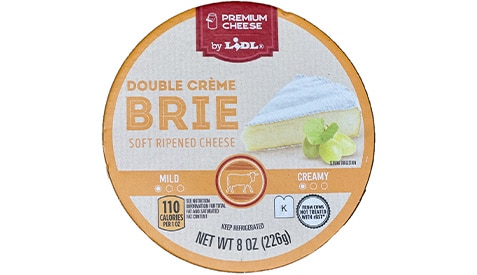
Recalled brie and camembert cheese

The FDA, along with CDC and state and local partners, is investigating a multistate outbreak of Listeria monocytogenes infections linked to Brie and Camembert soft cheese products manufactured by Old Europe Cheese, Inc. of Benton Harbor, MI, and sold at various retailers under multiple labels and brands, including Reny Picot.

Based on epidemiologic information provided by CDC, of the five patients with information available, four (80%) report eating Brie or Camembert cheese prior to illness. FDA, with assistance from the Michigan Department of Agriculture and Rural Development, initiated an inspection at the Old Europe Cheese, Inc. facility in Michigan, which included sample collection and analysis. Analysis of environmental samples collected at the facility showed the presence of Listeria monocytogenes. Whole Genome Sequencing (WGS) analysis determined that the Listeria strain found in the facility matches the Listeria strain causing illnesses in this outbreak.

Old Europe Cheese, Inc. has voluntarily recalled multiple brands of Brie and Camembert cheeses produced at their Michigan facility in response to investigation findings. The firm has also halted production and distribution of their Brie and Camembert products from the Michigan facility and is working with FDA on corrective actions. Consumers, restaurants, and retailers should not eat, sell, or serve recalled products and should throw them away; this includes Best By Dates ranging from September 28, 2022 to December 14, 2022, and all flavors and quantities. A full list of recalled products and stores that potentially sold these products is available below and on the firm’s recall.

FDA’s investigation is ongoing to determine if additional products are potentially contaminated. Updates to this advisory will be provided as they become available.

Recommendation

Consumers, restaurants, and retailers should not eat, sell, or serve recalled products and should throw them away; this includes Best By Dates ranging from September 28, 2022 to December 14, 2022, and all flavors and quantities. A full list of recalled products and stores that potentially sold these products is available below and on the firm’s recall.

Retailers may have repackaged bulk Old Europe Cheese items into smaller containers and sold this repackaged product to consumers. This repackaged product may not bear the original labeling and product information. If you are unsure where your Brie or Camembert cheese is from, ask your retailer or throw it away.

Listeria is most likely to sicken pregnant people and their newborns, adults aged 65 or older, and people with weakened immune systems. Other people can be infected with Listeria, but they rarely become seriously ill.

Call your healthcare provider right away if you have these symptoms after eating Old Europe Cheese Inc. or Reny Picot brand Brie and Camembert products:

  • Pregnant people typically experience only fever, fatigue, and muscle aches. However, Listeria infection during pregnancy can lead to miscarriage, stillbirth, premature delivery, or life-threatening infection of the newborn.
  • People who are not pregnant may experience headache, stiff neck, confusion, loss of balance, and convulsions, in addition to fever and muscle aches.

Follow FDA’s safe handling and cleaning advice and use extra vigilance in cleaning and sanitizing any surfaces and containers that may have come in contact with these products to reduce the risk of cross-contamination, including retailers who repackaged bulk recalled cheese. Listeria can survive in refrigerated temperatures and can easily spread to other foods and surfaces.

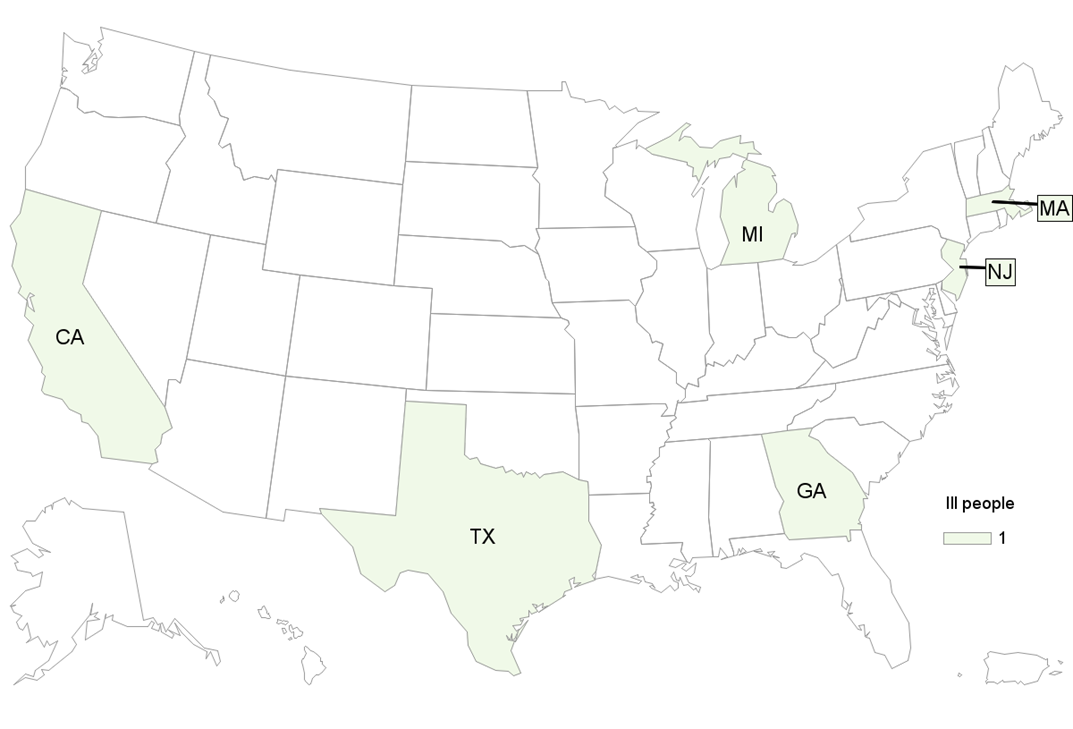
Case Count Map Provided by CDC

CDC Case Count Map of Listeria monocytogenes: Brie and Camembert Soft Cheese Products

Case Counts

Total Illnesses: 6
Hospitalizations: 5
Deaths: 0
Last illness onset: August 5, 2022
States with Cases: CA, GA, MA, MI, NJ, TX
Product Distribution: Nationwide

USA – FSIS Issues Public Health Alert for Ready-To-Eat Chili Cheese Wieners Due to Possible Listeria Contamination

FSIS USDA

WASHINGTON, Oct. 1, 2022 – The U.S. Department of Agriculture’s Food Safety and Inspection Service (FSIS) is issuing a public health alert because Family Fare, a Chippewa Falls, Wisc. establishment, produced ready-to-eat chili cheese wieners that may be contaminated with Listeria monocytogenes. A recall was not requested because it is believed that the products are no longer in commerce.

The ready-to-eat chili cheese wieners were produced on Sept. 21, 2022. The following products are subject to the public health alert [view labels]:

  • 15-oz. vacuum-packed packages containing “Our Local SMOKEHOUSE Chili Cheese flavored Wieners” with a use by date of January 19, 2023.

The products bear establishment number “695SEWI” inside the USDA mark of inspection. These items were shipped to a Family Fare retail location in Cannon Falls, Minnesota, where three packages of the wieners were sold.

The problem was discovered when the Wisconsin Department of Agriculture reported to FSIS that some product was found to be contaminated with Listeria monocytogenes during routine testing.

There have been no confirmed reports of adverse reactions due to consumption of these products. Anyone concerned about an illness should contact a health care provider.

Consumption of food contaminated with L. monocytogenes can cause listeriosis, a serious infection that primarily affects older adults, persons with weakened immune systems, and pregnant women and their newborns. Less commonly, persons outside these risk groups are affected.

Click to access pha-label-10012022.pdf

Research – Europe sees large drop in E. coli infections in 2020

Food Safety News

There was a big fall in the number of Shiga toxin-producing E. coli (STEC) infections in Europe in 2020, according to recently published data.

In 2020, 4,824 confirmed STEC infections were reported. This is down from 8,339 in 2019. STEC infection is mainly acquired through consumption of contaminated food or water and contact with animals or their feces.

Data on STEC infections were reported by 29 countries. Notification is voluntary in Belgium, France, Luxembourg, and Spain or based on another type of system in Italy.

Germany with 1,409 and Ireland with 734 had the most infections, accounting for 44 percent of all cases. The highest country-specific notification rates were in Ireland, Malta, Denmark, and Norway.

Research – Antibiofilm Efficacy of Quercetin against Vibrio parahaemolyticus Biofilm on Food-Contact Surfaces in the Food Industry

MDPI

Vibrio parahaemolyticus, one of the most common foodborne pathogenic bacteria that forms biofilms, is a persistent source of concern for the food industry. The food production chain employs a variety of methods to control biofilms, although none are completely successful. This study aims to evaluate the effectiveness of quercetin as a food additive in reducing V. parahaemolyticus biofilm formation on stainless-steel coupons (SS) and hand gloves (HG) as well as testing its antimicrobial activities. With a minimum inhibitory concentration (MIC) of 220 µg/mL, the tested quercetin exhibited the lowest bactericidal action without visible growth. In contrast, during various experiments in this work, the inhibitory efficacy of quercetin at sub-MICs levels (1/2, 1/4, and 1/8 MIC) against V. parahaemolyticus was examined. Control group was not added with quercetin. With increasing quercetin concentration, swarming and swimming motility, biofilm formation, and expression levels of target genes linked to flagellar motility (flaA, flgL), biofilm formation (vp0952, vp0962), virulence (VopQ, vp0450), and quorum-sensing (aphA, luxS) were all dramatically suppressed. Quercetin (0–110 μg/mL) was investigated on SS and HG surfaces, the inhibitory effect were 0.10–2.17 and 0.26–2.31 log CFU/cm2, respectively (p < 0.05). Field emission scanning electron microscopy (FE-SEM) corroborated the findings because quercetin prevented the development of biofilms by severing cell-to-cell contacts and inducing cell lysis, which resulted in the loss of normal cell shape. Additionally, there was a significant difference between the treated and control groups in terms of motility (swimming and swarming). According to our research, quercetin produced from plants should be employed as an antibiofilm agent in the food sector to prevent the growth of V. parahaemolyticus biofilms. These results indicate that throughout the entire food production chain, bacterial targets are of interest for biofilm reduction with alternative natural food agents in the seafood industry. View Full-Text

Research – Antimicrobial Resistance and Virulence Characterization of Listeria monocytogenes Strains Isolated from Food and Food Processing Environments

MDPI

Listeria monocytogenes is a particularly foodborne pathogen associated with listeriosis, which can be disseminated in food and food processing environments. This study aimed to determine the serotypes and characteristics of virulence factors and antibiotic resistance among 40 L. monocytogenes strains isolated from food (n = 27) purchased in Olsztyn (Warmia and Mazury region, Poland) and food processing environments in Poland (n = 13). Isolates were assigned to serotypes 1/2a, 1/2c, 3a, and 3c using polymerase chain reaction (PCR). The results showed that serotype 1/2a (66.7%) was the most prevalent among strains from food, and serotype 1/2c (53.8%) among strains from the food processing environments. Five different virulence factors (hlyA, prfA, inlB, luxS, sigB) were detected in all isolates from the food processing environments using PCR. The hlyA (100.0%), prfA (100.0%), and inlB (96.3%) were the most prevalent in food strains. Seven (25.9%) of the strains of food and ten (76.9%) strains from the food processing environments showed the ability to form biofilm. The tested isolates were subjected to antibiotic susceptibility testing against 12 antibiotics used in the mitigation of listeriosis, using the disk diffusion method. The most frequent were intermediate resistance and resistance to clindamycin. Twelve (92.3%) strains from the food processing environments, and twenty-three (85.2%) from food were non-susceptible to clindamycin. Generally, antibacterial resistance determinants (Lde, aadB, aac(3)-IIa(aacC2)a, penA, mefA, lnuA, lnuB, sulI, sulII) were detected in sixteen (59.0%) strains from food and four (30.8%) from the food processing environments, by PCR. The most frequent were the mefA-lnuA (n = 7; 20.0%) and lnuA (n = 6; 17.1%) genotypes. From this research, we can conclude that virulent and antimicrobial-resistant strains of L. monocytogenes are present in food and the food processing environment in Poland, which may pose a potential health risk to consumers. Monitoring for the control of virulent and antimicrobial-resistant L. monocytogenes strains in the food system can contribute to effective planning and prevention of their spread.

Research – Pet Reptiles in Poland as a Potential Source of Transmission of Salmonella

MDPI

Reptiles are considered a potential source of Salmonella transmission to humans.
The aim of this research was to determine the incidence of Salmonella in pet reptiles in Poland and to examine Salmonella isolates with regard to their biochemical characteristics, serotype, antimicrobial susceptibility, and pathogenic and zoonotic potential.
The research material consisted of 67 reptile faeces samples. The taxonomic affiliation of the Salmonella isolates was determined by MALDI-TOF mass spectrometry, biochemical analyses, and serotyping; whole genome sequencing (WGS) analysis was performed on three isolates whose serotype could not be determined by agglutination. The antimicrobial susceptibility of the Salmonella isolates was determined by the broth dilution method, and in the case of some antimicrobials by the disk diffusion method.
The pathogenic and zoonotic potential of the identified serotypes was estimated based on available reports and case studies. The presence of Salmonella was confirmed in 71.6% of faecal samples, with the highest incidence (87.1%) recorded for snakes, followed by lizards (77.8%) and turtles (38.9%). All isolates (n = 51) belonged to the species S. enterica, predominantly to subspecies I (66.7%) and IIIb (25.5%). Among these, 25 serotypes were identified, including 10 that had previously been confirmed to cause reptile-associated salmonellosis (RAS). Salmonella isolates were susceptible to all antimicrobial substances used except streptomycin, to which 9.8% of the strains showed resistance.
None of the strains contained corresponding resistance genes. The study demonstrates that pet reptiles kept in Poland are a significant reservoir of Salmonella and contribute to knowledge of the characteristics of reptilian Salmonella strains. Due to the risk of salmonellosis, contact with these animals requires special hygiene rules.