Verotoxin-producing Escherichia coli (VTEC) in raw salami with deer meat from Italy in Germany
Shigatoxin-producing Escherichia coli (STEC) in goat cheese salad from the Netherlands in Germany

Verotoxin-producing Escherichia coli (VTEC) in raw salami with deer meat from Italy in Germany
Shigatoxin-producing Escherichia coli (STEC) in goat cheese salad from the Netherlands in Germany
Posted in food contamination, food handler, Food Hazard, Food Hygiene, Food Inspections, Food Micro Blog, Food Microbiology, Food Microbiology Blog, Food Microbiology Testing, Food Pathogen, Food Quality, food recall, Food Safety, Food Safety Alert, Food Safety Management, Food Temperature Abuse, Food Testing, RASFF, STEC, STEC E.coli, VTEC
Vibrio vulnificus in raw shrimp tails from Honduras in France
Posted in food contamination, food handler, Food Hazard, Food Hygiene, Food Inspections, Food Micro Blog, Food Microbiology, Food Microbiology Blog, Food Microbiology Testing, Food Pathogen, Food Quality, food recall, Food Safety, Food Safety Alert, Food Safety Management, Food Safety Regulations, Food Testing, RASFF, Vibrio, Vibrio vulnificans, Vibrio vulnificus
Foodborne outbreak in Sweden suspected to be caused by norovirus in oysters from France
Detection of listeria monocytogenes in breaded poultry cutlets from France in Belgium
Information on outbreak with Listeria monocytogenes serotype IIa ST37 in Sweden, from vacuum-packed salmon
Posted in food bourne outbreak, food contamination, food handler, Food Hazard, Food Hygiene, Food Inspections, Food Micro Blog, Food Microbiology, Food Microbiology Blog, Food Pathogen, Food Quality, food recall, Food Safety, Food Safety Alert, Food Safety Management, Food Testing, foodborne outbreak, foodbourne outbreak, Listeria, Listeria France, Listeria monocytogenes, outbreak, RASFF
Presence of yeasts and moulds in stirred and steamed yoghurts from France in Ireland and the UK
Posted in food contamination, food handler, Food Hazard, Food Hygiene, Food Inspections, Food Micro Blog, Food Microbiology, Food Microbiology Blog, Food Microbiology Testing, Food Quality, food recall, Food Safety, Food Safety Alert, Food Safety Management, Food Safety Regulations, Food Spoilage, Food Testing, mold, Mould/Mold, RASFF, Yeasts
Salmonella Stanley in fresh turkey drumstick minced meat from Hungary in Slovakia
Salmonella Enteritidis in chilled poultry cuts from Poland in the Czech Republic
Salmonella paratyphi b in frozen chicken minced meat from Holland in Italy
Salmonella in Frozen Chicken Doner Kebab from Italy in France
Salmonella infantis in kebab from Poland in Italy
Salmonella spp in frozen chicken kebab from Poland in Slovakia
Salmonella spp. in black pepper from Brazil in Germany
Eggs from a Dutch stable that tested positive for Salmonella in Germany
Salmonella Typhimurium in turkey meat from Hungary in Romania
Posted in food contamination, food handler, Food Hazard, Food Hygiene, Food Inspections, Food Micro Blog, Food Microbiology, Food Microbiology Blog, Food Microbiology Testing, Food Pathogen, Food Quality, food recall, Food Safety, Food Safety Alert, Food Safety Management, Food Testing, Polish Chicken Salmonella, RASFF, Salmonella, Salmonella in Eggs, Salmonella Poland
|
Reason for alert |
Paralytic Shellfish Poisoning (PSP) |
|
Date warning issued |
Media release: 17 November 2023 (further extended) |
|
Affected area |
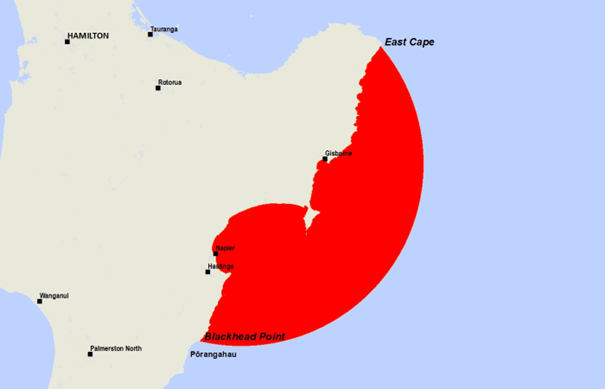
The affected area now extends from East Cape to Blackhead Point, just north of Porangahau |
|
Shellfish affected |
Mussels, oysters, tuatua, pipi, toheroa, cockles, scallops, catseyes, kina (sea urchin) and all other bivalve shellfish. Note, cooking shellfish does not remove the toxin. Pāua, crab and crayfish may still be eaten if the gut has been completely removed prior to cooking, as toxins accumulate in the gut. If the gut is not removed its contents could contaminate the meat during the cooking process. |
|
Symptoms |
Symptoms typically appear between 10 minutes and 3 hours after ingestion and may include:
|
|
Other information |
Paralytic shellfish toxins have been detected in shellfish at levels over the safe limit of 0.8mg/kg set by New Zealand Food Safety. Ongoing testing will continue and any changes will be communicated accordingly. |
17 November 2023: Lindsay Farm HB Ltd is recalling specific batches of its Lindsay Farm brand Organic Raw Milk (unpasteurised) as the product may contain Campylobacter.
| Product type | Raw (unpasteurised) drinking milk |
| Name of product (size) | Lindsay Farm brand Organic Raw Milk (unpasteurised) 2L |
| Batch marking | Lot number: 2310, 2410, 2510, 2610, 2710, 2810, 2910, 3010, 3110, 0111, 0211 |
| Date marking | Use by dates: 27.10.23, 28.10.23, 29.10.23, 30.10.23, 31.10.23, 01.11.23, 02.11.23, 03.11.23, 04.11.23, 05.11.23 |
| Package size and description | The product is sold in a plastic 2L bottle. |
| Distribution | The product is sold in the Hawke’s Bay region via home deliveries and the following registered depots:
The product has not been exported. |
| Notes | This recall does not affect any other batches of Lindsay Farm brand Organic raw milk (unpasteurised). |
If you are a retailer of the products in this recall, download a copy of the point of sale notice. You need to display it in your store for one month.
Point of sale notice [PDF, 95KB]
Customers are asked to check the lot number and Use by date printed on the bottle.
If you have purchased any of the affected product listed on this notice, do not consume it. Customers should return the product to their retailer for a full refund. Alternatively, consume after heating to 70°C and holding at this temperature for one minute. If you don’t have a thermometer, heat the milk until it nearly reaches a boil (or scald the milk) before drinking it.
There have been three reported cases of associated illness. If you have consumed any of this product and have any concerns about your health, seek medical advice.
Customers should return the product to their retailer for a full refund.
How to reduce the risk of illness if you drink raw unpasteurised milk
Campylobacter infection: symptoms and advice
If you have questions, contact Lindsay Farms HB Ltd:
Posted in Campylobacter, food recall, MPI, product recall, Raw Milk, Recall
A pilot study in France has pointed to a significant under-reporting of shellfish-related foodborne outbreaks.
The objectives of the research were to quantify and describe the health impact of shellfish-related outbreaks as well as the circumstances of occurrence in Brittany, with the end goal of reducing their frequency.
An online questionnaire looked at shellfish consumption between November 2021 and April 2022, the practice of shore fishing, and the occurrence of shellfish outbreaks over the past five years.
A total of 438 responses were received between May and July 2022. Most respondents were women, the median age was 46, and 21 percent practiced shore fishing. From November 2021 to April 2022, 93 percent of participants reported having eaten shellfish. Almost two-thirds ate shellfish raw and cooked, while a quarter only ate cooked shellfish. Scallops and mussels were the most consumed, but oysters were the top raw type of shellfish eaten.


