Biocontrol training in Pakistan helps farmers prevent harmful aflatoxins in chillies

KRISHAK JAGAT

Pakistan is the world’s fourth-largest producer of chillies. The country accounts for around 4-5% of global chilli production. Sindh province is where 85% of Pakistan’s chillies are grown, making it one of the biggest chilli-producing regions worldwide. The province is well-known for the town of Kunri, home of the world-famous Dundicut red chillies.

But here, chilli growers face significant agricultural challenges that threaten their livelihoods. One of the biggest problems they face is aflatoxin contamination of their crops.

CABI has teamed up with several organizations to address the issue including:

Pakistan Agricultural Research Council (PARC)
United States Agency for International Development (USAID)
United States Department of Agriculture (USDA)
Rafhan Maize Products Co. Ltd
The organizations are working together on an important project in Pakistan on regulatory harmonization for maximum residue limits and biopesticides. What sets this project apart is its focus on addressing aflatoxins. Uniquely, it explores the use of a unique biocontrol technology at farm level to reduce aflatoxins in red chillies.
USA – Thaw Your Turkey Safely in Time for Thanksgiving

USDA

The busiest time of the year for USDA’s Meat and Poultry Hotline is the week before Thanksgiving. Calls, chats and emails are answered by food safety specialists who even work on Thanksgiving Day to ensure your meal is safe.

One question often asked is, “How do you properly thaw a turkey?”

Here are safe ways to thaw a turkey — in the refrigerator or in cold water:

  • It takes 24 hours for every four to five pounds of weight for a turkey to thaw in the refrigerator (a 15-pound turkey will take three days to thaw in your refrigerator). A completely thawed turkey can remain in the refrigerator for one or two days before cooking.
  • To thaw in cold water, submerge the bird in its original wrapper in cold tap water, changing the water every 30 minutes. Cook the turkey immediately after thawing.

Remember that thawing a frozen turkey on the kitchen counter — or in a garage during the wintertime (the most common misconception shared by callers) — is not safe. Leaving any frozen package of meat or poultry for more than 2 hours at room temperature is dangerous. Even though the center of the package may still be frozen, the outer layer of the food is in the “Danger Zone” between 40 and 140 F — a temperature range where foodborne bacteria multiply rapidly.

For more turkey thawing tips, check out our fact sheet. Learn more about the latest USDA study on safe food handling and thorough handwashing.

Have a food safety question? Contact the USDA Meat and Poultry Hotline at 1-888-MPHotline (1-888-674-6854) to talk to a food safety specialist or chat live at ask.usda.gov from 10 a.m. to 6 p.m. Eastern Time, Monday through Friday. On Thanksgiving Day, the Hotline will be open from 8 a.m. to 2 p.m. Eastern Time.

USA – 87 Year Old Dies After Acquiring E. coli Food Poisoning From Miguel’s Cocina in San Diego, California

Food Poisoning News

According to local reports, the eldest person to fall ill in the Miguel’s Cocina Salmonella outbreak has died. This follow reports that the second eldest, an 84 year-old woman represented by Ron Simon & Associates, the national salmonella law firm that has filed all the lawsuits in this litigation so far, has finally been released from the hospital. Unfortunately, on the day of her release, her long-time husband also passed away. So far, several dozen victims have come forward, according to the Miguel’s Cocina E. Coli Lawyer Ron Simon, adding “my office is still receiving calls every day from Miguel Concina victims. We represent more than two dozen victims so far, and expect that number to grow. People who consume food at a restaurant have the right to expect that the food to be safe and wholesome. Obviously, it was not.”

Research – Prevalence of Multidrug-Resistant Pseudomonas aeruginosa Isolated from Dairy Cattle, Milk, Environment, and Workers’ Hands

MDPI

Abstract

Pseudomonas aeruginosa is an opportunistic pathogen causing severe infection in animals and humans. This study aimed to determine the ecological distribution and prevalence of multidrug-resistant (MDR) P. aeruginosa isolated from dairy cattle, the environment, and workers’ hand swabs. Samples (n = 440) were collected from farms and households (n = 3, each). Rectal swabs, udder skin swabs, milk, workers’ hand swabs, feed, water, water sources, and beddings were collected. Samples were subjected to the bacterial identification of P. aeruginosa via 16S rRNA. Antimicrobial resistance (AMR) was detected either phenotypically using an antibiotic susceptibility test or genotypically with AMR resistance genes (ARGs) such as drfA, sul1, and ermB. P. aeruginosa was detected on dairy farms and households (10.3–57.5%, respectively), with an average of 23.2%. The resistance of dairy farm strains was observed against sulfamethoxazole, imipenem, cefepime, piperacillin–tazobactam, and gentamycin (100%, 72.7%, 72.7%, 68.8%, and 63.3%, respectively). Meanwhile, the resistance of household strains was observed against sulfamethoxazole, imipenem, amoxicillin, gentamicin, cefepime, and erythromycin by 91.3%, 82.6%, 75.4%, 75.4%, 68.1%, and 63.8%, respectively. The susceptibility of farm strains was detected against norfloxacin, ciprofloxacin, and levofloxacin (90.9%, 84.8%, and 72.7%, respectively). Meanwhile, the susceptibility of household strains was detected against ciprofloxacin, amikacin, and norfloxacin (100%, 84.1%, and 72.5%, respectively). About 81.4% of P. aeruginosa strains were MDR. ARGs (drfA, sul1, and ermB) were detected in farm strains (48.5%, 72.7%, and 24.4%, respectively) and household strains (50.7%, 72.5%, and 47.8%, respectively). Almost all P. aeruginosa had MAR over 0.2, indicating repeated application of antibiotics. P. aeruginosa prevalence was fivefold higher in households than on farms. MDR strains were higher amongst household strains than farm strains.

What are Extensively Drug Resistant (XDR) Bacteria?

News Medical

Resistance to antimicrobial agents is a growing and worrying phenomenon. Extensively drug-resistant bacteria, or XDR bacteria, are a type of multidrug-resistant organisms that are resistant to almost all or all approved antimicrobial agents.

The origin of XDR bacteria

The term was first coined in response to Mycobacterium tuberculosis that was resistant to first-line agents (isoniazid and rifampicin), a fluoroquinolone, and to one or more second-line parenteral drugs (amikacin, kanamycin, and capreomycin). This was later expanded to include other bacteria that were resistant to most standard antimicrobial treatments.

Defining XDR bacteria

XDR bacteria are different from multidrug-resistant bacteria and pan-drug resistant bacteria. The difference is mainly interpreted as to what extent the bacteria are drug-resistant, with multidrug-resistant bacteria being unsusceptible to one or more antimicrobial agents and pan-drug resistant bacteria being unsusceptible to all antimicrobial agents.

Therefore, XDR bacteria rest somewhere in between these two categories. Occasionally, definitions are based on broader categories of antimicrobials rather than agents, which therefore narrows the bacteria fitting the description. However, this system is often seen as more informative by healthcare professionals treating afflicted patients with various antimicrobial classes.

Read more at the link above

Canada – Raw Pet Food Salmonella Outbreak in Canada Sickens 40

Food Poisoning Bulletin

A raw pet food Salmonella outbreak in Canada has sickened at least 40 people. Public Health Canada describes the pathogen as “extensively drug-resistant,” which means it is much more difficult to treat illnesses caused by this bacteria. The outbreak is also linked to contact with cattle.

As of November 11, 2023 there are 40 confirmed cases of XDR (extensively drug resistant) Salmonella in Canada. The case count by provinces is: Manitoba (1), Ontario (14), Quebec (21), New Brunswick (1), Nova Scotia (2), and Prince Edward Island (1). Illness onset dates are between July 2020 and September 2023. Thirteen patients have been hospitalized. The patient age range is between 0 and 91 years of age. About 43% of the patients are children under the age of five

Research – Antimicrobial Activity of Essential Oils in Vapor Phase In Vitro and Its Application in Combination with Lactic Acid to Improve Chicken Breast Shelf Life

MDPI

Abstract

The effect of essential oils (EOs) incorporated in their vapor phase combined with lactic acid immersion pretreatment was studied on fresh refrigerated chicken breast shelf life. Among the several EOs assayed, the in vitro results obtained from the vapor diffusion test allowed mustard, oregano, and garlic EOs to be selected due to their higher antimicrobial activity. In addition, it was possible to determine the EO minimum inhibitory concentrations against Pseudomonas aeruginosa and Escherichia coli and to identify EO binary mixtures showing synergistic or additive effects. Based on the obtained results, a ternary mixture constituted by 0.073, 0.292, and 0.146 µL/mL of headspace of mustard, oregano, and garlic, respectively, was proposed for its application to chicken breasts. The ternary mixture inhibitory action was confirmed in vitro against P. aeruginosa and E. coli. Furthermore, the presence of numerous compounds with recognized antimicrobial and antioxidant activity was found in its volatile phase through gas chromatography. When applying an EO mixture in its vapor phase in combination with 1.0% v/v of lactic acid immersion pre-treatment on refrigerated chicken breast, a decrease in mesophilic microorganisms’ growth rate as well as in lipid oxidation was observed. Moreover, in a preliminary sensory test, the treated chicken breast was found to be acceptable to consumers and showed no significant differences compared to untreated chicken. In conclusion, the combined use of lactic acid immersion and EOs in their vapor phase was an effective alternative to increase chicken breast shelf life.

Germany – Sliced ​​Deer Salami 60g ATM brand BEST MOMENTS – STEC E.coli

Produktrueckruke

As a precautionary measure, the company G. Pfitscher GmbH, Burgstall, Italy, is recalling the product sliced ​​deer salami 60g ATM brand BEST MOMENTS.


The reason for the precautionary recall of the affected batch/article, in consultation with the responsible authority, is that Escherichia coli VTEC has been detected in individual products. These can lead to diarrhea and nausea. Consumers who have consumed the above product and are suffering from the symptoms described are asked to consult a doctor immediately. A health risk cannot be ruled out with absolute certainty.


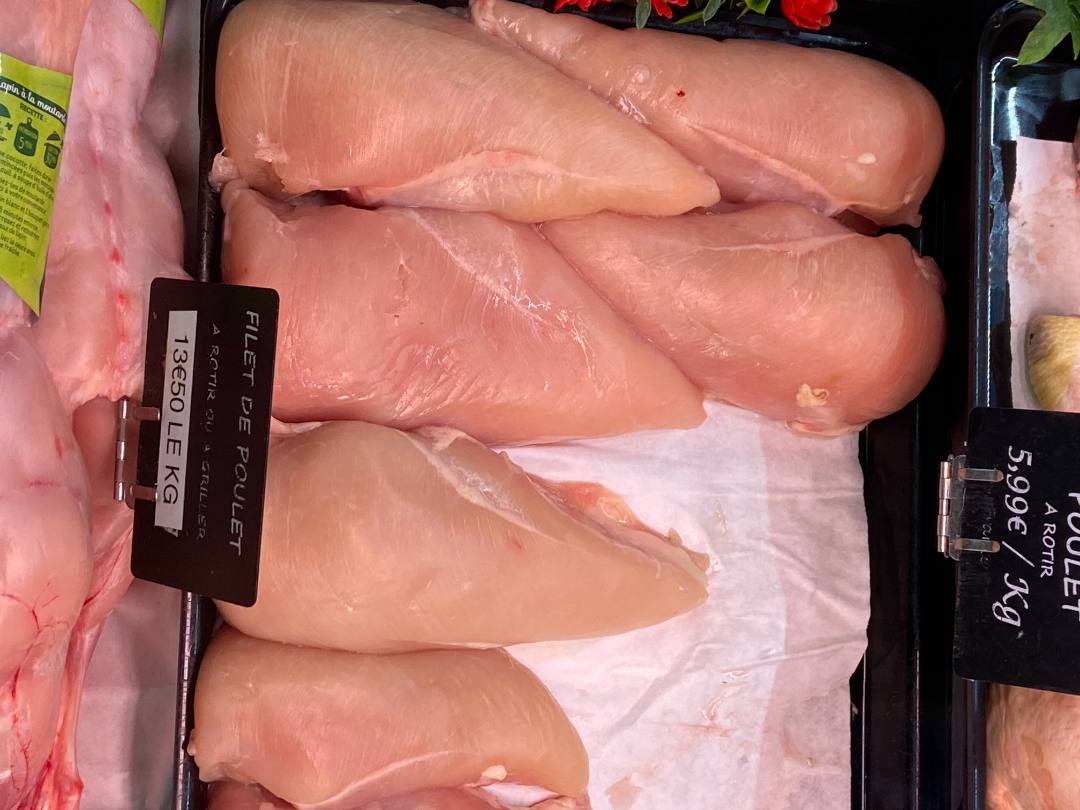
France – CHICKEN FILLET – Salmonella

Gov France

  • Product category Food
  • Product subcategory Others
  • Product brand name Intermarché
  • Model names or references CHICKEN FILLET
  • Product identification
    Batch Date
    231013 Use-by date 10/23/2023
  • Packaging SOLD IN LOT OF TWO OR THREE PIECES or in the TRADITIONAL BUTCHER DEPARTMENT
  • Start/end date of marketing From 10/20/2023 to 10/26/2023
  • Storage temperature Product to keep in the refrigerator
  • Further information CHICKEN FILET sold in the traditional butchery section as well as in the self-service section with a shelf life: 10/23/2023
  • Geographical sales area CHATILLON SUR SEINE
  • Distributors INTERMARCHE CHATILLON SUR SEINE

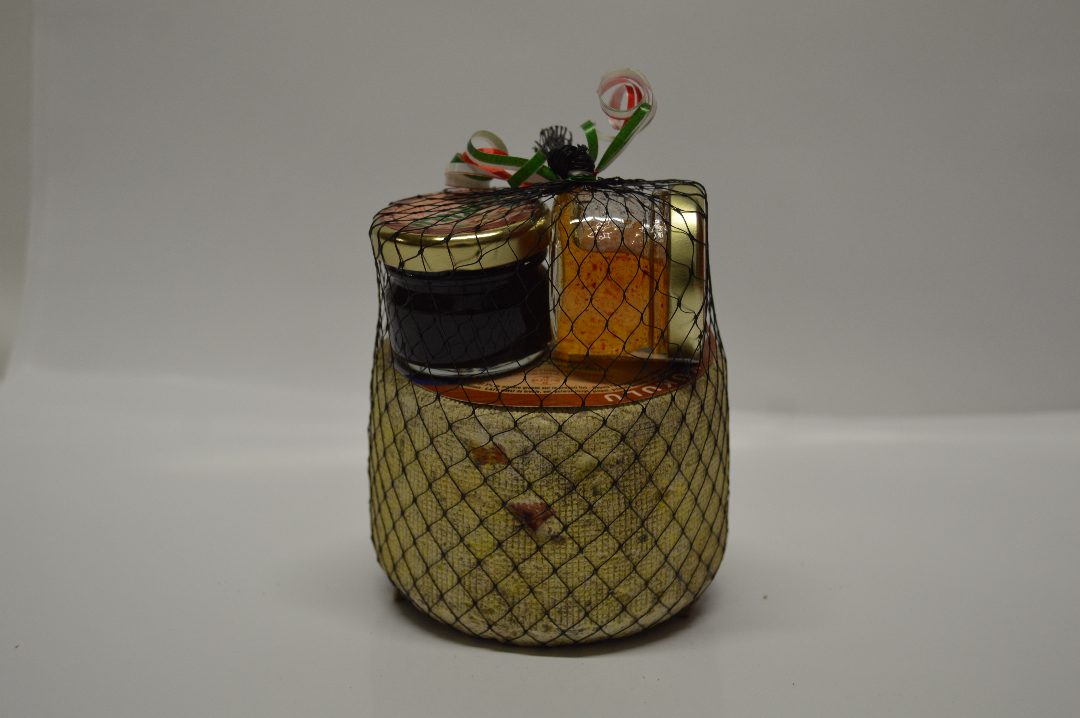
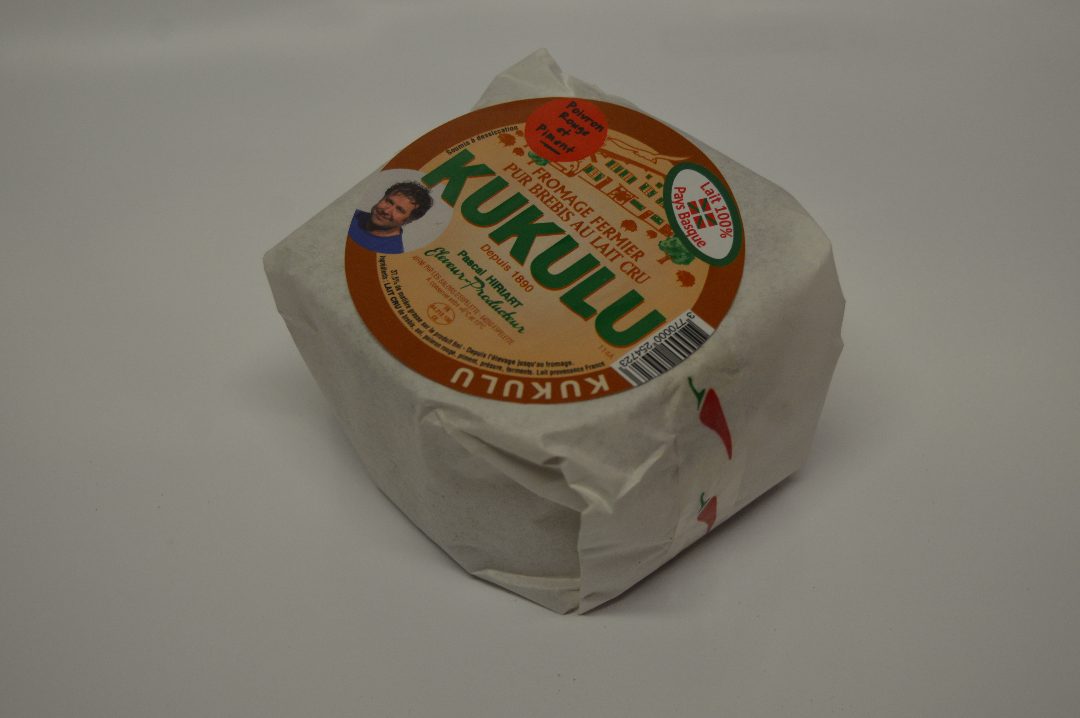
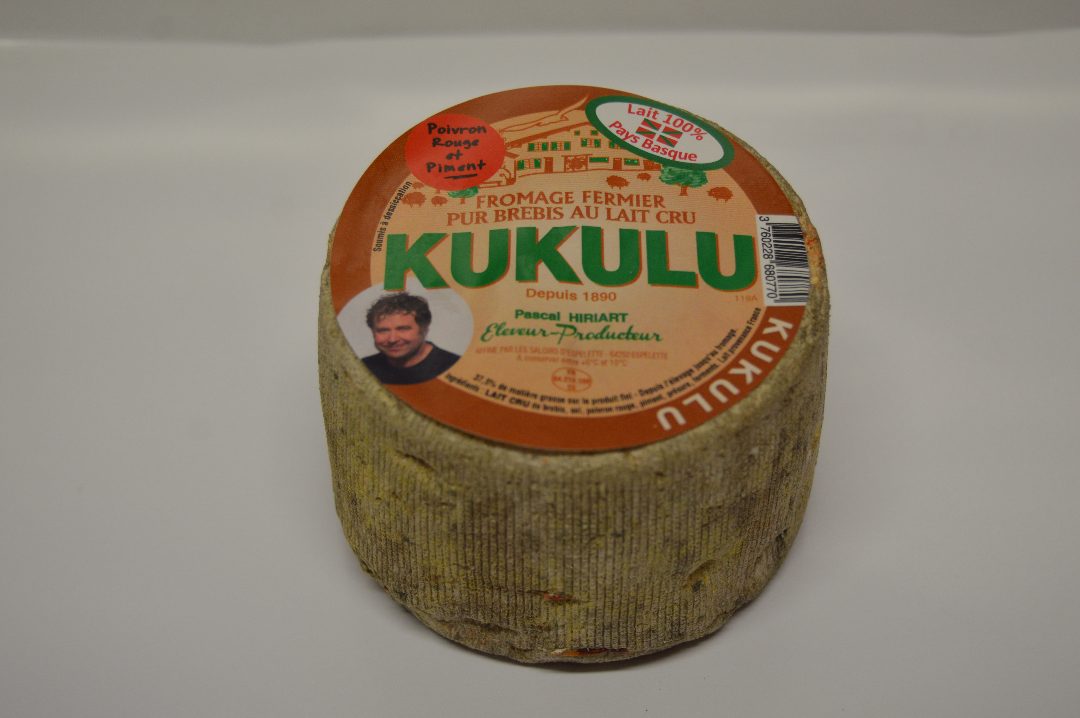
France – Pepper and pepper sheep cheese – Listeria monocytogenes

Gov France

  • Product category Food
  • Product subcategory Milk and dairy products
  • Product brand name Kukulu, Ezpela, Tomme d’Espelette, Kalaka
  • Model names or references Sheep’s cheese pepper pepper format 4kg, 600g and 1kg
  • Product identification
    Batch Date
    BP51023-1KG Minimum durability date between 12/27/2023 and 02/14/2024
    BP51023-4KG Minimum durability date between 12/12/2023 and 12/24/2023
    BP51023-600GR Minimum durability date between 11/02/2023 and 01/17/2024
  • Packaging Whole Tomme
  • Start/end date of marketing From 06/15/2023 to 08/31/2023
  • Storage temperature Product to keep in the refrigerator
  • Health mark FR64213100CE
  • Further information Sheep’s Tommette Red Pepper Chili Powder sold in cut sections or self-service packaged, naked, cheese+jam/jelly batch
  • Geographical sales area Whole France
  • Distributors Supermarkets, Wholesalers, Creameries