Research – Microbial community structure of plant-based meat alternatives.

Nature

A reduction in animal-based diets has driven market demand for alternative meat products, currently raising a new generation of plant-based meat alternatives (PBMAs). It remains unclear whether these substitutes are a short-lived trend or become established in the long term. Over the last few years, the trend of increasing sales and diversifying product range has continued, but publication activities in this field are currently limited mainly to market research and food technology topics. As their popularity increases, questions emerge about the safety and nutritional risks of these novel products. Even though all the examined products must be heated before consumption, consumers lack experience with this type of product and thus further research into product safety, is desirable. To consider these issues, we examined 32 PBMAs from Austrian supermarkets. Based on 16S rRNA gene amplicon sequencing, the majority of the products were dominated by lactic acid bacteria (either Leuconostoc or Latilactobacillus), and generally had low alpha diversity. Pseudomonadota (like Pseudomonas and Shewanella) dominated the other part of the products. In addition to LABs, a high diversity of different Bacillus, but also some Enterobacteriaceae and potentially pathogenic species were isolated with the culturing approach. We assume that especially the dominance of heterofermentative LABs has high relevance for the product stability and quality with the potential to increase shelf life of the products. The number of isolated Enterobacteriaceae and potential pathogens were low, but they still demonstrated that these products are suitable for their presence.
USA – Voluntary Recall of Select Great Value Organic Black Chia Seeds Due to The Possible Presence of Salmonella

FDA

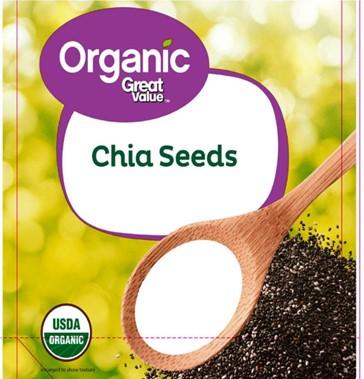
Image 2: “Product label Great Value Organic Chia Seeds, 32 oz.”

May 10, 2024 Natural Sourcing International is initiating a voluntary recall of one lot of Great Value Organic Black Chia Seeds 32 oz. due to the potential presence of Salmonella that may be in some of the finished products. Salmonella can cause serious and sometimes fatal infections in young children, frail or elderly people, and others with weakened immune systems. Healthy persons infected with Salmonella often experience fever, diarrhea (which may be bloody), nausea, vomiting and abdominal pain. In rare circumstances, infection with Salmonella can result in the organism getting into the bloodstream and producing more severe illnesses such as arterial infections (i.e., infected aneurysms), endocarditis and arthritis. While no adverse events associated with the products have been reported to date, products are being recalled out of an abundance of caution and because consumer safety is the company’s highest priority.

Specific information regarding the recalled products is as follows:

Name

Size

Lot Code

Expiration Date

UPC

Great Value Organic Black Chia Seeds 32 oz 24095 C018 October 30, 2026 078742300665

These products can be identified by the main label on the pouch and the lot number that is printed on the bottom of the back panel of the packaging – see the example below:

Product was sent to Walmart for distribution nationwide via retail sales.

Consumers are directed to throw away products subject to the recall. Natural Sourcing International will provide replacement product upon proof of purchase. Consumers seeking replacement product or with questions regarding this recall can contact Natural Sourcing International, by calling Customer Service at 1-818-405-9705 Monday-Friday 9:00 a.m. to 4:00 p.m. EST or emailing the company at customerservice@organically-simple.com.

This recall is being conducted with the knowledge of and in cooperation with the U.S. Food and Drug Administration.

Research – The Top Three Culprits Behind Viral Foodborne Illnesses

FAO

Viruses are the tiniest of microbes, but that doesn’t mean they should be underestimated as a significant threat. While they do require a host to multiply, they can still survive in the environment, including in food, until encountering a victim. Contaminated food can find its way into our refrigerators and meals, and as a result, viruses find their way into our bodies, often causing unpleasant illness or, at worst, death. But there are things that can be done to prevent that from happening. CODEX developed the Guidelines on the Application of General Principles of Food Hygiene to the Control of Viruses in Food in 2012. But since then, things have changed, and new scientific findings call for updating these guidelines. The Joint Food and Agriculture Organization of the United Nations (FAO) / World Health Organization (WHO) Expert Meeting on Microbiological Risk Assessment (JEMRA) has come together to analyse the most recent science on the topic to inform the creation of new guidelines. JEMRA identified three main viruses that require special attention. Alone they cause millions of foodborne illness cases and tens of thousands of deaths annually.

The noroviruses and Hepatitis A virus take their usual place amongst the top viruses causing foodborne illnesses, but interestingly JEMRA identified a third virus that has emerged as a new threat. Check out the video to discover which virus we are referring to, and what are the main food sources of each of these viruses: https://youtu.be/XDKN_l8_ZCE?si=tyiiIMOhXCrKodwS

Feedback shows lack of support for planned EU Listeria changes

Food Safety News

More than 80 comments have been submitted on plans to update Listeria monocytogenes rules concerning ready-to-eat (RTE) food in Europe.

Many submissions were against the proposals and raised concerns about how they would work in practice as well as issues around challenge testing and the fact that a zero tolerance approach puts companies off testing and results in problems not being discovered.

The majority of respondents were either companies or business associations. More than a quarter came from the UK while 13 were from France and 12 from Spain.

Belgium – Pit & Pit Company Recall – Aflatoxin

AFSCA

pistachio noten

In agreement with the FASFC, Pit & Pit is withdrawing the Pit & Pit brand “shelled pistachios” product from sale and is recalling it from consumers due to its high aflatoxin content.

Pit & Pit asks its customers not to consume this product and to return it. A free return label can be requested by sending an email with the photo of the label to help@pit-pit.com. Upon receipt of the return, the product will be refunded to you.

Product Description :

  • Product name: Shelled pistachios
  • Brand: Pit & Pit
  • Nature of packaging: transparent jar with black lid
  • Expiration date (DDM): 06/2025
  • Weight and batch numbers:
    • 100g – Lot: L UW8Q0ML6, LUYIMQJZN, LUY3LN2JV
    • 250g – Lot: LUW8Q0ML7, LUYIMQJZO, LUY3LN2JW

The product was sold online, via the website www.pit-pit.com.

For any further information , please contact: help@pit-pit.com

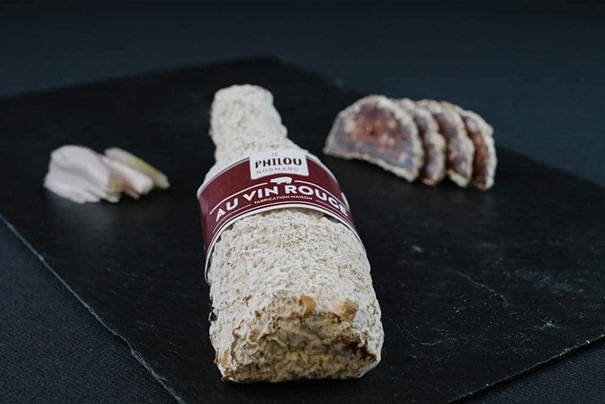
France – Dry sausage onion/ rugby/ pont l évêque /camembert/ livarot/neufchâtel/ red wine shallot/ porcini mushrooms/ Normandy/ garlic/ shallot / mimolette – Salmonella

Gov France

Product category
Food
Product subcategory
Meats
Product brand name
The Norman Philou
Model names or references
dry sausage onion/ rugby/ pont l évêque /camembert/ livarot/neufchâtel/ red wine shallot/ porcini mushrooms/ Normandy/ garlic/ shallot / mimolette
Product identification
GTIN Batch Date
3770013089251 F24089003 Recommended consumption date 07/27/2024
3770013089282 F24089002 Recommended consumption date 07/27/2024
3770013089107 F24089004 Recommended consumption date 07/27/2024
3770013089176 F24089005 Recommended consumption date 07/27/2024
3770013089138 F24089006 Recommended consumption date 07/27/2024
3770013089428 F24089007 Recommended consumption date 07/27/2024
3770013089077 F24089008 Recommended consumption date 07/27/2024
3770013089060 F24089009 Recommended consumption date 07/27/2024
3770013089244 F24089010 Recommended consumption date 07/27/2024
3770013089312 F24089011 Recommended consumption date 07/27/2024
3770013089305 F24089012 Recommended consumption date 07/27/2024
3770013089008 F24089013 Recommended consumption date 07/27/2024
Products List
List_sausage_13.05.2024.pdfAttachment
Packaging
Single sale
Start/end date of marketing
From 04/30/2024 to 05/13/2024
Storage temperature
Product to be stored at room temperature
Health mark
Fr.14.119.001.CE
Further information
Shape according to taste
Geographical sales area
Whole France
Distributors
Deli
List of points of sale
Customer_list_13.05.2024.pdf

Saudi Arabia – Botulism outbreak traced to mayonnaise at Riyadh restaurant

Arab News

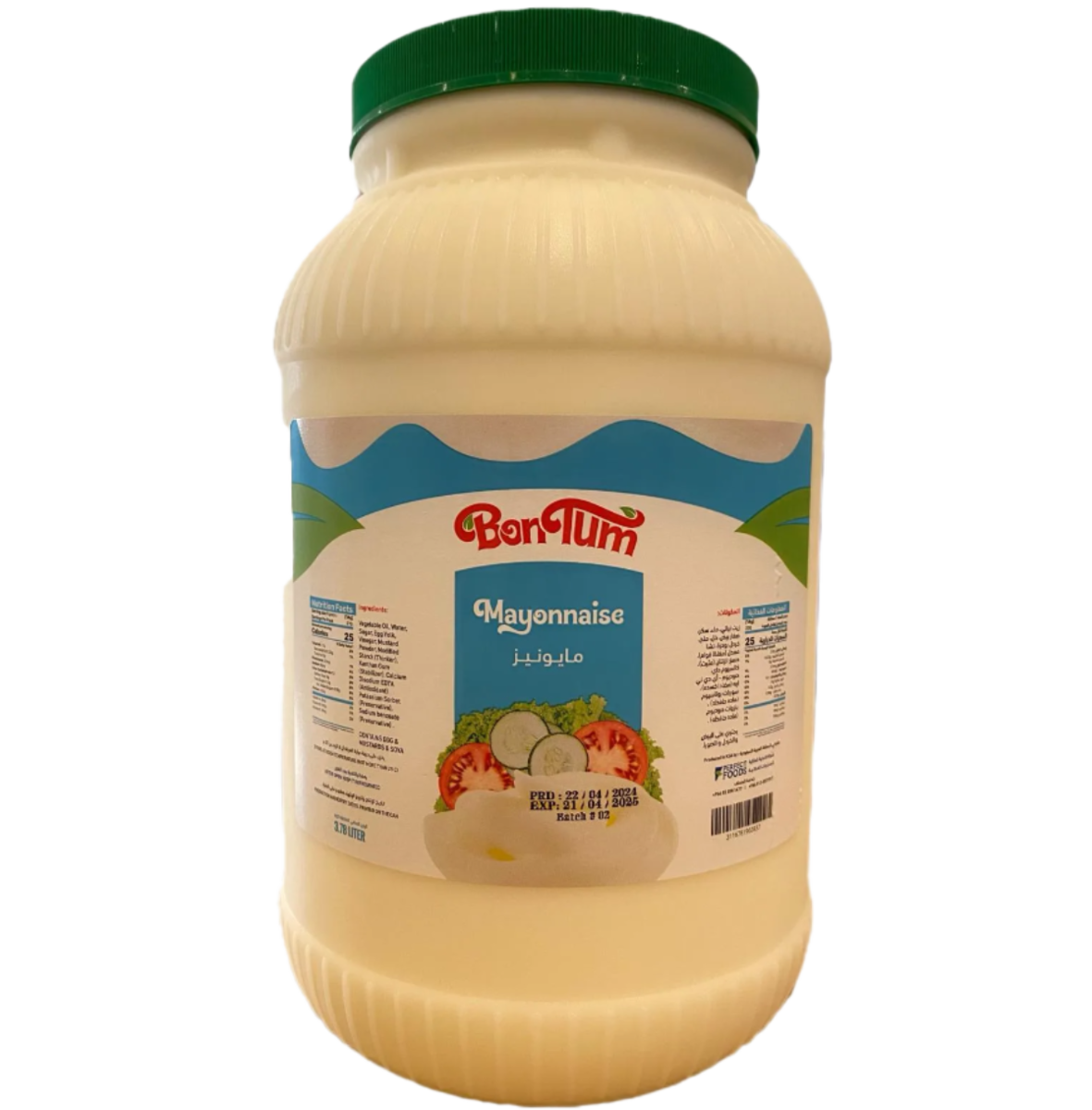
RIYADH: The Ministry of Municipal, Rural Affairs and Housing announced on Saturday that a Saudi Food and Drug Authority laboratory test had found clostridium botulinum in a Bon Tum mayonnaise brand used by the Hamburgini food chain.

Since the bacterium was discovered in a Bon Tum factory, the ministry has collaborated with the SFDA and other authorities to enforce additional measures beyond those previously implemented.

These measures include suspending the distribution of the mayonnaise product and withdrawing it from markets and food facilities across all cities in the Kingdom. They also include halting operations at the factory in preparation for implementing statutory procedures.

Danish Salmonella outbreak traced to English beef

Food Safety News

Imported beef is to blame for a Salmonella outbreak that has sickened more than 50 people, according to Danish officials.

Since March, 51 people in Denmark have been infected with the same type of Salmonella, said the Statens Serum Institut (SSI).

The Salmonella Typhimurium outbreak has sickened 31 men and 20 women. Patients are between the ages of less than 1 year old to 83 years old with a median age of 37. They live throughout the country. 18 people have been hospitalized but no deaths have been recorded.

Luxembourg – Different cheeses from the Hofkäserei Belrieth brand – Listeria monoctogenes

SAP

The following products are recalled in Luxembourg:

Name Organic Ringelblumenkäse
Brand Hofkäserei Belrieth
Unit 800.0g
Minimum Durability Date (MBD) 05/26/2024
Batch 26032024
Name Biodorfkäse Wiesenblumen
Brand Hofkäserei Belrieth
Unit 800.0g
Minimum Durability Date (MBD) 05/26/2024
Batch 26032024

Danger  : Possible presence of  Listeria monocytogenes

Listeria monocytogenes  can cause fever, headache and gastroenteritis. Vulnerable people such as the immunocompromised and elderly and young children may experience neurological symptoms due to meningitis. Pregnant women should also be particularly attentive to these symptoms.

Gastroenteritis can appear between a few hours and 3 days after consumption, while neurological symptoms can only appear after 3 months. People who have consumed these products and present these symptoms are invited to consult a doctor and report this consumption.

The product can be distributed by different points of sale in Luxembourg.

Hong Kong – CFS urges public not to consume batch of pre-packaged chilled duck wings suspected to be contaminated with Listeria monocytogenes

CFS

The Centre for Food Safety (CFS) of the Food and Environmental Hygiene Department today (May 10) urged the public not to consume a batch of prepackaged chilled duck wings due to possible contamination with Listeria monocytogenes, a pathogen. The trade should stop using or selling the affected batch of the product immediately if they possess it.

Product details are as follows:

Product name: Pepper Vine Duck Wings
Brand: JUEWEI
Place of origin: China
Distributor: Juewei Food (Hong Kong) Limited
Net weight: 170 grams
Use-by date: May 9, 2024

“The CFS collected the above-mentioned sample from a retail outlet in Mong Kok for testing under its routine Food Surveillance Programme. The test result showed the presence of Listeria monocytogenes in 25 grams of the sample, exceeding the standard of the Microbiological Guidelines for Food which states that Listeria monocytogenes should not be detected in 25g of food,” a spokesman for the CFS said.

The spokesman said that the CFS has informed the vendor concerned of the irregularity and has instructed it to stop sale and to remove from shelves the affected batch of the product. The distributor concerned has initiated a recall of the affected batch of the product according to the CFS’ instruction. Members of the public may call the distributor’s hotline at 3468 6021 during office hours for enquiries about the product recall.

“Listeria monocytogenes can be easily destroyed by cooking but can survive and multiply at refrigerator temperature. Most healthy individuals do not develop symptoms or only have mild symptoms like fever, muscle pain, headache, nausea, vomiting or diarrhoea when infected. However, severe complications such as septicaemia, meningitis or even death may occur in newborns, the elderly and those with a weaker immune system. Although infected pregnant women may just experience mild symptoms generally, the infection of Listeria monocytogenes may cause miscarriage, infant death, preterm birth, or severe infection in newborns,” the spokesman said.

“In order to reduce the risk of listeriosis, susceptible populations such as pregnant women should consume freshly prepared hot food where possible, reheat chilled food until it is hot all the way through, and avoid high-risk foods, including ready-to-eat food such as cold cuts, cold smoked seafood, soft cheeses, salads, etc, or cook them thoroughly before consumption, even if they are presented as part of a dish.”

The CFS will alert the trade to the incident, and will continue to follow up and take appropriate action. An investigation is ongoing.