Category Archives: Water Safety

Research- Cooccurrence of Five Pathogenic Legionella spp. and Two Free-Living Amoebae Species in a Complete Drinking Water System and Cooling Towers

MDPI

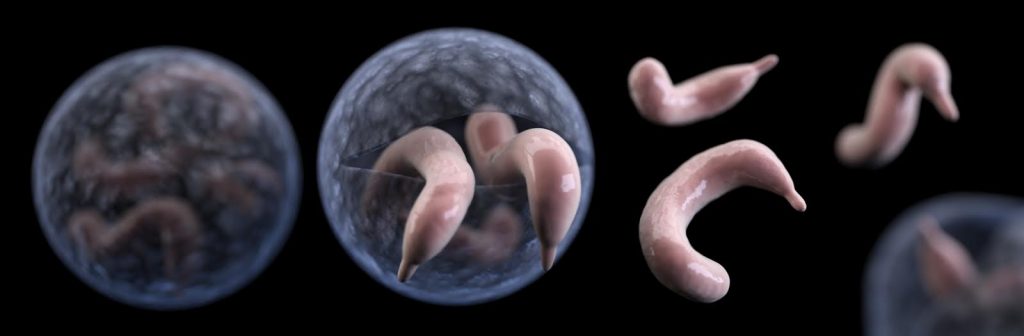
Pathogenic Legionella species grow optimally inside free-living amoebae to concentrations that increase risks to those who are exposed. The aim of this study was to screen a complete drinking water system and cooling towers for the occurrence of Acanthamoeba spp. and Naegleria fowleri and their cooccurrence with Legionella pneumophilaLegionella anisaLegionella micdadeiLegionella bozemanii, and Legionella longbeachae. A total of 42 large-volume water samples, including 12 from the reservoir (water source), 24 from two buildings (influents to the buildings and exposure sites (taps)), and six cooling towers were collected and analyzed using droplet digital PCR (ddPCR). N. fowleri cooccurred with L. micdadei in 76 (32/42) of the water samples. In the building water system, the concentrations of N. fowleri and L. micdadei ranged from 1.5 to 1.6 Log10 gene copies (GC)/100 mL, but the concentrations of species increased in the cooling towers. The data obtained in this study illustrate the ecology of pathogenic Legionella species in taps and cooling towers. Investigating Legionella’s ecology in drinking and industrial waters will hopefully lead to better control of these pathogenic species in drinking water supply systems and cooling towers. View Full-Text

Ireland – Boil water notice issued for thousands in Co Longford – Cryptosporidium

Irish Times

crypt

Almost half of the population of Co Longford is subject to a boil water notice which was issued on Thursday.

It comes after the cryptosporidium barrier at a treatment plant was compromised following a deterioration in the raw water quality of the lake source, Irish Water said.

Following consultation with the HSE, Irish Water and Longford County Council decided to issue a boil water notice for the area supplied by the Longford Central Public Water Supply to protect public health.

The population impacted by this notice is approximately 17,500 people. The areas affected include all customers in Longford Town, Newtown Forbes, Balinalee, part of Edgeworthstown, part of Drumlish, part of Killashee and surrounding areas.

Experts from Irish Water and Longford County Council are assessing the situation with a view to having the notice lifted as quickly as possible. In the meantime, all customers of this supply are advised to boil water before use until further notice.

Ireland – WARNING: Boil Water Notice issued to protect 4,000 people in Carrick-on-Suir – Cryptosporidium

Tipperary Live

Irish Water and Tipperary County Council have issued a Boil Water Notice for households, businesses and other customers supplied by the Carrick-on-Suir (Lingaun) Public Water Supply following the detection of cryptosporidium in the water supply.

The Boil Water Notice, announced this evening, was imposed to protect approximately 4,000 people served by this water supply following advice received from the Health Service Executive and it will .

Vulnerable customers who have concerns can contact our customer care team on 1800 278 278.

For customers who wish to check if their property is on the Boil Water Notice themselves, please go to the following link on the Irish Water website: https://www.water.ie/?map= supply-and-service-updates, enter the property’s Eircode and you will then see if your property is on the Boil Water Notice.

Water must be boiled for:

Drinking;
Drinks made with water;
Preparation of salads and similar foods, which are not cooked prior to eating;
Brushing of teeth;
Making of ice – discard ice cubes in fridges and freezers and filtered water in fridges. Make ice from cooled boiled water.
What actions should be taken:

Use water prepared for drinking when preparing foods that will not be cooked (e.g. washing salads);
Water can be used for personal hygiene, bathing and flushing of toilets but not for brushing teeth or gargling;
Boil water by bringing to a vigorous, rolling boil (e.g. with an automatic kettle) and allow to cool. Cover and store in a refrigerator or cold place. Water from the hot tap is not safe to drink. Domestic water filters will not render water safe to drink;
Caution should be taken when bathing children to ensure that they do not swallow the bathing water;
Prepare infant feeds with water that has been brought to the boil once and cooled. Do not use water that has been re-boiled several times. If bottled water is used for the preparation of infant feeds it should be boiled once and cooled. If you are using bottled water for preparing baby food, be aware that some natural mineral water may have high sodium content. The legal limit for sodium in drinking water is 200mg per litre. Check the label on the bottled water to make sure the sodium or `Na’ is not greater than 200mg per litre. If it is, then it is advisable to use a different type of bottled water. If no other water is available, then use this water for as short a time as possible. It is important to keep babies hydrated.
Great care should be taken with boiled water to avoid burns and scalds as accidents can easily happen, especially with children.

Updates will be available on our Water Supply Updates section on water.ie including a map of the affected area, on Twitter @IWCare and via our customer care helpline, open 24/7 on 1800 278 278. Customers are advised to set their location on water.ie to view updates specific to their water supply. Further information in relation to the boil water notice is available from https://www.water.ie/water- supply/water-quality/boil- water-notice/

Irish Water continues to work at this time with our Local Authority partners, contractors and others to safeguard the health and well-being of both staff and the public and to ensure the continuity of critical drinking water and wastewater services. Irish Water would like to remind people to follow the HSE COVID-19 advice and ensure frequent handwashing.

Research – What You Need to Know About Juice Safety -Microbiological Contamination

FDA

Juices provide many important nutrients, but consuming untreated juices can pose health risks to your family.

CFSAN Food Facts juice safety juicsaf2.jpg

Did You Know?

When fruits and vegetables are fresh-squeezed or used raw, bacteria from the produce can end up in your juice or cider. Unless the produce or the juice has been pasteurized or otherwise treated to destroy any harmful bacteria, the juice could be contaminated.

The U.S. Food and Drug Administration (FDA) has received in the past, reports of outbreaks of foodborne illness, often called “food poisoning,” that have been traced to drinking fruit and vegetable juice and cider that has not been treated to kill harmful bacteria.

While most people’s immune systems can usually fight off the effects of foodborne illness, children, older adults, pregnant women, and people with weakened immune systems (such as transplant patients and individuals with HIV/AIDS, cancer, or diabetes) risk serious illnesses or even death from drinking untreated juices.

Warning Labels

Most of the juice sold in the United States is pasteurized (heat-treated) to kill harmful bacteria. Juice products may also be treated by non-heat processes for the same purpose. However, some grocery stores, health food stores, cider mills, farmers’ markets, and juice bars sell packaged juice that was made on site that has not been pasteurized or otherwise treated to ensure its safety. These untreated products should be kept under refrigeration and are required to carry the following warning on the label:

WARNING: This product has not been pasteurized and therefore may contain harmful bacteria that can cause serious illness in children, the elderly, and persons with weakened immune systems. 

However, FDA does not require warning labels for juice or cider that is sold by the glass – for example, at apple orchards, farmers’ markets, roadside stands, juice bars, and some restaurants.


Follow These Simple Steps to Prevent Illness

When Purchasing Juice

  • Look for the warning label to avoid the purchase of untreated juices. You can find pasteurized or otherwise treated products in your grocers’ refrigerated sections, frozen food cases, or in non-refrigerated containers, such as juice boxes, bottles, or cans. Untreated juice is most likely to be sold in the refrigerated section of a grocery store.
  • Ask if you are unsure if a juice product is treated, especially for juices sold in refrigerated cases in grocery or health food stores, cider mills, or farmers’ markets. Also, don’t hesitate to ask if the labeling is unclear or if the juice or cider is sold by the glass.

When Preparing Juice At Home

  • Wash your hands for at least 20 seconds with soap and warm water before and after preparation.
  • Cut away any damaged or bruised areas on fresh fruits and vegetables. Throw away any produce that looks rotten.
  • Wash all produce thoroughly under running water before cutting or cooking, including produce grown at home or bought from a grocery store or farmers’ market. Washing fruits and vegetables with soap, detergent, or commercial produce wash is not recommended.
  • Scrub firm produce, such as melons and cucumbers, with a clean produce brush. Even if you plan to peel the produce before juicing it, wash it first so dirt and bacteria are not transferred from the surface when peeling or cutting into it.
  • After washing, dry produce with a clean cloth towel or paper towel to further reduce bacteria that may be present on the surface.

About Foodborne Illness

Know the Symptoms

Consuming dangerous foodborne bacteria will usually cause illness within 1 to 3 days of eating the contaminated food. However, sickness can also occur within 20 minutes or up to 6 weeks later. Although most people will recover from a foodborne illness within a short period of time, some can develop chronic, severe, or even life-threatening health problems.

Foodborne illness can sometimes be confused with other illnesses that have similar symptoms. The symptoms of foodborne illness can include:

  • Vomiting, diarrhea, and abdominal pain
  • Flu-like symptoms, such as fever, headache, and body ache

Research – Healthcare-associated foodborne outbreaks in high-income countries: a literature review and surveillance study, 16 OECD countries, 2001 to 2019

Eurosurveillance

Yearly, 23 million foodborne disease illnesses and 5,000 deaths are estimated in the World Health Organization (WHO) European Region, and 41 foodborne Disability Adjusted Life Years (DALYs) per 100,000 population were estimated for the WHO Sub-Region EUR A in 2010 [1]. In Europe, a total of 5,146 foodborne and waterborne outbreaks, including 48,365 cases of illness and 40 deaths were reported to the European Food Safety Authority (EFSA) in 2018 [2]. Vulnerable populations, including elderly patients, immunocompromised patients, children younger than five years old and pregnant women are more susceptible to foodborne infections and are more prone to develop severe courses of disease compared with healthy people [3]. Therefore, healthcare is a setting where foodborne outbreaks (FBO) can cause considerable morbidity and mortality. In 2020, 20.6% of the European Union (EU) population was aged 65 years and older [4]. As the proportion of elderly people is projected to further increase, the share of the vulnerable population as patients in healthcare facilities (HCF) is likely to increase and thereby the risk associated with healthcare-associated foodborne outbreaks (HA-FBO). Personnel (medical and non-medical staff, food handlers etc) of HCF may also be at risk for HA-FBO and be a source of further spread in healthcare settings and elsewhere. This can cause major disruption of services [5].

So far, literature reviews have covered pathogens responsible for HA-FBO, including  [6],  [79] and norovirus [10,11] and focused on microbiological food safety issues in healthcare settings [5,12]. Between 2014 and 2019, a listeriosis outbreak in Germany affected 13 cases who had an inpatient stay in 12 different HCF during the incubation period [13]. In the United Kingdom (UK) in 2019, nine listeriosis cases of which seven died, had consumed sandwiches in seven HCF during the incubation period [14].

We conducted a literature review to describe the causative agents including bacteria, viruses, parasites and fungi, the incriminated food vehicles and other outbreak characteristics of HA-FBO in 37 countries that are members of the Organisation for Economic Cooperation and Development (OECD) [15]. Furthermore, we analysed German surveillance data and data from the EFSA on HA-FBO. The aim of this article is to describe the current status of HA-FBO in order to improve surveillance and provide public health recommendations for prevention.

India – Food poisoning: officials inspect restaurants

The Hindu

Food Safety Department officials on Tuesday inspected the restaurants from where breakfast is parcelled to the hostel of the private entrance coaching centre whose students were hospitalised after suspected food poisoning on Monday.

Officials said that only lunch and supper were being served at the hostel canteen which did not have a licence. Breakfast was being brought from these restaurants. They didn’t have a certificate to prove the quality of drinking water and the cooks had not taken the mandatory medical fitness test. Drinking water samples have been sent to the regional analytical laboratory for detailed tests. A notice had already been served on the coaching centre. The officials said, however, said that no violations were noticed in the restaurants.

USA – The amount of coastal water that can harbor harmful Vibrio bacteria has spiked 56%. One species is flesh-eating.

Business Insider

KSWFOODWORLD

The amount of coastal water in which harmful bacteria can live has increased 56% over the past few decades, a report published Wednesday found.

That bacteria family, called Vibrio, lives in salty or brackish coastal waters, including in the US and Canada. The infection it causes, vibriosis, is usually contracted by eating raw or undercooked seafood or by exposing a wound to bacteria-infested seawater. Mild cases resolve in about three days, but Vibrio can also cause severe diseases, including gastroenteritis, life-threatening cholera, dangerous wound infections, and sepsis.

One species of Vibrio bacteria, Vibrio vulnificus, is referred to as flesh-eating because the bacteria can aggressively destroy body tissue. Those infections, though rare, often require intensive care or amputation. And they can be fatal, killing one in five infected people, usually within two days, according to the Centers for Disease Control and Prevention.

The reasons Vibrio is becoming a greater threat are that sea surface temperatures are rising and seawater is getting saltier. That’s one of many alarming findings from the medical journal The Lancet’s sixth annual report on health and climate change. In it, researchers from academia and the United Nations tracked 44 indicators of health effects linked to climate change.

Korea – Hepatitis A cases doubled in Korea in 2021: KDCA

Korea Biomed

Hepatitis A cases have become prevalent this year, forcing the Korea Disease Control and Prevention Agency (KDCA) to urge people to follow the guidelines for hepatitis A prevention.

According to the KDCA, the nation reported more than 100 hepatitis A cases per week since the 11th week of 2021. This number is more than two folds from the same period of last year. Especially after the 30th week of July 18-24, the number of hepatitis A patients has been hitting record highs this year, except for the 2019 hepatitis A outbreak.

The majority of hepatitis A patients were aged between 30 and 49. This is probably because people born after 1970 were less exposed to the hepatitis A virus during childhood thanks to improved hygiene, and they did not receive vaccinations. Therefore, they are unlikely to have immunity to hepatitis A, the KDCA said.

Hepatitis A can be transmitted through contaminated water or food. To prevent it, people need to cook foods at a sufficiently high temperature and follow hygiene cooking rules.

Vegetables and fruits must be thoroughly washed or peeled.

The KDCA noted that eating raw shellfish could raise the risk of hepatitis A infection.

The agency recommended that shellfish be cooked at 90 or higher degrees Celsius for at least four months.

Israel – Natural Mineral Spring Water – Pseudomonas aeruginosa

 Neviot recalls Natural Mineral Spring Water (500 ml; Best before 11.10.2022 and 12.10.2022) due to possible Pseudomonas aeruginosa contamination.

Click to access rcl-17102021.pdf

Research – Heatwave-associated Vibrio infections in Germany, 2018 and 2019

Eurosurveillance

Food Illness

The genus , which belongs to the family  and the class , includes many species that are potential human pathogens [1].  is a highly diverse species that consists of more than 200 serogroups [2]. Strains within the serogroups O1 and O139 produce cholera toxin and are the causative agents of endemic and epidemic cholera, which represent an important cause of morbidity and mortality in countries with inadequate access to clean water and sanitation facilities [3].  strains not included in these serogroups as well as other  spp. are referred to as non-cholera  spp. and are ubiquitous aquatic bacteria with a worldwide distribution, especially in warm estuarine and marine ecosystems [2]. These halophilic bacteria prefer low to moderate salinity (less than 25 parts per thousand (ppt) NaCl) [4]. The abundance of  spp. in marine and estuarine waters closely corresponds with the sea surface temperatures (SSTs) since they proliferate in warm water [5]. Thus, regional variations in environmental conditions are paramount importance in understanding the ecology of  spp.

Human infections with non-cholera  spp. can manifest as wound infections, ear infections, gastroenteritis, and primary septicaemia and have been predominantly reported in tropical and subtropical regions [6]. In Europe, cases are rare, and infections associated with the Mediterranean Sea [79], the Atlantic Ocean [1012], or the Baltic Sea [13,14] have only been sporadically reported. However, a rapidly warming marine environment accompanied by an increase in extreme weather events such as heatwaves has resulted in unprecedented peak SSTs favouring the spread of  spp. worldwide. Recently, larger  spp. outbreaks have been reported in temperate regions such as Spain [15], Sweden, and Finland [16]. In Germany,  spp. other than toxigenic  strains were not classified as reportable pathogenic agents before March 2020; to date, only a few cases have been reported and few case series of autochthonous infections have been published [1720]. Over the last decades, resistance to various antibiotics, including to ampicillins, tetracyclines, and carbapenems, has emerged among  spp [21,22]. As a result of resistant isolates, the monitoring of antibiotic profiles of clinical and environmental  spp. has become of increasing importance. However, information on the number of human cases and the abundance of  spp. in coastal waters is scarce in most other European countries.

When we became aware of a high number of human infections with virulent  strains contracted in the Baltic Sea during the summer months of 2018 and 2019 (data not shown), we decided to conduct an observational retrospective multi-centre cohort study of domestically-acquired  infections. This study describes the epidemiology and the clinical impact of those infections and assesses antibiotic resistance patterns and phylogenetic relationships among clinical isolates. To determine the association between  infections and SST anomalies, we analysed the degree of warming in the south-western Baltic Sea, where the majority of the infections occurred.